

Getting around Chinese cities is easier than ever, but for newcomers the system has quirks. The key tool is DiDi China for foreigners—the local super-app that works like Uber and dominates ride-hailing. This guide explains how to use DiDi in China, how it compares with street taxis, how to pay with a foreign card, how to avoid taxi scams, and what to do at the airport. By the end you will move through Beijing, Shanghai, Chengdu, and beyond with confidence.
Why DiDi Is the Backbone of Urban Transport
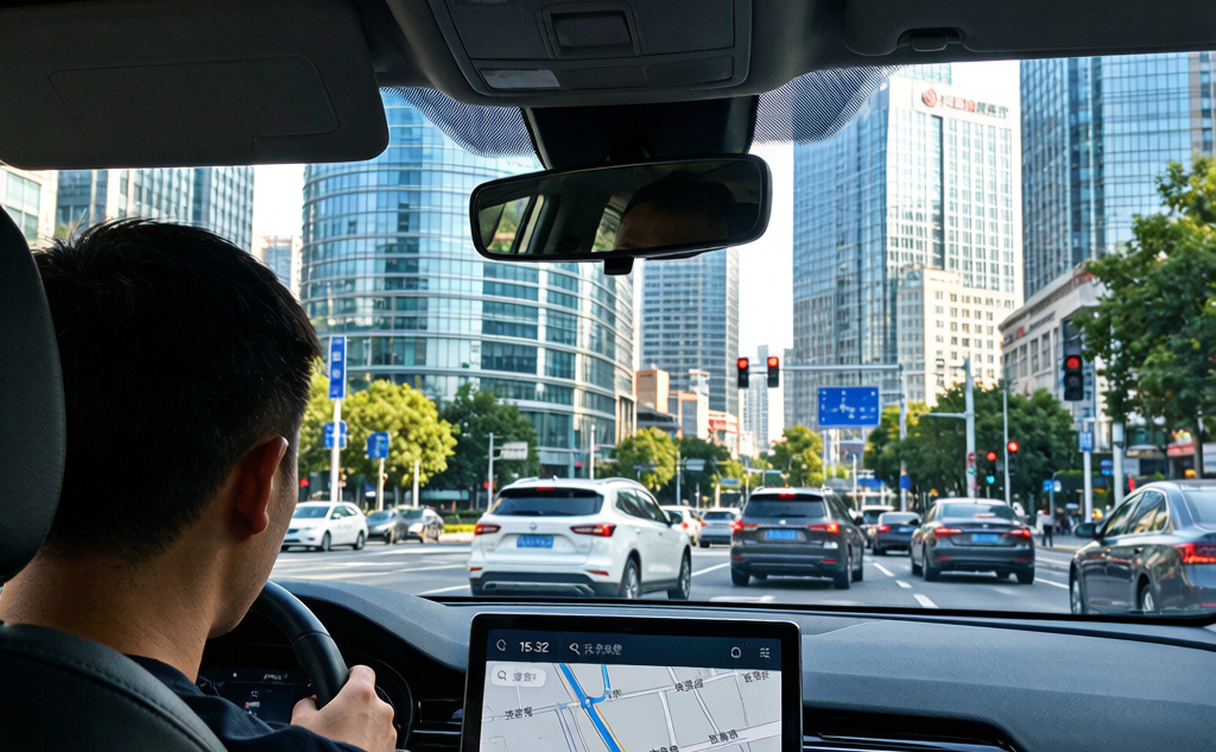
DiDi (Didi Chuxing) is China’s largest ride-hailing platform, used daily by hundreds of millions. According to Wikipedia’s profile of Didi Chuxing, the company operates in most Chinese cities and offers taxi-hailing, private cars, and pooled rides. For travelers, DiDi solves the biggest headache: language. The app supports an English interface and shows driver, plate, and fare in Roman letters.
That said, a China taxi guide is incomplete without street cabs, which remain plentiful and useful when your data is down.
How to Use DiDi in China
Setup takes ten minutes before you arrive:
1. Download “DiDi Global” (the international version) or the standard DiDi app.
2. Register with your phone number—an eSIM helps; see our China eSIM and SIM card guide for tourists.
3. Add a payment method. DiDi accepts international cards in many cases, but Alipay or WeChat Pay is smoother—see our Alipay and WeChat Pay guide for foreigners.
4. Set your destination by typing or dropping a pin; the app translates the address to Chinese for the driver.
5. Confirm the plate number and car model before entering.
This ride hailing China English app flow removes the need to speak Chinese with the driver—just show the pin.
DiDi Payment with a Foreign Card
A common worry is DiDi payment with a foreign card. Options:
- International credit/debit card linked in DiDi (Visa/Mastercard/JCB in supported regions).
- Alipay Tour Pass / WeChat Pay bound to your foreign card—most reliable.
- Cash only in traditional taxis, not DiDi.
If the app declines your card, switch to Alipay, which handles foreign cards more consistently. Our payment guide above walks through binding step by step.
Street Taxis: When and How
Traditional taxis are still everywhere, especially outside city centers.
- Flag-down: raise your hand; lit “空车” (empty) signs mean available.
- Always ask for the meter: “请打表” (qǐng dǎ biǎo).
- Carry small cash as backup; many older cabs prefer it.
- Use the DiDi “taxi” mode to hail a metered cab through the app—best of both worlds.
Airport Taxis in China
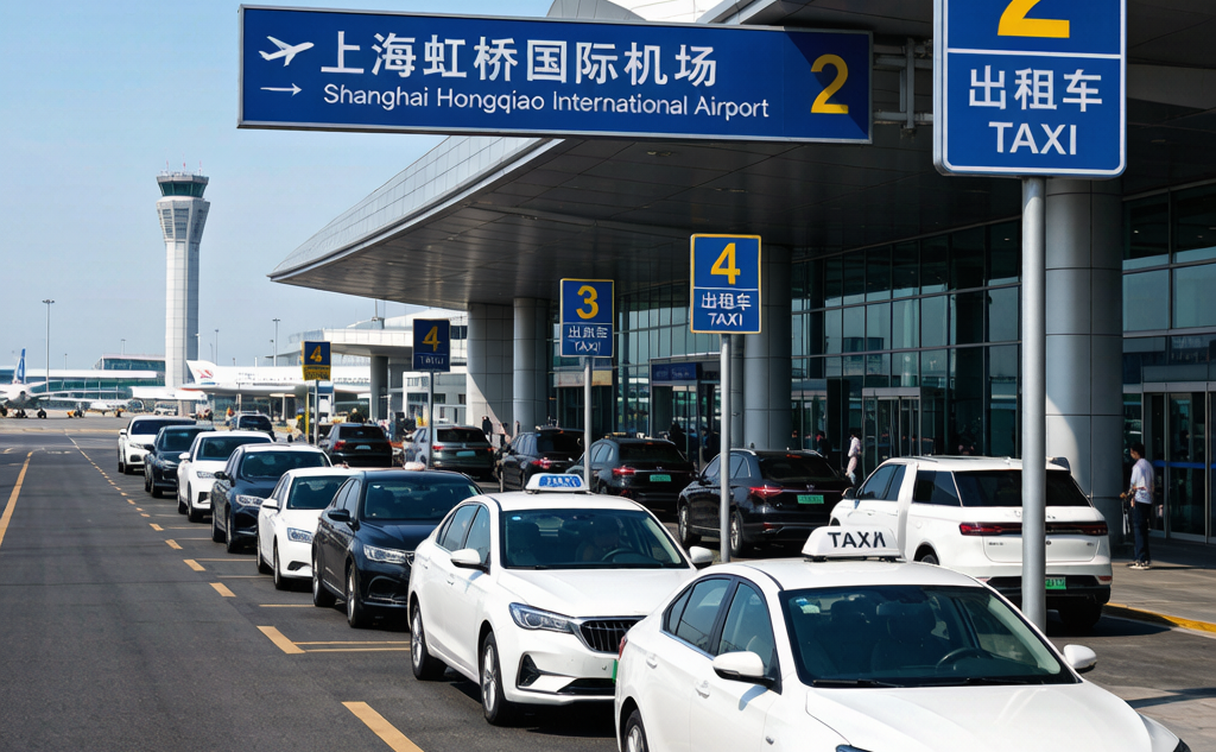
Airport taxi China desks are the safest arrival option. At Beijing Capital, Shanghai Pudong, or Chengdu Tianfu:
- Follow signs to the official taxi queue (出租车).
- Take a printed fare estimate slip from the kiosk when offered.
- Avoid men offering “private car” rides inside the terminal—they often overcharge.
- Photograph the plate and driver ID; share your route with a friend.
For getting from the airport to downtown without surprises, DiDi’s airport pickup zone also works, though you must walk to the designated rideshare area.
Taxi Scams to Avoid in China
Taxi scams China travelers should avoid are rare but real. Watch for:
- No-meter drivers at tourist spots quoting a flat, inflated price.
- Fake “broken” meter claiming it is out of order.
- Detour driving—use your map app to spot long loops.
- Card-skimming at unofficial payment terminals; pay through the app.
- Fake DiDi messages—only trust the official app, never a text link.
Our broader China travel safety tips cover transport scams and what to do if pressured.
Getting Around Chinese Cities Beyond Taxis
Taxis and DiDi are one layer. For a full picture of getting around Chinese cities, combine them with:
- Metro: cheap, fast, English-signposted in big cities.
- High-speed rail: for intercity hops; our China high-speed train guide for foreigners explains tickets and seating.
- Bikes/share schemes: great for short distances in flat cities.
- Walking: many old quarters are pedestrian-friendly.
Internet and Connectivity Tips
Ride apps need data. China’s network blocks some Western services, so prepare in advance with our how to use the internet in China guide, and keep an eSIM or roaming plan active. Screenshot your destination’s Chinese name and address in case the app loses connection.
Cost Expectations
- Short city hop (3–5 km): roughly ¥14–25 by meter.
- DiDi often matches or undercuts street taxis with surge only at peak.
- Airport to center: ¥100–200 depending on city distance.
- Late-night and holidays may add modest surcharges.
- Many hotels also offer fixed-price car services to the airport; compare the quote with the app before deciding, since the hotel car is sometimes cheaper for groups with luggage.
Choosing the Right Pickup Point
Where you stand matters as much as which app you open. At airports and stations, follow the marked rideshare zones rather than the curbside chaos, where unlicensed drivers tout rides. In dense downtown areas, DiDi may pin a spot a block away from your exact door; walk to the suggested corner so the driver can pull in legally. Outside malls and hotels, use the designated drop-off lanes. If a driver calls and you cannot understand, send your destination pin again and a short voice note in English—most will simply follow the map. Picking a legal, visible spot prevents circling, arguments, and cancelled rides.
Practical Do’s and Don’ts
Do
- Confirm plate before entering.
- Use app payment to avoid disputes.
- Save your hotel’s Chinese address in the app.
- Tip nothing—tipping is not expected.
Don’t
- Get into unmarked cars.
- Pay cash to a DiDi driver off-app.
- Argue at the roadside; resolve via app support.
DiDi vs Taxi: Which Should You Choose?
Both have strengths. Choose DiDi when you want a fixed fare, a record of the trip, and no language barrier—ideal for airports, late nights, and unfamiliar neighborhoods. Choose a street taxi when your data drops, when you are already at a rank, or when you prefer paying cash. The DiDi “taxi” mode is the sweet spot: a metered cab summoned through the app, combining the official fare with digital convenience.
For groups or heavy luggage, select DiDi’s larger car types (comfort or six-seat) so you are not crammed. During rush hour, expect surge pricing; sometimes a short walk away from the hotspot clears the surge. If a driver cancels repeatedly, re-request or switch to taxi mode.
Late-Night and Rainy-Day Tips
After midnight, street taxis thin out and DiDi waits lengthen, especially in smaller cities. Pre-book or step outside the bar district to find cars. In rain, prices rise and supply falls—have a backup plan like the metro’s last trains or a hotel-recommended car. Keep a screenshot of your hotel’s address in Chinese, since wet phones and weak signals make live lookup fail. Patience and a charged power bank keep these edges smooth.
Final Thoughts
Mastering DiDi China for foreigners turns Chinese cities from intimidating to effortless. Pair the app with a working data plan, a bound payment method, and basic scam awareness, and you will glide from airport to rooftop bar without a word of Mandarin. Taxis remain a trustworthy backup, so keep both options ready.