

If you are planning a stop in Jiangxi, the single most rewarding sight in the provincial capital is Tengwang Pavilion. This riverside tower is one of the three great towers of southern China, and unlike many rebuilt monuments it carries a genuine literary soul. The Tengwang Pavilion Nanchang experience is about more than a pretty building: it is about standing where a 26-year-old poet once wrote the most famous piece of parallel-prose in Chinese history, looking out over the same bend of the Gan River that flows past the city today.
Most visitors only know the pavilion as a photo stop, but a little context turns a twenty-minute glance into a highlight of any Jiangxi trip. This guide covers the history, the practical details you need before you go, and how to fit the pavilion into a wider Nanchang and Jiangxi itinerary.
Why Tengwang Pavilion Matters
The original pavilion was built in 653 AD by Li Yuanying, a younger brother of Emperor Taizong of the Tang dynasty, who held the title Prince Teng. Hence the name “Prince Teng’s Pavilion.” For decades it was just one of many riverside pavilions until 675 AD, when a young official named Wang Bo attended a banquet there and composed the “Preface to the Pavilion of Prince Teng.” That single essay — full of balanced, musical lines about autumn mists, evening clouds, and the fleeting nature of glory — made the building immortal.
The poem is still memorized by Chinese schoolchildren today, which is why the pavilion draws such affectionate crowds. When you climb the tower, the inscriptions, plaques, and recited passages you encounter are not decoration; they are the reason the tower has been rebuilt dozens of times across 1,300 years and never been abandoned.
The Building You See Today
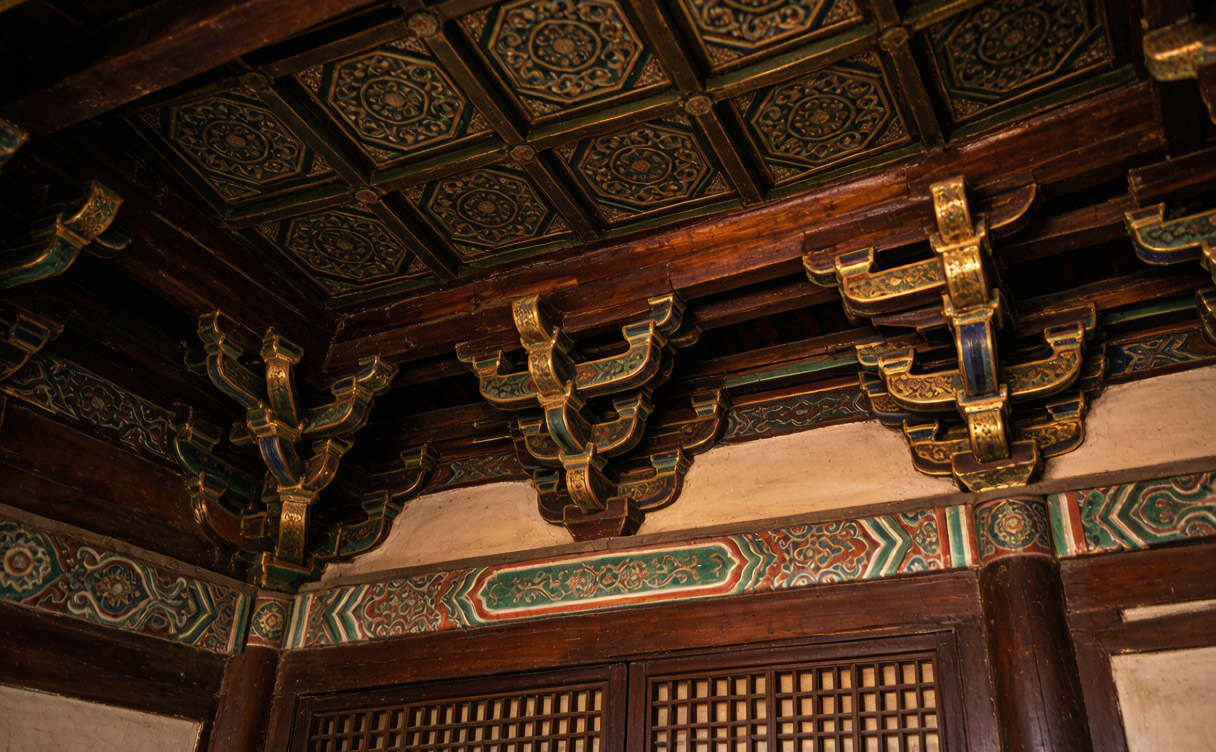
The current structure is a faithful modern reconstruction in Tang style, completed in 1989. It rises nine stories (though clever architecture makes it read as three broad tiers) to about 57 meters, with deep vermillion columns, green-tiled roofs, and the soaring flying eaves that define classical Chinese towers. From across the river it looks like a single elegant pavilion; up close you realize it is a stacked complex of halls, staircases, and viewing galleries.
Inside, each floor has a theme: one displays Wang Bo’s preface carved and painted across long scrolls; another holds a scale model of the pavilion through the dynasties; another shows Nanchang’s history as a river port. The top floor is the payoff — an open balcony with uninterrupted views up and down the Gan River toward the city center.
Tengwang Pavilion Tickets and Opening Hours
Practical planning is the part foreign visitors most often get wrong, so here are the essentials for Tengwang Pavilion tickets and opening hours:
- Opening hours: roughly 08:00–17:30 (last entry around 17:00) in daytime; a separate night-show ticket is sold for the evening light-and-sound performance, usually from 19:30.
- Daytime ticket: about ¥50 per adult. The night show costs extra and sells out on weekends and holidays, so buy online or arrive early.
- Payment: WeChat Pay and Alipay dominate; bring cash or a card as backup, and consider linking a foreign card to Alipay before you travel.
- Best value: if you only want photos, the riverside plaza and the bridge viewpoint are free. Pay the ticket if you want to climb and read the exhibits.
The pavilion sits on the north bank of the Gan River, in the Qingshanhu district, about 20–30 minutes by car from the railway stations.
How to Get to Tengwang Pavilion
For how to get to Tengwang Pavilion, the easiest route depends on where you stay:
- Metro: Nanchang Metro Line 1 has a Tengwang Ge (Tengwang Pavilion) station. From there it is a short walk to the entrance plaza.
- From Nanchang West Railway Station: take Line 2 to Bayi Square, change to Line 1, exit at Tengwang Ge. Allow 40–50 minutes.
- By taxi or ride-hail: show the driver “滕王阁” (Téngwáng Gé). Didi is the local app; have your hotel write the destination in Chinese.
- On foot from the old town: the pavilion is walkable from the Qiushui Square and the Gan River promenade if your hotel is central.
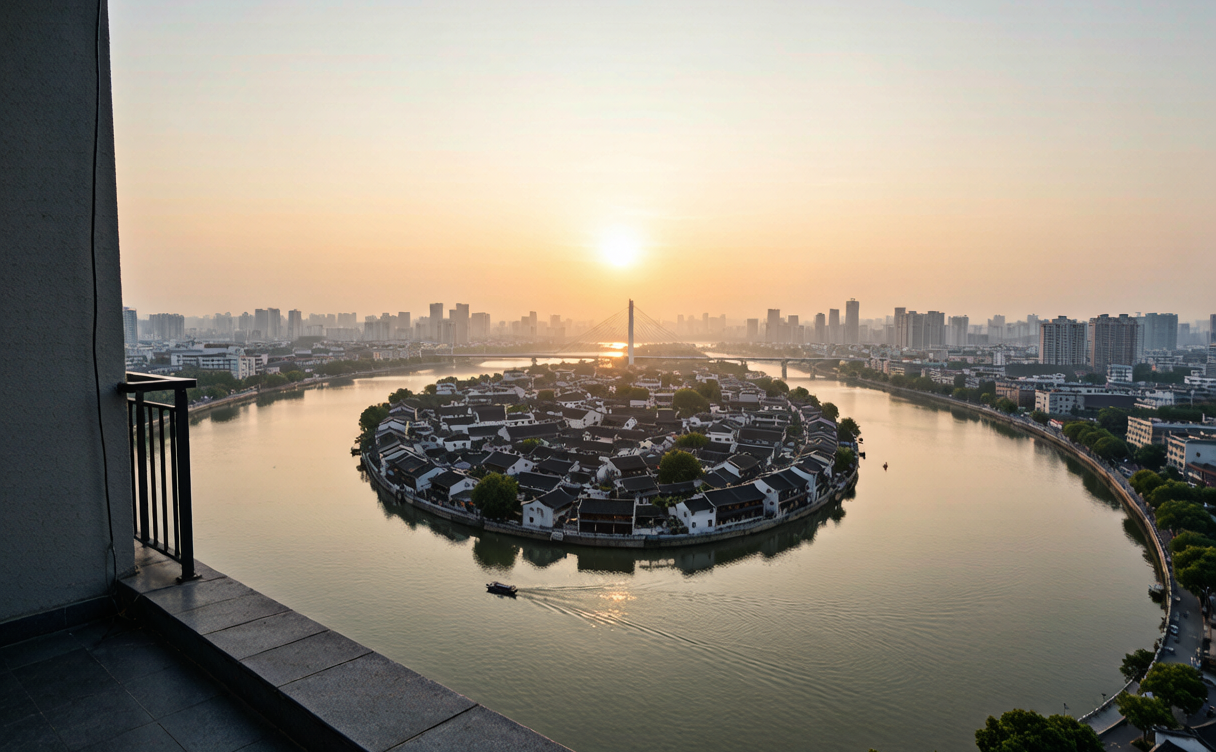
Pair the visit with an evening stroll along the river — the Nanchang riverside night view is the best free show in town, with the pavilion’s reflection shimmering on the water and the Ferris wheel across the river lit up behind it.
Prince Teng Pavilion History: A Tower That Refused to Die
Part of what makes the Prince Teng Pavilion history compelling is its resilience. Fire, war, and flood destroyed the building at least twenty-eight times. Each dynasty rebuilt it, sometimes in a different spot along the bank, always honoring Wang Bo’s words. The Ming and Qing versions were documented in paintings; the modern rebuild used those records plus Tang dynasty architectural principles to recreate the original soaring silhouette.
Stand on the top deck at dusk and you are joining a continuous line of visitors — scholars, emperors, and ordinary travelers — who came to this same river bend to feel a piece of Chinese literary memory. That continuity is rare and worth slowing down for.
Best Time to Visit Tengwang Pavilion
The best time to visit Tengwang Pavilion is spring (March–May) and autumn (September–November), when the river air is clear and the light is soft. Summer is hot and humid, though the night show is a good way to avoid the heat. Winter is cold but uncrowded, and a pale sky makes the red columns pop in photos.
Try to arrive an hour before sunset. You get daylight views from the top, watch the city light up, then catch the evening performance. Avoid the first two days of any national holiday (Golden Week in early October, Spring Festival) if you dislike crowds.
Make a Day of It in Nanchang
Tengwang Pavilion is rarely a full day on its own, but Nanchang has enough to fill one. The August 1st Uprising Museum tells the story of the 1927 event that gave the city its revolutionary nickname. The Star of Nanchang Ferris wheel and the Qiushui Square fountain show are fun after dark. And the local food — fiery stir-fries, clay-pot soup (wengeng), and rice noodles — is a meal in itself.
If you want to understand why a river pavilion mattered enough to rebuild for a millennium, spend an hour with Wang Bo’s preface before you go. You do not need to read classical Chinese; even one translated line — “the sun sets among the solitary bank, and the autumn water blends with the vast sky” — changes how the view lands.
Beyond the City: Jiangxi’s Other Wonders
Nanchang is a hub, not a dead end. Within a few hours you can reach some of eastern China’s finest scenery, and the pavilion makes a natural first chapter before heading into the mountains and lakes.
- Lushan Mountain is a misty summer retreat with colonial villas and waterfall hikes — see our Lushan Mountain guide for the cable car and the cool-weather trails.
- Poyang Lake, China’s largest freshwater lake, is a winter haven for migrating Siberian cranes; our Poyang Lake guide explains the best viewing season.
- Sanqingshan offers granite peaks and suspended walkways that rival better-known ranges — details in our Sanqingshan guide.
For travelers who want old villages and porcelain, the Wuyuan travel guide maps the rape-flower villages, and the Jingdezhen travel guide covers the pottery capital an hour east.
Photography Tips
The classic shot is from the opposite (south) bank of the Gan River at blue hour, when the pavilion’s warm lights meet the cool sky. A polarizing filter helps cut the glare on the water. Inside, ask a guard about the best floor for the carved preface — it is easy to miss while climbing.
Sources
Official visitor information: Nanchang Municipal Culture and Tourism Bureau (Nanchang, China).