

There is an old saying in the capital that every Beijing local knows: “First there was Tanzhe, then there was Beijing.” The moment I climbed the first flight of stone steps into the pine-scented courtyard of Tanzhe Temple, I understood why people say it. While the Forbidden City was still a marsh and a walled town, this mountain monastery was already centuries old. For travelers who want to escape the crowds of the city center, a Tanzhe Temple guide is the key to the most atmospheric half-day you can spend in the hills west of Beijing.
This is, by most accounts, the oldest temple Beijing can claim. Its origins are traced back to the Jin dynasty (around the 3rd century AD), more than a thousand years before the Ming built the capital we know today. The buildings you walk through now are mostly Ming and Qing reconstructions, but they sit on foundations and a spiritual lineage that predate the city itself. The name comes from the site’s geography: Tan for a dragon pool (tan) and Zhe for a type of mulberry tree that once grew wild on the mountain.
Getting oriented: the layout
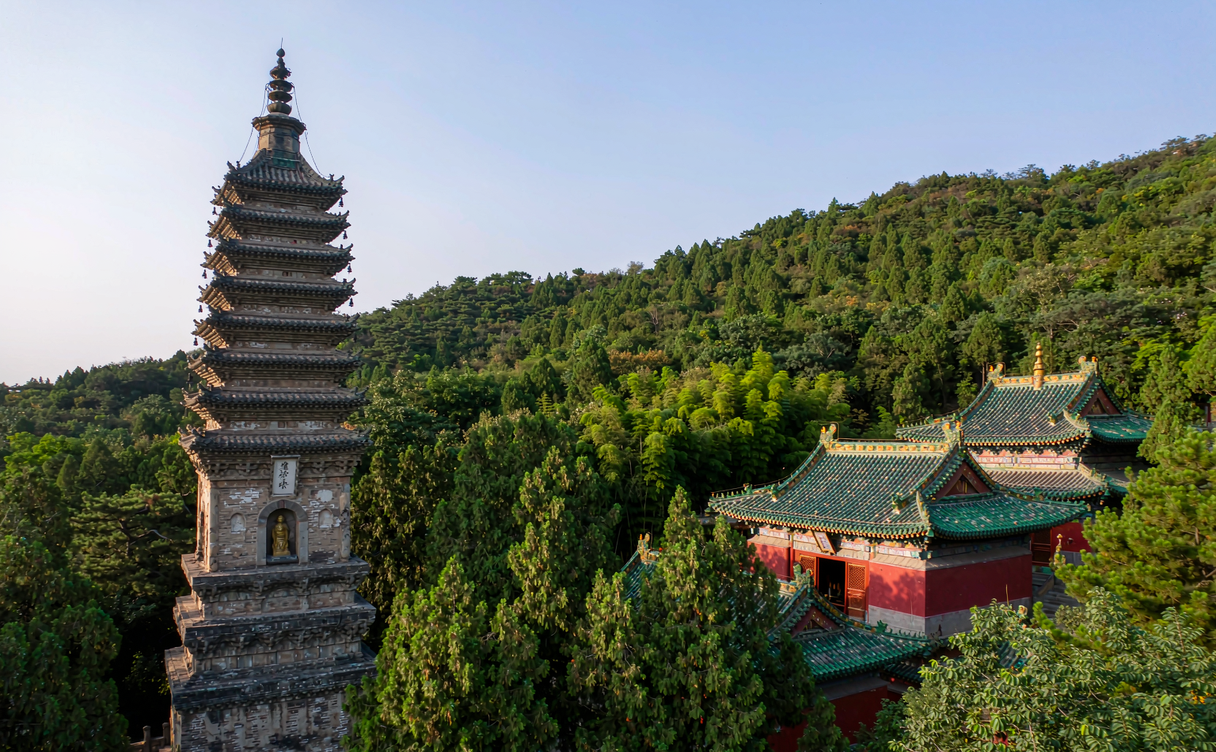
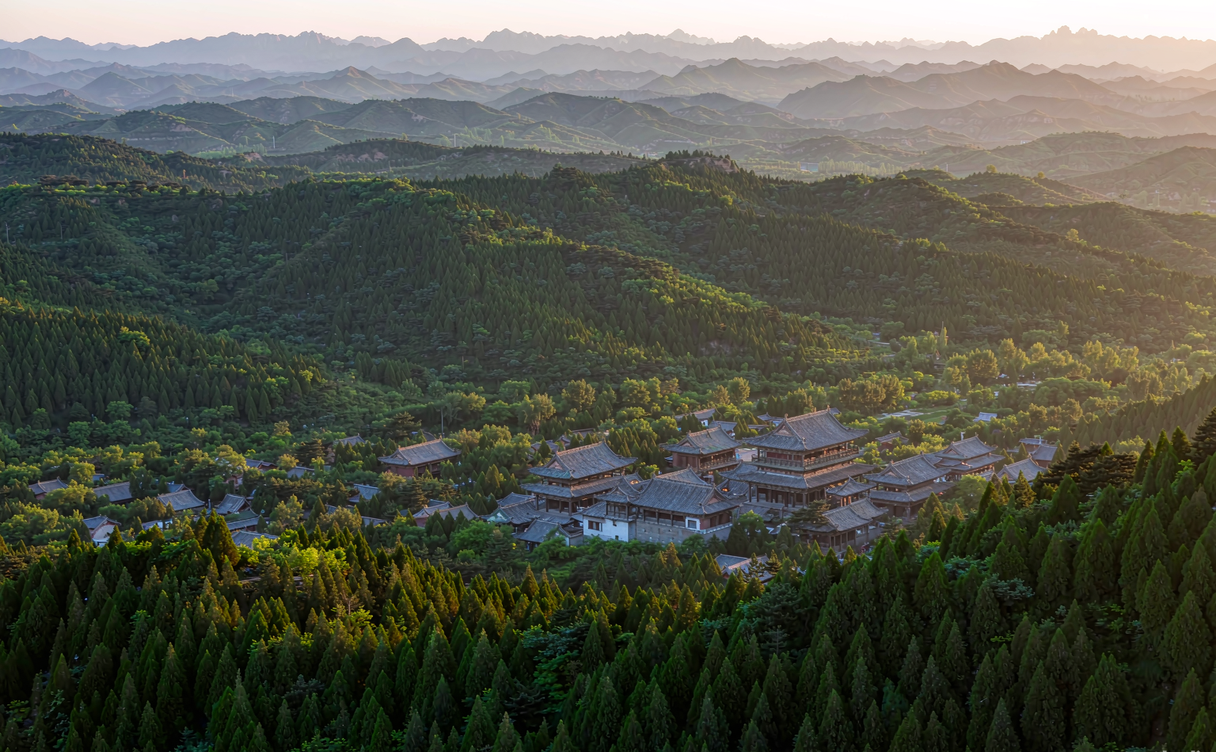
Tanzhe Temple spreads across a south-facing slope in Mentougou District, about 30 kilometers (19 miles) west of Tiananmen. Unlike the flat, axis-bound temples inside the city, this one terraces up the hillside, so a visit is a gentle climb through shade and stone. The route is logical:
- The Mountain Gate and the Hall of Heavenly Kings welcome you with Ming-dynasty statuary.
- The Mahavira Hall (Daxiongbaodian) is the ritual heart, topped with a distinctive ceramic ridge and roof tiles.
- The Hall of the Sleeping Buddha and surrounding chapels hold the quieter devotional spaces.
- The Pagoda Garden (Talin) behind the halls collects dozens of stone stupas marking the graves of past abbots — a peaceful, mossy forest of carved towers.
- The ancient ginkgo stands near the rear courtyard, and it alone is worth the trip.
The Emperor Tree and the ginkgo miracle
The single most beloved sight at Tanzhe is its giant ginkgo, known as the Emperor Tree (Diwang Shu). Planted, by tradition, more than 1,000 years ago, its trunk is so wide that several people cannot link hands around it, and in late autumn it turns a saturated gold that draws photographers from across the city. Local lore holds that whenever a new emperor ascended the throne, a new branch would sprout from the tree — a piece of folklore that captures how deeply this temple is woven into Beijing’s imperial story. I visited in early November and the ground beneath it was a carpet of yellow leaves; even with other visitors around, the tree commands a hush.
Things to do at Tanzhe Temple
There is more to do here than bow and move on. The things to do at Tanzhe Temple that I most recommend: arrive early to hear the monks’ morning chanting if your schedule allows; walk slowly through the Pagoda Garden and read the weathered inscriptions; trace the mountain stream that runs beside the lower path; and climb to the upper terraces for a view back over the tiled roofs and the valley. On clear days you can see the haze of the city in the distance and feel the contrast — silence here, noise there. If you want a deeper immersion, our China temple stay guide explains how to arrange an overnight retreat at monasteries where guests are welcome.
Best time to visit Tanzhe Temple
The best time to visit Tanzhe Temple is autumn, specifically late October to mid-November, when the ginkgo and the surrounding maple and smoke-tree foliage ignite the hillside. Spring (April to May) is the second-best window, with fresh green and blossoming apricot trees. Summer is lush but humid and prone to afternoon rain; winter is stark and cold but beautifully empty, with snow on the tiled eaves. Weekdays beat weekends by a wide margin. For a fuller picture of seasonal travel across the region, our Beijing first-time travel guide includes a month-by-month climate breakdown for the capital.
How to get to Tanzhe Temple
Working out how to get to Tanzhe Temple is straightforward once you leave the city core. Options:
- Public transit: Take Beijing Subway Line 1 to Pingguoyuan, then transfer to bus 931, which terminates at the temple. The bus ride is about 40–50 minutes and costs a few RMB; total journey from central Beijing is roughly 1.5–2 hours.
- Taxi or ride-hail (Didi): Direct from your hotel, about 1 to 1.5 hours depending on traffic, costing roughly CNY 120–180 one way.
- Tour or private car: Many half-day tours bundle Tanzhe with the nearby Jietai Temple; expect CNY 200–400 per person including transport.
Bring water and comfortable shoes — the climb is modest but real. If you are arriving in Beijing by rail, our China high-speed train guide for foreigners covers how to reach the capital and get oriented at the stations.
Pairing Tanzhe with the rest of Beijing
Tanzhe works best as a counterpoint to the big-ticket sights. Spend your mornings at the Great Wall or the Forbidden City, then give yourself one quiet day in the western hills. The temple also pairs naturally with a visit to Jietai Temple, famous for its ordination platform and ancient pine trees, just 20 minutes away by road. For a curated list of where to point your days, see our things to do in Beijing guide, which ranks both famous and off-the-radar spots.
Food and practicalities
Entry to Tanzhe Temple is about CNY 55 (roughly USD 8), with slightly lower prices in the off-season. The temple is generally open 8:00 to 17:00 in summer and 8:30 to 16:30 in winter, with last entry about an hour before closing. Inside the grounds there are small vegetarian snack stalls selling corn, sweet potatoes, and tea; a simple vegetarian lunch at the temple or nearby runs CNY 30–60. Near the parking area you will find restaurants serving Mentougou specialties like braised donkey meat and mountain野菜 (wild greens) — a regional taste you will not find in the city center. Carry some cash, and note that the cell signal can weaken in the upper courtyards.
Why it matters
Tanzhe is not just old; it is a living record of how Beijing grew up around its sacred sites. The saying “first there was Tanzhe, then there was Beijing” is more than local pride — it is a reminder that the capital’s identity was shaped as much by mountains and monasteries as by emperors and walls. The architecture, the ginkgo, the pagoda forest, and the chanting together make a case for slowing down. For a neutral, sourced history of the monastery, the Tanzhe Temple entry on Wikipedia is a dependable reference before your trip.
A few tips from experience
- Go on a weekday morning. The light is best and the incense smoke hasn’t thickened.
- Wear layers. The hills are cooler than the city by several degrees.
- Leave time for the Pagoda Garden. It is easy to skip but is the most photogenic, contemplative corner.
- Combine with a hike. The surrounding Mentougou area has marked trails if you want to extend the day outdoors.
If you are new to the country, our China travel guide for first-timers lays out etiquette for temple visits, including how to approach incense offerings respectfully. And for broader inspiration on where heritage and nature meet, browse our best things to do in China list.