

This Sandu travel guide is built from our own scouting trips through southeastern Guizhou, where we have sent travelers to stay in working Shui villages rather than ticking off a photo stop. Sandu is the only Shui (Sui) autonomous county in China, tucked into the hills of Qiannan prefecture, and most visitors have never heard of it. That is exactly why it works. You come here for timber houses on stilts, for elders who still read an ancient pictographic script, and for valleys that turn gold at harvest. If you want a slower, more honest slice of Guizhou than the headline towns, this is the place.
Why Sandu earns a spot on your Guizhou trip
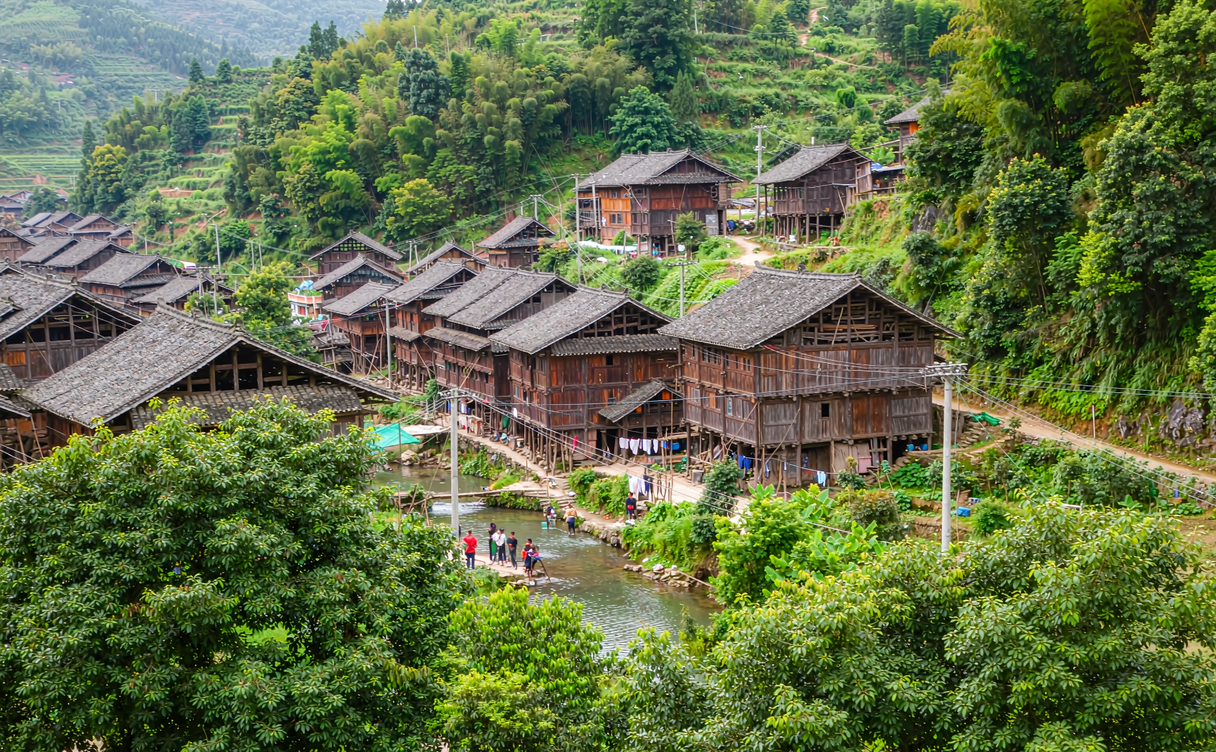
We first routed a small group through Sandu on the way back from Libo, expecting a half-day filler. It became the part they still talk about. The Shui people here number around 400,000 nationwide, and the majority live inside this one county. Unlike the better-marketed Miao and Dong circuits, Sandu has not been rebuilt for coaches. Villages like Zenlei and Dujiang keep their original layout, and the county museum in Sanjiang town holds one of the best collections of Shui water-script manuscripts you will find outside a research institute.
On our last visit, a village elder in Zenlei laid out a sheet of hand-copied ritual characters and explained how each one maps to an ancestor or a season. That kind of encounter is not staged for a ticket booth; it happens because the culture is still living. For travelers interested in the wider picture, our China ethnic minorities travel guide explains how the Shui fit alongside the Miao, Dong, and Buyei communities of the southwest.
Best time to visit Sandu
The best time to visit Sandu is late March through May, when the hills are green and wild azaleas cover the ridgelines, and again in September through October, when the rice terraces turn amber and the weather is cool and dry. We avoid the deep summer (late June to August) unless a traveler specifically wants the Maoleng festival, a water-themed celebration held in the lunar fourth or fifth month that draws Shui from surrounding counties for singing and bullfighting.
Shoulder seasons are also cheaper and quieter. Winter is mild by northern standards but damp, and some mountain guesthouses close. If you are planning around a larger regional loop, our best time to visit China breakdown lines up the provincial weather windows so you can stack Sandu with其他地方 without hitting the worst of the rain.
How to get to Sandu
Getting to Sandu is easier than the maps suggest. The practical hub is Duyun, the prefecture capital, which has a high-speed rail station on the Guiyang–Guangzhou line. A bullet train from Guiyang North to Duyun East takes about 50 minutes and costs RMB 58 to 78 in second class. From Duyun bus station, frequent coaches run to Sandu county town (Sanjiang) in roughly 1.5 hours for RMB 35 to 45.
If you are already in Libo, a direct bus or hired car takes about 1.5 to 2 hours north. We usually book a private car through our local partner for RMB 350 to 450 when a family wants door-to-door comfort. For first-timers navigating the rail network, our China high-speed train guide for foreigners walks through ticket apps, ID requirements, and station navigation step by step.
Things to do in Sandu
The things to do in Sandu are spread across village life, low mountains, and a slow river rather than big-ticket sights. We list the stops our travelers actually enjoyed.
Start in Sanjiang town at the Shui Ethnicity Museum. Entry is free, and the water-script hall alone is worth an hour. The characters are pictographic and nothing like Chinese hanzi, which surprises visitors who assume all regional scripts look the same.
From there, head to Zenlei traditional village. It sits on a slope above a stream, with granaries raised on stone legs to keep rats out. Locals still thresh grain by hand in autumn. A homestay dinner here runs RMB 40 to 60 per person and might include pickled fish, glutinous rice cakes, and a bitter herb soup the Shui swear by.
Dujiang old town is the other anchor. Once a river-port market, it keeps a grid of Qing-era lanes and a riverside walk where older women still wash clothes on flat stones. We budget half a day here plus travel.
For nature, Yaoren Mountain National Forest Park offers marked ridges with viewpoints over the county. Entry is around RMB 40, and the easier loop is doable in 2 to 3 hours. If you want a full regional plan that folds Sandu into a longer route, our Guizhou 7-day itinerary shows one way to pair it with Libo and Kaili.
Where to eat and stay
Sandu is not a food destination in the Instagram sense, but the home cooking is honest and cheap. The Guizhou food guide covers the sour-hot staples you will meet here: suan tang yu (sour fish soup), cured pork, and the fermented vegetables the Shui call “ke.” Expect RMB 25 to 45 per meal at small restaurants in Sanjiang, and RMB 40 to 60 for a homestay feast in the villages.
Lodging is simple. In the county town you will find clean business hotels from RMB 150 to 260 a night, while village homestays run RMB 120 to 200 with basic shared baths and excellent breakfasts. We book ahead in festival weeks because supply is thin. On our last visit we stayed in a restored timber house in Dujiang for RMB 180; the host woke us with freshly steamed rice and mountain tea.
A note on the surrounding landscape
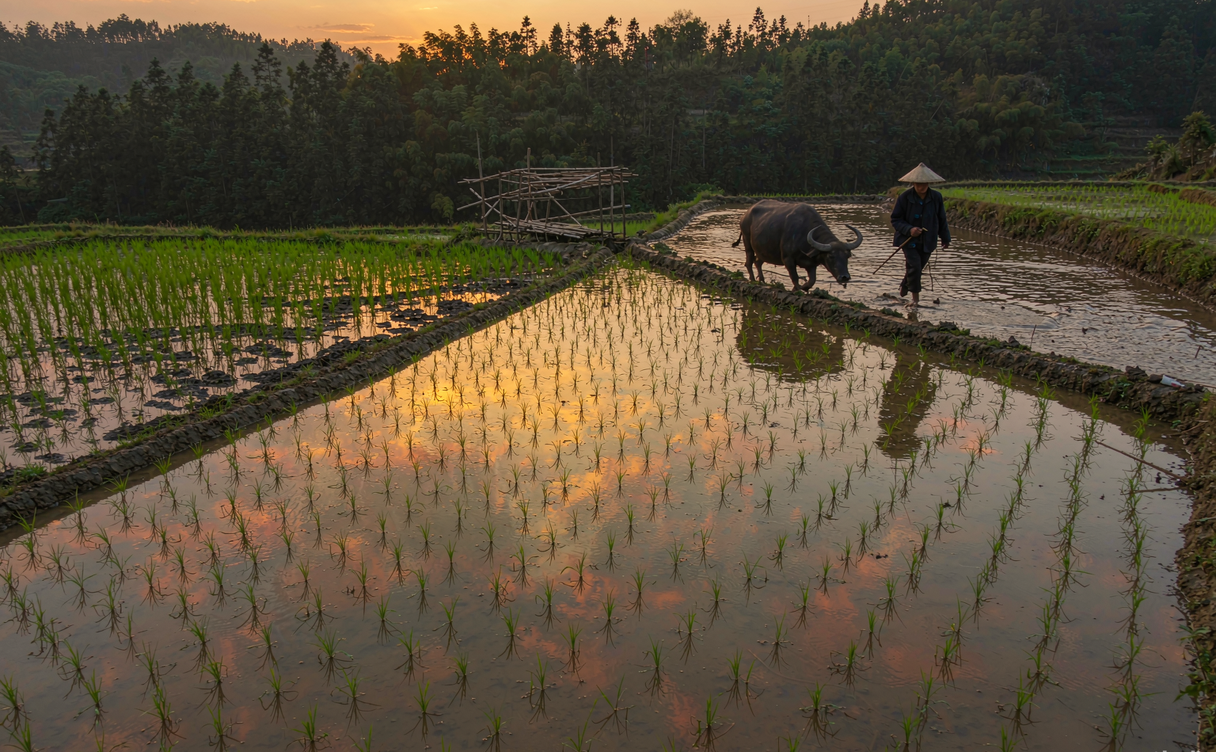
Sandu sits within reach of the Libo karst, a section of the South China Karst inscribed by UNESCO for its cone and tower karst formations. We often pair two nights in Sandu with a day trip to Libo’s Zhangjiang scenic area, about 90 minutes south, so travelers get both living culture and dramatic limestone. The official listing is worth a read before you go: South China Karst on the UNESCO World Heritage list.
Practical budget and booking reality
A realistic daily budget in Sandu runs RMB 350 to 550 per person including a mid-range room, meals, local transport, and entry fees, assuming you are not on a private guided loop. Villages themselves are mostly free to enter; the costs are getting there and eating well. Most guesthouses and the museum can be booked or walked into on arrival except during the Maoleng and Duoduo festivals, when we lock rooms 3 to 4 weeks out.
Ready to plan your trip? Send us your travel dates and we will build a Sandu village route that fits your pace and budget.
Sample 2-day Sandu itinerary
Day one: arrive from Duyun, settle in Sanjiang, visit the Shui museum, and take an evening walk along the river. Day two: morning at Zenlei village, afternoon in Dujiang old town, and a sunset ridge walk if the weather holds. If you have a third day, add Yaoren Mountain or push south to Libo. This is the Sandu itinerary we hand to most first-timers because it avoids backtracking.
Want a custom plan? Tell us whether you prefer villages, hiking, or festivals and we will shape the days around you.
Responsible travel in Shui country
Sandu rewards travelers who slow down. Ask before photographing elders, buy directly from village cooks rather than bargaining hard, and keep noise low in the drum-tower squares. The Shui are hospitable but private, and the best moments come from being invited in, not from pushing. We brief every group we send on these small courtesies, and it changes the whole experience.
Planning a Guizhou loop with Sandu included? Reach out and we will check festival dates, train times, and village availability for your window.
Sandu will not make the cover of a glossy magazine, and that is the point. It is the kind of place where the travel feels real: a bowl of sour soup, a script older than the dynasties, and a hillside village that goes quiet at dusk. We have sent solo travelers, couples, and small family groups here, and all of them left saying they finally understood what “off the beaten path” is supposed to mean.