

The first time our driver rounded a bend on the Sichuan–Tibet highway and Rawu Lake opened up below us, the whole van went silent. A sheet of glacial water the color of a winter sky, ringed by snow peaks and a fringe of pine — this is the kind of view that makes a Rawu Lake guide necessary, because almost nobody plans for it and everybody wishes they had. Rawu Lake Tibet sits at about 3,900 meters along the G318, the legendary road that links Chengdu to Lhasa, China, and it is one of the most photogenic stops on the entire plateau.
We have routed travelers through Rawu for years, usually as an overnight between Nyingchi and Chamdo or as a rest day on the long drive west. Unlike the solemn monasteries of the interior, Rawu is pure landscape therapy: still water, big mountains, and the kind of quiet that resets a tired road-tripper. If this is your first plateau journey, our China first-timer travel guide explains how to stack Rawu into a national route without overdoing the altitude.
Things to do at Rawu Lake
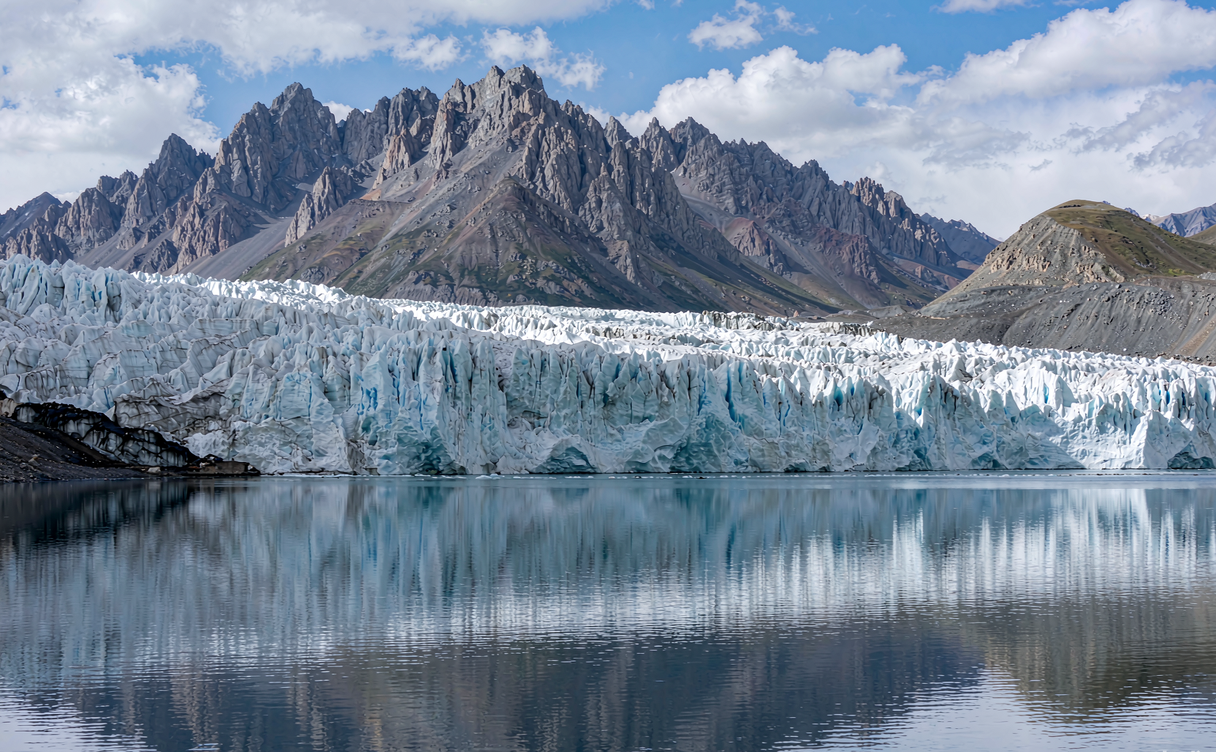
The main things to do at Rawu Lake are gloriously unhurried. First, walk the lakeshore path on the eastern bank, where the water is calmest and the reflection of the glaciers is mirror-clean on windless mornings. Second, drive or hike up to the smaller sister lake, Ranwu’s upper basin, where a different shade of turquoise appears depending on the light. Third, rent a local boat in summer (around RMB 80–150 per person) to reach the quieter western shore, or simply sit at one of the lakeside teahouses with a thermos of butter tea and watch the light move.
Rawu Lake photography is the real draw, and the best frames come at the two golden hours. Dawn lights the eastern peaks and turns the surface to glass; late afternoon paints the pine fringe warm gold. We tell our travelers to budget a full day here rather than a quick roadside stop — the difference between a 20-minute photo and a settled, relaxed visit is enormous. For more plateau and non-plateau ideas, our best things to do in China overview pairs raw landscapes like Rawu with the cities and towns that bookend them.
Best time to visit Rawu
The best time to visit Rawu is April to June and September to November. Spring brings melting glaciers and rushing inflows that turn the lake an intense blue, while autumn delivers the clearest skies and the most stable light for Rawu Lake photography. July and August are the rainy season on this stretch of Tibet, China; the road can be slick and afternoon clouds soften the peaks, though the greenery is at its lush peak. Winter is stark and freezing (nights below -15°C) but spectacularly clear, and the frozen shoreline draws a handful of hardy photographers.
Because the G318 is weather-dependent, our best time to visit China guide is the resource we share before anyone books, mapping the plateau’s road conditions against the rest of the country. I send most travelers in late May or early October: the roads are dry, the permit logistics are smoother, and the lake color is at its most saturated.
How to get to Rawu Lake
Learning how to get to Rawu Lake means understanding the G318. The lake lies roughly 130 kilometers southwest of Nyingchi, Tibet, China, and about 90 kilometers from the town of Bomê, a drive of 2 to 3 hours over paved but winding mountain road. Most travelers arrive by private car or on a organized plateau circuit from Lhasa or Chengdu; there is no train to Rawu, though the nearest airport is in Nyingchi (with flights from Chengdu and Lhasa, China). From Nyingchi you can also ride the rail line partway before switching to road.
As everywhere on the plateau, foreign travelers need the Tibet Travel Permit arranged through a registered operator, and the G318 corridor falls under the same guided-travel rules — no independent driving in Tibet, China. Budget RMB 200–400 in permit fees folded into the tour, plus vehicle and guide. For the rail approach into the plateau gateway, our foreigner high-speed train guide covers the mainland network that feeds the route before you transfer to a 4WD.
Rawu Lake Tibet: why it stands out
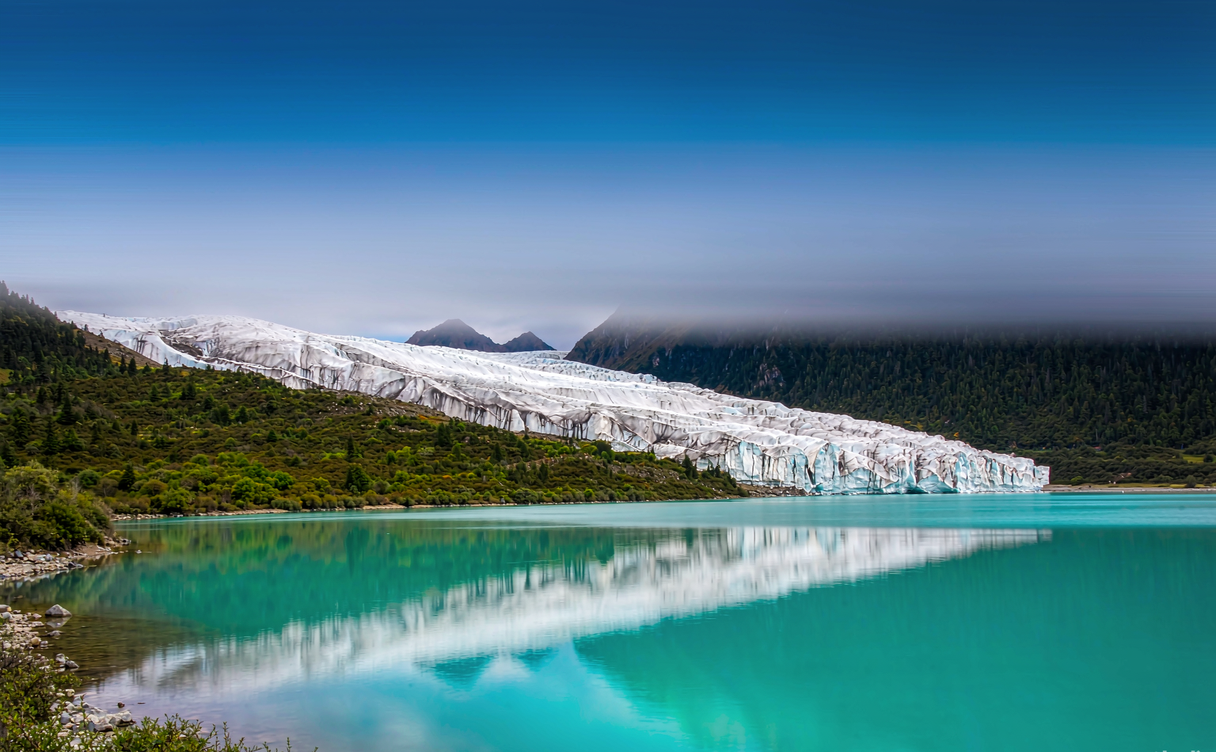
Setting Rawu Lake Tibet in context, it is one of the few large glacial lakes directly on the Sichuan–Tibet highway, which is why it became a legendary rest stop for overland travelers long before tourism formalized. The water is fed by the melt of surrounding glaciers, and its shifting color — from deep cobalt to pale jade — depends on sediment and sunlight. For the broad geographical and cultural background of the plateau, the Tibet entry on Wikipedia is a reliable, well-cited primer before you go.
We have watched tired road-trippers arrive grumpy from a long drive and leave transformed after a lakeside sunset. That is Rawu’s quiet magic: it asks nothing of you but a few hours and a clear morning. For travelers who enjoy this frontier, quiet-lake energy, our Xinjiang, China travel guide covers another vast region of high deserts and mirror lakes where the Silk Road once ran — a different palette, the same sense of scale.
Where to stay and what it costs
Rawu town (also spelled Ranwu) has a handful of lakeside guesthouses and a few newer hotels, typically RMB 200–500 per night for a clean, heated room with a lake view; the better rooms sell out in peak season, so book ahead. Meals are simple Tibetan and Sichuan fare — yak-meat noodles, stir-fried greens, and momos run RMB 30–70 per person. There are no foreign-card ATMs, so carry RMB cash for the guesthouse, the boat ride, and snacks. The altitude of 3,900 meters is gentler than Everest but still demands a rest day if you have just come from lower Nyingchi, China.
Our honest take
This Rawu Lake guide is really an argument for the unplanned stop. Too many Tibet, China itineraries rush the G318 to “get to Lhasa,” China, and skip the lake — then regret it. Build in the night, wake for the dawn reflection, and let the mountains do the work. For the slower, walkable heritage that balances all this altitude, our best ancient towns in China guide suggests lower-elevation towns where the streets are alive and the air is easy.
I recall a couple from our group who had budgeted only a photo stop and ended up extending a night on their own dime because the sunset was “too good to leave.” That is the highest compliment a landscape can earn. Rawu Lake photography rewards patience: the same shore looks entirely different at 6 a.m. and 6 p.m., and the travelers who stay for both frames are the ones who come home with the shots.
For a broader plateau-to-prairie plan, our Xinjiang, China travel guide is the companion we recommend once you have caught the high-road bug. The two regions share the same vastness, but Rawu’s glaciers and Xinjiang’s dunes tell opposite ends of the same Chinese geography story.
One practical closing note: the G318 is a working highway, not a scenic toll road, so expect trucks, occasional landslides in the rainy season, and long stretches without signal. Build buffer days, keep your camera charged, and trust your driver on the passes. For the seasonal and permitting detail we hand every traveler, our best time to visit China guide remains the best prep before you board the flight to Nyingchi or Lhasa, Tibet, China.