

The Qinling Mountains form one of the most important natural boundaries in China. Running roughly east to west across the heart of the country, this ancient range separates the temperate north from the subtropical south. For travelers, the Qinling mountains guide opens a door to a landscape where rare wildlife, misty ridgelines, and deep cultural history meet. This article walks you through how to plan a trip, where to go, and what makes the range a must-visit for nature lovers.
Why the Qinling Mountains Matter
Few places on Earth pack so much ecological significance into a single mountain system. The Qinling range is often described as the “central watershed” of China because it divides the drainage basins of the Yellow River to the north and the Yangtze River to the south. That division shapes climate, agriculture, and even the accents of the people living on either side.
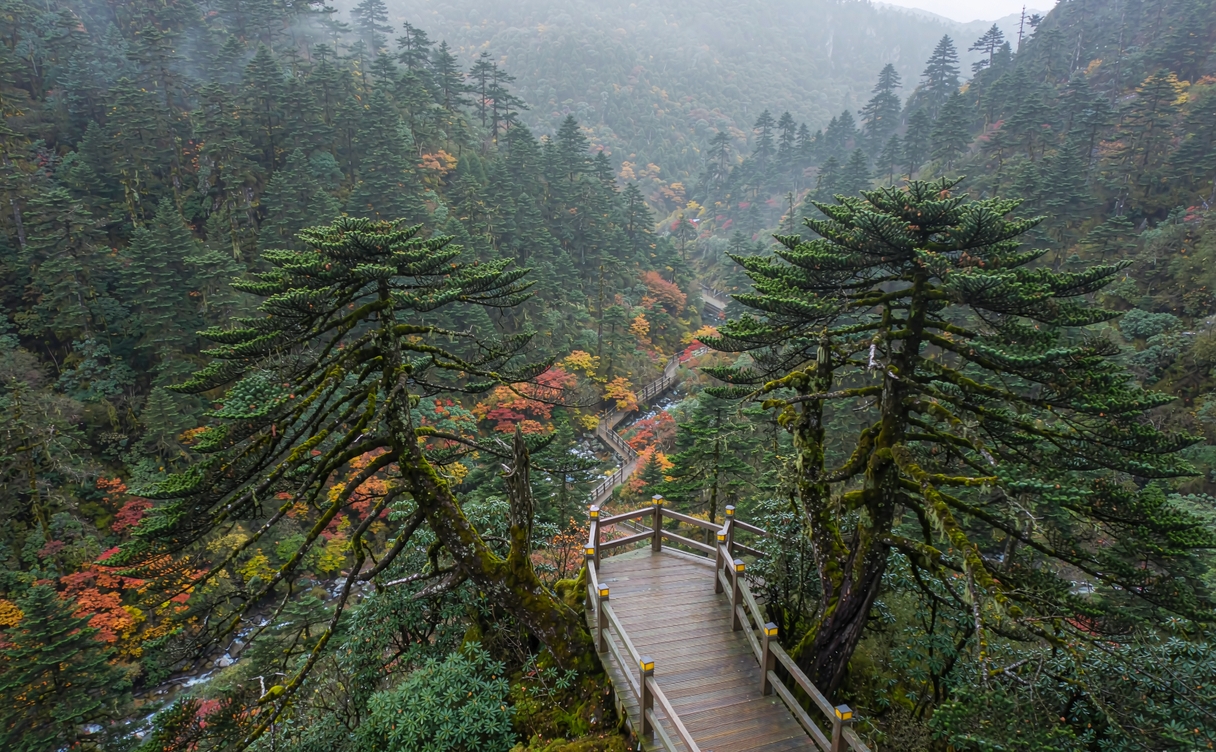
Beyond geography, the mountains are a living museum of biodiversity. They shelter some of the rarest animals on the planet, including the giant panda, the golden snub-nosed monkey, and the crested ibis. The range is also famous for its seasonal sea of clouds that rolls over the peaks at dawn, a spectacle that has inspired poets for more than a thousand years.
Best Time to Visit Qinling
The best time to visit Qinling depends on what you want to see. Spring, from late March to May, brings wild azaleas and fresh green slopes. Summer is lush and cool, a welcome escape from the heat of the plains. Autumn, especially October, is the most photogenic season: the forests turn red and gold, and the cloud sea appears most reliably after cool nights. Winter is quiet and sometimes snowbound, ideal for solitude but with limited access to higher trails.
If your priority is wildlife, aim for the cooler months when animals descend to lower elevations in search of food. Photographers chasing the iconic cloud sea should target autumn mornings after rainfall.
How to Get to Qinling from Xi’an
Most international and domestic travelers begin their journey in Xi’an, the ancient capital just north of the range. The good news is that the mountains are remarkably accessible. To learn more about the gateway city, read our Xi’an travel guide.
The simplest approach to how to get to Qinling from Xi’an is by high-speed train or rented car. Trains from Xi’an reach foothill towns such as Mei County and Hanzhong within one to three hours. From there, local buses and taxis connect you to trailheads and reserve entrances. Self-driving gives the most flexibility, especially if you plan to explore multiple sections of the range in one trip.
Best Qinling Hiking Day Trip from Xi’an
If you only have a single day, a best Qinling hiking day trip from Xi’an is entirely possible. The Taibai Mountain area, the highest peak of the range, offers cable cars that lift you above the treeline for sweeping views without a multi-day trek. Many visitors combine a morning train from Xi’an with an afternoon on the lower trails, returning to the city by evening.
For a gentler walk, the foothills near the southern suburbs feature well-marked forest paths, waterfalls, and hot springs. These routes are beginner-friendly and perfect for families. Remember to start early, carry water, and check weather conditions before heading up.
Qinling Golden Snub-Nosed Monkey Trekking
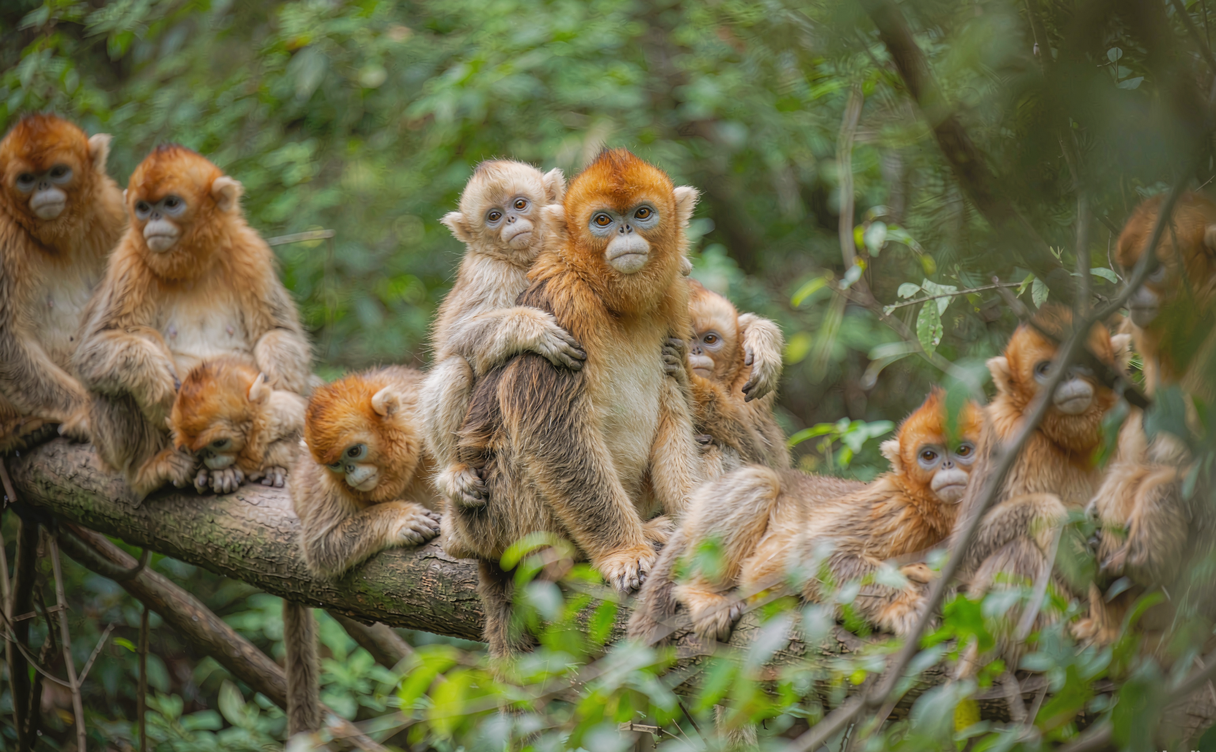
One of the most rewarding experiences in the range is Qinling golden snub nosed monkey trekking. These striking primates, with their blue faces and golden fur, live in troops high in the fir and spruce forests. The best place to observe them is the Zhouzhi National Nature Reserve, where a research station manages a semi-wild population that visitors can watch from a respectful distance.
Guided treks usually begin with a short hike to a viewing platform, followed by quiet observation as the troop moves through the canopy. Guides explain social behavior, diet, and the conservation story that brought the species back from the brink. Booking through an authorized operator protects both you and the monkeys.
Qinling Panda and Crested Ibis Reserves
Wildlife enthusiasts should not miss the Qinling panda and crested ibis reserves. The Qinling giant panda is a distinct subspecies, smaller and with a rounder face than its Sichuan relatives. The Foping National Nature Reserve is the most reliable spot to see them in the wild, though sightings require patience and a bit of luck.
The crested ibis, once thought extinct in the wild, was rediscovered near Hanzhong in the 1980s. Today, the wetlands around the city support a growing population. To plan that leg of your journey, consult our Hanzhong travel guide, which covers the best observation points and seasonal tips.
Taibai Mountain and Nearby Bases
The highest summit of the range, Taibai Mountain, rewards serious hikers with alpine meadows and glacial relics. Our Taibai Mountain guide details the multi-day route to the top for those ready for a challenge. For most visitors, the lower cable-car sections already deliver unforgettable panoramas.
The Qinling region also spreads across several prefectures, each with its own character. The eastern slopes fall within Shangluo travel guide territory, known for karst caves and riverside towns. Further south, the Ankang travel guide highlights forested valleys and the Han River, a tributary of the Yangtze.
Practical Tips for Your Visit
A successful Qinling trip blends preparation with flexibility. Wear layered clothing, because temperatures drop sharply with elevation. Bring sturdy shoes, rain gear, and a refillable water bottle. Mobile coverage is patchy on remote trails, so download offline maps before you leave the city.
Local food along the route deserves attention. Mountain villages serve wild mushroom hot pots, handmade noodles, and river fish. Staying overnight in a small guesthouse lets you catch the sunrise cloud sea without a pre-dawn drive.
For broader inspiration across the country, browse our best things to do in China collection, which pairs the Qinling range with other top destinations.
Conservation and Responsible Travel
The Qinling Mountains are a protected ecological zone, and visitor behavior matters. Stay on marked trails, never feed wildlife, and carry out all trash. Several reserves limit daily entries to reduce human pressure, so reserve permits in advance during peak season.
The Chinese government and UNESCO have recognized the area’s global value. You can read about the region’s status within the wider UNESCO Qinling biodiversity program for context on why these mountains deserve careful stewardship.
Ready to plan your mountain escape? Start with our complete Xi’an travel guide and build your itinerary from the ancient capital.
Sample Three-Day Itinerary
Day one: arrive in Xi’an, visit the city wall, and rest. Day two: take a morning train south and hike the lower Taibai trails, ending with a hot-spring soak. Day three: join a guided monkey trek or panda reserve visit before returning north. This relaxed pace suits first-time visitors and families.
Adventurous travelers can extend the trip with a multi-day Taibai summit hike or a southern loop through Hanzhong and Ankang. Either way, the Qinling mountains guide rewards those who slow down and look closely.
Want the full hiking route? Open our Taibai Mountain guide for trail maps, permits, and season-by-season advice.
Final Thoughts
The Qinling Mountains are more than a scenic backdrop. They are a living divide where north meets south, where cranes drift over cloud seas, and where some of the world’s rarest animals still roam free. Whether you come for a best Qinling hiking day trip from Xi’an or a week of reserves and ridgelines, the range leaves a lasting impression.
Plan with respect for the land, travel in the right season, and let the mountains surprise you. Few destinations combine wild nature and deep history so effortlessly.
Make the Qinling part of a bigger adventure and explore our best things to do in China for ideas that pair mountains, cities, and rivers.