

Nantong sits where the Yangtze River finally lets go of the land and spills into the Yellow Sea, a meeting point that gives the city a kitchen found almost nowhere else in China. On our last visit we drove out to Rudong County before dawn and stood on a mudflat as diggers raked up clams by the bushel; by lunch those same clams were steamed at a roadside table for RMB 30 a plate. This Nantong food guide comes from trips like that, and from the travelers we have routed through this underrated corner of Jiangsu.
Why Nantong eats at the river mouth
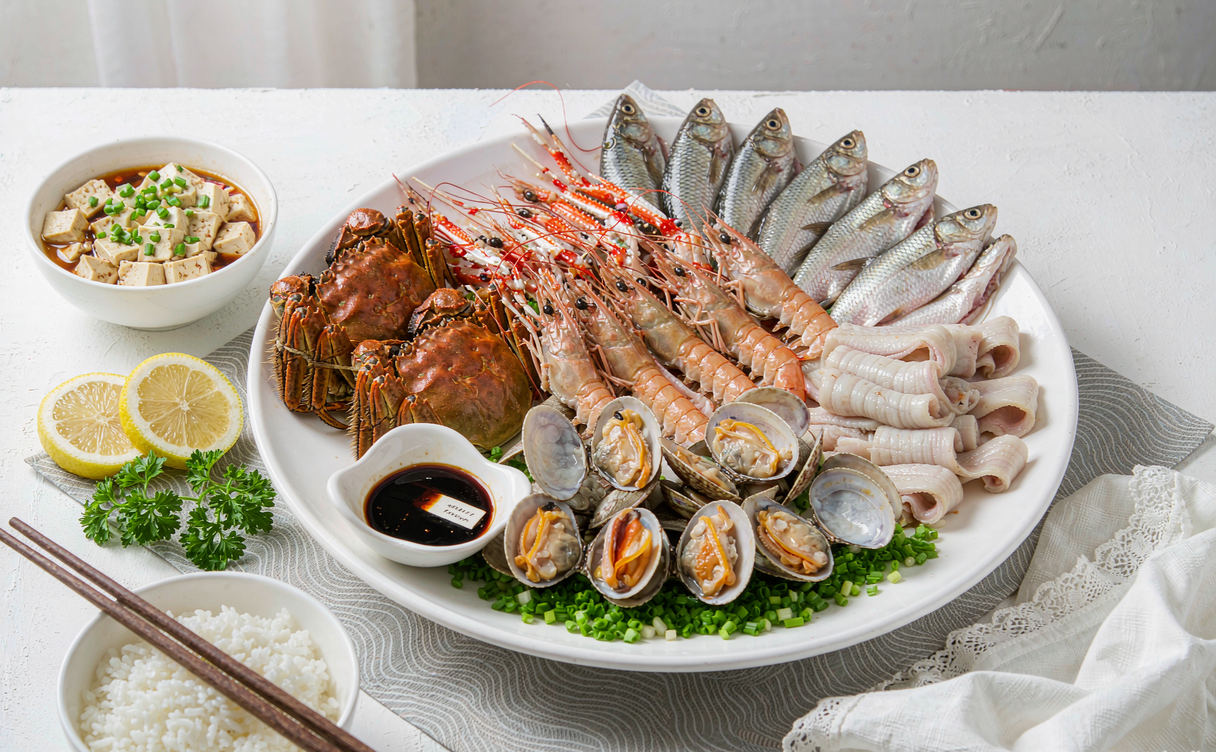
Most visitors know Jiangsu for the refined Huaiyang cooking of Yangzhou and the sweetness of Suzhou, but Nantong lives at the seam of river and sea. Locals call it the land of the three fresh (三鲜): sea fresh from the Yellow Sea, river fresh from the Yangtze, and lake fresh from the inland ponds. That blend means a single Nantong menu can carry ocean scallops, river pufferfish and pond eel without anyone blinking.
What to eat in Nantong is best understood as a question of source. The city’s chefs care less about heavy sauce than about catching the right creature at the right moment, then doing as little as possible to it. For travelers building a wider food journey, Nantong is the raw-material stop that explains why Jiangsu cuisine prizes freshness above all.
The clam capital of China
Rudong County, an hour north of the city center, bills itself as the clam capital of China (中国文蛤之乡), and the claim is fair. The local wen’ge (文蛤) clams are sweet, tender and clean, steamed with a little ginger and Shaoxing wine or stir-fried with greens. A restaurant plate runs RMB 30 to 60 (USD 4 to 8), and bought live at the source it is closer to RMB 12 (USD 2) a jin. We have sent travelers to the coastal towns of Rudong just to eat clams on the half shell within an hour of the dig, which is about as fresh as Chinese seafood gets.
The clams are the easy entry point of Nantong seafood, and the harder one is pufferfish, which is worth the detour for the story alone.
Pufferfish, handled with respect
Nantong is one of the few places where farmed river pufferfish (河豚, hetun) is served legally and safely, after licensed chefs remove the toxic organs. The meat is poached in a light broth or braised with greens, and the skin, chewy and gelatinous, is the delicacy locals fight over. A full pufferfish meal for one runs RMB 200 to 400 (USD 28 to 55) depending on size and season; it is the splurge of Nantong cuisine and a genuine highlight of eating here.
We only book pufferfish at licensed restaurants with a certified chef on staff, because that certification is the entire point. The dish is safe when handled correctly and is a centerpiece of Nantong food, but we never treat it as casual street food, and we tell travelers to ask for the license before ordering.
Other river-mouth specialties
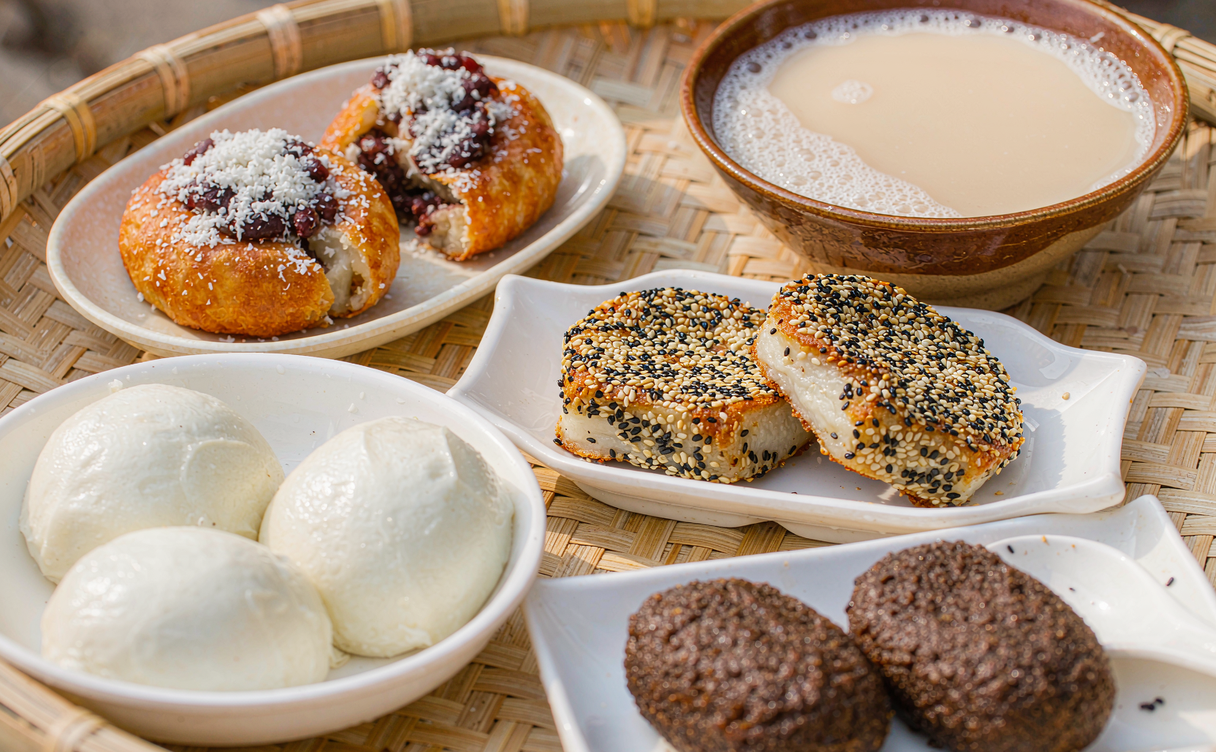
Beyond clams and pufferfish, Nantong’s table carries a handful of dishes worth planning around. Rugao ham (如皋火腿) is a dry-cured leg from the county of the same name, saltier and firmer than Jinhua ham, used to deepen soups and bean curd. Haimen mutton (海门羊肉) is a winter dish, braised or hot-potted, and far more aromatic than northern mutton. Baipu tea-dried tofu (白蒲茶干) is a firm, smoked square eaten as a snack or cooked with vegetables. The city’s crispy cakes (南通脆饼) and sesame-wrapped walnut cakes (嵌桃麻糕) make good travel sweets.
Prices for the everyday versions are modest. A clam or tofu dish is RMB 28 to 48 (USD 4 to 7); a mutton hotpot for two is RMB 120 to 180 (USD 17 to 25). The pufferfish is the one item that pushes a bill up, and most travelers treat it as a one-night event rather than a daily habit.
Night markets and street snacks
Nantong is not a late-night city on the scale of Chengdu, but its old town and the areas around Haohe (濠河) creek have modest night stalls selling fried cakes, soy milk and small skewers. The best food in Nantong for a casual evening is a bowl of wontons or a plate of tea-dried tofu with a local beer, costing under RMB 40 (USD 6) all in. We point travelers toward the creek-side stretch because it is walkable after dinner and stays open later than the inland blocks, which keeps the evening relaxed.
For travelers comparing regions, our Huaiyang cuisine guide lays out how Nantong’s river-mouth style fits inside the wider Jiangsu tradition, and it pairs well with a Yangzhou or Suzhou stop on the same trip.
Best seasons and timing
The strongest window is September through November, when the Yellow Sea shellfish fatten and the weather is mild. Spring, March to May, used to be pufferfish and river-shad season, though fishing bans now limit wild catch and most pufferfish is farmed year-round. We check the season before booking, because the river’s mood changes what is on the menu more than any chef’s preference, and a few weeks shifts both price and selection.
Getting there
Nantong is close to Shanghai, about 1 to 1.5 hours by high-speed rail, and roughly 2 hours from Nanjing. If you are arriving from farther out, our China high-speed train guide for foreigners explains ticketing and onboard food. Nantong Xingdong Airport (NTG) has domestic flights, and the city pairs naturally with Suzhou on a lower-Yangtze route we run often, because the two cities show the sweet and the savory ends of Jiangsu in one loop.
Where we send people
The best restaurants in Nantong for a first visit are the licensed pufferfish houses in the city and the clam tables in Rudong, which we book on the same trip. The contrast teaches the region faster than any menu explanation. We avoid the generic hotel buffets and instead use family places where the owner sources from the morning market, because that direct line from flat to plate is the whole point of eating here, and it shows in the texture of every clam.
A sample eating day
We suggest this rhythm to newcomers. Morning: drive to Rudong and eat clams at the source. Lunch: a pufferfish broth at a licensed city house. Afternoon: walk Haohe creek and snack on tea-dried tofu. Dinner: a Haimen mutton hotpot for two. It is a full day but never rushed, and it covers the signature range of the local table without repeating a flavor.
Background and authority
For the geography of the Yangtze estuary and its role in Jiangsu’s food, the Wikipedia entry on Nantong is a clear, neutral reference we give travelers who want the lay of the land before they eat.
Final bites
Nantong is the kind of food city that rewards a detour. It does not shout, and its best dishes are humble clams and firm tofu rather than famous feasts. But eat here once and the rest of Jiangsu suddenly makes sense, because you have seen the river and the sea on the same table, and that view changes how you read every menu in the province.