

Liupanshui sits in the western highlands of Guizhou Province, at an altitude that keeps it cool even in midsummer, which is exactly why it earns the nickname China’s Cool Capital. A practical Liupanshui travel guide should begin with that climate: while much of southern China swelters in July and August, this city stays breezy and green, drawing domestic travelers who want a real summer escape. Around it rise the rolling grasslands of the Wumeng Highlands, home to alpine meadows, wind farms, and ethnic Miao and Yi villages. If you are exploring the province, pair this stop with the Guiyang travel guide and the Anshun travel guide, then add the Guizhou Huangguoshu Waterfall for a classic sight nearby.
How to Get to Liupanshui
High-speed trains connect Liupanshui with Guiyang in roughly one and a half to two hours, making the highlands an easy continuation of a Guizhou trip. Services also run toward the south and west, linking the city with wider Yunnan and Sichuan networks. If you are flying in, Guiyang Longdongbao Airport is the usual gateway, followed by the rail hop northwest. Knowing how to get to Liupanshui is mostly a matter of booking the Guiyang connection in advance during summer, when the cool-weather reputation fills trains with domestic holidaymakers. Local transport within the city is a mix of buses and ride-hailing, and reaching the grasslands usually means a hired car or a tour van from the center.
Best Time to Visit Liupanshui
The standout season is summer, from June to August, when the China Cool Capital summer escape draws visitors escaping the heat of the lowlands. Days are mild and nights are cool enough for a light jacket, a rare comfort in southern China. Spring and autumn are also pleasant, with wildflowers across the meadows in spring and clear hiking weather in autumn. Winter brings cold, sometimes icy roads on the highlands, but also fewer crowds and a stark beauty. Because the grasslands are the main attraction, aim for a dry window so the trails and viewpoints stay open.
Top Things to Do in Liupanshui
Wumeng Grassland, Guizhou
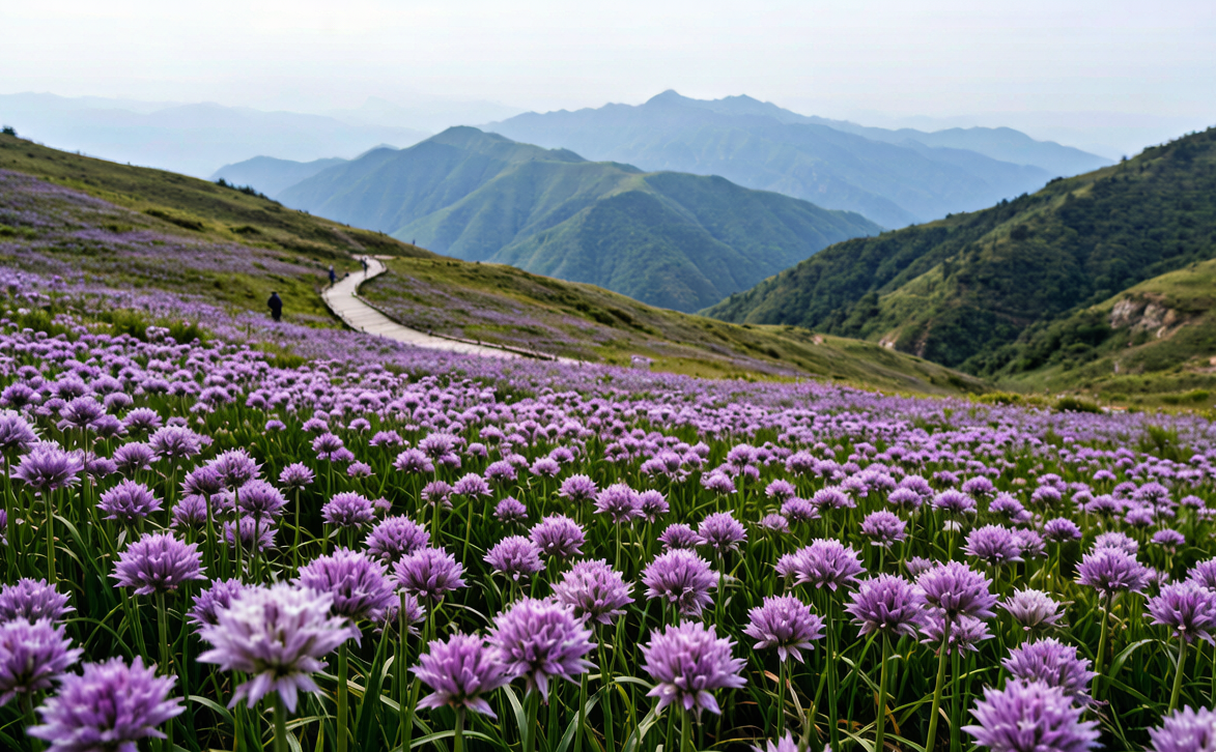
The headline destination is the Wumeng grassland, Guizhou’s high plateau of sweeping slopes, sheep pastures, and spinning wind turbines. At above two thousand meters, the air is crisp and the views run to the horizon, with seasonal flowers painting the meadows in late spring. Visitors ride horses, walk the ridges, and watch the sunset from the high points. This is one of the best things to do in Liupanshui for travelers who want open sky after the gorges and cities of the lowlands. Bring a layer even in summer, because the wind drops the temperature quickly after sunset.
Meihuashan and the Cable Car
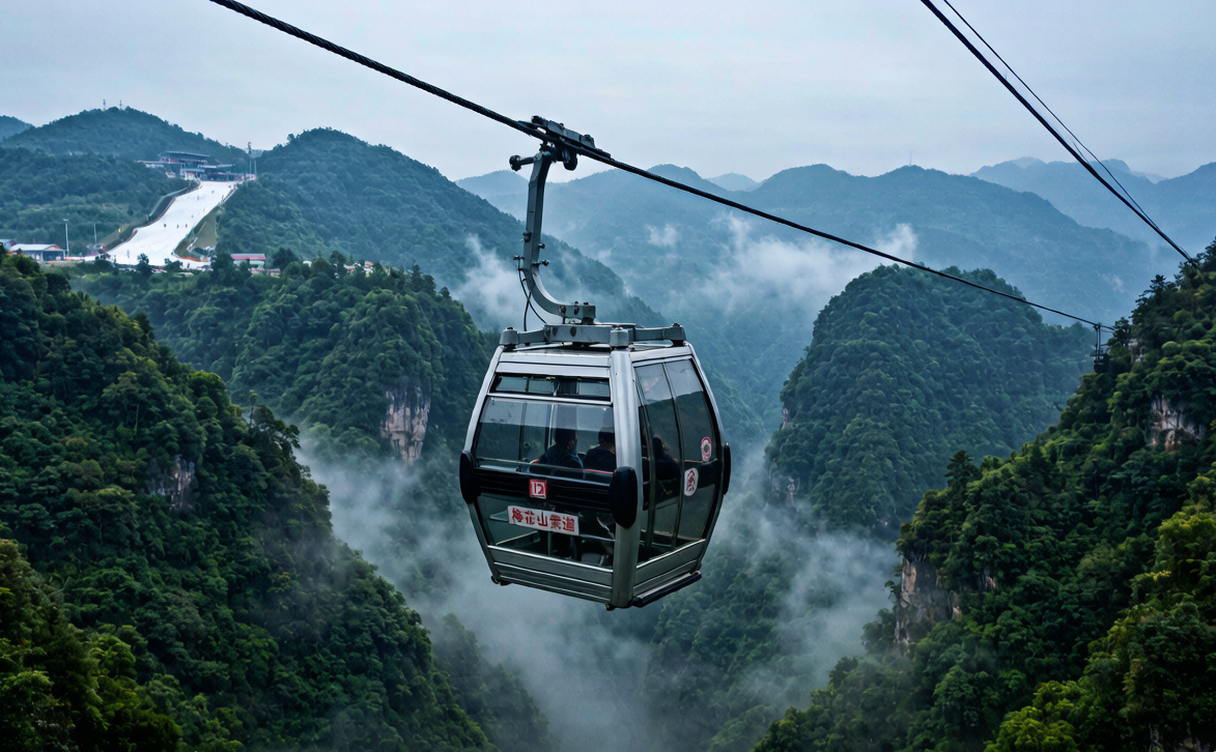
Just outside the city, Meihuashan offers a long cable car ride over forested valleys and a mountain park with viewpoints and a glass walkway for the bold. On clear days the ride shows the layered hills that define the region, and the summit teahouses are a calm reward. The area is easy to reach by bus or taxi and works well as a half-day outing when you want altitude without a long drive to the grasslands.
Ethnic Villages and Local Life
The highlands around Liupanshui are home to Miao and Yi communities whose embroidery, silverwork, and festival dress add color to the green landscape. Small villages welcome curious visitors with demonstrations of weaving and song, especially around harvest festivals. Spending time in a village turns the scenery into a story of the people who keep these traditions alive. Ask before photographing people, and consider buying handicrafts directly to support the makers.
Liupanshui Culture and the Highland Identity
Life in Liupanshui moves to a highland rhythm shaped by cool weather, mining history, and mountain agriculture. The city grew with coal and industry, but tourism now leans on its climate and scenery, rebranding as a retreat rather than a factory town. Ethnic culture remains strong in the surrounding counties, where Miao and Yi festivals mark the agricultural year with music and dance. Understanding this mix of industry and highlands helps explain why the food is hearty and the welcome is unpretentious. The city’s mining past left a practical, no-frills character that visitors often find refreshing after polished tourist towns, and the newer eco-tourism push has cleaned the rivers and opened the hills to walkers. Festivals still mark the farming calendar, and a market day in the surrounding counties is the best place to feel the highland social rhythm.
Where to Stay in Liupanshui
Most visitors stay in the city center, where practical hotels put you near transport and the road to Meihuashan. For the full grassland experience, a few lodges and guesthouses near the plateau let you wake above the clouds, though options are simpler than in Guiyang. Book ahead in July and August, when the China Cool Capital summer escape is at its peak. If you prefer city comfort, base in Guiyang and make Liupanshui a one- or two-night loop using the fast train.
A Sample Liupanshui Itinerary
A relaxed two-day Liupanshui itinerary starts with a morning train from Guiyang, an afternoon on Meihuashan’s cable car, and a hotpot dinner in the city. Day two is devoted to the Wumeng grassland: leave early, spend the day on the ridges and villages, and return for a final night. Travelers with more time can add the Guizhou sour soup guide food hunt or extend west to the Xingyi travel guide and the Guizhou Fanjingshan for a fuller highland route. This plan keeps transfers short and the air cool.
Food and Drink in Liupanshui
Highland Guizhou food is warming and sour, built around the famous sour soup hotpot, smoked pork, and pickled vegetables that cut the cool-air appetite. The Guizhou sour soup guide explains the tomato- and rice-based broths that define the region’s table, and Liupanshui serves its own versions with local herbs. Street snacks include roasted potatoes, glutinous rice cakes, and sweetened tofu, while the tea is simple and warming. Evening food streets are the place to graze, and portions are generous enough to share among a table of travelers.
Costs and Practical Tips
Liupanshui is affordable, with cheap trains, modest hotels, and hearty low-cost meals. Mobile payment dominates, so set up a payment app, though larger hotels take cards. English is limited, so a translation app and offline maps are essential, and booking grassland transport a day ahead avoids scrambling. Carry your passport for train tickets and hotel check-in, and always pack a warm layer, because the altitude makes evenings cold even in July. Budget travelers will find the highlands friendly to the wallet, with guesthouse nights and village meals costing a fraction of big-city prices. Local markets sell dried mushrooms, wild honey, and embroidered cloth at fair rates, and a hired car split among a small group makes the grassland trip economical rather than costly.
Conclusion
Liupanshui is Guizhou’s cool, green counterpoint to the busy lowlands, offering grassland horizons, cable-car valleys, and a genuine highland escape. For context on the province’s sacred peaks, see the UNESCO overview of Fanjingshan in Guizhou at UNESCO World Heritage: Fanjingshan.