

Qinzhou lies on the coast of Guangxi Zhuang Autonomous Region, west of Beihai and south of Nanning, and offers a gentler, greener face of southern China. A thoughtful Qinzhou travel guide should lead with its three signatures: the endangered Indo-Pacific humpback dolphins that turn pink in the bay, the dense mangrove forests that shelter coastal wildlife, and the Nixing clay pottery crafted here for centuries. Visitors come for nature and craft rather than big sights, and the city rewards patient travelers with quiet waterways and hands-on workshops. If you are building a Guangxi coastal route, connect this stop with the Nanning travel guide and the Beihai travel guide, then consider the Weizhou Island guide for a beach extension.
How to Get to Qinzhou from Nanning
The simplest answer to how to get to Qinzhou from Nanning is the high-speed train, which covers the roughly 130 kilometers in about one hour, with frequent departures through the day. Tickets are cheap, and Qinzhou East Station sits a short taxi ride from the city and the boat piers for dolphin tours. If you are coming from the coast, trains and buses also link Qinzhou with Beihai in under two hours. Flights into Nanning or Beihai are the usual entry points for foreign visitors, after which the rail connection makes the rest easy. For a broader sweep, the Zhanjiang travel guide covers the next coastal city west, while the Chongzuo travel guide adds karst and border scenery inland.
Best Time to Visit Qinzhou
The dry, cool months from November to March are best for comfortable exploring and calm seas for dolphin watching. Dolphin sightings are possible year-round, but the gentler winter and spring winds make boat trips smoother and the mangroves more pleasant to walk. Summer is hot, humid, and rainy, with the chance of typhoons that suspend boat tours. Because the wildlife is the main draw, timing your visit for stable weather directly improves what you will see.
Top Things to Do in Qinzhou
Sanniang Bay and the Pink Dolphins
The headline experience is a boat trip from Sanniang Bay to see the Indo-Pacific humpback dolphins, which earn their pink color from blood vessels near the skin and from scarring as they age. Trips leave in the morning when the water is calmest, and responsible operators keep a respectful distance so the animals are not stressed. This is one of the most memorable things to do in Qinzhou, especially for travelers who have never seen wild dolphins in Asia. Bring binoculars, a hat, and a camera with a fast lens, and accept that wildlife is never guaranteed.
Mangrove Forests and Coastal Wetlands
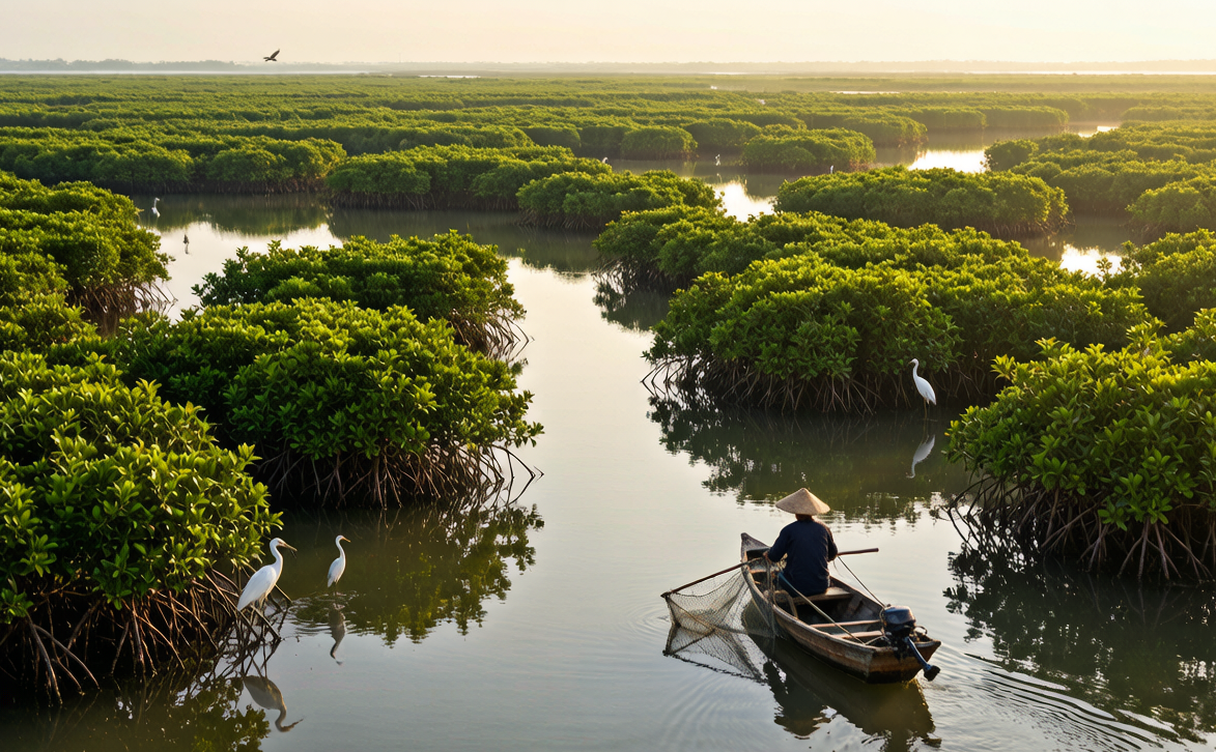
North of the bay, extensive mangrove forests form a nursery for fish, crabs, and shorebirds, and raised boardwalks let you walk above the mudflats without disturbing them. Early morning and late afternoon are best for birdlife, and the cool shade of the mangroves makes for an easy half-day outing. The wetlands also show how Qinzhou balances fishing tradition with conservation, a theme repeated across the Guangxi coast. Guided walks explain the ecology in basic terms, useful when signage is limited.
Nixing Clay Pottery
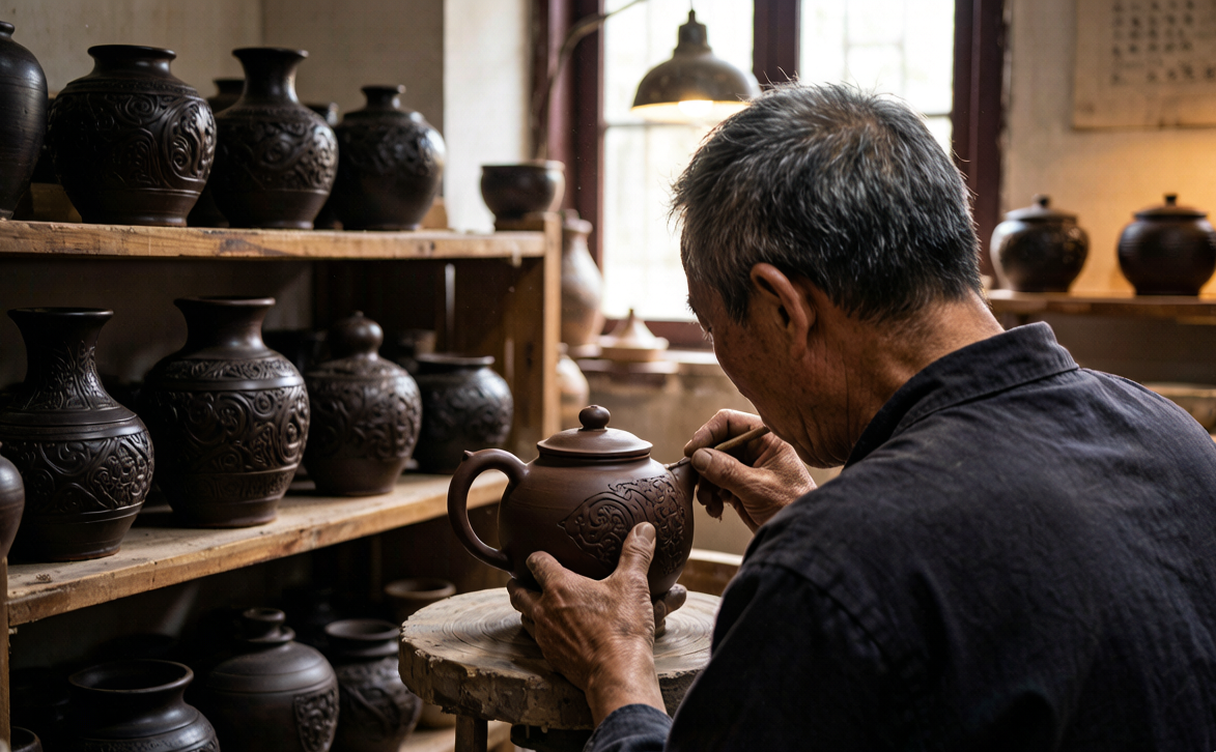
Qinzhou is famous for Nixing pottery, one of China’s celebrated clay traditions, made from a local purple-red clay and fired to a warm, matte finish. The Nixing pottery Guangxi craft can be seen at workshops and a dedicated museum in the city, where you can watch throwing, carving, and kiln firing, and even try a small piece yourself. Finished teapots and cups make excellent, packable souvenirs, and the earthy clay is prized for brewing tea. Spending an hour here turns a craft name into a real understanding of the local material culture.
Qinzhou Culture and History
Qinzhou sits at the meeting point of Han Chinese and Zhuang cultures, and that blend shows in its festivals, food, and music. The coastal setting has long supported fishing communities whose calendars still follow the tides, while the inland hills grow the crops that feed the city. Temple fairs and folk opera appear during major holidays, and the pace of life is noticeably slower than in Nanning or Beihai. Learning a little about Zhuang embroidery and song traditions adds depth to a visit that might otherwise focus only on nature.
Where to Stay in Qinzhou
Most visitors stay in the city center, where practical hotels put you near the pottery museum, the food streets, and the road to Sanniang Bay. For a closer-to-nature stay, a few guesthouses near the bay offer early access to the morning boat departures. If you prefer resort comfort, base yourself in Beihai and treat Qinzhou as a day trip, though staying overnight lets you catch the calmer dawn dolphin tours. Book boat trips through your hotel or a reputable operator to avoid informal sellers at the pier.
A Sample Qinzhou Itinerary
A practical two-day Qinzhou itinerary begins with a morning train from Nanning and a visit to the Nixing pottery museum in the afternoon, followed by a seafood dinner. Day two starts early for the Sanniang Bay dolphin boat trip, then continues to the mangrove boardwalks before an evening return. Travelers with more time can add a third day linking Beihai and Weizhou Island guide beaches. This rhythm balances wildlife, craft, and rest without long transfers.
Food and Drink in Qinzhou
Coastal Qinzhou eats from the sea: steamed fish, mud crabs, prawns, and oysters appear at every table, often simply cooked to keep the sweetness. The city is also known for its rice noodles and for slow-cooked broths that reflect both Cantonese and Guangxi influences. Pair any meal with local tea served in the Nixing clay cups you can buy the same day. Night markets are the best place to graze on grilled shellfish and sticky rice snacks, and the Guilin Yangshuo travel guide offers a northern Guangxi food contrast if your route continues that way. Arrive hungry, because portions are generous and the seafood is remarkably fresh.
Costs and Practical Tips
Qinzhou is budget-friendly. Trains, local meals, and boat tours all cost less than in Beihai, and the pottery makes affordable, distinctive gifts. Mobile payment is standard, so prepare a payment app, though hotels and tour desks may take cards. English is limited, so a translation app and offline maps are essential, and booking dolphin tours a day ahead avoids disappointment when weather cancels departures. Carry your passport for train tickets and hotel check-in, and bring motion-sickness remedy if you are sensitive to small boats. Budget travelers can keep costs low by eating at harbor-side stalls rather than hotel restaurants, where the same crabs and oysters cost a fraction of the price. The mangrove boardwalks and the pottery museum are cheap or free, so a full day of nature and culture need not be expensive.
Conclusion
Qinzhou is a calm coastal escape built around wild dolphins, living mangroves, and a pottery tradition you can watch being made. For context on Guangxi’s remarkable cultural landscapes, see the UNESCO overview of the Zuojiang Huashan Rock Art in the region at UNESCO World Heritage: Zuojiang Huashan Rock Art Cultural Landscape.