

Jieyang sits in the eastern corner of Guangdong Province, part of the Chaoshan region that also includes the better-known cities of Chaozhou and Shantou. A good Jieyang travel guide should explain its appeal right away: this is the quiet third point of the Chaoshan food triangle, a place where the same celebrated cuisine is served with less crowds and lower prices. Visitors come for the temples, the riverside old town, and above all the food, from briny oyster omelets to slow-simmered beef hotpot. If you are already exploring the area, link your trip with the Chaozhou travel guide and the Shantou travel guide, then dig deeper into local flavors with the Chaozhou food guide.
How to Get to Jieyang
Most travelers arrive through Jieyang Chaoshan International Airport, which serves the whole region and connects to major Chinese cities. Knowing how to get to Jieyang airport is straightforward: flights arrive from Guangzhou, Shenzhen, and Shanghai, and a dedicated high-speed rail link runs from the airport area to Jieyang, Chaozhou, and Shantou within minutes. The region’s rail hub, Chaoshan Station, sits between the three cities and puts all of them within a short taxi or local train ride. If you prefer ground travel, the China high-speed train guide for foreigners explains ticketing and passport rules that make the journey simple. Buses also run from the Guangzhou travel guide route, though the train is faster and more comfortable for most visitors.
Best Time to Visit Jieyang
The cool, dry season from October to March is the most comfortable time to visit, with mild temperatures and lower humidity. Spring festivals, especially around Lunar New Year, bring the region alive with temple fairs and lion dances, though hotels book up early. Summer is hot, humid, and prone to typhoons, so outdoor wandering is less pleasant. Because Chaoshan food is best enjoyed at a relaxed pace, the gentle winter months are ideal for moving between teahouses and night markets without breaking a sweat.
Top Things to Do in Jieyang
Jieyang City God Temple and Old Town
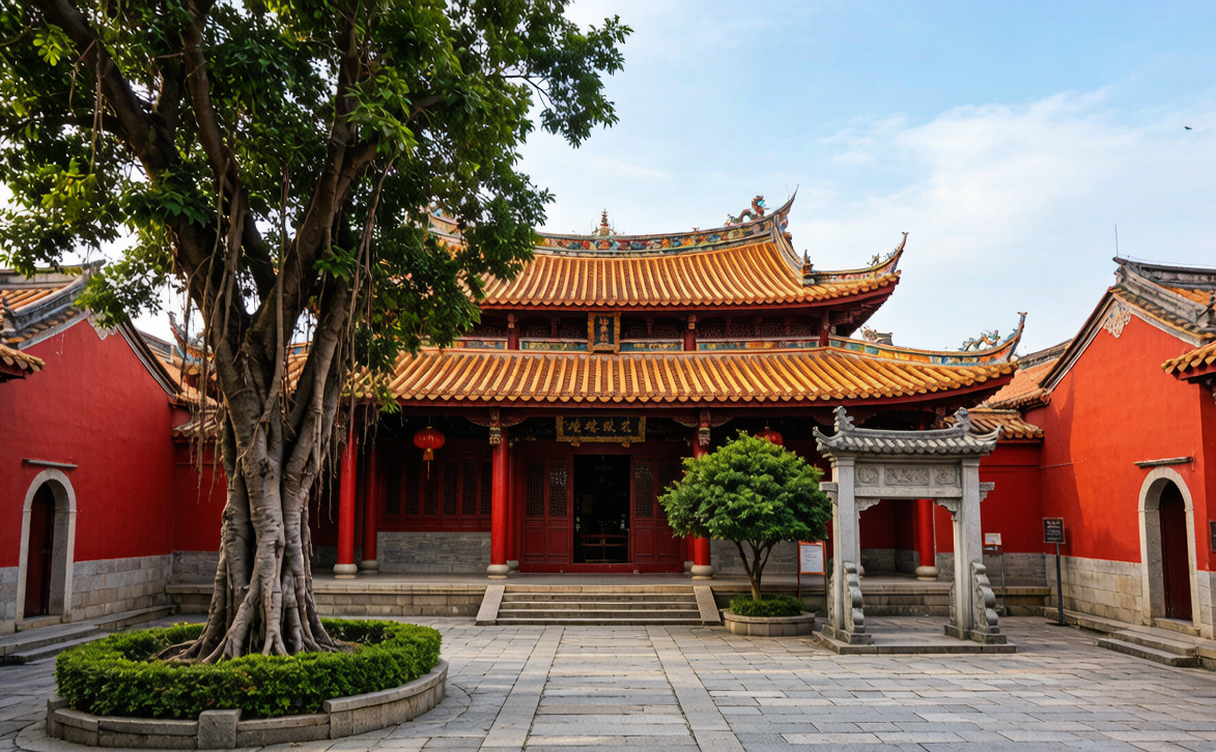
The centerpiece of the old town is the Jieyang City God Temple, a sprawling complex of carved beams, ceramic rooftops, and quiet courtyards that rewards a slow walk. Around it, the riverside streets preserve low old houses, ancestral halls, and small workshops where artisans still shape wood and stone. This is one of the most satisfying things to do in Jieyang for travelers who enjoy everyday heritage over staged attractions. Early morning is best, when locals practice tai chi on the riverbank and the incense smoke drifts through the temple gates.
Huangqishan and the Riverside Parks
The city’s green hills and the Rong River promenade offer easy escapes from the streets. Climb Huangqishan for a view over the rooftops, or simply stroll the riverside paths where evening crowds gather for exercise and snacks. These spaces show the local rhythm of life and cost nothing to enjoy. Bring a bottle of water and wear good shoes, because the steps can be slick after rain.
Day Trips Within Chaoshan
Jieyang makes a calm base for exploring the wider region. A short ride takes you to Chaozhou’s famous bridge and teahouses or Shantou’s polished waterfront, and the Cantonese food guide to dim sum helps you compare the neighboring Guangzhou style with the lighter Chaoshan approach. A well-planned Jieyang itinerary mixes one full day in the city with one or two easy day trips, keeping the pace gentle.
Jieyang Culture and the Chaoshan Identity
Chaoshan culture is distinct within Guangdong, with its own dialect, opera, and a deep tea ceremony tradition centered on gongfu tea. Locals take pride in craftsmanship, from intricate woodcarving to elaborate porcelain, much of it still made by hand. Understanding this identity helps explain why the food is treated with such care: Chaoshan cooking prizes freshness, knife skill, and clear broths over heavy sauce. Visitors who show interest in the tea ritual will often be invited to sit and share a pot, which is the warmest welcome the region offers.
Where to Stay in Jieyang
Budge a night in the city center, where mid-range hotels cluster near the old town and the river. Staying central puts you within walking distance of the best breakfast stalls and the evening food streets. If you want a more polished base, Shantou’s international hotels are only a short train ride away, but Jieyang’s lower prices and quieter streets are part of its charm. Book ahead during festival periods, when the whole Chaoshan region fills with returning overseas relatives.
A Sample Jieyang Itinerary
A relaxed two-day Jieyang itinerary starts with a morning at the City God Temple and a wander through the old town, followed by a beef hotpot lunch. Spend the afternoon on the riverside and Huangqishan, then finish with a teahouse session. Day two is for a day trip to Chaozhou or Shantou, returning to Jieyang for a final night-market crawl. This plan keeps the Chaoshan food triangle within reach without the stress of changing hotels every night.
Food and Drink in Jieyang
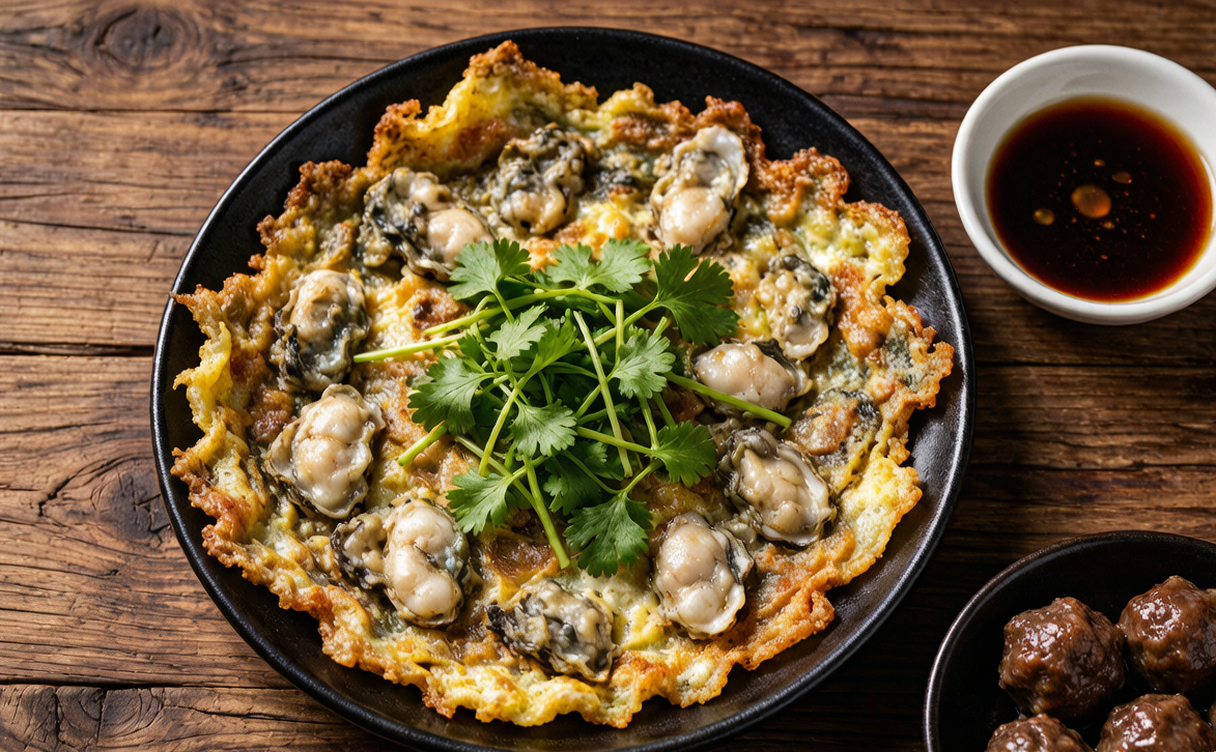
The headline dish is Jieyang beef hotpot, a build-your-own feast of paper-thin beef slices, brisket, and meatballs cooked seconds at a time in a clear broth, then dipped in a savory sesame-soy sauce. Beyond hotpot, seek out oyster omelets, rice noodle rolls, and sweet soups made with beans and taro. Gongfu tea is the constant companion, served in tiny cups throughout the day. For a deeper dive into the regional table, the Chaozhou food guide maps the shared dishes you will meet across all three cities. Street breakfasts are unmissable: look for rice congee with salted sides and fried dough sticks sold before eight in the morning.
Costs and Practical Tips
Jieyang is affordable. Comfortable hotels, hearty meals, and local transport all cost less than in nearby Shantou or Guangzhou, and the food is the best value of all. Mobile payment dominates, so set up a payment app before arrival, though larger hotels and airports take cards. English signage is limited, so a translation app is essential, and downloading offline maps saves frustration. Keep your passport for hotel check-in and train tickets, and expect relaxed opening hours at family-run eateries. Budget travelers can eat well for very little by following local crowds to the busiest stalls, where high turnover means fresh ingredients and low prices. Souvenirs such as small porcelain cups and packaged oolong teas are cheap and easy to carry, and bargaining here is mild rather than aggressive compared with bigger cities.
Conclusion
Jieyang is the easygoing complement to its louder Chaoshan neighbors, offering temples, riverfront life, and some of the best food values in Guangdong. For context on the region’s remarkable built heritage, see the UNESCO overview of the Kaiping Diaolou and Villages in Guangdong at UNESCO World Heritage: Kaiping Diaolou and Villages.