

This Chaozhou travel guide brings you to the cultural heart of the Chaoshan region in eastern Guangdong, a small, walkable city where an ancient bridge, a street of stone memorial arches, and the most meticulous cuisine in southern China have survived for centuries. If you are collecting things to do in Chaozhou that blend heritage with the best beef hotpot of your life, you have found the perfect stop. Chaozhou sits beside Shantou and makes a natural pair with it, while still feeling older, quieter, and more classical. Use this guide to eat slowly and wander slower.
Best Time to Visit Chaozhou
The best time to visit Chaozhou is autumn through spring (October to March), when the climate is mild and dry at around 18°C–25°C and the pace of the old town is most enjoyable. Summer is hot, humid, and prone to typhoons, with temperatures above 33°C and heavy rain. The cooler months are also ideal for the region’s signature hotpot and teahouse sessions. For a nationwide view, see our best time to visit China guide.
How to Get to Chaozhou
Chaozhou shares the Chaoshan Railway Station with Shantou, so a Chaozhou itinerary is simple to bolt onto a Guangdong or Fujian route.
- By high-speed train: Chaoshan Railway Station sits about 30 minutes by car from Chaozhou’s old town and is served by bullet trains from Guangzhou (around 3 hours), Shenzhen (about 2.5–3 hours), and Xiamen (roughly 1.5 hours). Tickets and schedules are on the official railway portal, China Railway (12306).
- By air: The nearest airport is Shantou Waisha International (SWA), about an hour away by express shuttle or taxi, with domestic connections across China.
- By road: Frequent trains, buses, and ride-hailing cars link Chaozhou with Shantou in under an hour.
New to Chinese rail? Our China high-speed train guide for foreigners walks through tickets, seats, and stations.
Top Things to Do in Chaozhou
Guangji Bridge
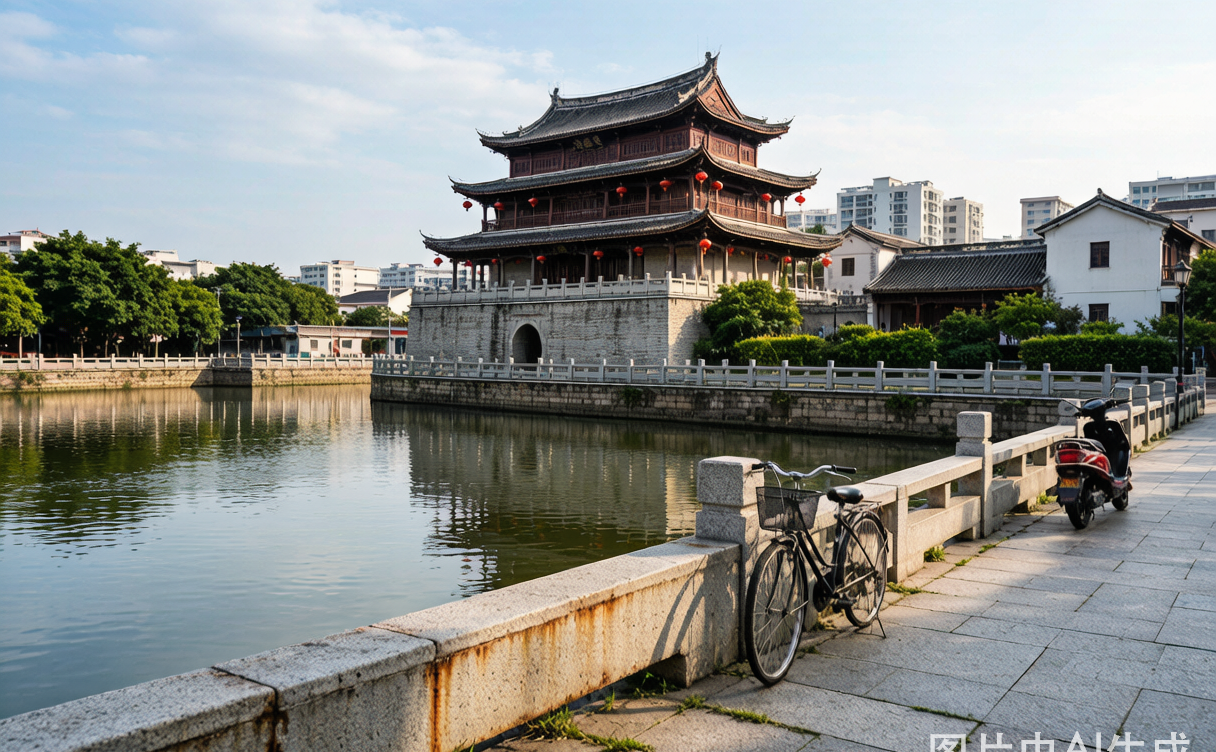
The Guangji Bridge is the star of any Chaozhou travel guide—an 800-year-old structure famous for its unique floating section of connected boats that is removed each night and reassembled each morning. Stretching across the Han River, it mixes stone piers, pavilions, and a drawbridge you can watch open for passing boats. Come at dusk when the bridge is lit and the river glows.
Archway Street and the Old Town
Behind the Guangji Gate, Archway Street (Paifang Jie) is lined with more than twenty stone memorial arches honoring scholars and officials, flanked by restored Ming-Qing shops selling teaware, woodcarving, and snacks. It is the most atmospheric walk in the city and the best place to feel Chaozhou’s scholar-merchant past.
Kaiyuan Temple
Founded in 738 AD, Kaiyuan Temple is a working Chan Buddhist monastery with serene courtyards, a towering wooden hall, and a famous ancient copper bell. The calm of its grounds is a welcome pause from the food crawl outside.
Chaozhou Museum and Woodcarving
The Chaozhou Museum displays the region’s famed intaglio woodcarving, porcelain, and embroidery, helping you understand why this small city punched above its weight in craft. The nearby ivory-and-wood galleries sell intricate souvenirs if you want a keepsake.
Phoenix Mountain and Dancong Tea
About two hours west, Phoenix Mountain (凤凰山) grows Phoenix Dancong (凤凰单丛), a prized oolong with dozens of aromatic profiles from orchid to honey. Tea farms offer tastings and sunrise sea-of-clouds views, a lovely day trip for any tea lover.
Chaozhou Travel Guide: Where to Stay
Most visitors stay inside or beside the old town, within walking distance of Guangji Bridge, Archway Street, and the night food stalls. Boutique guesthouses occupy restored courtyard homes, while mid-range chains line the main roads a short taxi ride out. Because the core is compact and pedestrian-friendly, a central stay means you can graze the snacks well into the night.
For a special stay, a few restored courtyard guesthouses inside the old town offer carved-wood rooms and a private tea nook, usually around ¥300–500 per night. International chains sit a short taxi ride out near the main roads and cost a bit more, but suit travelers who want English service and elevators. Either way, staying central means you can return to your room between snack stops.
Chaozhou Food and Local Specialties
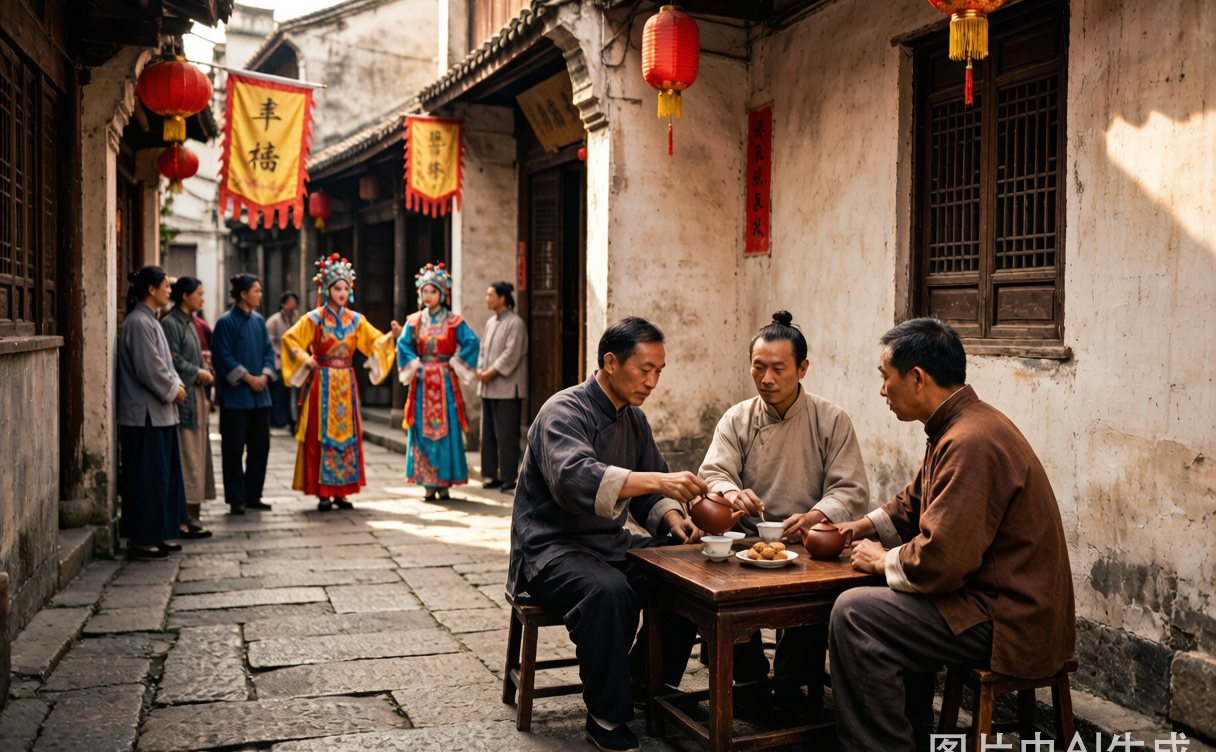
Chaozhou food is the city’s calling card, and the Chaozhou beef hotpot deserves its legend: ultra-fresh local beef sliced to order, dipped for seconds in a clean broth, and lifted out with a satay-chili dip, usually around ¥80–120 per person. Beyond hotpot, seek beef balls (牛肉丸), oyster omelet (蚝烙), braised goose (卤鹅), and Teochew congee (糜) with dozens of small sides. The Chaozhou food culture also prizes the Gongfu tea ceremony, a slow ritual of tiny cups that you can watch in any old-town teahouse. For a regional comparison, our Cantonese food guide shows the dim sum tradition just west in Guangzhou.
Save room for breakfast, too: rice congee with salted egg and pickles, or a flaky taro bun from a corner bakery, is how locals start the day. The teahouse ritual of Gongfu tea, with its tiny cups and repeated short steeps, is as much a part of Chaozhou hospitality as the food itself. Pair a sweet cake with a final cup and you will understand why Teochew tea culture travels with the diaspora worldwide.
Sample Chaozhou Itinerary
Day 1: Arrive from Shantou or the rail station, walk Archway Street and the Guangji Gate at dusk, then a beef hotpot dinner and a Gongfu tea session.
Day 2: Morning at Kaiyuan Temple and the museum, afternoon crossing Guangji Bridge and the riverside parks, evening snack crawl for oyster omelet and beef balls.
Day 3 (optional): Day trip to Phoenix Mountain for Dancong tea, or train on to Guangzhou for a wider Guangdong loop and more regional cuisine.
Chaozhou Travel Tips
- Tea etiquette: When offered Gongfu tea, accept with two fingers tapped on the table in thanks; never refuse a host’s first pour.
- Payment: Mobile pay dominates; Alipay and WeChat now accept linked foreign cards, but keep cash for tiny stalls.
- Getting around: The old town is best on foot; use ride-hailing for the rail station and Phoenix Mountain.
- Routing: Our China travel guide for first-timers covers visas and payments before you fly in.
Chaozhou Travel Guide FAQ
Is Chaozhou worth visiting if I am also going to Shantou?
Absolutely. The two are close but distinct: Shantou is coastal and modern, while Chaozhou is the older cultural core with the bridge, arches, and temples. Most visitors do both in a long weekend.
How many days do I need in Chaozhou?
Two days cover the bridge, old town, temple, and food at a relaxed pace; add a third for Phoenix Mountain tea country.
What makes Chaozhou beef hotpot special?
The beef is locally raised, slaughtered the same day, and sliced paper-thin so it cooks in seconds, with a clean broth that lets the meat shine. The Shanghai Yu Garden guide offers a different kind of old-town stroll if you head north.
When is the best season for Chaozhou?
October to March, when the dry, mild weather suits walking the old town and the hotpot tastes best.
In conclusion, this Chaozhou travel guide reveals a small city with an outsized cultural footprint, where an 800-year-old bridge still opens for boats and a bowl of beef hotpot is treated as craft. Wander the arches, sip Gongfu tea, and let Chaozhou convince you that the best of Guangdong often sits quietly in its eastern corner.