

Guiyang is the cool, hilly capital of Guizhou in southwest China, and I call it the smart traveler’s base camp for the province’s big sights — the giant Huangguoshu Waterfall, the Miao villages, and the misty peak of Fanjingshan. This Guiyang travel guide covers when to visit, how to arrive, what to see and eat in the city, where to stay, and a sample itinerary that branches out to the countryside. Often marketed as “Cool Guiyang,” it stays a comfortable 20–26°C even in mid-summer, with spicy-sour local food and a relaxed, affordable downtown that makes a great first taste of China’s minority-region southwest.
Content Preview
- [Best Time to Visit Guiyang](#guiyang-travel-guide-best-time-to-visit)
- [Top Things to Do in Guiyang](#top-things-to-do-in-guiyang)
- [How to Get to Guiyang](#guiyang-travel-guide-how-to-get-there)
- [Where to Stay in Guiyang](#where-to-stay-in-guiyang)
- [Sample Itinerary](#sample-itinerary)
- [FAQ](#faq)
Guiyang Travel Guide: Best Time to Visit
The best time to visit Guiyang is summer (June to August) if you want to escape the heat elsewhere, or spring (April–May) and autumn (September–October) for clear, green hiking weather. Summer days sit around 23–27°C with cool nights — I spent a July there sleeping with the window open while friends in Chengdu sweated through 38°C. Spring and autumn are my picks for day trips, with less rain and the terraced villages at their prettiest. Winter (December–February) is cold, damp, and foggy, often below 10°C, which can hide the mountain views, so I’d avoid it unless you specifically want empty sites and the lowest prices.
Avoid the May and October holidays if you want quiet roads to the waterfalls. For a wider regional plan, our China off-beaten-path guide maps Guiyang into a slower southwest loop beyond the usual cities.
Top Things to Do in Guiyang
A things to do in Guiyang plan mixes city sights with one or two easy escapes. These are the stops I send people to first.
Jiaxiu Tower
Jiaxiu Tower Guiyang is the city’s emblem: a three-story wooden pavilion on a stone base in the Nanming River, first built in the Ming dynasty and lit beautifully at night. Entry is free to the riverside park; the tower interior has a small exhibit (about ¥5). I go at blue hour, when the reflections on the water make the postcard shot, then walk the lit riverbank. It is the easiest “I was in Guiyang” photo and sits right in the center.
Qingyan Ancient Town
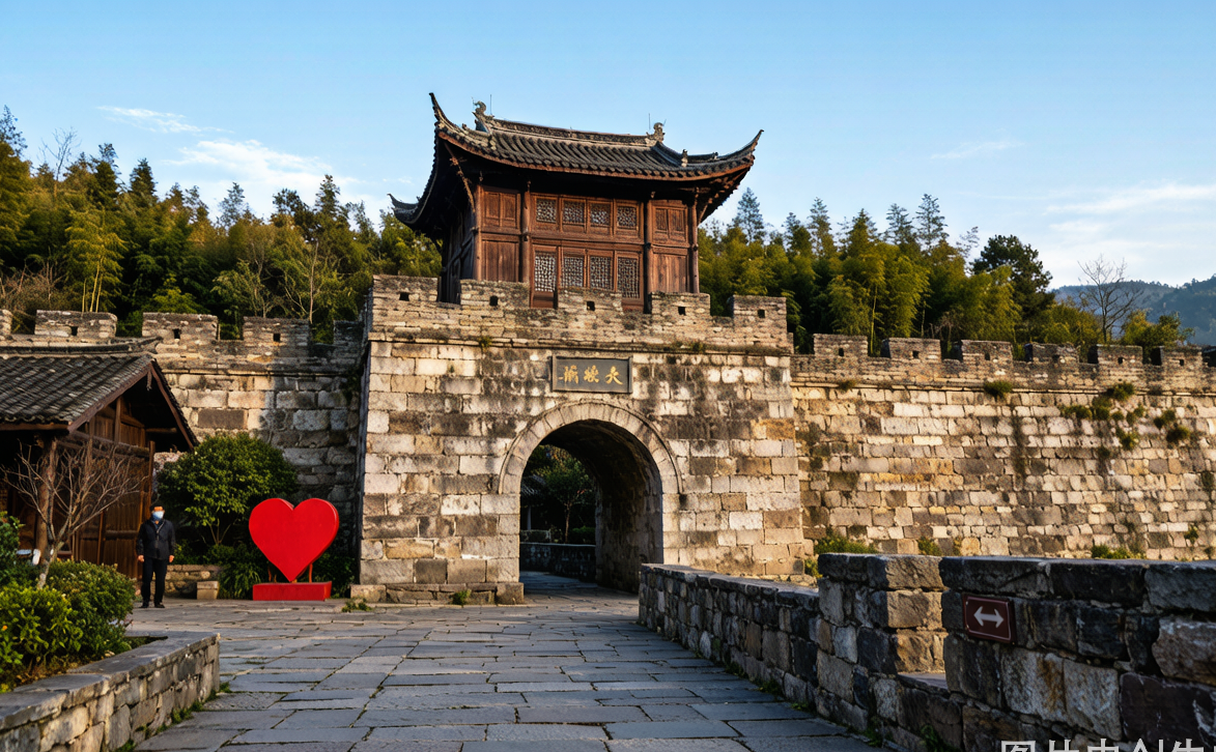
Qingyan ancient town Guiyang lies about 30 km south and is a walled Ming-era town of stone lanes, old gates, and roasted-pork stalls. Entry to the town is free; a combined ticket for the small museums is about ¥60. Give it half a day: the walls, the Catholic and Buddhist sites side by side, and the famous Qingyan braised pork (¥30 a portion) make it worth the trip. A DiDi from downtown takes about 40 minutes and costs roughly ¥60–80.
Qianling Park and the Macaques
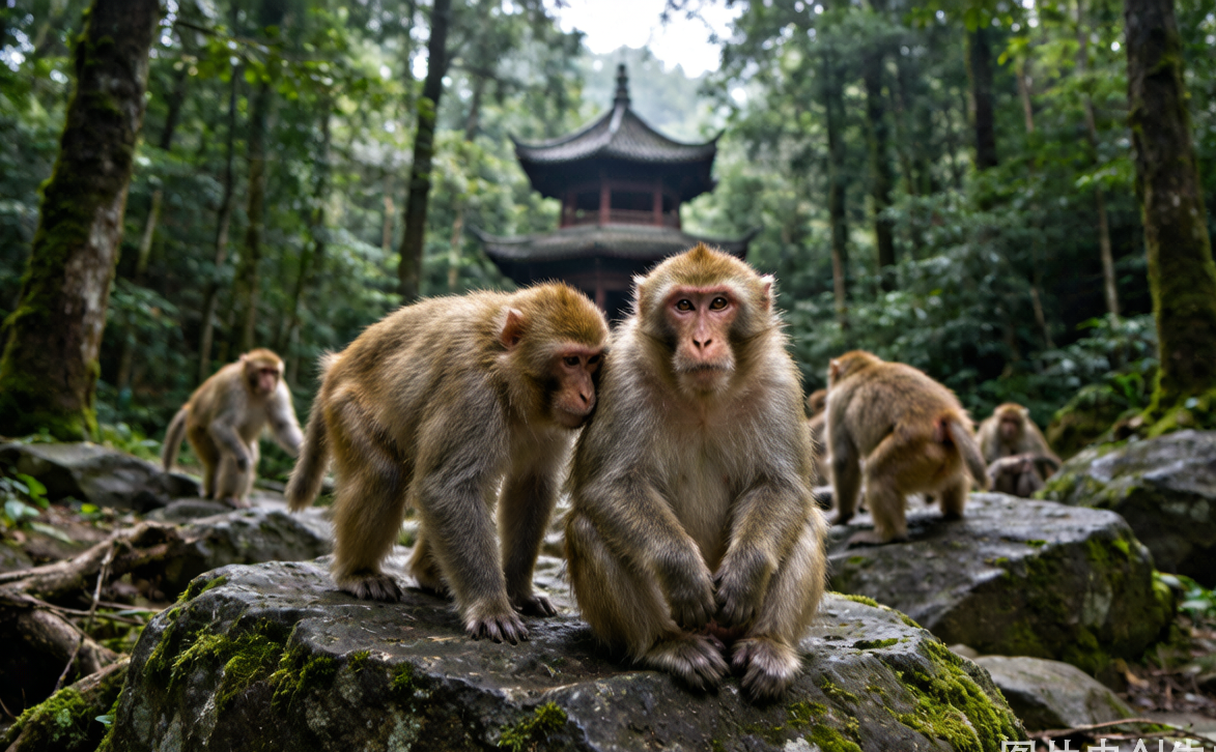
Inside the city, Qianling Park holds a hill, a lake, the Hongfu Temple, and a famous troop of wild macaques that beg (politely-ish) along the path. Entry is about ¥5. Climb to the temple for a city panorama — about 40 minutes up. Keep food hidden from the monkeys; I learned that the hard way with a bag of nuts.
Guiyang Food Street
A Guiyang food street crawl is a must: try the Huaxi beef noodles (¥12–18 a bowl), the siwawa (“swaddled baby” vegetable wraps), and tofu balls, best along Erqi Road or the night market near the riverside. The city’s signature is sour soup, and our Guizhou sour soup guide explains the fish and tomato versions and where to eat them. A street-food dinner for two runs about ¥60–100.
Guiyang Travel Guide: How to Get There
Guiyang is a high-speed rail hub for the southwest, with a growing list of direct city links. Note that train schedules and tickets are handled on China Railway’s system, but for the surrounding UNESCO sites I lean on official park pages.
| Mode | Route | Time | Cost (RMB) |
| — | — | — | — |
| High-speed train | Chongqing → Guiyang North | ~2 hrs | ¥130–210 |
| High-speed train | Chengdu → Guiyang North | ~3 hrs | ¥190–310 |
| High-speed train | Kunming → Guiyang North | ~2.5 hrs | ¥170–270 |
| High-speed train | Guangzhou → Guiyang North | ~4–5 hrs | ¥310–490 |
| Flight | Major hubs → Longdongbao Airport (KWE) | 2–4 hrs | ¥500–1,200 |
Within the city, the metro (Lines 1–3) links the train station, the airport bus, and the center; DiDi rides are cheap (most ¥10–25). If you are new to Chinese rail, our China high-speed train guide for foreigners covers real-name tickets and payments. For the headline nature trips out of town, the Guizhou Huangguoshu Waterfall is about 2 hours by bus or train southwest.
Where to Stay in Guiyang
Stay in the center near Jiaxiu Tower and Zhonghua Road: three-star hotels run ¥220–400 a night, with the river, food streets, and metro all walkable. The area by Guiyang North Station suits train-hoppers (¥250–450) but is less charming at night. Budget hostels and guesthouses start around ¥120 near the old town. I usually book central and day-trip out, since the city is the transport hub for every Guizhou highlight. Book ahead for summer and National Day, when cool-weather demand spikes. From here, the Xijiang Miao Village is a 2.5-hour drive to the country’s largest Miao settlement, and Guizhou Fanjingshan, a UNESCO World Heritage Site, makes a spectacular overnight peak climb.
Sample Itinerary
A flexible Guiyang itinerary of three days with day trips:
- Day 1 (City): Jiaxiu Tower at blue hour, Qianling Park macaques, dinner on the food street.
- Day 2 (Waterfall): Early train or bus to Huangguoshu, 4–5 hours at the falls, return to Guiyang.
- Day 3 (Village or peak): Day trip to Xijiang Miao Village, or an overnight to Fanjingshan for the sunrise above the sea of clouds.
If you have only one day, do the city sights and save the countryside for a return. Guiyang day trips are the real prize: within a half-day you can reach a waterfall wider than anything in the region or a mountainside of Miao stilt houses.
FAQ
Is Guiyang worth visiting for foreign tourists?
Yes — it is the easy, affordable gateway to Guizhou’s waterfalls, villages, and peak, with great food and cool summers.
How many days do I need in Guiyang?
Two to three days, including at least one day trip to Huangguoshu or a village.
What is Guiyang famous for?
Its cool climate, Jiaxiu Tower, Qingyan Ancient Town, and sour-soup cuisine.
How do I get from Guiyang to Huangguoshu Waterfall?
A bus or high-speed train to Anshun plus a short transfer, about 2 hours total; many visitors join a day tour.
When is Guiyang’s best weather?
June–August for cool summers, or April–May and September–October for clear trip days.