

I visited Liuhe Pagoda (六和塔) in October 2025 because I wanted a Hangzhou viewpoint that was not the West Lake postcard. The tower sits on Yuelun Hill above the Qiantang River, and I had read it was first built in 970 AD to calm the river’s tidal bore and to guide river traffic. This Liuhe Pagoda Hangzhou guide is from a half-day visit with the ticket I actually paid and the metro I actually took, written for travelers who want the city’s quieter, older side and a real sense of its river history.
How to get to Liuhe Pagoda
The pagoda is in the southwestern part of Hangzhou, on Yuelun Hill (月轮山) just off the south bank of the Qiantang River. I took Hangzhou Metro Line 4 to Zhejiang Caiyun Road (浙江财经大学) station, then walked about 15 minutes uphill, or you can grab a DiDi for a 10-minute ride. A few city buses (routes 4 and 308) also stop near the gate if you prefer surface transit. From the West Lake area, a DiDi runs about 25 minutes and costs RMB 25 to 40 depending on traffic. If you arrive by high-speed train at Hangzhou East Railway Station, the metro to the pagoda takes around 50 minutes on Line 4 with one change. Our China metro and subway guide explains how to use Alipay’s transit code, which I used to tap through every gate without buying a paper ticket.
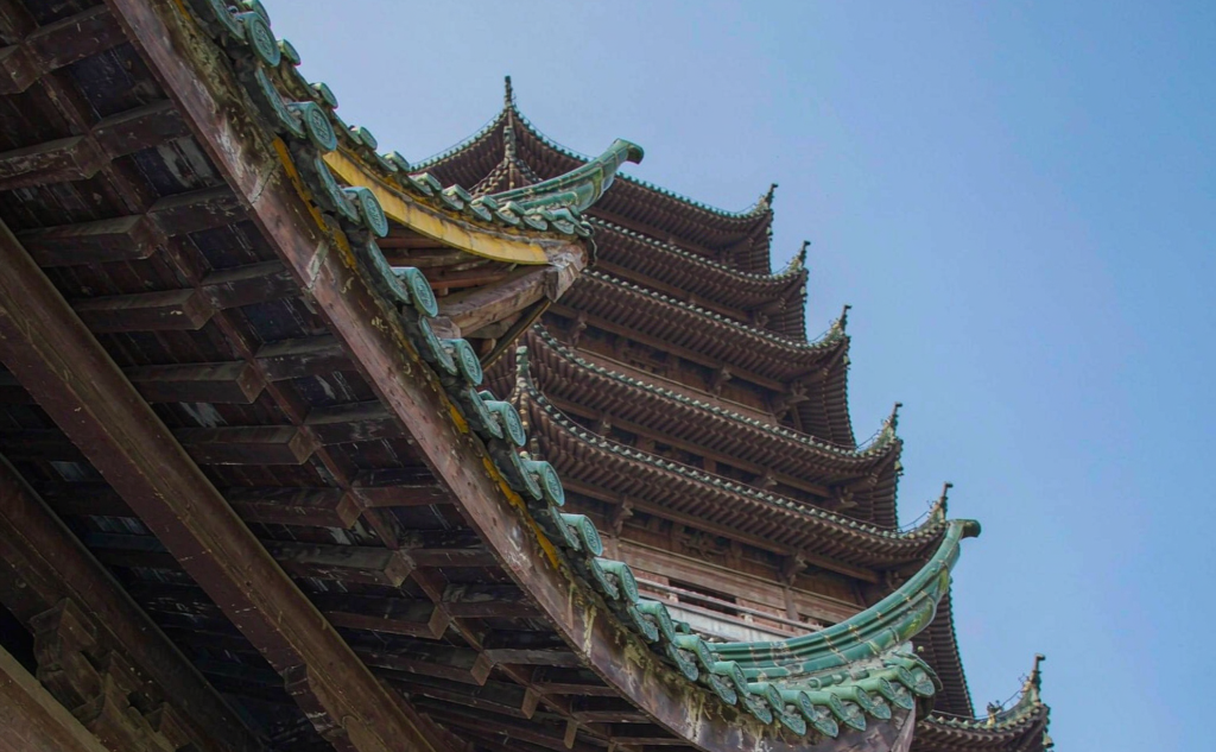
The Hangzhou travel guide places the pagoda as a half-day trip south of the lake, and I treated it exactly that way: lake in the morning, pagoda in the afternoon, which kept both spots uncrowded.
Best time to visit Liuhe Pagoda
Autumn (September to November) is the best window: clear skies, comfortable 18 to 26°C days, and the lowest chance of river fog hiding the view. I went in mid-October and the light off the water was excellent for photos. Spring (March to May) is also good, with the hills green and the osmanthus in bloom nearby along the paths. Summer is hot and humid, often above 35°C, and the climb is exposed with little shade; winter is cold, sometimes near 0°C, but uncrowded and atmospheric. The single most spectacular day to come is during the Qiantang tidal bore, which peaks around the 18th day of the 8th lunar month (usually September), when the river surges past the foot of the hill — but expect heavy crowds and road closures then.
The Liuhe Pagoda ticket and what you can climb
The base ticket for the park and the pagoda exterior grounds was RMB 30 in 2025. To climb the wooden interior stairs to the top viewing platform, I paid an extra RMB 20, so my total Liuhe Pagoda ticket came to RMB 50. The combined ticket is sold at the gate and on Ctrip; I bought at the window with Alipay in under two minutes and there was no queue on a weekday. Children under 1.2 meters enter free, and there are discounted rates for students with a valid ID (about half price on the base ticket). Opening hours were 06:30 to 17:30 in October, with last entry about 17:00; in summer the gate opens earlier, around 06:00, and closes at 18:00.
Inside, a stone-and-brick core is wrapped by seven stories of wooden eaves — though the interior staircase only reaches the top viewing level, you do not walk every roof tier. The steps are steep and the railings narrow, so take it slowly if you are with children or have bad knees. There is no elevator, and the upper deck is open to the wind, so hold onto your hat and your phone.
Things to do at Liuhe Pagoda
The climb is the main event, but there is more on the hill. The Hangzhou pagoda circuit usually includes a short walk through the bamboo-shaded temple yard at the base, where a small exhibition explains the pagoda’s role in marking the river and housing scriptures. I spent about 90 minutes total: 30 minutes climbing and on the top deck, 30 minutes in the yard and gardens, and 30 minutes just sitting on a bench watching cargo ships thread the Qiantang far below. There is a tea house near the gate if you want a pause, and the hillside path continues a little higher for a second, free viewpoint over the river bridges without paying again.
For history context, Liuhe Pagoda at Wikipedia has the construction dates and the Song-dynasty background I found useful before going, especially the note that the present wooden exterior mostly dates from a 12th-century reconstruction.
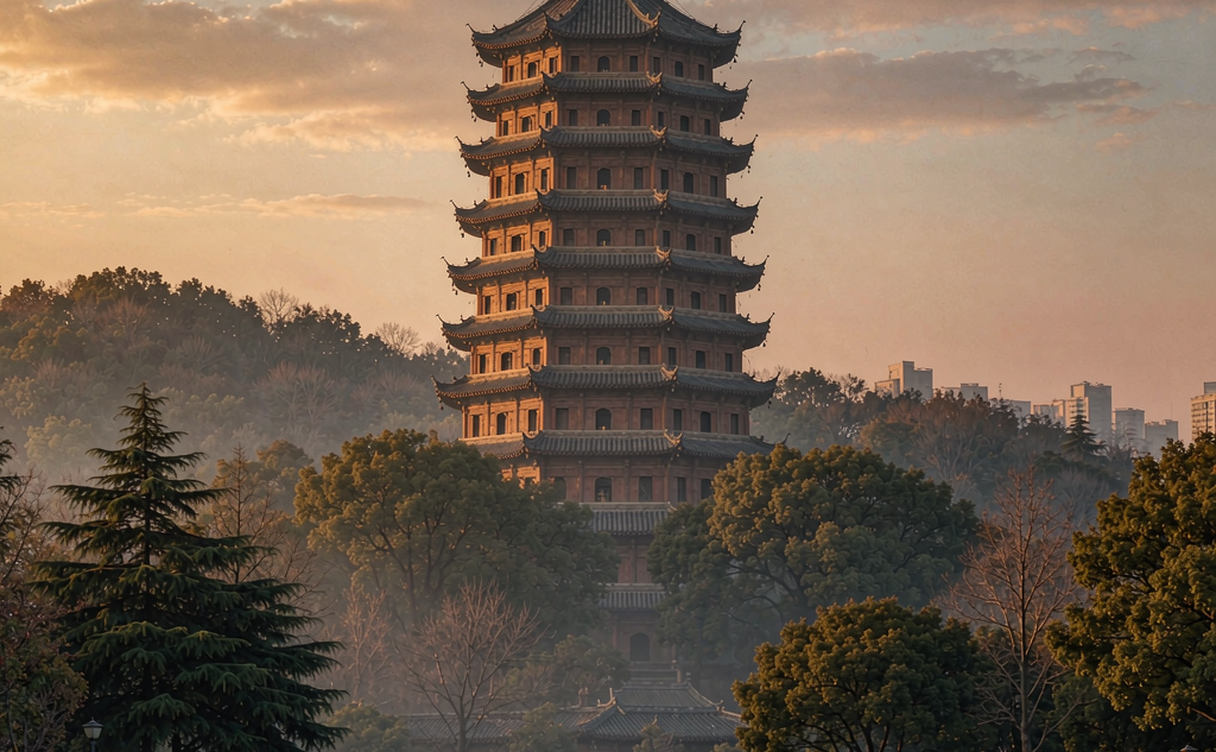
The view from the top
The Liuhe Pagoda view is the payoff: from the upper deck you look straight down the Qiantang River as it bends toward the sea, with the six-lane Qiantang River Bridge (built 1937) running past the hill’s foot and the modern high-rise ribbon of Binjiang district on the far bank. On a clear day you can trace the river for kilometers. I arrived around 15:00 and the afternoon sun lit the water without glare, which made for clean photos. The eaves frame the scene like a series of painted windows, and because the tower is tall and the hill is steep, you sit well above the rooftops — a completely different perspective from the flat lake views across the city, and one that shows Hangzhou as a working river town rather than a garden retreat.
How to visit Liuhe Pagoda with nearby stops
How to visit Liuhe Pagoda efficiently is mostly about combining it with the right neighbors. The West Lake Hangzhou guide is the city’s headline sight, but the pagoda is 40 minutes south, so I did West Lake one morning and the pagoda the next. Closer and easy to add is Hefang Street (河坊街), the restored old commercial street near the lake; our Hangzhou Hefang Street guide covers the snacks and shops, and it makes a natural evening follow-up after an afternoon at the pagoda. If you want green hills and tea, the Hangzhou Longjing tea village guide is a morning trip the day before or after, with Mingqian Longjing tea tastings for RMB 30 to 60 a pot.
For first-timers to the country, our China travel guide for first-timers has the payment and SIM basics that made my Hangzhou days smooth, including how I booked the DiDi and paid with Alipay without a Chinese bank card.
A short note on the architecture
What makes Liuhe unusual among Chinese pagodas is the combination of a solid brick core with an outward wooden facade of stacked eaves, a style that reads as both fortress and temple. Each tier is smaller than the one below, giving the tower its tapering silhouette that you recognize from old Hangzhou prints. The name Liuhe means “six harmonies,” referring to the six cardinal directions in Buddhist cosmology, and the site was originally a Buddhist lighthouse of sorts for boats negotiating the dangerous bore. Knowing this before I climbed made the climb feel less like a stair workout and more like reading a 1,000-year-old instruction manual for the river.
Is Liuhe Pagoda worth it?
Honestly, yes, but with a caveat. The climb is short, the ticket is modest, and the river view is genuinely different from anything at West Lake. It is not a full-day destination, and if you only have one day in Hangzhou you should prioritize the lake. But as a half-day escape from the crowds, the Liuhe Pagoda Hangzhou experience gave me the oldest, quietest hour of my trip, and the combination of Song-dynasty architecture and a working river below is hard to beat. I would go back for the October light alone, and the RMB 50 entry is a bargain next to the city’s pricier attractions.
Liuhe Pagoda is a reminder that Hangzhou’s story runs deeper than the lake poems. Standing on Yuelun Hill with the Qiantang moving below, I understood why a 1,000-year-old tower still earns its place on the hill: it shows the city as a river town, not just a garden. Bring water, wear real shoes for the stairs, and give it the half-day it deserves. The Liuhe Pagoda Hangzhou guide I wish I had read would have told me to come at 15:00 for the light — so consider this that note.
For accommodation and transport, many foreign travelers book through Trip.com when visiting China.