

Ten kilometers west of the cobbled lanes of Lijiang Old Town, the ground opens into a wide, reedy wetland called Lashihai. Most visitors to Lijiang never make it out here, which is a shame — because this is where the region’s famous Tea Horse Road history becomes something you can actually ride. We’ve sent travelers to Lashihai for a morning horse trek and an afternoon of birdwatching, and it consistently ranks among the easier, cheaper, and more genuine half-day experiences near the city.
This Lashihai Lake guide covers what the place is, what to do, how to avoid the well-known booking traps, when to come, and how to reach it from Lijiang.
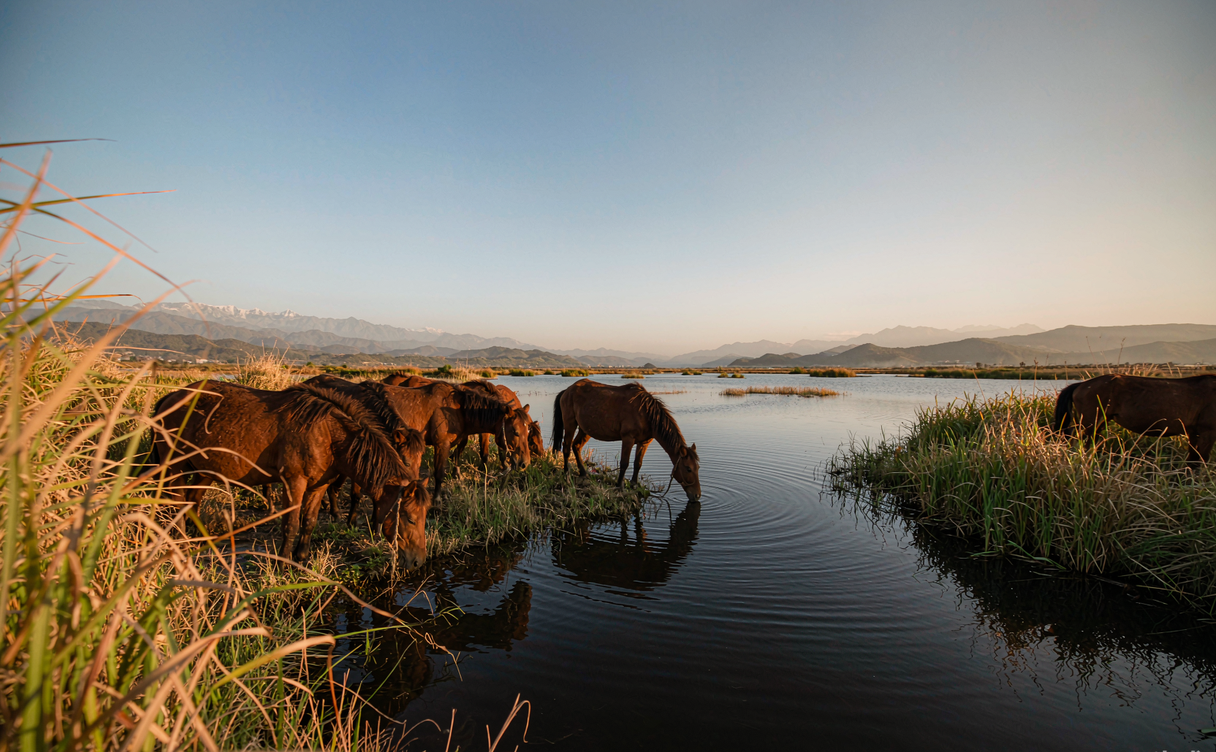
What Lashihai Is
Lashihai (拉市海) is a plateau wetland and shallow lake in Lijiang, Yunnan, on the northwestern edge of the Yunnan–Guizhou Plateau. It sits at roughly 2,400 meters and, despite the name, is more marsh and reed bed than open water for much of the year. What makes it matter is history: this was a key junction on the Ancient Tea Horse Road (Chamagudao), the trade route that carried Pu’er tea from Yunnan up to Tibet, China and beyond on the backs of horses. The flat, grassy trails around the lake are the same kind of ground those caravans crossed.
Today the area is a designated wetland nature reserve, and it doubles as one of the most accessible places near Lijiang to get on a horse and follow a real stretch of old trail. The nearby Naxi villages keep the region’s distinct culture alive, and in winter the lake becomes a resting ground for migratory birds, including black-necked cranes.
In our experience, Lashihai works best as a counterpoint to the Old Town. After two days of crowds and souvenir music, the open wetland feels like breathing room.
Things to Do at Lashihai
- Horse trekking on the Tea Horse Road. This is the headline activity. Outfits run loops of varying length — from a short 1-hour loop to half-day rides that reach a viewpoint or a village. Expect quoted prices anywhere from ¥100 to ¥300 depending on duration and group size.
- Birdwatching in winter. From roughly November to March, migratory birds fill the wetland. Bring binoculars; the early morning is best, and the calm water at dawn is a photographer’s gift.
- Cycle or walk the rim. The flatter edges are walkable, and renting a bike in Lijiang to reach the area adds to the adventure (though the last stretch is easiest by car).
- Visit a Naxi village. A few villages around the wetland open their courtyards to visitors for tea and, sometimes, a look at traditional building. Keep it low-key and pay for what you consume.
For travelers building a Yunnan plan, pair this with the Lijiang Old Town travel guide, which covers the base town in detail.
The Booking Trap (and How to Avoid It)
We’d be doing you a disservice not to warn you: Lashihai has a reputation for aggressive touting and confusing pricing. In past years, travelers reported being quoted a low “entry” price, then hit with add-ons for the horse ride, the boat, or the reserve fee once they arrived. The best things to do in China rule of thumb applies — agree on a total, all-inclusive price in writing before you set off.
Practical safeguards:
- Book through your hotel or a registered Lijiang tour desk rather than a stranger who approaches you on the street.
- Ask specifically: “Does this price include the horse ride, the reserve fee, and transport?” Get the answer in plain numbers.
- Walk away if the answer is vague. There is no shortage of operators.
- The wetland park itself may charge a modest entry (often ¥30–80); the horse ride is billed separately, so don’t assume one covers the other.
We’ve found that travelers who fix the price in town have a relaxed day, while those who “sort it out on arrival” too often spend the morning haggling.
How to Get to Lashihai
The wetland is close enough to Lijiang that transport is easy if you choose well:
- Bus. City bus 11 from Lijiang runs toward the Lashihai area; confirm the current terminus with your hotel, as routes shift.
- Taxi or ride-hail. A one-way taxi from the Old Town costs roughly ¥30–40. Agree on a return pickup or plan to share a ride back with other visitors.
- Private car or tour. The most hassle-free option, and usually the safest for avoiding the pricing games, since the operator handles everything.
- Bicycle. Doable for confident riders, but the final approach includes a stretch best covered by motorized transport.
Most people base in the Lijiang travel guide core area and make Lashihai a half-day outing, returning to the Old Town for the evening.
Best Time to Visit
The best time to visit Lashihai depends on what you want. For horse riding and green scenery, late spring through early autumn (April to October) is ideal — the trails are dry and the hills are lush. For birds, come in winter (November to March), when the wetland hosts the seasonal migration and the crowds thin out.
Shoulder months like April and October are our quiet favorites: manageable weather, fewer tourists than the summer peak, and still enough life on the water. For season planning across the province, our best time to visit China overview is a useful companion.
Where to Eat and Stay
Lashihai itself has a scattering of lakeside cafés and simple Naxi restaurants serving trout (the local cold-water fish), yak meat, and seasonal vegetables; a casual meal runs ¥40–80 per person. For the full range of stays and food, base in Lijiang Old Town or the newer Shuhe area and commute out.
If you arrived in Yunnan by rail, our China high-speed train guide for foreigners explains the lines feeding Lijiang, and our China travel guide for first-timers covers the broader arrival basics.
Lock in an all-inclusive horse-ride price through your hotel before you leave Lijiang — it’s the single habit that turns a stressful Lashihai morning into a relaxed one.
A Half-Day Plan That Works
A rhythm we recommend: leave the Old Town around 8:30 a.m., ride the trails before the midday heat, have a lakeside lunch, and either birdwatch or wander a village in the early afternoon before heading back. That keeps you clear of the heaviest tour-bus window and leaves the evening free in Lijiang.
If Lashihai appeals, plan your Lijiang days so the wetland sits on a low-energy morning — save the Old Town’s evening buzz for when you’re already in town.
Why We Keep Sending People Here
Lashihai isn’t a headline attraction, and that’s the point. It’s a place to actually move — on a horse, along a real old trade route, with wetlands and hills instead of souvenir stalls. Done right, with the price settled up front, it’s one of the better-value mornings in northwest Yunnan.
For a neutral, background read on the lake and reserve, the encyclopedic entry at Wikipedia’s Lashihai page is a reasonable starting point.
When Lijiang is done, browse the rest of our China destination guides — from plateau wetlands to old towns and river cruises, there’s always a next stop worth planning.