

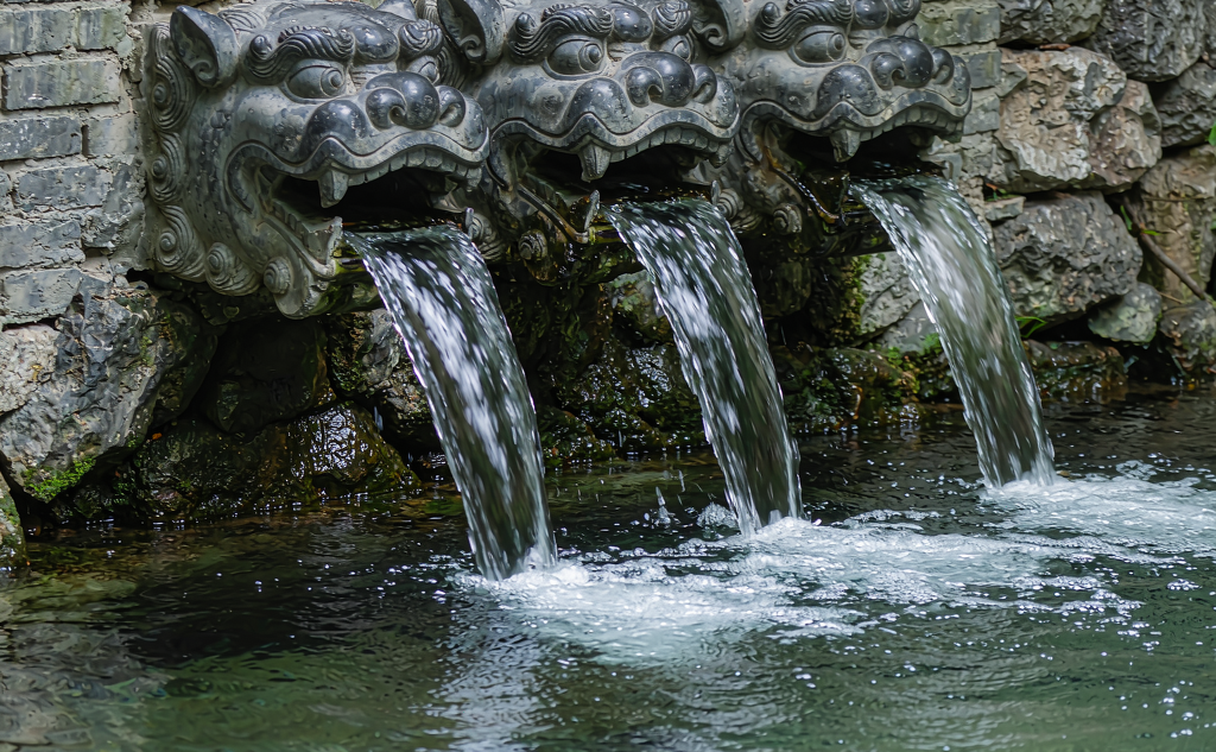
Jinan calls itself the “City of Springs,” and if you only see one of its dozens of bubbling sources, make it Heihu Spring. Set into a free riverside park along the old city moat, this is where three stone tiger heads spit a constant stream of cold, clear water into a pool — and where local residents still come with plastic jugs to fill up, exactly as their parents and grandparents did. We’ve walked travelers through Heihu on a morning stroll and watched them go from “it’s just a fountain” to “oh, this is the living heart of the city” in about ten minutes.
This Heihu Spring guide covers what makes the spring special, what to do there, when to go, how to get there, and how to pair it with the rest of Jinan’s spring circuit.
Why Heihu Spring Matters
Jinan sits on a bed of limestone where groundwater is forced to the surface through fault lines, producing more than seventy named springs across the city. Heihu Spring (黑虎泉, “Black Tiger Spring”) is among the largest and most dramatic. The water is fed through three carved tiger-head spouts, and the roar of the flow — said to have sounded like a tiger’s growl in the past, hence the name — carries across the small park.
The spring has been a public water source for centuries. Today the water is not officially for drinking in the way it once was, but you’ll still see locals filling bottles at the side outlets, and the pool itself stays full and restless year-round. The constant temperature of around 18°C means it steams faintly on cold winter mornings, which makes for one of Jinan’s more photogenic scenes.
In our experience, the thing that wins visitors over is exactly that everyday-ness. This isn’t a gated attraction with a ticket booth and a gift shop at the exit; it’s a working piece of the city where life simply happens around the water.
Things to Do at Heihu Spring
- Watch the tiger heads. Stand at the rail and watch the three spouts work. Early morning light on the moving water is the best time for photos.
- Walk the moat park. Heihu sits on the city’s historic 护城河 (moat). A paved path runs along it, linking several other springs and small pavilions — an easy, flat walk.
- Fill a bottle (the local way). If you see residents filling up at the side spout, that’s part of the tradition; just follow the etiquette and don’t block the flow.
- Combine with nearby springs. Baotu Spring (the city’s most famous) and the smaller Pearl Spring are both within walking or short-ride distance, letting you sample the range in one day.
- Evening stroll. The park lights up modestly after dark, and the sound of the water makes a calm end to a day of sightseeing.
For food nearby, our Jinan food guide points you to the dishes and streets worth the walk.
How to Get to Heihu Spring
The spring is central and easy to reach:
- Within Jinan. A taxi or ride-hail from the train station or city center costs only a few dozen yuan and takes 10–20 minutes in normal traffic.
- By bus. Multiple city buses stop near the moat park; ask your hotel for the line that matches your starting point.
- On foot. If you’re staying near the old city or Quancheng Square, the walk along the moat is pleasant and shows you more springs en route.
- Metro. Jinan’s metro network is expanding; check the current map for the nearest stop and walk the last few hundred meters.
Most travelers base in the Jinan travel guide center and treat Heihu as a free, flexible stop — morning, lunch break, or evening all work.
Best Time to Visit
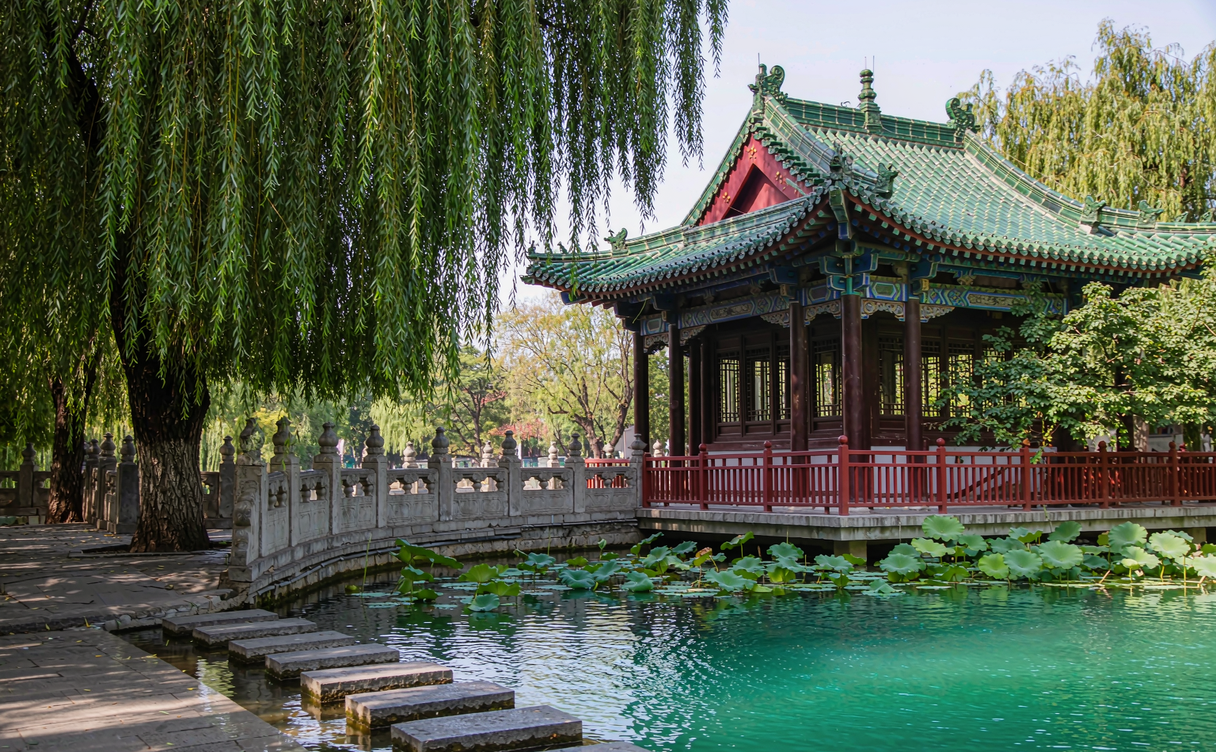
Because the spring flows year-round and the park is open and free, there’s no bad season — but the experience shifts. Spring and autumn are the most comfortable, with mild temperatures and good light. Summer is warm and lush, though it can be humid. Winter brings the steaming-water effect and far fewer people, which many photographers prefer.
The best time to visit Heihu Spring specifically is early morning, any season: the light is soft, the residents are out filling jugs, and you get the park before tour groups. For broader season planning across the region, our best time to visit China overview helps you weigh Jinan against other stops.
Where to Eat and Stay
The area around Heihu and the old city is good for Jinan staples: sweet-and-sour carp (tangcu liyu) from the springs’ own fish, braised pork, millet porridge, and the city’s chewy sesame biscuits. A casual meal runs ¥30–70 per person; a proper banquet for two might reach ¥150–250. Street snacks along the moat are cheaper still.
Jinan has a full range of hotels from budget to high-end, most clustered near the station and the commercial center. Book a place with metro or moat access and you can reach Heihu on foot.
Build your Jinan day around the springs’ rhythm: hit Heihu in the early morning, save Baotu Spring for midday shade, and keep the evening free for a moat walk.
Pairing Heihu With the Spring Circuit
Heihu Spring is best understood as one stop on Jinan’s larger spring system rather than a standalone sight. A natural walking route runs from Baotu Spring in the west, past Heihu on the moat, and toward Daming Lake to the north — a half-day that captures the city’s defining feature. The best things to do in China list for Shandong consistently puts this walk near the top, and it’s hard to argue.
If you’re arriving by rail, read our China high-speed train guide for foreigners first — Jinan is a major high-speed stop, and the lines make it an easy add-on to Beijing or Tai’an.
Why the Springs Define Jinan
It’s worth stepping back for a moment on why a simple waterspout matters enough to build a visit around. Jinan’s springs aren’t a quirk — they are the reason the city sits where it does. For centuries the reliable water made this a natural crossing and market town, and the springs shaped the old city’s layout, its gardens, and its daily life. Poets of the Song and Yuan dynasties wrote about Baotu and Heihu by name, and the imagery of “springs in the city” became part of how Jinan presented itself to the wider world.
That long continuity is what you feel at Heihu. The residents filling jugs aren’t performing for visitors; they’re continuing a habit that predates the park, the moat walls, and the modern skyline behind them. When you understand the spring as infrastructure-turned-heritage rather than decoration, the whole riverside park reads with more weight — and the free, open, unmanaged quality of the place starts to look like a feature, not an absence.
Practical Notes
A few small things smooth the visit. The park is free, so there’s no ticket to lose — but that also means it has no formal information desk; trust posted signs and local flow. Wear comfortable shoes for the moat path. Carry a reusable bottle if you want to join the filling tradition (check signage about drinking). And give yourself at least an hour; rushed visitors miss the sound and the local rhythm that make it worthwhile.
For background on Jinan’s spring system and the city’s geography, the encyclopedic entry at Wikipedia’s Jinan page is a useful pre-read.
When Jinan’s springs are done, keep exploring our China destination guides for the next leg — old towns, lakes, and mountain routes all branch out from here.