

Langmusi is a small Tibetan town in Gansu, China that straddles the border with Sichuan Province, split by the clear Bailong River into a Gansu side and a Sichuan side. Often called “Little Switzerland” for its alpine meadows and snow-tipped peaks, it is one of the most charming bases in Gannan for monasteries, gorges, and highland treks. The things to do in Langmusi mix quiet temple visits with riverside walks and multi-day hikes toward Zhagana. If this is your first time in western China, skim our China travel guide for first-timers before you lock in transport.
Content Preview
- [Best Time to Visit Langmusi](#best-time-to-visit-langmusi)
- [How to Get to Langmusi](#how-to-get-to-langmusi)
- [Things to Do in Langmusi](#things-to-do-in-langmusi)
- [Where to Stay](#where-to-stay)
- [Langmusi Itinerary](#langmusi-itinerary)
- [FAQ](#faq)
Best Time to Visit Langmusi
The best time to visit Langmusi is June through September, when the meadows are green and daytime temperatures sit around 14–24°C. July and August are liveliest, with the highest chance of clear skies for the surrounding peaks, though they also bring the most domestic travelers. September is a sweet spot: golden grasslands, cooler air, and thinner crowds. Winter is severe (often below −10°C) and some guesthouses close, so avoid November–March unless you are prepared for snowbound roads.
At 3,300–3,600 m, Langmusi is higher than Xiahe, so altitude matters even in summer. Build in a relaxed first day, drink plenty of water, and skip strenuous hiking until you feel settled. For climate planning across regions, our best time to visit China guide is handy.
How to Get to Langmusi
Langmusi has no train station; you arrive by road, usually via Lanzhou, Xiahe, or Hezuo.
| Route | Mode | Time | Notes |
| — | — | — | — |
| Lanzhou → Langmusi | Long-distance bus / car | 7–8 hrs | ~400 km; direct buses from Lanzhou south station |
| Xiahe → Langmusi | Bus / car | 3–4 hrs | ~180 km; scenic, most popular hop |
| Hezuo → Langmusi | Car / van | 2.5–3 hrs | ~160 km |
| Langmusi → Zhagana | Car | 2–3 hrs | ~95 km; part of the classic loop |
Buses are cheap but infrequent, so many travelers hire a car (about ¥500–800/day in Gansu) for flexibility. The drive from Xiahe crosses open pasture and small Tibetan villages, making the journey itself a highlight. For train access into Gansu, see our high-speed train guide for foreigners.
Things to Do in Langmusi
The Two Monasteries
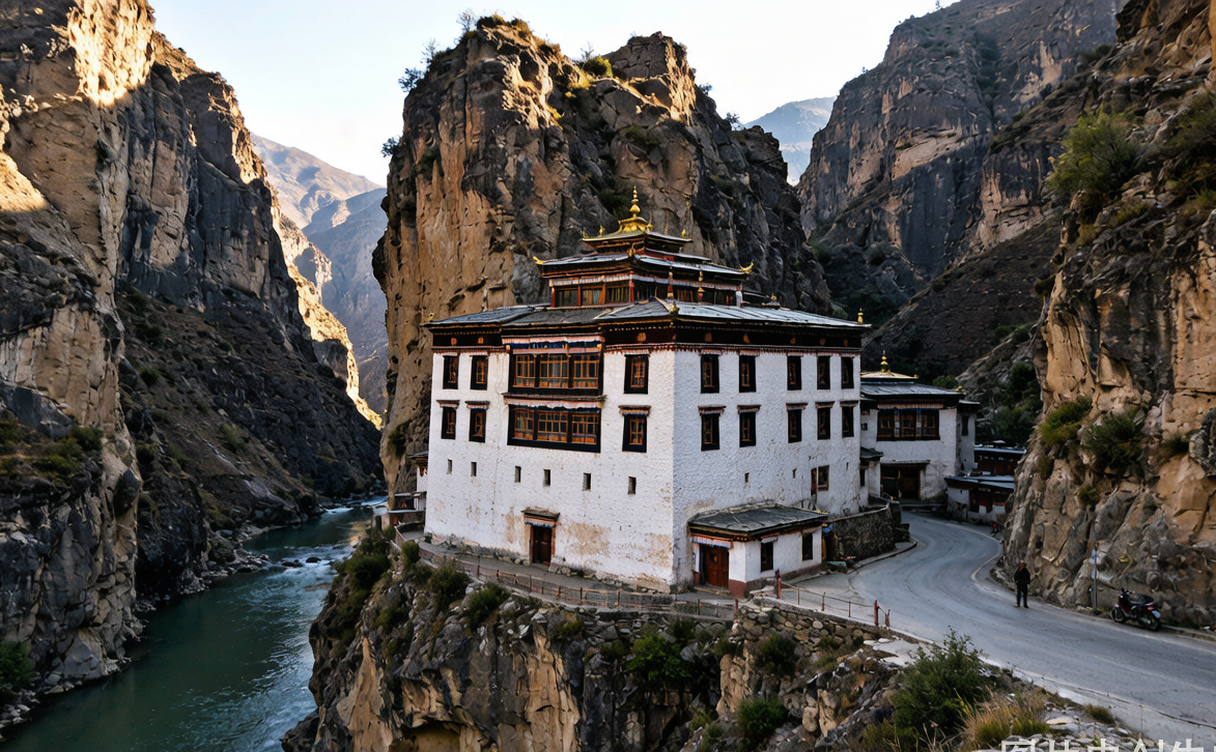
Langmusi’s main sights are its two monasteries. On the Gansu side stands the large Serti (Gerti) Monastery, with golden roofs and a hillside kora offering wide valley views. Across the river on the Sichuan side, the smaller Geldi Monastery sits at the mouth of the Namo Gorge, where a short walk leads to a hermit cave and the trickling source of the Bailong River. Each charges a modest entry of about ¥30. visitors should walk clockwise, dress modestly, and keep voices low.
The Langmusi Trek
The signature Langmusi trek is the multi-day route from Langmusi to Zhagana, usually 2–3 days through alpine meadows, passes above 4,000 m, and remote hamlets. Day-hikers can instead follow the Namo Gorge trail for an easy half-day with great photo stops. The full trek needs a guide, a packed backpack, and good weather — book through a Langmusi guesthouse or a Gannan tour operator. If you like lake scenery too, our Qinghai Lake travel guide pairs well with a Gansu–Qinghai plan.
Riverside Walks and Local Life
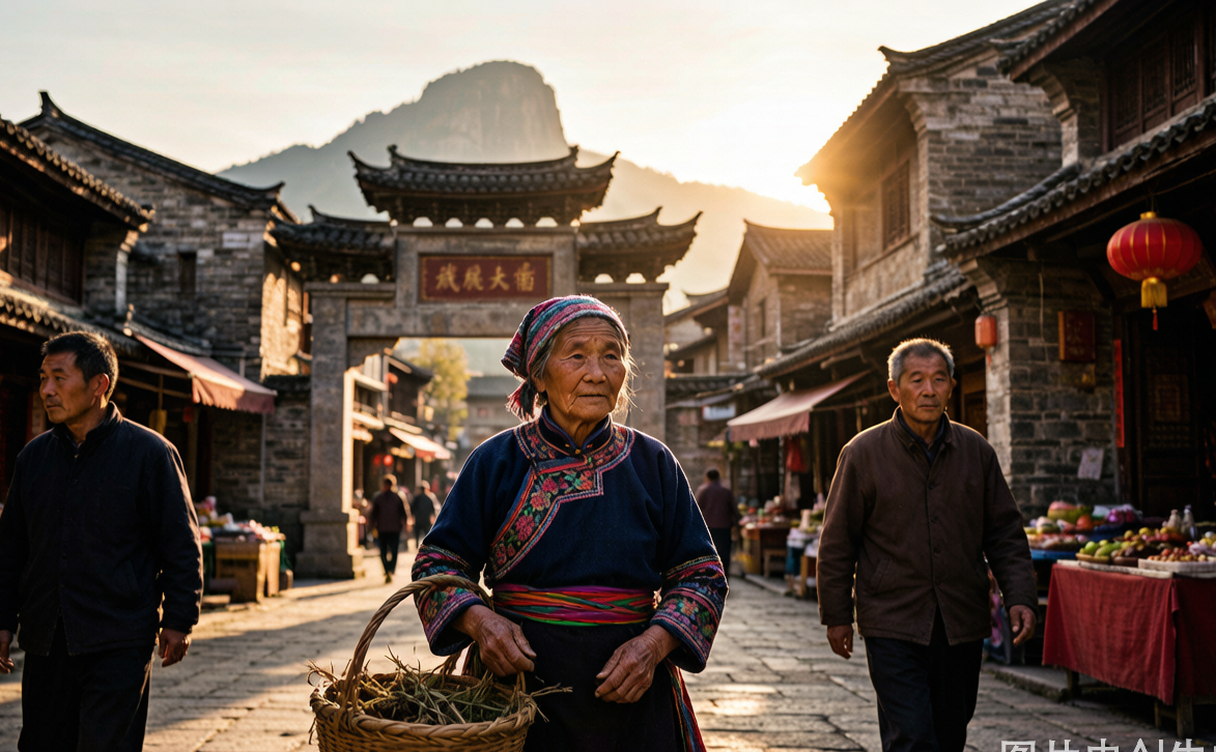
Beyond temples, Langmusi things to do include crossing the wooden footbridges, watching yaks ford the river, and browsing the small strip of Tibetan shops for yak-cheese snacks and prayer flags. Sunrise lights the eastern peaks; sunset paints the meadows gold. It is a calm place to simply slow down between longer drives.
Where to Stay
Langmusi town has dozens of family guesthouses and small hotels, mostly clustered along the main road, priced ¥150–400 per night in season. Staying on the Gansu side puts you next to Serti Monastery and most restaurants; the Sichuan side is quieter. Rooms are simple, with limited heating, so pack warm sleepwear. Book ahead for July–August and the October holiday. For wider cost tips, see our China budget backpacking guide.
Food in town centers on Tibetan and Sichuan styles: yak-meat hotpot, noodles, momos, and butter tea are staples, while a few cafés cater to travelers with coffee and banana pancakes. Meals run ¥30–60 per person. If you are attempting the Langmusi trek, ask your guesthouse to pack a lunch or buy bread, cheese, and fruit in town the evening before, because there are no shops along the trail. Electricity is stable but worth keeping a power bank for early-start photography at the gorges.
Langmusi Itinerary
A practical 2-day Langmusi plan:
- Day 1: Arrive from Xiahe (3–4 hrs), settle in, afternoon visit Serti Monastery and the kora hill for sunset.
- Day 2: Morning at Geldi Monastery and the Namo Gorge walk, afternoon drive onward to Zhagana (2–3 hrs) or back toward Hezuo.
For a richer trip, add a night in Zhagana and a night in Xiahe to form a classic 4–5 day Gannan loop.
FAQ
Is Langmusi really in two provinces? Yes — the town is divided by the Bailong River, with one part in Gansu and the other in Sichuan, both within China.
Do I need a permit? No. Like the rest of Gannan, Langmusi is open to standard Chinese-visa holders; no Tibet Travel Permit is needed.
How fit should I be for the Langmusi trek? The gorge walk is easy. The multi-day trek to Zhagana is moderate-to-hard because of altitude and distance; train with day hikes first.
Is it cold at night? Often yes, even in July. Bring a warm jacket; guesthouse heating may be weak.
Can I withdraw cash? There are a couple of ATMs in town, but carry enough yuan from Lanzhou or Xiahe to be safe.
For an independent overview of the town and its setting, the Wikipedia page on Langmusi is a helpful reference.
Practical Travel Tips
Langmusi’s altitude means easing in: skip alcohol on night one and rest if you feel light-headed. Mobile payment dominates, but carry cash for small stalls and monastery donations, since foreign cards are rarely accepted. Weather shifts fast, so a rain shell and sun hat travel together. Drones are restricted near the monasteries — check before flying. Above all, treat the town as a living community: ask before photographing people, stay on marked trails in the gorge, and leave the meadows as you found them.
Connectivity is decent in the town center but disappears on the high trails, so share your daily route with your guesthouse and carry a downloaded offline map. There is no bank that reliably serves foreign cards, so withdraw enough yuan in Lanzhou, Xiahe, or Hezuo before arriving. If you plan the multi-day Langmusi trek to Zhagana, hire a local guide through your guesthouse — the path is unmarked in places and weather can close the passes. Finally, respect the quiet of the monasteries: silence on the kora, no climbing on the shrines, and a small donation at the entry desk is appreciated even when entry is free.
By Karl — Last updated July 26, 2026