

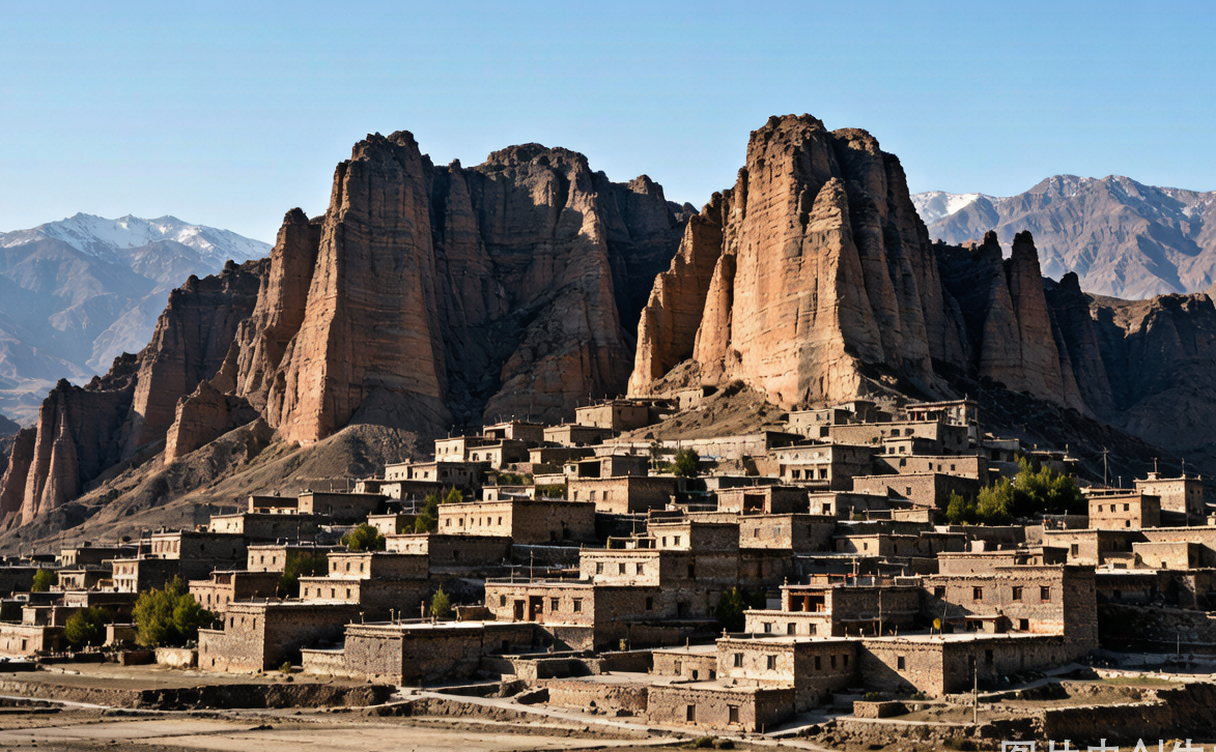
Tucked into the mountains of Diebu County in Gansu, China, Zhagana village is a terraced Tibetan settlement wrapped by towering grey stone peaks that locals call a “stone fortress fairyland.” Few foreign travelers have heard of it, yet the combination of layered farmland, wooden houses, and dramatic cliffs makes it one of the most photogenic places in Gannan. The things to do in Zhagana are simple but deeply rewarding: short hikes to sunrise viewpoints, farmhouse meals, and slow walks through barley fields. If you are new to the region, read our China travel guide for first-timers before you build the trip, then use this page for the details.
Content Preview
- [Best Time to Visit Zhagana Village](#best-time-to-visit-zhagana-village)
- [How to Get to Zhagana Village](#how-to-get-to-zhagana-village)
- [Things to Do in Zhagana](#things-to-do-in-zhagana)
- [Where to Stay](#where-to-stay)
- [Zhagana Itinerary](#zhagana-itinerary)
- [FAQ](#faq)
Best Time to Visit Zhagana Village
The best time to visit Zhagana is from late June to early October. In July and August the surrounding terraces glow green and the weather is mild (15–24°C by day), which is ideal for the Zhagana trek routes and village walks. September brings golden harvest colors and fewer crowds, while October can be crisp and beautiful but risks early snow at the higher passes. Winter closes many guesthouses and the mountain roads can ice over, so avoid November–March.
Because Zhagana sits at about 2,900–3,300 m, mornings and nights are cold even in summer — pack a fleece and a light down jacket. If you are coordinating multiple regions, our best time to visit China page helps you stack climates. Peak domestic crowds hit during the first week of August and the National Day holiday (early October), so book accommodation well ahead then.
How to Get to Zhagana Village
Zhagana has no train station; you arrive by road. The most common approach is from Langmusi or from Diebu county town.
| Route | Mode | Time | Notes |
| — | — | — | — |
| Langmusi → Zhagana | Bus / car | 2–3 hrs | ~95 km; winding mountain road, scenic |
| Diebu county town → Zhagana | Car / minivan | 45–60 min | ~30 km; easiest access point |
| Xiahe → Zhagana | Private car | 3.5–4.5 hrs | Often via Langmusi in one long day |
| Lanzhou → Zhagana (direct chartered) | Private car | 7–8 hrs | Tiring; better to break the drive in Xiahe |
Most travelers join Zhagana as a stop on a Xiahe–Langmusi–Zhagana loop. Shared vans run when full but are unreliable for tight schedules, so hiring a car (about ¥500–800/day in Gansu) is the practical choice. For train arrivals into Gansu, see our high-speed train guide for foreigners.
Things to Do in Zhagana
The Zhagana Trek
The signature experience is the Zhagana trek, a network of marked trails linking the four hamlets (Dari, Daiba, Yisheng, and Dongwa) with high ridgelines and yak pastures. The classic half-day walk from Dongwa to the Fairy Beach (Xiannü Tan) meadow offers the postcard view of the stone walls. Fit hikers can do a full-day ridge traverse to Dari village for panoramas over the whole valley. Trails are unpaved but well used; wear sturdy shoes and start early to catch clear morning light.
Villages, Viewpoints, and Local Life
Beyond trekking, Zhagana things to do include photographing the layered fields at golden hour, visiting a family-run flour mill, and sharing butter tea in a farmhouse. The losar (Tibetan New Year) period brings colorful local celebration, though winter access is hard. A short drive above Dongwa opens a viewpoint where the entire amphitheater of peaks is visible — go at sunrise when low light paints the rock faces. If you enjoy highland lakes, compare the scene with our Qinghai Lake travel guide.
Photography and Sunrise Spots
Zhagana is a photographer’s dream, but timing matters. The east-facing stone walls catch the first sunlight around 6–7 am in summer, so base yourself in Dongwa hamlet and walk five minutes to the ridge before dawn. Morning haze often lifts by 9 am, giving crisp shots of the terraces; late afternoon light rakes across the peaks for dramatic shadow. A humble tripod and a warm layer make the cold waiting worthwhile. Drones are officially restricted inside the scenic area, so ask your guesthouse before flying.
Where to Stay
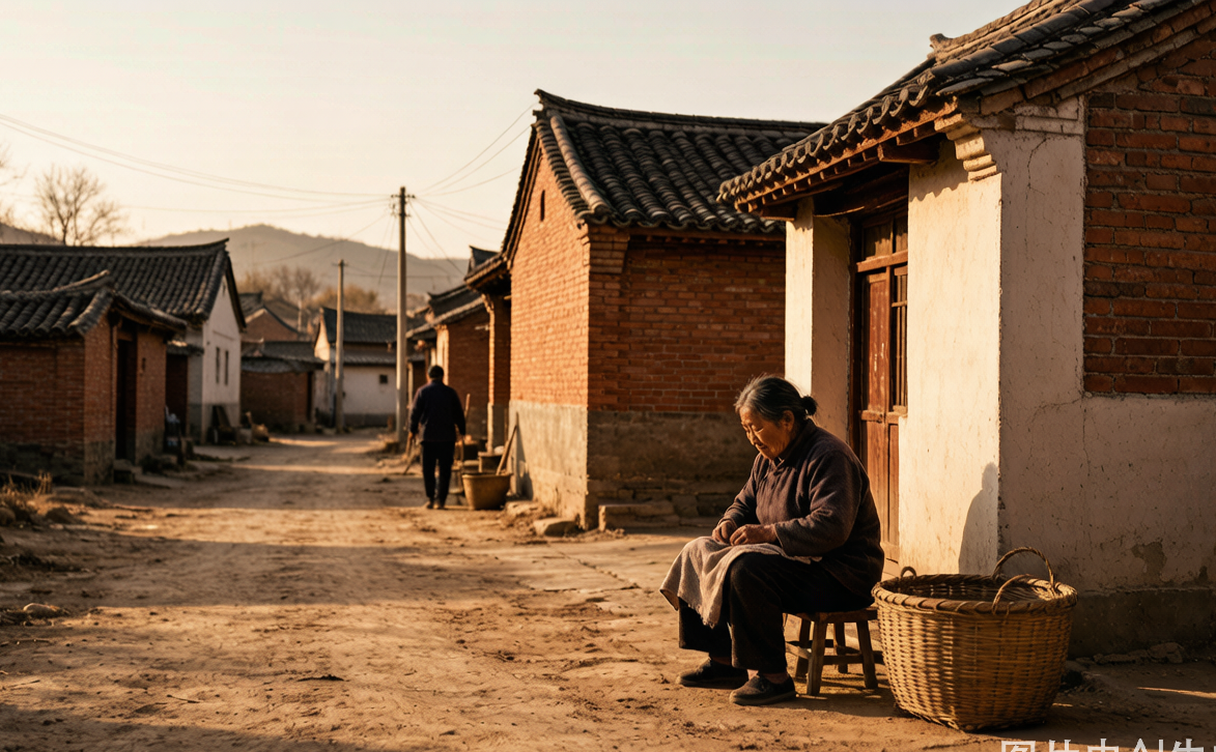
Accommodation inside Zhagana village is mostly family guesthouses and small inns, priced ¥150–350 per night in season. Staying inside the scenic area lets you catch sunrise without a commute, but rooms are basic (shared bathrooms common, limited heating). For more comfort, sleep in Diebu county town (¥250–500 hotels) and drive in for the day. Book through your guesthouse directly or via Chinese platforms, as international booking sites list few options here. Budget travelers can read our China budget backpacking guide for cost-saving transport ideas.
When choosing where to stay, weigh location against comfort. Dongwa hamlet is closest to the iconic viewpoint and the trailheads, making it the favorite for photographers, while Dari village is quieter and better for a full-day ridge hike. Electricity and hot water are reliable in newer inns but can fail after heavy snow, so pack a power bank and a sleep layer. Most guesthouses serve simple homemade meals (¥30–60 per person); if you follow a strict diet, tell your host a day ahead. Rooms fill completely during July–August and the October holiday, so reserve at least two weeks in advance for those windows.
Zhagana Itinerary
A relaxed 2-day Zhagana plan:
- Day 1: Arrive from Langmusi (2–3 hrs), check in, afternoon walk to Fairy Beach meadow and sunset viewpoint near Dongwa.
- Day 2: Sunrise from the upper ridge, half-day Zhagana trek to Dari village, late lunch, then drive toward Hezuo or back to Langmusi.
If Zhagana is part of a longer Gannan loop, pair it with two nights in Langmusi and two in Xiahe for a balanced 5–6 day route.
FAQ
Is Zhagana village worth visiting if I’m short on time? Yes, if you already plan to be in Gannan. Its scenery is unique, but skip it if your trip is confined to eastern China’s cities.
How hard is the Zhagana trek? The short meadow walk is easy; the full ridge traverse is moderate and needs good weather and fitness due to altitude.
Can I use foreign cards or USD? No. Bring Chinese yuan in cash; rural Gansu rarely takes foreign cards, though Alipay/WeChat Pay work with linked international cards.
Is there phone signal? Mobile coverage is decent in the villages but weak on high trails. Download offline maps beforehand.
What should I eat? Try yak meat hotpot, momos (dumplings), and butter tea at guesthouses; options are limited, so carry snacks.
For geographic context on the wider region, the Wikipedia page on Gannan Tibetan Autonomous Prefecture gives a useful overview of where Zhagana sits.
Practical Travel Tips
Zhagana village charges a scenic-area entrance fee of about ¥80 (sometimes bundled with a shuttle). Drones are restricted near the peaks, so check with your guesthouse. Respect private farmland, close gates behind you, and keep noise low in the early-morning hours when villagers pray and tend animals. Altitude is real — ascend gradually from Lanzhou or Xiahe rather than flying in and hiking hard the same day.
Money and connectivity need planning. There is no bank or ATM inside the village, so withdraw enough yuan in Diebu or Lanzhou before arriving; guesthouses take cash and, increasingly, mobile pay linked to Chinese apps, but not foreign cards. Mobile data works in the hamlets yet drops on the high trails, so brief your driver or travel companion on your route each morning. Weather changes fast above 3,000 m: a sunny 22°C morning can turn to sleet by noon, so carry a rain shell and extra water on every Zhagana trek. Finally, tread lightly — the terraces are working farms, not a stage set, and a few courteous words in the local guesthouse go a long way toward a warmer welcome.
By Karl — Last updated July 26, 2026