

Karamay sits in the north of Xinjiang, China, a modern city that grew from the dry Gobi because of one thing: oil. The name itself comes from the Uyghur language and means “black oil,” a fitting label for a place built on the riches pulled from beneath the desert. Today the city is a surprising stop for travelers who want to pair industrial heritage with some of the strangest natural scenery in the region. This Karamay travel guide Xinjiang visitors will find useful covers how to get there, what to see, when to go, and how to plan a side trip to the famous Urho Ghost Town.
Why Visit Karamay
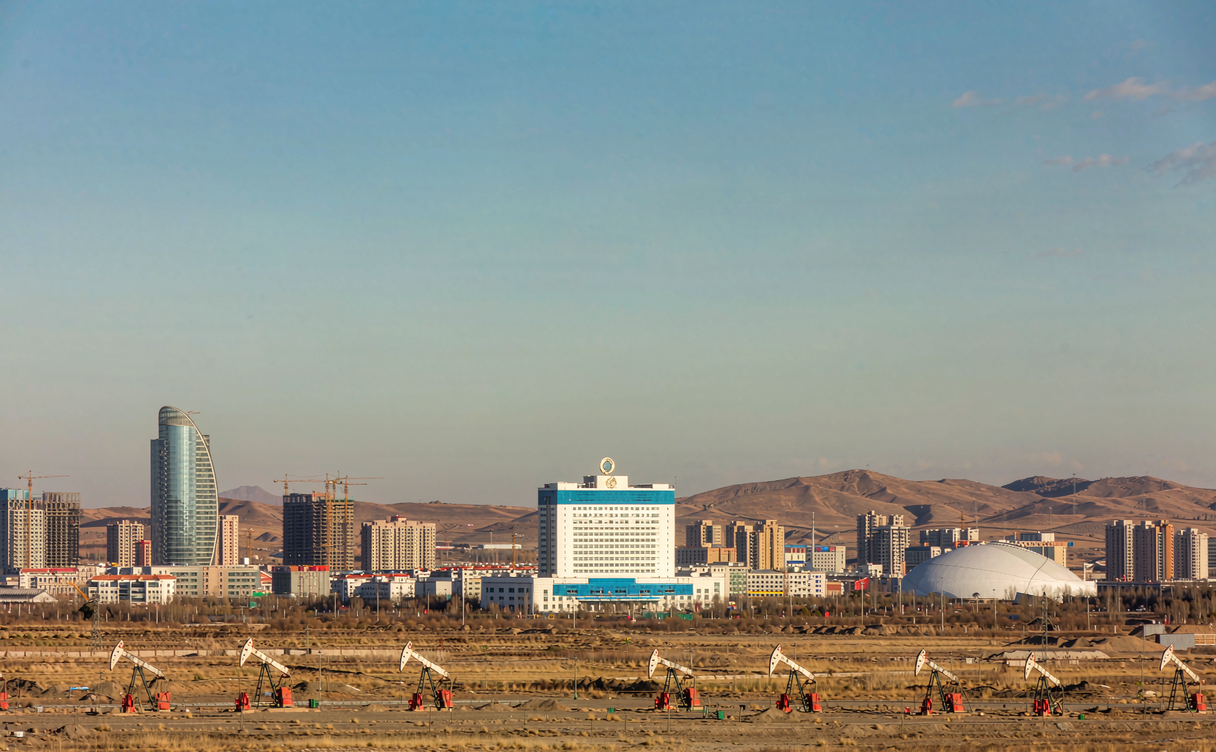
Most people pass through Xinjiang, China on their way to bigger names like Urumqi or Kashgar, but Karamay rewards those who linger. It is clean, green, and far more livable than its desert setting suggests. Massive tree-planting campaigns turned what was once bare steppe into a city of parks and wide boulevards. For travelers, the appeal is the contrast: you can stand beneath working oil derricks in the morning and walk among surreal wind-carved rock castles by afternoon.
The city also works as a calm base. It is smaller and less hectic than the regional capital, yet it has good hotels, reliable transport, and easy access to one of the most photographed landscapes in the whole of Xinjiang, China.
The Urho Ghost Town
The headline attraction is the Urho Ghost Town, also called the Wind City. It lies roughly 100 kilometers from the center of Karamay, out on the edge of the Junggar Basin. This is where the Karamay to Urho Ghost City distance becomes part of the adventure, because the drive itself crosses open desert and salt flats.
What waits at the end is a vast yardang landscape. Wind and water have sculpted the soft rock into shapes that look like castles, animals, and towers. Locals named formations after what they resemble, and on a windy day the noise moving through the stone channels sounds like howling, which is how the “ghost” name stuck. Among the things to do in Karamay China, a sunset visit here ranks near the top: the low light turns the rock shades of orange and red.
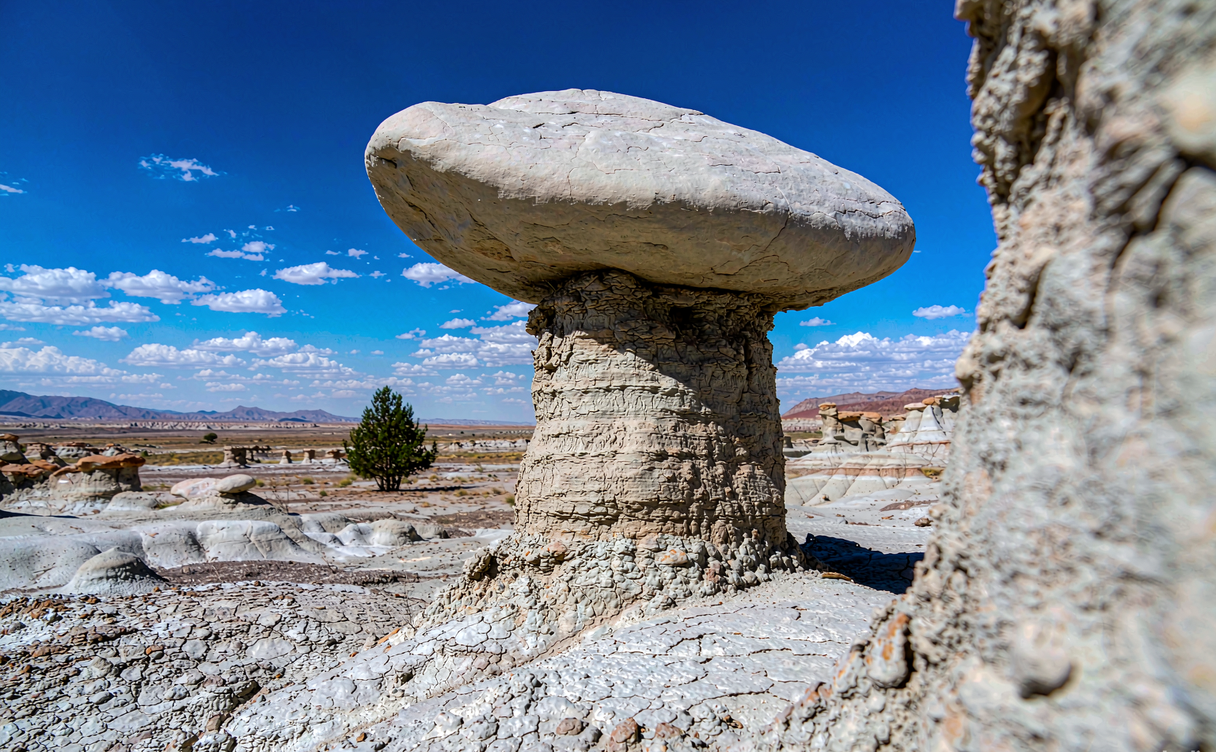
The site is protected and organized for visitors, with boardwalks and viewing platforms. Urho Ghost Town Karamay tours usually include a guide who explains the geology and the legends. Give yourself at least half a day so you are not rushing the long loop road that threads between the formations. Bring water and a windbreaker, because the basin wind never fully stops and the exposure is total.
Things to Do in the City
Beyond the ghost town, Karamay has its own quiet charms. The Karamay Oilfield Exhibition Center tells the story of how the first major oil strike in 1955 turned a campsite into a city. Old pumping units, photographs, and models make the industrial past tangible. For a different angle, the Karamay Museum covers regional history, geology, and the cultures of Xinjiang, China.
The city’s parks are unexpectedly lush. Century Park and the greenbelts along the main avenues are good for an evening stroll, and in summer the fountains draw local families. Food is another reason to stay. As a working city, Karamay has solid restaurants serving Xinjiang lamb skewers, hand-pulled noodles, and the big flatbread known as nang. Evening street-food stalls are lively and cheap.
If you want to widen your loop, our Urumqi travel guide explains the regional capital and its gateway airports, while the Turpan travel guide covers the flaming mountains and grape valleys to the southeast.
Best Time to Visit Karamay
The best time to visit Karamay is late spring through early autumn, roughly May to October. Winters are long and brutally cold, with temperatures that can drop far below freezing and frequent snow. Summer days are hot and dry but comfortable in the low humidity, and the long daylight means more time for sightseeing.
Shoulder seasons are ideal. May and September bring mild weather, fewer crowds, and clear skies that make the rock colors pop at Urho. If you are combining Karamay with other parts of Xinjiang, China, plan around the same window, since high passes and remote roads can close in deep winter. The annual Ice and Snow Festival in nearby areas also draws visitors who enjoy cold-weather scenery, but pack serious insulation if you choose that season.
Karamay Weather and Transport Tips
Karamay weather and transport tips start with the climate: it is continental and extreme. Pack layers even in summer, because desert nights cool quickly. Sunscreen, a hat, and plenty of water are essential; the UV is strong and the wind off the basin carries grit. Check the forecast before driving to Urho, since sandstorms can reduce visibility.
Getting there is straightforward. Karamay Airport has flights from Urumqi and a few other cities, and the train connection from Urumqi takes a few hours. Within the city, taxis and ride apps are easy, but for the ghost town you will want a private car, a tour, or a rented vehicle, since public options are limited and the sites are spread out.
When planning regional logistics, the Kashgar travel guide is useful for the far west, the Ili travel guide covers the green northwest valleys, and the Korla travel guide helps with the route toward the Tarim Basin.
Where to Stay and Eat
Karamay has a full range of hotels, from international-brand towers downtown to budget stays near the bus station. Staying central keeps you close to restaurants and the night market. For food, seek out the lamb polo (pilaf), the spicy cold noodles, and the dairy drinks sold by street vendors. Portions are generous, prices are fair, and the grilled-meat culture is the equal of anywhere else in Xinjiang, China.
A Note on Responsible Travel
Xinjiang, China is large and diverse, and Karamay is one small but proud piece of it. Respect local customs, ask before photographing people, and support local businesses by eating at neighborhood restaurants and buying from local stalls. The official tourism authority publishes practical visitor information in English that can help you confirm opening hours and seasonal notices before you travel. See the Ministry of Culture and Tourism of China for current official guidance.
Suggested Itinerary
A relaxed two-day plan works well. Day one: arrive, visit the Oilfield Exhibition Center and the museum, then eat your way through an evening food street. Day two: leave early for Urho Ghost Town, spend the morning and early afternoon among the yardangs, and return to Karamay for a final night. Travelers with more time can use the city as a hub and branch out toward the north or west of Xinjiang, China.
Final Thoughts
Karamay is not the first name that comes to mind for a China trip, but that is exactly its appeal. It offers a genuine slice of modern Xinjiang, China without the crowds, plus one of the most otherworldly landscapes in the country a short drive away. Whether you come for the oil history, the desert silence, or the wind-shaped stone city, this Karamay travel guide Xinjiang travelers can rely on should help you plan with confidence.