

What Exactly Is Tangyuan (and How It Differs From Yuanxiao)
The first time I really understood tangyuan, I wasn’t in a restaurant. It was the fifteenth night of the lunar new year, the paper lanterns were already glowing outside, and a small pot of water was coming to a boil on the stove. My grandmother dropped a handful of plain white balls into it, and within a few minutes they rose and bobbed at the surface like little moons. “When they float,” she said, “they’re ready — and so are we.”
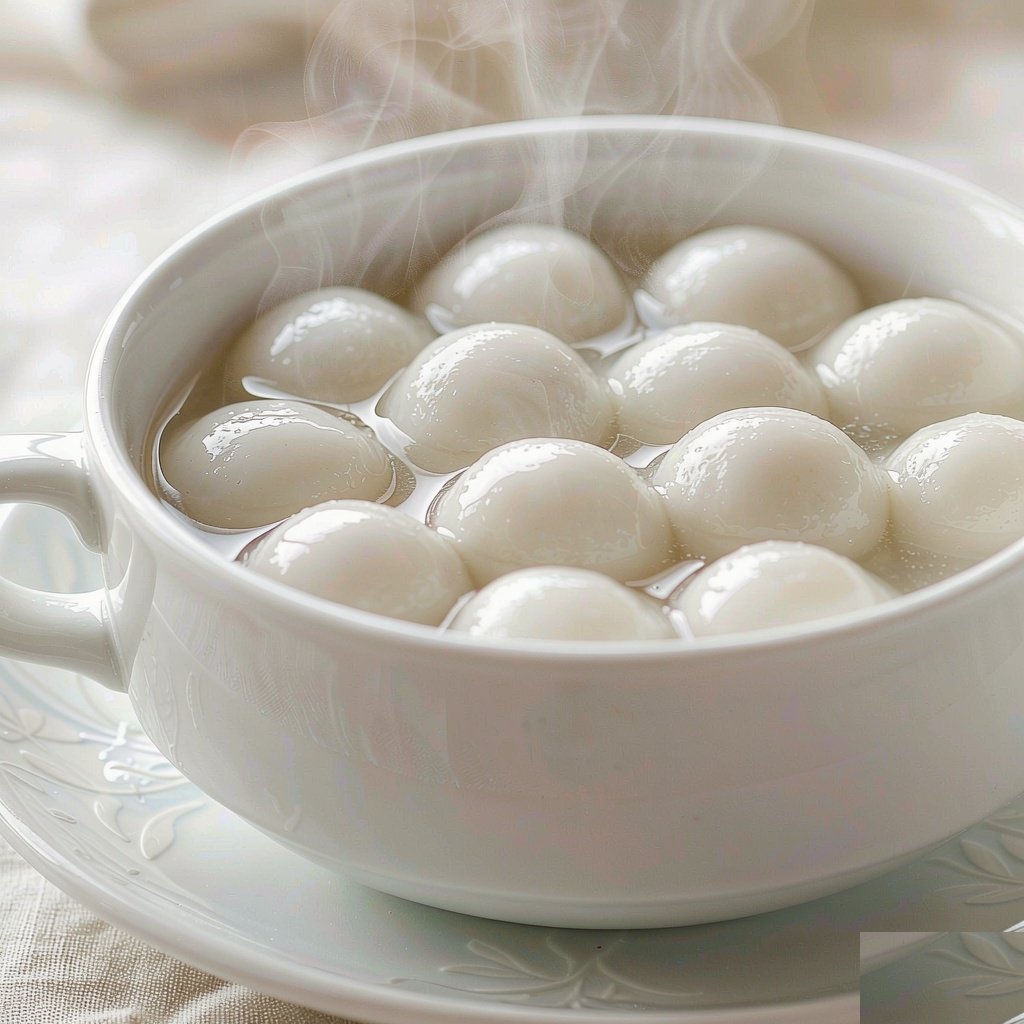
Tangyuan (汤圆) are soft glutinous rice balls, almost always served in a sweet broth or syrup, with a filling tucked inside. They are the signature dessert of the Lantern Festival (元宵节), which falls on the fifteenth day of the first lunar month and marks the official close of the Chinese New Year. The round shape isn’t accidental. In Chinese, the word for roundness sounds like the word for reunion, so a bowl of round balls is a bowl of 团圆 — family togetherness. Eating them is less about the sugar and more about who is sitting around the table. For the wider year of holiday eating, our guide to China’s festival special foods maps where tangyuan fits alongside the rest.
Here is the detail that trips up almost every first-time writer about this food: tangyuan and yuanxiao (元宵) are not the same thing, even though they look like twins in a photo. Both are glutinous rice balls with sweet fillings eaten in the first month of the year. The difference is in how the ball is built. Tangyuan are made by wrapping a filling in a sheet of glutinous rice dough — you knead the dough, flatten it, drop the filling in, and seal it closed. Yuanxiao are made by a rolling method: a solid filling is tossed in a sieve of dry rice flour and shaken until a shell builds up around it. Wrapped tangyuan have a softer, more delicate skin and freeze beautifully; rolled yuanxiao have a slightly grainier texture and are traditionally eaten fresh. In southern China you’ll mostly hear “tangyuan”; in parts of the north, “yuanxiao.” Same holiday, two dialects of the same idea.
What Does Tangyuan Taste Like — Texture and Flavor
If you have never had one, the first surprise is the texture. The outside is made from glutinous rice flour (the same sticky flour behind mochi and rice cakes), so it is chewy, springy, and almost elastic — not fluffy like a wheat dumpling, not crisp like anything fried. The Chinese call this mouthfeel Q (sometimes written as “chewy” or “bouncy”), and it is the single most important part of the experience. A great tangyuan should resist your teeth for a half-second before giving way.
The filling does the talking on flavor. The classic is black sesame: toasted sesame ground with sugar and a little fat into a paste that, when you bite through the skin, floods out warm and nutty and just bitter enough to keep it from being cloying. Peanut fillings are sweeter and sandier. Red bean (azuki) paste is dense and earthy. Modern shops sell matcha, taro, and even fruit-cream versions, but the soul of the dish is still sesame. The broth they sit in matters too: sometimes plain sugar water, sometimes a light ginger syrup that cuts the richness, and sometimes something far more interesting (more on that later).
Tangyuan Ingredients: What Goes Into the Dough and the Filling
One reason this dish is so forgiving for home cooks is the short ingredient list. You do not need exotic equipment or a trip to a specialty market for most of it.
The Glutinous Rice Dough
The skin is just two things: glutinous rice flour (糯米粉, sometimes labeled “sweet rice flour”) and water, mixed to a soft, pliable dough. Note the word glutinous here refers to the sticky starch, not to gluten — the flour is naturally gluten-free, which matters for some eaters. The ratio is roughly 200 grams of flour to about 160–170 ml of warm water, adjusted until the dough feels like soft playdough and doesn’t crack at the edges when you flatten it.
A Classic Black Sesame Tangyuan Filling
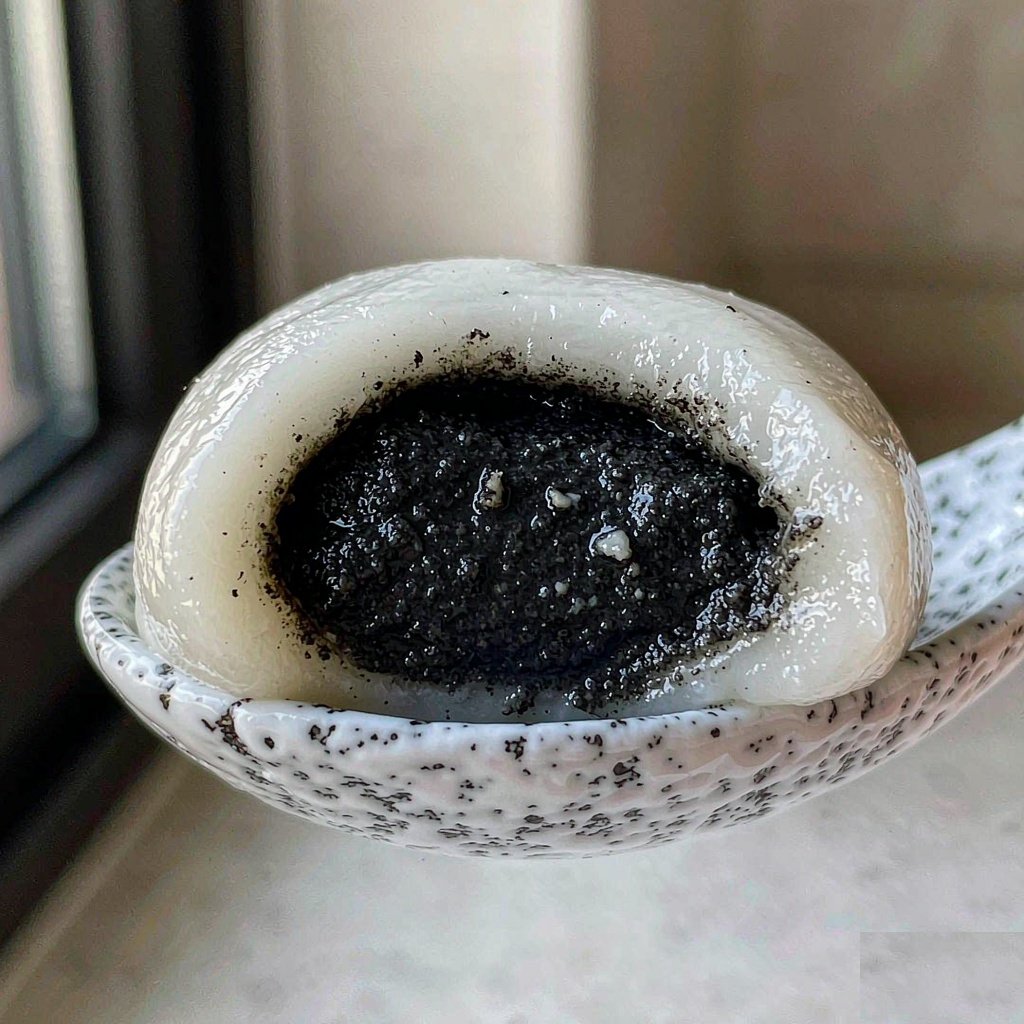
For a filling that makes about 20 balls, use the following:
- Black sesame seeds: 100 grams, toasted in a dry pan until fragrant.
- Powdered sugar: 60–80 grams, depending on how sweet you like it.
- Fat: 40 grams of softened butter or, more traditionally, melted lard or coconut oil. The fat is what turns the ground sesame into a paste that sets when chilled and melts when hot.
- Optional: a pinch of salt to sharpen the sesame, and a few drops of vanilla if you like.
Grind the toasted sesame to a fine powder, stir in the sugar and fat, and chill the mixture until it is firm enough to roll into small balls the size of a grape. Those little filling nuggets are what you wrap.
Who Should Eat Tangyuan — and Who Should Go Easy
Tangyuan is comfort food, not health food, and the honest answer to “who is it for” depends on your stomach as much as your sweet tooth. Glutinous rice is notoriously slow to digest because it is low in the kind of starch that breaks down quickly. That is part of why it feels so satisfying and also why it can sit heavy.
- Great for: anyone wanting a warming, festive dessert; travelers looking for a cheap, filling winter snack; vegetarians (most fillings are plant-based); and people avoiding wheat gluten, since the skin is made from rice.
- Eat less if: you have a sensitive stomach, acid reflux, or slow digestion — the chewy skin can feel like a rock if you overdo it. Diabetics should treat these as a dessert, not a staple, because the starch and sweet fillings spike blood sugar. Young children and elderly eaters should be served small portions and watched while eating, because the whole, slippery balls are a choking hazard if swallowed without chewing.
A good rule from my own family: three to five balls is a serving, not a bowlful. The point is the gathering, not the quantity.
How to Make Tangyuan at Home: A Step-by-Step Method
You do not need a steamer or special molds. A pot, a bowl, and a clean surface are enough. Here is the method I use, scaled for a first attempt.
- Step 1 — Make the filling: toast the sesame, grind it, mix with sugar and softened fat, and roll into grape-sized balls. Chill them while you make the dough so they hold their shape.
- Step 2 — Make the dough: stir warm water into the glutinous rice flour a little at a time until you have a smooth, non-sticky dough. Knead for two minutes, cover with a damp cloth, and rest for ten minutes.
- Step 3 — Portion the wrappers: pinch off dough pieces about the size of a walnut and roll them into balls, then flatten each into a small disc with your thumb, leaving the center slightly thicker than the edge.
- Step 4 — Wrap: set one chilled filling ball in the center, fold the dough up around it, and pinch the top closed. Roll gently between your palms until smooth. If you see cracks, wet your fingers and smooth them over — a sealed skin keeps the filling from leaking into the pot.
- Step 5 — Boil: bring a wide pot of water to a gentle boil and slide the balls in without crowding. Stir once so they don’t stick to the bottom.
- Step 6 — Watch for the float: when the balls rise to the surface, add a half-cup of cold water to drop the temperature and let them boil up again. Repeat once. This “float and reboil” trick cooks the center through without bursting the skin.
- Step 7 — Serve: lift them out into warm sweet broth or ginger syrup. Eat them the moment they’re in the bowl — they are at their best within minutes of cooking.
Practical Tips, Regional Twists, and an Easy Shortcut
The basic ball is a canvas. Once you have the wrapping technique down, the variations are where the fun starts, and where China’s regions really show their hand.
Cook Tangyuan in Fermented Rice Wine (Jiuniang Tangyuan)
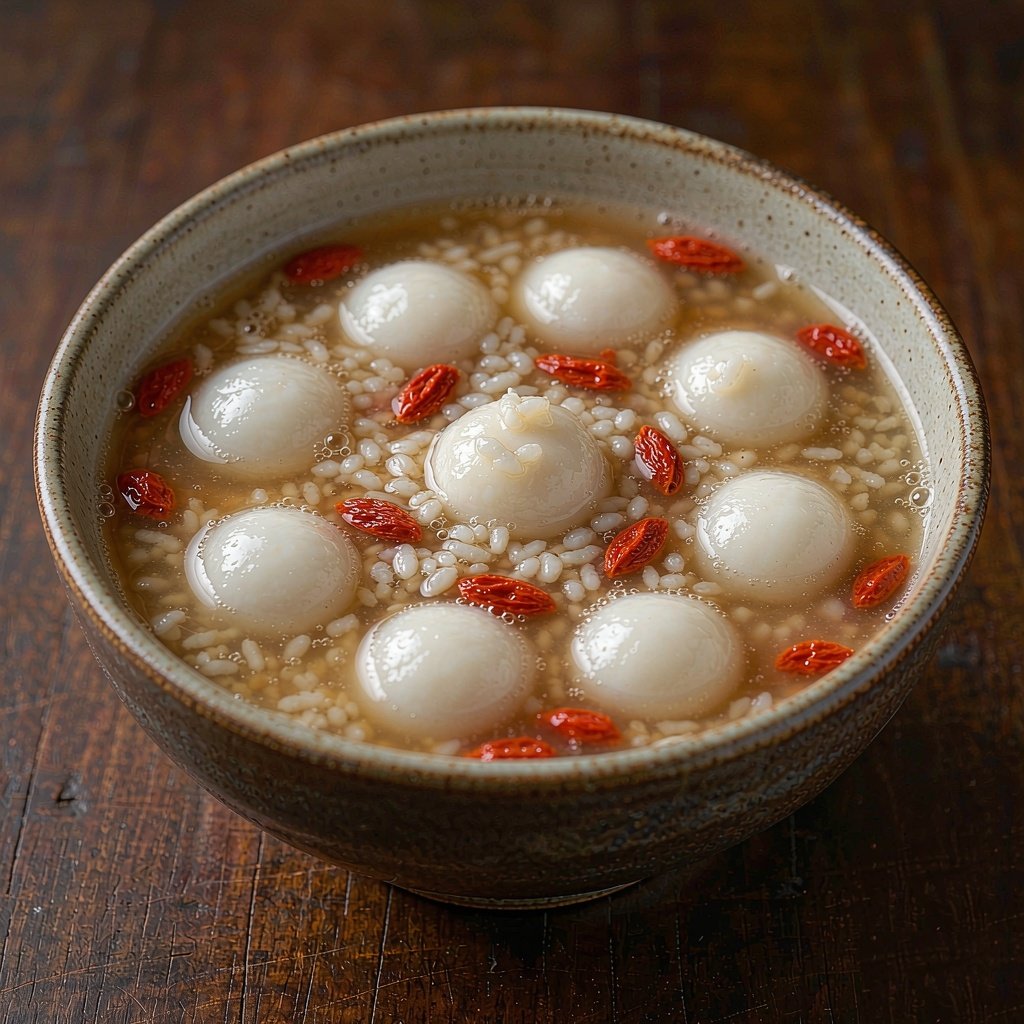
In much of the south, especially around Shanghai and Ningbo, tangyuan are not served in plain sugar water but in jiuniang (酒酿) — a lightly alcoholic, sweet fermented glutinous rice broth studded with the soft grains themselves, often with a few goji berries and a beaten egg swirled in. The tangyuan float in this gently fizzy, wine-scented soup, and the combination of creamy ball and tangy-sweet broth is, for many people, the definitive version. It is also the version you are most likely to be served at a festival breakfast rather than as an after-dinner sweet.
Peanut, Red Bean, and Other Fillings
Beyond sesame, the common fillings are crushed roasted peanut with sugar, smooth red bean paste, and mashed taro. In Sichuan you’ll occasionally find a savory twist with meat, and in Hong Kong the little balls often come stuffed with sweetened crushed peanuts and coconut. None of these require new technique — only a different filling ball at Step 4.
How Long to Boil Tangyuan (the Float Test)
The single most useful thing to know is the float test. Tangyuan are done roughly 2–3 minutes after they rise to the surface, with one or two cold-water “shocks” to ensure the inside is hot. Overboiling makes the skin sag and split; underboiling leaves a raw, doughy center. If a ball floats but feels light and hollow when nudged, give it another thirty seconds.
Tangyuan vs Zongzi — Two Very Different Festival Treats
It is easy to confuse the major Chinese festival foods. Zongzi are the sticky-rice dumplings wrapped in bamboo leaves eaten at the Dragon Boat Festival in early summer; tangyuan are the round, broth-served balls eaten in deep winter. Different season, different shape, different leaf (or no leaf at all), and a completely different eating texture. Both are about tradition, but they sit at opposite ends of the year.
If you are tracing how one humble ingredient — glutinous rice — gets bent into a dozen local traditions, it is a small window into how regional Chinese cuisines turn the same pantry into completely different celebrations. The method above also works as a shortcut for busy nights: keep a bag of frozen filled tangyuan in the freezer, boil straight from frozen (add a minute to the float time), and you have a festive bowl in under ten minutes without making dough at all.
Frequently Asked Questions
How many calories are in tangyuan?
A single sesame-filled ball is roughly 60–80 calories depending on size and filling, so a typical serving of four or five lands near 300–400 calories, before you count the sweet broth. They are energy-dense because of the rice starch and the fatty filling, which is another reason portions stay small.
What does tangyuan symbolize?
The round shape stands for 团圆, or reunion and togetherness, and the dish is eaten during the Lantern Festival as a way of wishing the family wholeness and closeness in the year ahead. The floating balls in a shared bowl are meant to mirror the full moon of that night.
Is tangyuan the same as mochi?
They share the same base ingredient — glutinous rice flour — and a similar chewy texture, but they are not the same. Mochi is usually plain, unsweetened pounded rice eaten on its own or with savory things, while tangyuan are specifically wrapped around a sweet filling and served in a warm soup. Think of tangyuan as the filled, soupy cousin of mochi.
Where can I eat good tangyuan in China?
Ningbo and Shanghai are famous for refined sweet versions, especially in fermented rice wine; Guangdong and Hong Kong lean toward peanut and coconut fillings; and nearly every city has a winter street stall during the festival. For travelers watching costs, tangyuan is also one of the cheapest comfort snacks you’ll find — our budget Chinese meals guide covers where to look for filling, low-price eats like this across the country.
Can I make tangyuan ahead and freeze them?
Yes, and you should. Uncooked wrapped balls freeze exceptionally well — lay them on a tray until solid, then bag them. Cook them straight from the freezer; they actually hold their shape better than fresh ones. Cooked tangyuan do not keep well, so only make as many as you’ll eat in one sitting.
Are store-bought frozen tangyuan any good?
Surprisingly yes. Most Chinese supermarkets sell decent frozen filled tangyuan, and they are a legitimate shortcut for a weeknight. The texture is slightly less delicate than handmade, but the convenience is real, and they let you enjoy the dish far from any festival or Chinatown. If you want the full experience, though, making the dough once is worth it.
A Bowls-Worth of Closing Thought
There is a reason tangyuan outlasts food trends: it is cheap, forgiving, and best eaten fresh, and under the sweetness it carries one of the warmest ideas in Chinese cooking — that to be round and together is worth celebrating. Make a batch, watch for the float, serve them hot.