

Our Jurong travel guide comes from routes we have built for travelers who want the spiritual calm of a Taoist mountain without the crowds of China’s headline peaks. Jurong (句容) is a county-level city in southwestern Jiangsu, tucked against the foothills of Maoshan and within easy reach of Nanjing, Suzhou, and Shanghai. It is best known as the gateway to Maoshan (茅山), one of the most important sacred mountains of the Zhengyi school of Taoism, and as the home of Baohua Mountain (宝华山), a forested national park famed for its ancient Buddhist monastery and wild rhododendron blooms. We have sent travelers there who wanted a slow, green escape between the canal towns and megacities of the Yangtze Delta, and it consistently over-delivers for the effort.
Why Jurong Is Worth a Stop in the Yangtze Delta
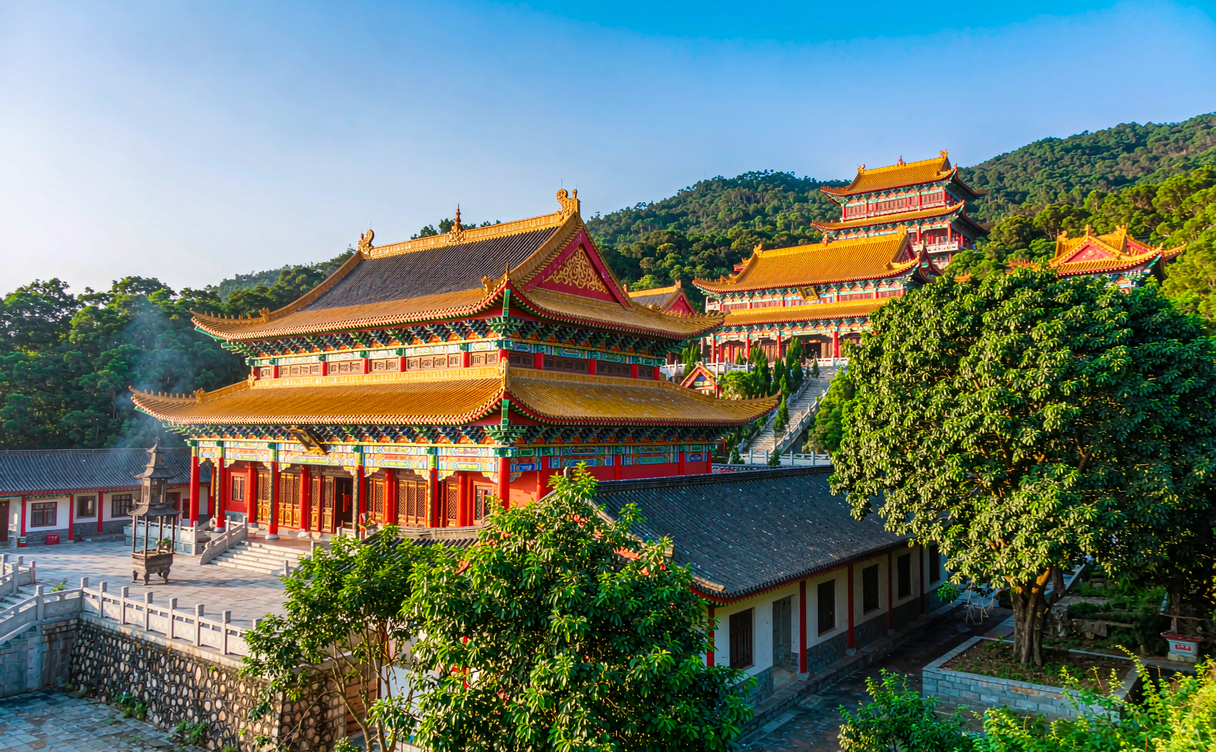
Jurong is not a destination you stumble into; it is one of those places you choose because you want depth rather than spectacle. The Maoshan mountain Jurong range is the headline. As a Taoist holy site, Maoshan has drawn pilgrims for over two thousand years, and the mountain is dotted with working temples, cliff carvings, and a cable car that lifts you above the pine forest to the main summit ridge. The atmosphere is genuinely devotional rather than theatrical, which is rare so close to the eastern metropolises.
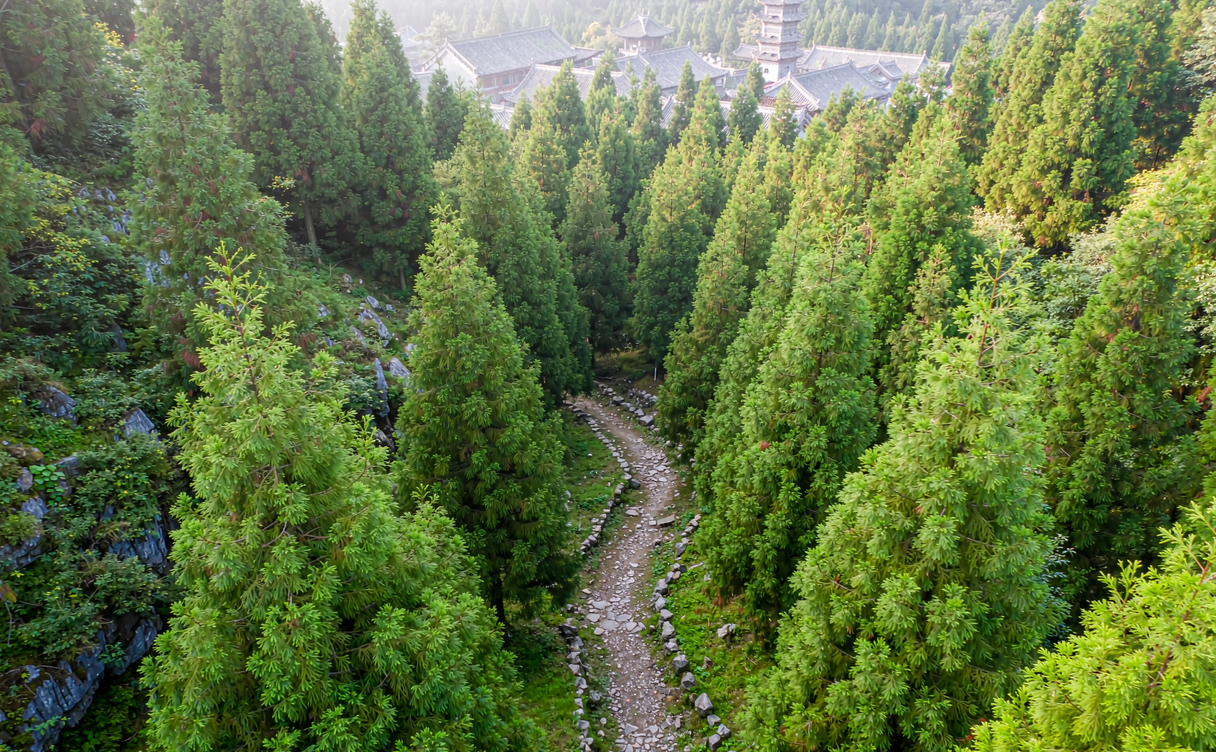
The second pillar is Baohua Mountain, a short drive north of the county seat. Its Longchang Temple (隆昌寺) is one of the most respected ordination monasteries in Chinese Buddhism, and the surrounding reserve protects rare plants and a famous late-spring rhododendron forest. For travelers building a wider Jiangsu loop, we usually connect Jurong with our Nanjing travel guide, since the provincial capital is the natural hub and just 40–60 minutes away by road or rail.
The things to do in Jurong Jiangsu are calm and outdoorsy: hike Maoshan’s stone paths, watch Taoist ceremonies, photograph the temple rooftops in morning mist, walk Baohua’s forest trails, and eat the simple mountain cuisine. It is a restorative counterpoint to the museum-and-canal circuit of the delta.
Best Time to Visit Jurong and How to Get There
The best time to visit Jurong is spring (April to May) and autumn (September to November). April brings Baohua’s rhododendrons into full bloom and Maoshan’s hills turn vivid green, with daytime temperatures of 18–25°C. Autumn is crisp and clear, ideal for hiking, with lows around 12°C at night. Summers are hot and humid (often 32–36°C) but the mountain forests stay a few degrees cooler; winters are cold and sometimes frosty, with occasional light snow on the peaks.
How to get to Jurong is straightforward thanks to its position in the delta. The nearest major airport is Nanjing Lukou International Airport (about 50–70 minutes by car, ¥150–220 by taxi or ¥25–40 by airport bus plus local transit). Jurong has high-speed rail connections via Jurong West Railway Station, with frequent trains from Nanjing (20–40 minutes, ¥15–30) and reachable links from Shanghai and Hangzhou with a change. For first-time visitors navigating the network, our high-speed train guide for foreigners explains ticketing and seat classes clearly. From Jurong’s stations, taxis and local buses reach Maoshan (about 30–45 minutes, ¥40–70 by taxi) and Baohua (about 30 minutes, ¥30–50).
Want Maoshan and Baohua built into a relaxed Jiangsu itinerary? Our planners can link Jurong with Nanjing, Suzhou, and the canal towns in one seamless route. Get in touch and we will design it around your pace.
Things to Do: Maoshan, Baohua, and Slow Town Life
Start with Maoshan. The scenic area ticket is around ¥90–120 depending on season, with a cable car add-on of roughly ¥50 one way or ¥80 round trip. Plan three to four hours for the main ridge, the Nine Wonderful Pavilions, and the Taoist rituals at the summit complex. Mornings are quieter and the light is best for photography. We advise modest dress and a respectful silence near active ceremonies.
Baohua Mountain is the gentler half-day. Entry is about ¥50, and the walk from the gate to Longchang Temple passes through dense woodland that bursts with rhododendrons in late April. The temple itself is an active monastic site; visitors are welcome but should keep voices low. Combined with Maoshan, a two-day Jurong visit feels full without being rushed.
For town life, Jurong’s county center has a pleasant old street, a handful of tea houses, and night markets where you can sample Jiangsu river-food and sweet soy snacks for ¥20–50 per person. The local specialty worth seeking out is Jurong’s strawberry and grape produce in late spring and early summer, sold at roadside stalls and picked fresh at small farm gardens on the city’s edges. We often tell travelers to spend one evening simply wandering the old street, buying a paper cone of roasted seeds, and watching the delta sunset from the small riverside park. It is low-key, but that is precisely the point of Jurong: the pleasures are small and local, not staged for visitors.
Beyond the two mountains, Jurong also works as a practical base for exploring the lower Yangtze’s lesser-known corners. The nearby Raozhou wetlands and a string of canal-side villages make easy half-day cycles if you rent an e-bike (¥30–50 per day) from a town shop. Carry a translation app, as English signage is minimal, and confirm your return taxi before venturing far, since evening ride availability thins outside the center. If you want to extend toward the classic garden cities, our Suzhou travel guide and our Yangzhou travel guide are natural next stops on a delta circuit, while our Zhenjiang travel guide covers the nearby river-city famous for its vinegar and hills.
Where to Stay and Practical Planning
Stay in Jurong city center for the widest choice and easiest transport, with mid-range hotels at ¥200–400 per night and budget options from ¥120. For a mountain immersion, a few guesthouses near the Maoshan gate offer temple-view rooms (¥250–500), but book ahead for holiday weekends when Nanjing residents escape the city. We recommend at least one night, ideally two, to catch both a sunrise on Maoshan and a forest walk on Baohua.
Local transport is a mix of taxis, ride apps, and infrequent buses; having a driver or rented car makes the two mountains far easier, especially with luggage. For seasonal context across the region, our best time to visit China guide helps you weigh Jiangsu’s climate against other provinces.
Prefer someone else to handle trains, drivers, and temple tickets? We can arrange a private Jurong day or overnight trip from Nanjing with an English-speaking guide. Contact us to reserve your dates.
A Final Word on Jurong
Jurong rewards travelers who measure a trip in quiet moments rather than checkmarks. The Taoist chants on Maoshan at dawn and the stillness of Baohua’s forests are the kind of experiences that stay with you long after the photos fade. It is also a smart, low-stress addition to any Yangtze Delta route, sitting comfortably between the big cities without demanding the time or stamina of a western-China expedition. We have watched first-time visitors arrive skeptical of a “small” stop and leave calling it the calmest day of their China trip, which is exactly the rhythm Jurong is built to deliver.
For authoritative background on the mountain’s cultural role, the Maoshan article on Wikipedia outlines the site’s long Taoist history and its place in Chinese religious geography.
Sample 2-Day Jurong Itinerary
When we send travelers here, we usually build Jurong as a relaxed overnighter rather than a whistle-stop, because the Maoshan mountain Jurong experience needs a full morning to feel spiritual rather than rushed. Here is the rhythm we recommend.
Day 1 — Maoshan and the county seat. Arrive from Nanjing by high-speed train (¥15–30, 20–40 minutes) and take a taxi to the Maoshan gate (¥40–70, 30–45 minutes). Buy the combined ticket (¥90–120) and ride the cable car up (¥80 round trip), then walk the Nine Wonderful Pavilions and watch a Taoist ceremony at the summit. Descend by mid-afternoon and return to Jurong city for the old street; dinner of river-food and sweet soy snacks runs ¥20–50 per person. Overnight in a center hotel (¥200–400).
Day 2 — Baohua Mountain and departure. After breakfast, taxi to Baohua (¥30–50, 30 minutes). Pay the ¥50 entry and walk the woodland path to Longchang Temple, allowing two hours for the rhododendron forest in late April. Lunch is a simple mountain noodle bowl (¥15–30). If time allows, rent an e-bike (¥30–50/day) for a short canal-side village loop before catching an evening train back to Nanjing or onward to Suzhou.
This pacing lets you catch a Maoshan sunrise and a Baohua forest walk without fatigue, which is exactly why we keep Jurong to two nights on a delta loop.
Planning a Jiangsu journey that balances cities and sacred mountains? Subscribe to our newsletter for new delta routes, seasonal bloom alerts, and practical China travel tips delivered to your inbox.
This Jurong travel guide shows why a small Jiangsu county can be the soul of a trip. Whether you come for Maoshan’s incense and mist or Baohua’s forests and temple bells, Jurong offers a grounded, genuinely local encounter with one of China’s most cultivated regions.