

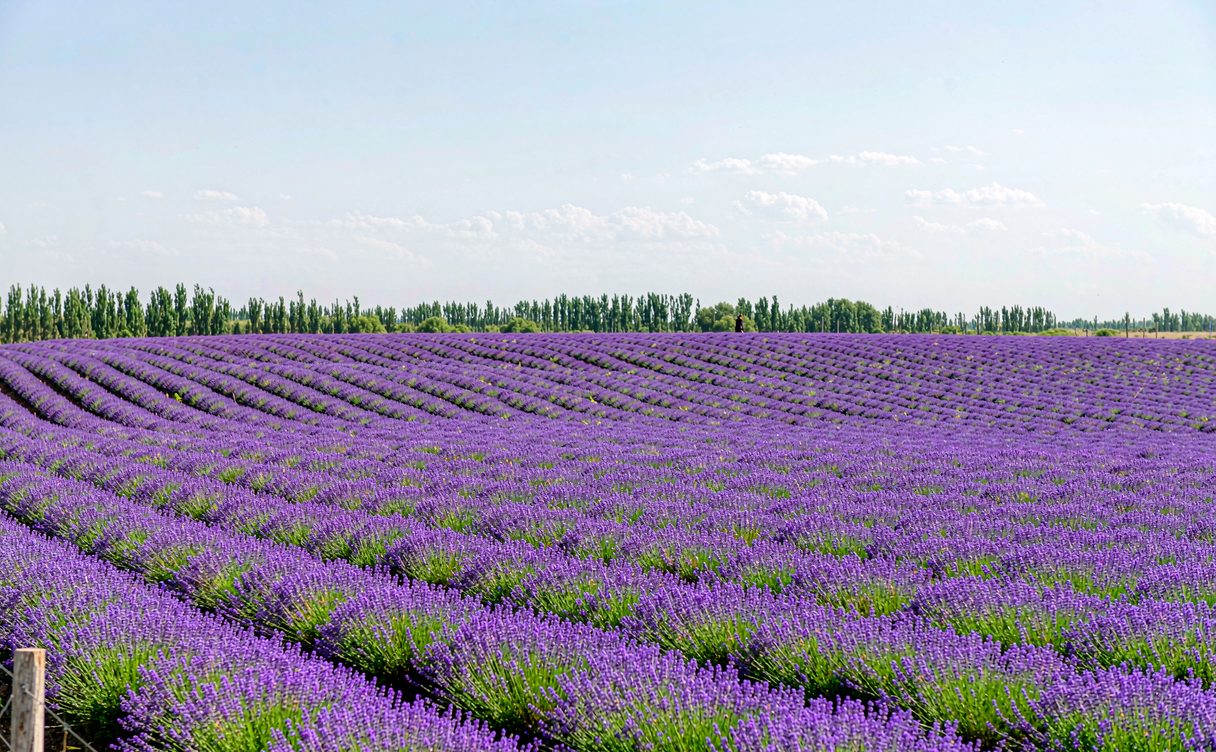
If you picture Xinjiang, China as nothing but desert and snow peaks, Huocheng will quietly correct you. This county in the Ili River valley grows more lavender than anywhere else in the country, and for three short weeks each summer its fields turn the hillsides purple. I timed my first visit badly — early June, a week before peak — and still came home with photos worth printing. This Huocheng travel guide explains when to come for the blooms, how to arrive, and what else the old Silk Road town offers once the lavender fades.
Why Huocheng Earned the Lavender Reputation
Huocheng’s climate — warm days, cool nights, and low humidity — mirrors the Mediterranean, which is exactly why lavender was trialed here in the 1960s and never left. Today the county produces most of China’s essential oil, and local farms welcome visitors into the rows for a small fee. The Huocheng lavender fields are the headline, but the surrounding valley is greener and more gentle than the Xinjiang many travelers expect. The encyclopedic background on the county sits at Huocheng County on Wikipedia if you want the administrative detail before you travel.
What surprises first-time visitors is the scale of the industry behind the pretty photos. Hundreds of households here grow lavender under contract to distilleries, and the harvest in early July fills the air with scent for miles. The Huocheng Lavender Museum lays out the distillation process, from the cut stems through steam extraction to the finished oil, and a small bottle of genuine local essential oil runs ¥60–150 depending on purity. I would budget an hour there even if museums are not usually your thing, because it explains why this quiet county ended up supplying half the country’s perfume base.
Best Time to Visit Huocheng
The best time to visit Huocheng is the last ten days of June into the first week of July, when the lavender is at full bloom and the distilleries are running. Come a fortnight early and you will see green spikes; a fortnight late and the harvest has cut the fields short. September is the alternative window, with golden poplars and far fewer tourists, though no lavender. Daytime highs in late June reach 26–30°C, and evenings cool to a pleasant 15–18°C. For the region’s wider seasonal logic, our best time to visit Xinjiang guide explains why the Ili north and the Taklamakan south rarely share a good month.
How to Get to Huocheng
Working out how to get to Huocheng starts, as with most of Ili, at Yining. The nearest airport is Yining (Ghulja), with flights from Urumqi (¥600–1,100) and a few mainland cities. From the airport or Yining’s train station, Huocheng is a 45–70 minute drive southeast, about 50 km, costing ¥60–100 in a shared van or ¥200–300 for a private car. There is no train to Huocheng itself, but the Yining rail link from Urumqi is a 10–12 hour sleeper if you prefer the ground route; see our China high-speed train guide for foreigners for booking mechanics, remembering this leg is a conventional train. A car is genuinely useful here, because the best lavender farms and the lakeside are spread along rural roads — which is why Huocheng suits the self-drive logic in our China road trip guide.
Things to Do in Huocheng
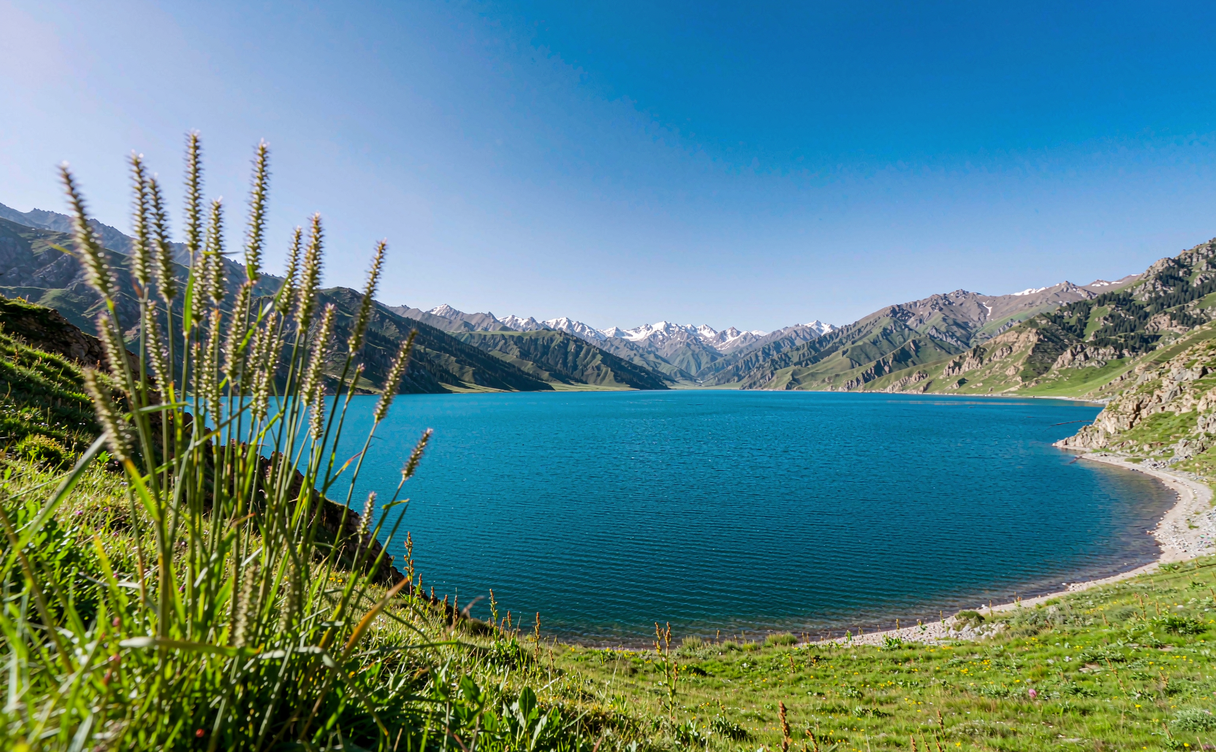
The things to do in Huocheng go well past the flowers. The lavender farms themselves — places like the Fourina (Sijiqing) plantation and the Huocheng Lavender Museum — charge ¥20–50 to enter and sell oils, sachets, and honey on site. Sayram Lake, about 60 km south, is the region’s showstopper: a high alpine lake ringed by meadows, often called the “last tear of the Atlantic,” with entry around ¥70 plus a ¥75 scenic shuttle. On the way, the Guozigou (Fruit Valley) bridge and gorge give a dramatic stop. Back toward town, the Huiyuan Ancient City preserves the Qing-era garrison of the Ili general, with restored walls and a modest museum (¥30–45) that frames the Silk Road and border history. For the corridor context, this town sits neatly on our China Silk Road itinerary.
Beyond the Lavender: Silk Road Heritage
Huocheng’s second identity is as a border and garrison town, and that history is worth a half-day. The Huiyuan Ancient City, a short drive northeast of the county seat, was the seat of the Qing “Ili General” who administered the frontier in the 18th and 19th centuries; the restored gate towers and the small military-history museum (¥30–45 combined) tell a cleaner story than the ruins suggest. A little farther sits Khorgos, the main land port to Central Asia, more interesting as a geographic curiosity than a sight — the free-trade zone sells imported nuts, chocolate, and honey, though I would not cross the border without proper paperwork. The whole area sat on the northern Silk Road, which is why caravans, not tourists, defined Huocheng for most of its history.
A Huocheng Itinerary
A workable Huocheng itinerary is two days and one night, ideally three if you add Sayram Lake properly. Day one: arrive from Yining, spend late afternoon in the lavender rows and the museum, overnight in Huocheng town. Day two: morning drive to Sayram Lake via Guozigou, afternoon back for a Huiyuan visit, and either return to Yining or push on. If you are chasing the bloom, build the whole loop around late June and treat Huocheng as the anchor, with Tekes and Yining as easy neighbors. The human landscape matters too: the Ili valley is home to Kazakh and Mongol herding communities, and our China ethnic minorities travel guide covers how to visit a yurt camp respectfully and what a fair price for a short stay looks like.
If you have a third day, split it between a slow morning at a working lavender farm — ask the owner to show you the still, most will happily demo for the price of a bottle — and an afternoon at Sayram Lake’s eastern shore, which most day-trippers skip in favor of the busy western entrance. Pack a picnic, because lakeside food is limited and pricey. This pace keeps Xinjiang, China feeling like a place rather than a list of stops, which is the whole point of coming this far west.
Where to Stay and Eat
Hotels in Huocheng town are basic but clean, with mid-range rooms at ¥160–320 a night and the occasional four-star reaching ¥400–500. During peak lavender week, book a week ahead or expect sold-out signs by midday. Food leans hearty and northern: grilled lamb skewers (¥3–5 each), naan fresh from the tandoor (¥3–6), and dairy-heavy Kazakh treats like kurt (dried salted cheese balls) and mare’s-milk yogurt. A filling plate of laghman noodles runs ¥20–35. The night market by the main square is the easiest place to graze across several stalls in one sitting, and it stays lively until well past 11 p.m. in summer.
Planning Notes for the Valley
Sun protection is non-negotiable — the UV on the open plateau around Sayram Lake is strong even when it feels mild. Bring a windbreaker; the lake sits above 2,000 meters and the wind bites. Mobile coverage is good in town but patchy at the lake and on farm roads, so download maps in Yining first. Cash helps at farm gates and small stalls. Give yourself a buffer on the return drive, because shared vans to Yining thin out after 7 p.m. and a missed ride means a pricier private car. For the bigger regional picture — distances, the north-south split, and where Huocheng fits — start with our Xinjiang travel guide, which I treat as the anchor for any Ili route.
Want the full Ili valley on wheels? Our China road trip guide shows how to link Huocheng, Tekes, and Sayram Lake by car.
Chasing the bloom? Check the best time to visit Xinjiang so you land in the late-June lavender window.
Building a Silk Road route? Open our China Silk Road itinerary to place Huocheng alongside the old trade towns.