

Hong Kong, China is one of the rare cities on earth where you can eat superbly at almost any hour and at almost any budget, from a HK$15 egg waffle grabbed at a street cart to a HK$1,500 tasting menu looking out over Victoria Harbour. We have sent travelers here who arrived expecting little more than dim sum and left obsessed with roast goose, silky pantyhose milk tea, and the humble wonton noodle soup sold from a decades-old cart on a quiet corner of Mong Kok. This food guide to Hong Kong, China is built from those trips — the stalls that locals genuinely queue for, the restaurants worth a reservation, and the small practicalities that make eating here effortless for a first-time visitor. If you are mapping a wider trip across the region, our China travel guide for first-timers explains how the Hong Kong, China dining scene differs from the mainland once you cross the border, from payment apps to tipping habits.
Dim sum: the weekend ritual worth waking up for
No visit feels complete without dim sum, and in Hong Kong, China the unspoken rule is to go early. Most teahouses open around 7:30 or 8 a.m., and the best baskets sell out before 11. Order from a roving trolley at older spots or tick a paper card at modern ones, then share small plates of har gow (crystal shrimp dumplings with snappy fillings), siu mai, char siu bao, and cheung fun (silky rice noodle rolls brushed with sweet soy and sesame). A satisfying meal for two at a neighborhood teahouse runs about HK$120 to HK$200, while a destination yum cha at a hotel restaurant can reach HK$400 to HK$600 per person. Our advice is to try at least one loud local spot and one refined dining room to feel the full range of the craft, and to arrive hungry enough to order three or four baskets per person rather than grazing on just one.
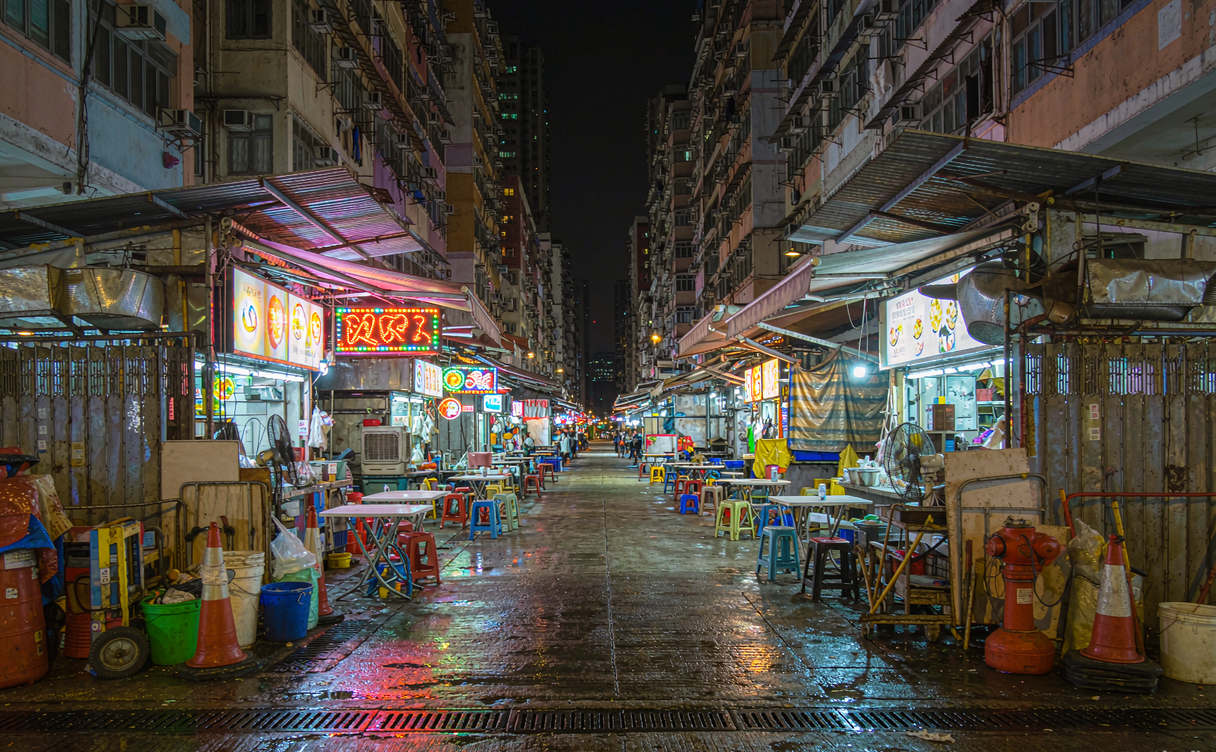
Street food and the open-air dai pai dong
The soul of the city’s food culture lives in its cooked-food centers and dai pai dong, the open-air stalls that survived the postwar years of Hong Kong, China. Head to the Temple Street Night Market in Kowloon or the humble stalls of Sham Shui Po for curry fish balls (HK$10 to 15 a skewer), soy-braised brisket, stinky tofu (an acquired but beloved taste), and egg waffles (gai daan jai) dusted with sugar. A filling street dinner rarely costs more than HK$80 to HK$120 per person. These are increasingly cash-light zones, so set up mobile payment before you arrive — our guide to Alipay and WeChat Pay for foreigners in China walks through linking an international card so you can scan-and-pay at almost any stall, which also speeds up entry at paid attractions later in your trip.
Wonton noodles and congee for a quick lunch
For a fast, restorative lunch, wonton noodle shops are an institution across Hong Kong, China. Thin egg noodles sit in a clear shrimp-and-pork broth, topped with plump wontons, and cost about HK$45 to HK$70 a bowl. Congee joints serve velvety rice porridge with fish, beef, or century egg for HK$30 to HK$55, often with a youtiao (fried dough stick) snapped in for texture. We have found the best bowls in Central and Mong Kok, frequently in shops with only a dozen seats and a broth recipe refined over thirty years. Order the “dry” noodle version with shrimp roe if you see it on the wall — it is a local favorite that tourists often walk straight past.
Roast meats: goose, duck, and char siu
Cantonese roast meats are the city’s pride and the dish we most often crave after leaving Hong Kong, China. A plate of glistening char siu (barbecued pork with a caramelized edge) over rice is HK$55 to HK$90, while a half portion of roast goose at a famous shop runs HK$150 to HK$260. The point is the crisp, lacquered skin and the rendered fat beneath it — order a mixed platter to try goose, duck, and pork together, and pair it with a pot of aged pu’er tea to cut the richness. Many shops sell by the quarter or half bird, so a solo traveler can still build a tasting without overspending, and the takeaway counters at the airport are a reliable last meal before flying out.
Cantonese banquet dinners
When you want a sit-down celebration, a Cantonese banquet is the move in Hong Kong, China. Expect shared courses that arrive in a set order: cold cuts, a soup, steamed whole fish (eaten last, as a sign of surplus), roasted meats, vegetables, and fried rice or noodles. A banquet menu for a table of six to eight typically runs HK$600 to HK$1,200 per person depending on whether abalone or crab appears, but you can build a lighter version at a neighborhood seafood restaurant for HK$250 to HK$400 a head. Book ahead for weekend rooms, and do not be shy about asking the captain to pace the dishes — locals treat the banquet as a slow, social affair rather than a race.
Sweet endings: milk tea and local desserts
The milk tea of Hong Kong, China, strained through a nylon “pantyhose” sock for extra smoothness, is for many visitors the drink they miss most after flying home. A cup from a cha chaan teng is HK$18 to HK$28. Follow it with mango sago pomelo, warm tofu pudding (douhua) with ginger syrup, or a pineapple bun (bo lo bao) with a slab of cold butter melting into the warm crust. Late-night dessert cafés in Causeway Bay and Tsim Sha Tsui stay open past midnight, perfect after a night-market wander, and many offer a quiet, air-conditioned break from the humidity that saves a summer evening.
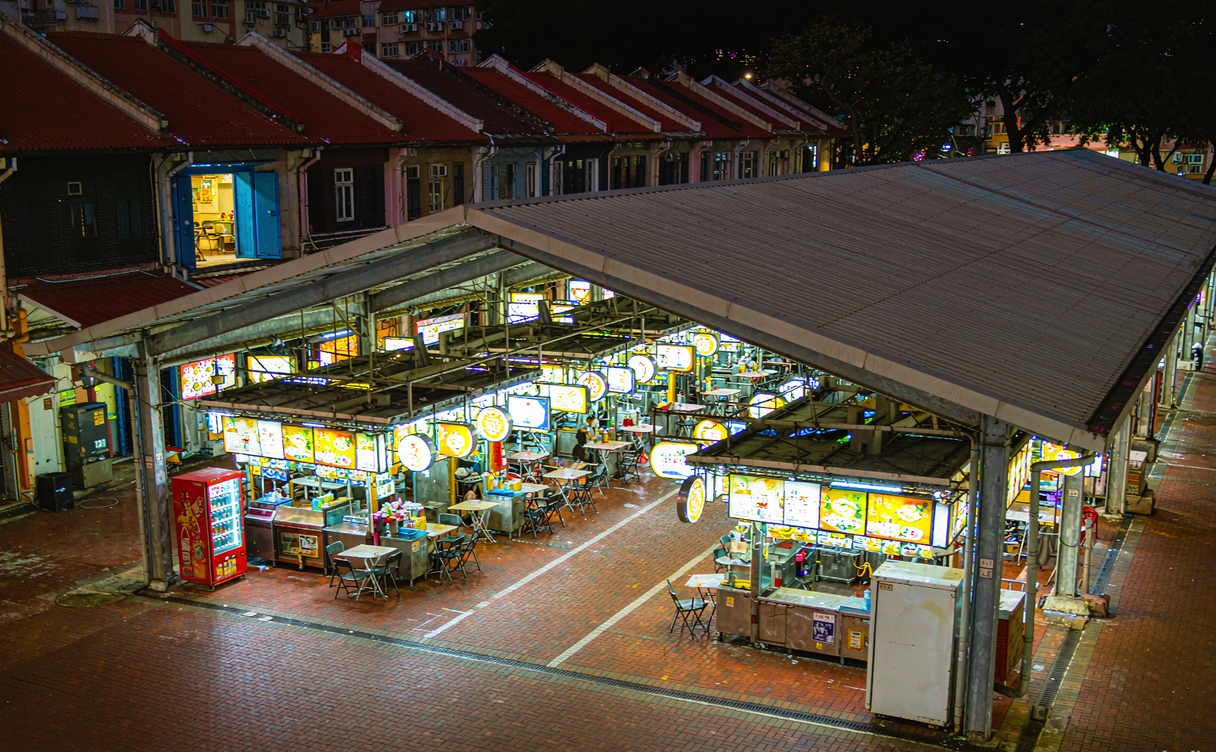
Neighborhood by neighborhood
Central and Sheung Wan lean refined and international, with Michelin-rated dim sum alongside craft coffee; Mong Kok and Sham Shui Po are where bargain street eats shine and where you will eat best for the least; Tsim Sha Tsui mixes tourist-friendly restaurants with hidden gems tucked into shopping malls; and the outlying island of Lamma offers seafood by the water at sunset, a short ferry from Central. Each district rewards a different mood, so we suggest picking one per day rather than rushing across the city on the MTR and missing the atmosphere that makes food in Hong Kong, China special.
Getting there and what to book
The international airport serving Hong Kong, China connects to the city center in about 25 minutes on the Airport Express, and the MTR plus an Octopus card (or simply your phone) covers almost every food district. We recommend booking hotel yum cha and any tasting menu a week ahead, especially on weekends, while street stalls and dai pai dong need no reservation at all. If you arrive via the mainland high-speed rail into West Kowloon, you are already within walking distance of some of the best Cantonese roasts in the city.
When to go and how to plan
The most comfortable time to eat your way through the city is generally October to December, when the weather is cool enough for long market walks and the humidity finally breaks. Our best time to visit China guide breaks down regional timing in detail and notes the festival calendar. Most restaurants accept cards and mobile pay, but tiny stalls still prefer scan-to-pay or cash, and tipping is not expected — a 10% service charge simply appears on the bill at upscale venues, so check before you sit down and ask for the menu price if anything looks unclear.
According to the Tourism Board of Hong Kong, China, the city hosts regular food festivals that line up with the good-weather months, which is worth checking against your travel dates.