

Hainan is China’s tropical answer to the island getaway, and for foreign visitors it offers something the mainland’s megacities rarely do: long stretches of sand, warm water, and resorts built to make the outside world disappear. This Hainan luxury resorts guide is for travelers who want the comforts of a world-class property — English-speaking staff, international dining, reliable Wi-Fi — without sacrificing the sense that they are somewhere distinctly Chinese.
The island’s appeal is simple. A short flight from most major hubs puts you on a coastline of coconut palms and turquoise bays, where the hotel is not just a place to sleep but the destination itself. Whether you come to swim, to spa, or simply to read by an infinity pool, the right resort does most of the work for you.
Where to stay in Hainan: the three coasts
Deciding where to stay in Hainan depends on the kind of trip you want. The south coast, around Sanya, is the most developed and the easiest for first-timers. The east coast, including Wanning, suits surfers and quieter travelers. The north, centered on Haikou, is the arrival city and a base for culture rather than beaches. Our Sanya beach travel guide breaks down the southern shoreline, and the Haikou travel guide covers the provincial capital’s colonial streets and volcanic parks.
For most luxury seekers, Sanya is the anchor. Its bays are strung with international brands, and the service culture is the most polished on the island. If you want a curated shortlist of the top addresses, the best hotels in Sanya ranks the properties worth the splurge, from overwater villas to hillside retreats with full-ocean views.
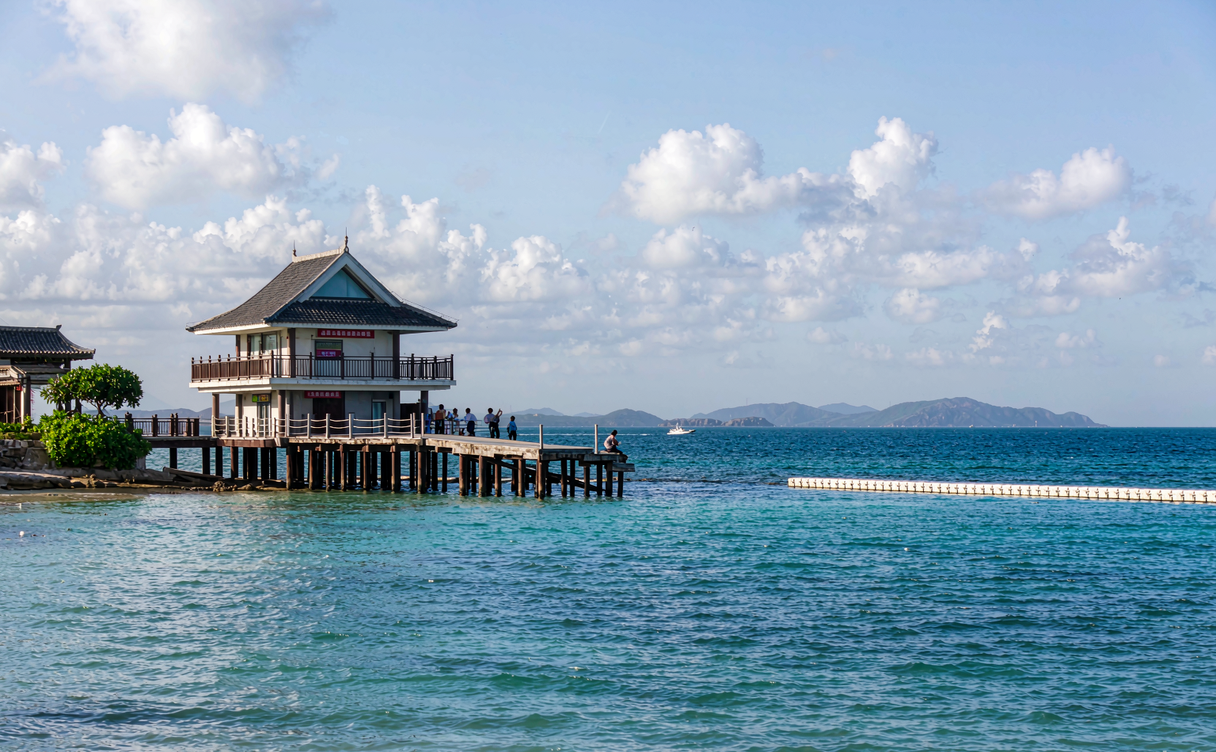
Sanya’s bays and the best resorts in Hainan
The best resorts in Hainan cluster in and around Sanya, but the bays differ in feel. Yalong Bay is the classic postcard: a wide crescent of pale sand backed by large, self-contained resorts where you can spend days without leaving the grounds. Our Sanya Yalong Bay guide details why this bay remains the default choice for families and honeymooners alike, with calm water and a buffer of gardens between the rooms and the road.
Luxury hotels Sanya offers tend to follow a familiar pattern: a grand lobby opening to the sea, multiple restaurants, a kids’ club, and a spa built around tropical ingredients like coconut and frangipani. What sets the top tier apart is privacy. The finest properties sell standalone villas with private pools, butler service, and breakfast delivered to your terrace. For a honeymoon or a milestone trip, that level of seclusion justifies the price.
Hainan beach resorts beyond Sanya
Sanya is not the whole island. Hainan beach resorts on the east coast trade polish for space and surf. Wanning, in particular, has become a magnet for younger travelers drawn to its waves and its lower-key vibe. The Wanning travel guide points to the surf towns and the boutique resorts that have opened along the shoreline, where the rhythm is slower and the crowd thinner than in the south.
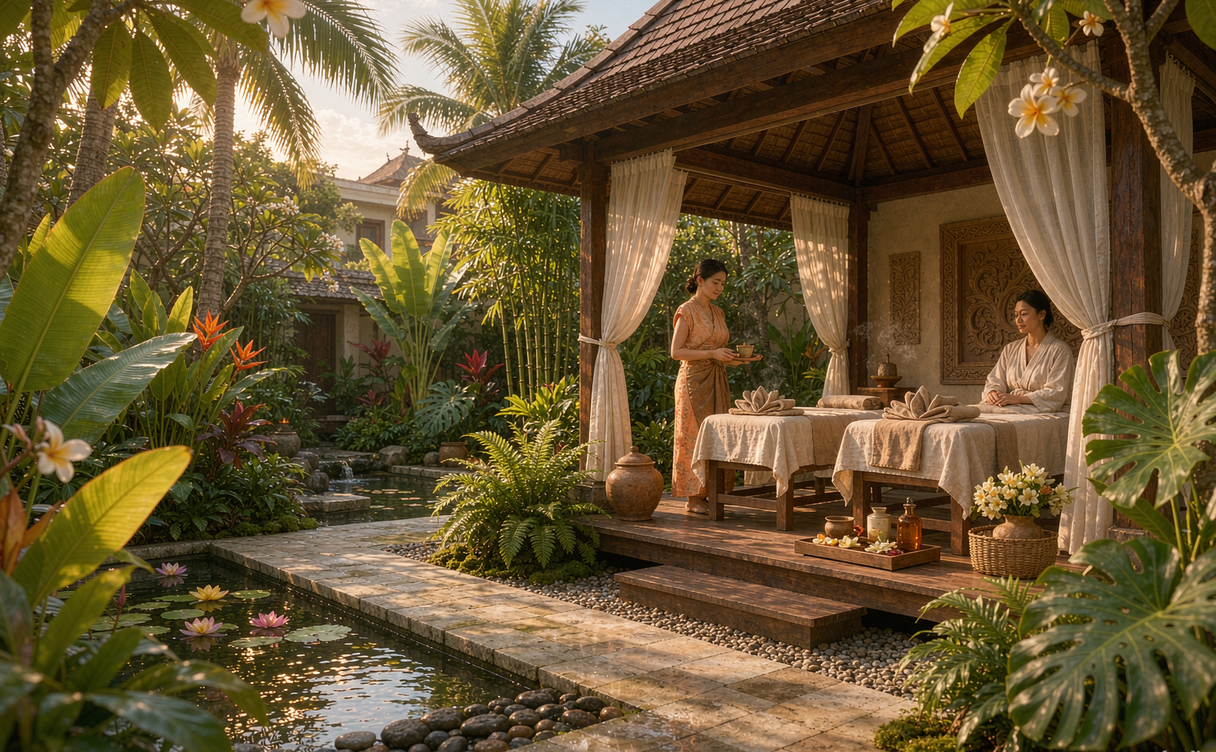
Hainan honeymoon resorts and the romance market
Hainan honeymoon resorts are a category of their own. Chinese couples have long chosen the island for weddings and anniversaries, and the resorts respond with heart-shaped baths, rose-strewn beds, and photography packages that use the beach at dawn. Foreign couples will find the same settings without the scripting, and the staff are accustomed to international guests. The trick is to book a property with a real beachfront rather than a “sea-view” room across a road, and to confirm in writing which meals and transfers are included.
What to do between the pools
The resort is only half the story. Step outside the gate and Hainan offers rainforest walks, Li and Miao minority villages, and a food scene built on seafood and tropical fruit that the hotel buffet only hints at. A good stay balances the two: mornings on the sand, afternoons exploring, evenings back at the pool with a fresh coconut. Inland, the rainforest reserves around Baoting and the hot springs of the center give the island a cooler, greener counterpoint to the coast, and a half-day drive opens a completely different landscape. The point is not to flee the resort but to give it context, so the laziness of the beach feels earned rather than empty.
Getting around the island
Hainan is ringed by a high-speed rail line that makes the resorts reachable without a car, which is a relief for visitors wary of Chinese road rules. Trains link Haikou, Sanya, and the east-coast towns in a few hours, and the stations sit close enough to the beaches that a taxi finishes the journey. Flights from the mainland land mostly at Sanya and Haikou, and the airport transfers offered by top resorts remove the last friction. Renting a scooter opens the smaller bays but demands confidence in tropical heat and casual traffic, so most foreigners do better with hired drivers for day trips. The island is compact enough that no single base locks you out of the rest.
Eating well beyond the resort
Resort dining is convenient but repetitive, and the best meals often sit just beyond the gate. Coastal towns serve wok-fried crab with fermented black bean, whole steamed fish with scallion, and fruit you will not find ripe at home — mango, rambutan, dragon fruit — piled by the roadside. A short walk from the larger properties reaches local seafood joints where the price is a fraction of the hotel and the flavors are louder. Ordering by pointing at the tank is normal, and a few phrases or a translation app close the gap. Balancing one fancy resort dinner with two local ones is the smart way to eat well without blowing the budget. The climate itself is the resort’s quiet partner: sea breezes keep evenings soft even in warm months, and the daily rhythm of a beach town suits travelers who arrive wound tight and leave loose. Give the island two full days at minimum; anything less and you spend more time transferring than resting.
Booking smart as a foreign visitor
Practicalities matter more than they do at home. Our China hotel booking foreigners guide walks through passport requirements, deposit holds, and the apps that actually work for foreign cards. Many resorts quote in yuan but accept international payment at the front desk, and a confirmed reservation in English smooths the check-in. The China National Tourist Office also publishes official visitor information on the island that helps you verify seasons and transport before you commit.
Timing shapes the experience. Hainan’s peak is winter, when northern China freezes and the south fills with sun-seekers; prices climb and beaches busy up from December to February. The shoulder seasons of spring and late autumn bring lower rates and emptier pools while the water stays warm. Summer is hot and humid with the occasional typhoon, but it is also the cheapest window and the lushest. If you want a specific villa or a honeymoon package, reserve two to three months ahead for peak dates and a few weeks ahead otherwise.
The resort is only half the story. Step outside the gate and Hainan offers rainforest walks, Li and Miao minority villages, and a food scene built on seafood and tropical fruit that the hotel buffet only hints at. A good stay balances the two: mornings on the sand, afternoons exploring, evenings back at the pool with a fresh coconut. That rhythm is what turns a beach holiday into a real sense of place.
Wherever you base yourself — the polished bays of Sanya, the surf towns of Wanning, or the cultural streets of Haikou — Hainan rewards travelers who treat the resort as a beginning rather than an ending. The sand is soft, the water is warm, and the island’s particular kind of Chinese leisure is waiting the moment you check in.