

Last updated: July 2025
China visa-free policy 2025 has made visiting the country dramatically easier. If you held off on a China trip because of visa paperwork, 2025 is the year to reconsider. China has expanded unilateral visa-free entry to around 50 countries, stretched its transit allowance from 144 hours to a generous 240 hours, and opened a brand-new visa-free route for ASEAN tour groups. These changes arrived in quick succession through late 2024 and into 2025, and they reshape how foreign tourists can enter, move around, and plan multi-city trips.
The bottom line: more passport holders than ever can now land in China without a visa, and those using the transit route get far more time and freedom to travel. Below is a clear, practical breakdown of every major update, what it means for your itinerary, and where to confirm the rules before you fly.
Key Takeaways
– Nationals of around 50 countries can now enter China visa-free for up to 30 days for tourism, business, and transit.
– The visa-free transit allowance was extended to 240 hours (10 days) on December 17, 2024, covering 54 countries and 60 ports.
– A new visa-free route lets ASEAN tour groups (2+ travelers) visit Xishuangbanna, Yunnan, for up to 6 days, effective February 10, 2025.
– Transit travelers can now move across 24 provinces and regions, not just a single city.
– Policies change frequently — always confirm your eligibility with official sources before booking.
Unilateral Visa-Free Entry: 50 Countries, 30 Days
In late 2023, China began a rolling expansion of unilateral visa-free entry for ordinary passport holders. The pace accelerated through 2024 and into 2025. Today, nationals of roughly 50 countries can arrive without a visa for tourism, business, visiting friends and relatives, exchange visits, or transit — and stay for up to 30 days.
The confirmed list spans four regions:
- Europe (35): Andorra, Austria, Belgium, Bulgaria, Croatia, Cyprus, Denmark, Estonia, Finland, France, Germany, Greece, Hungary, Iceland, Ireland, Italy, Latvia, Liechtenstein, Luxembourg, Malta, Monaco, Montenegro, Netherlands, North Macedonia, Norway, Poland, Portugal, Romania, Russia, Slovakia, Slovenia, Spain, Sweden, Switzerland, and the United Kingdom.
- Asia (7): Bahrain, Brunei, Japan, Kuwait, Oman, South Korea, and Saudi Arabia.
- Oceania (2): Australia and New Zealand.
- Americas (6): Argentina, Brazil, Canada, Chile, Peru, and Uruguay.
A key milestone came on November 30, 2024, when China added nine more countries — including Japan, Bulgaria, and Romania — pushing the total past three dozen. Further rounds in 2025 broadened the list to its current size.
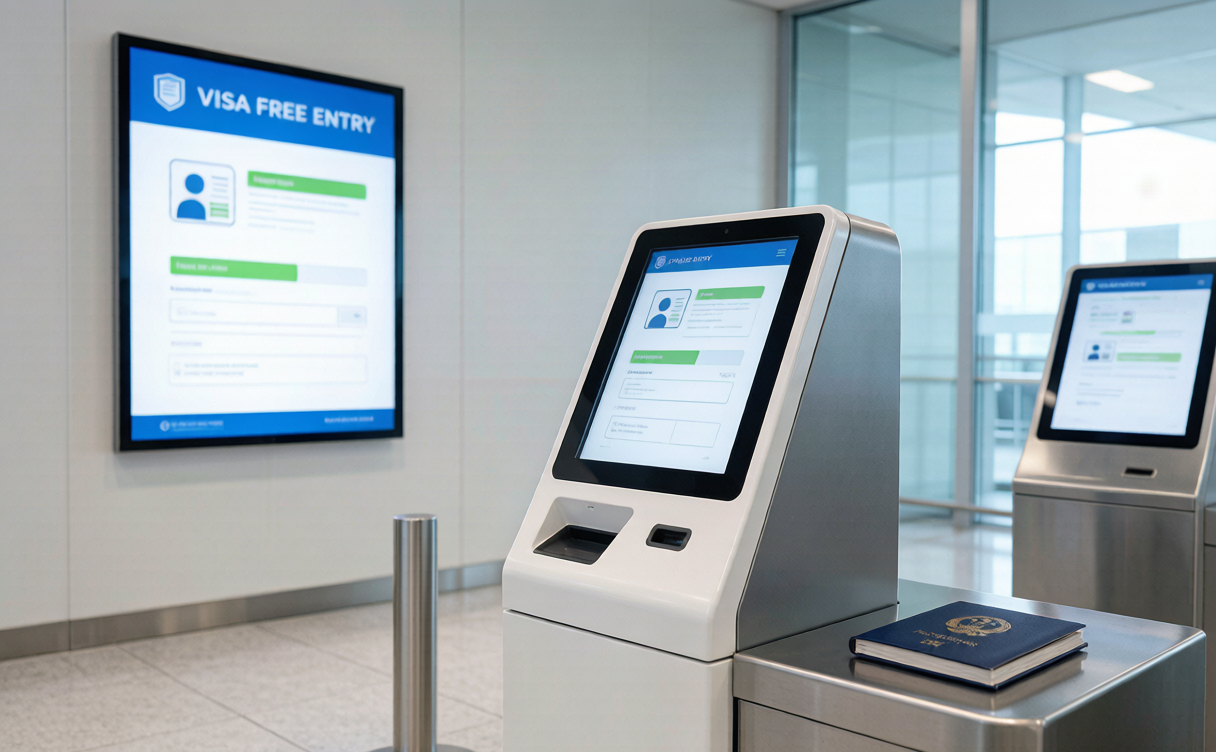
One detail trips up many first-time planners: the 30-day clock starts at 00:00 on the day after you enter. Land in Beijing at 9 p.m. on a Friday, and your 30 days begin Saturday at midnight. Build that buffer into your return flight.
Mini-story: When James, a reader from Manchester, emailed me in March 2025, he assumed he still needed a tourist visa because he had last visited in 2019. I pointed him to the current unilateral list and helped him confirm his UK passport qualified for the 30-day entry. He booked a two-week trip to Beijing and Chengdu and walked through the passport lane with no visa paperwork at all.
240-Hour Visa-Free Transit: The 10-Day Game Changer
The biggest headline of the China visa-free policy 2025 rollout is the transit upgrade. On December 17, 2024, the National Immigration Administration extended the old 72-hour and 144-hour transit windows to 240 hours (10 days).
Here is what changed:
- Stay: Up to 240 hours (10 days) instead of 144.
- Eligible countries: 54, including the United States, the United Kingdom, Canada, Australia, and most of Europe.
- Entry ports: 60 open ports, up from 39, after 21 new ports were added.
- Allowed areas: 24 provinces, regions, and municipalities — up from 19.
- Movement: You can now travel cross-province within the designated areas, not just stay in one city.
The older 144-hour transit program still exists in practice, but it has been folded into the broader 240-hour framework. If you qualify for transit visa-free, you now get the longer window by default. Our China 144-hour visa-free transit guide breaks down the eligible ports and sample routes in detail.
To use it, you must hold a confirmed onward ticket to a third country or region within 240 hours, enter through a designated port, and stay within the allowed zones. A common itinerary: fly into Shanghai, ride the high-speed train to Hangzhou and Nanjing, then depart from Beijing. Cross-province travel is now permitted, which opens up real multi-city trips.
ASEAN Tour Groups: A New Visa-Free Route to Xishuangbanna
On February 10, 2025, China launched a dedicated visa-free route for tourist groups from the ten ASEAN nations. Travelers from Malaysia, Indonesia, Thailand, the Philippines, Singapore, Brunei, Vietnam, Laos, Myanmar, and Cambodia can now visit Xishuangbanna Dai Autonomous Prefecture in Yunnan without a visa.
The rules:
- Groups must have two or more people.
- Travel must be organized by a registered Chinese travel agency.
- Entry is through Xishuangbanna Gasa International Airport, Mohan Railway Port, or Mohan Highway Port.
- Stay is capped at six days, and movement is limited to Xishuangbanna Prefecture.
This is a targeted policy, not a general ASEAN visa waiver. But for travelers already exploring Southeast Asia, it creates an easy overland or rail hop into southwest China’s rainforests and Dai culture.
What This Means for Your Trip Planning
The practical upside is large. A tourist from an eligible country can now combine the unilateral 30-day entry with open-jaw flights, or use the 240-hour transit to sample several cities without a visa application. The China visa-free policy 2025 changes are the most traveler-friendly in a decade, but only if you match the right rule to your passport.
A few planning tips:
- Match the rule to your passport. Eligible for unilateral entry? You get 30 days, no strings. Not eligible? Check the 240-hour transit list before ruling out a visa-free trip.
- Build in the day-after buffer. The 30-day count starts the day after arrival.
- Think in regions, not single cities. With 24 provinces open under transit, a Shanghai–Hangzhou–Beijing loop is realistic. Our China high-speed train guide for foreigners shows how to connect them.
- Time your visit well. Spring and autumn offer the most comfortable weather across most regions — see our best time to visit China guide for a month-by-month breakdown.
Mini-story: Sofia, a reader from São Paulo, used the 240-hour transit rule last autumn. She flew into Shanghai, took the train to Hangzhou and Beijing, then flew on to Seoul — all within 10 days and with no Chinese visa. When she first messaged me, she wasn’t sure her Brazilian passport qualified. I helped her confirm Brazil is on the 54-country transit list, and she built the whole loop around the 240-hour window.
Who Still Needs a Visa
Not everyone is covered. Travelers whose country is outside both the unilateral and transit lists still need a visa for tourism. Likewise, if you plan to work, study, or stay longer than the allowed window, you’ll need the appropriate permit.
Our China tourist visa application guide walks through the documents, photo specs, and invitation-letter requirements step by step. If your nationality isn’t on the visa-free lists, apply well before your departure date — processing can take a week or more depending on your local consulate.
For a broader plan, our China travel guide for first-timers covers connectivity, payments, and transport so the visa is just one box on your checklist.
FAQ
Do I need a visa to visit China in 2025 if I’m from an eligible country?
If your country is on the unilateral visa-free list (around 50 nations) and you’re visiting for tourism, business, or transit for 30 days or less, you do not need a visa. Otherwise, check the 240-hour transit list or apply for a tourist visa.
Can I travel between cities under the 240-hour transit rule?
Yes. The relaxed policy lets you move across 24 designated provinces and regions, as long as you stay within the allowed areas and leave China within 240 hours on a confirmed onward ticket.
How long can ASEAN tour groups stay in Xishuangbanna without a visa?
Up to six days. The group must have at least two people, be arranged by a Chinese travel agency, and enter through one of three designated ports, staying within Xishuangbanna Prefecture.
Is the 144-hour transit program gone?
It has been consolidated into the 240-hour (10-day) framework. Eligible transit travelers now receive the longer stay by default, so the practical benefit is simply more time.
Verify Before You Fly
The policies described here change frequently. New countries join the unilateral list, transit ports open, and stay limits shift. This article is informational and is not legal advice. Always confirm your eligibility with official sources before booking:
- National Immigration Administration — List of countries covered by unilateral visa exemption policies
- State Council of China — Visa-free transit policy fully relaxed and optimized (Dec 17, 2024)
When in doubt, contact the nearest Chinese embassy or consulate.
Written by Karl. Karl has spent the last three years helping foreign visitors plan practical, low-stress trips across China.