

I first understood the appeal of China houseboat stays the night I slept on a converted barge on Qiandao Lake in October 2025. The wind dropped after sunset, the water went black and still, and the only sound was the soft knock of the hull against the pontoon. I paid RMB 520 for the night including a simple dinner of lake fish, and I woke to mist over a thousand islands that no hotel balcony in the nearby town could match. This guide is for travelers who want to know what a night on the water actually costs, where the good boats are, and how to book one without speaking fluent Chinese.
What counts as a houseboat stay in China
When I say houseboat hotels China, I mean boats you actually sleep on: converted cargo barges turned into guest cabins, narrow canal boats in water towns, floating fishing lodges, and the occasional private yacht with bunks. I do not mean lakeside resorts with a marina view; that is a different article. A true China water stay means the bed floats. The range runs from rough fishing boats with shared toilets at RMB 150 to 250 a night to polished canal suites near Hangzhou at RMB 900 to 1,800. The middle tier, around RMB 400 to 700, is where most foreign travelers will be comfortable and happy.
I have now done four such nights across three provinces, and the single biggest variable is not the boat but the operator. A licensed houseboat inside a managed lake zone is clean, safe, and quiet; a freelance boat rented at a village dock can be charming and risky in equal measure. Our China slow travel guide makes the case for exactly this kind of unhurried, place-bound trip, and it is the mindset I bring to every booking below.
Qiandao Lake and the barge night
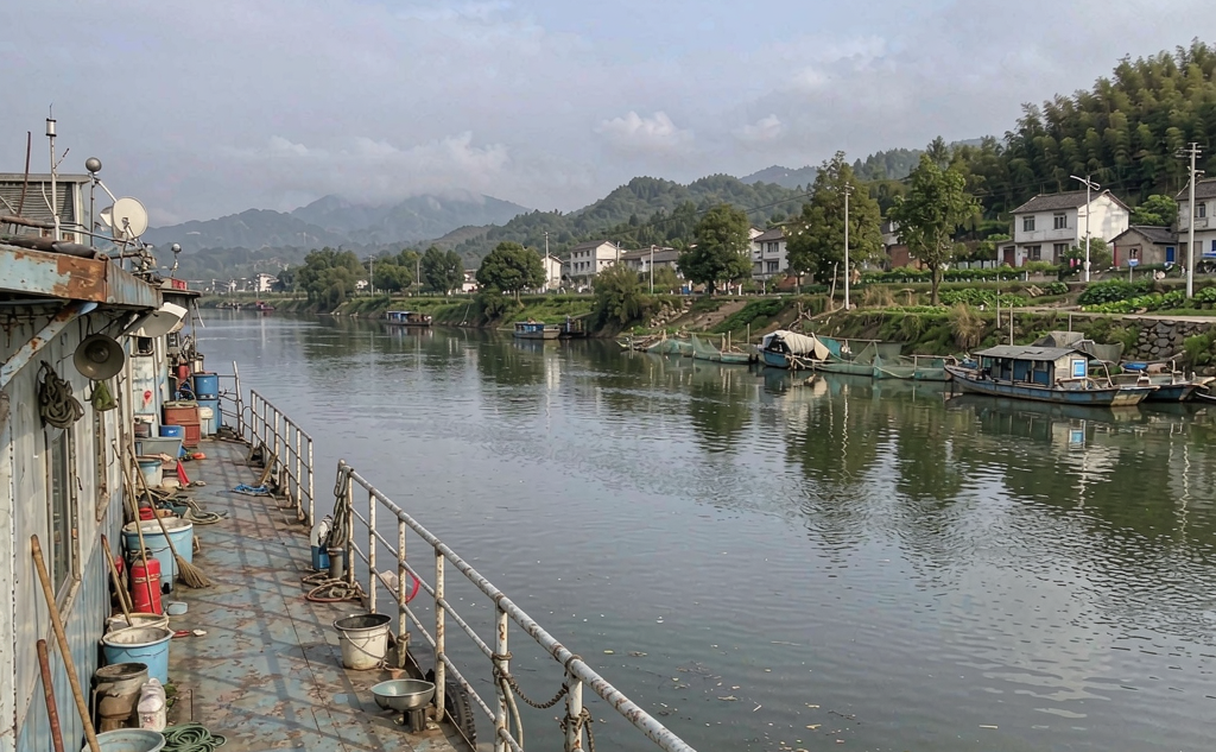
Qiandao Lake in Zhejiang is the easiest place to try this. The tourism zone around the main wharf in Qiandao Lake Town runs licensed overnight boats; I booked mine through the hotel desk for RMB 520 including dinner, and a fancier glass-walled barge went for RMB 980. The boats moor in a sheltered cove, so there is no engine noise after 9 p.m. Bring a light jacket even in October — the water pulls the temperature down to about 14°C at night while the town stays near 20°C. The reservoir’s geography, built by flooding valleys in the 1950s, is explained on Qiandao Lake at Wikipedia if you want the backstory before you go.
Taihu and the fishing-lodge tradition
For a China lake lodging feel on a giant freshwater lake, Taihu on the Jiangsu side near Suzhou and Wuxi has a long tradition of floating fishing lodges. These are working platforms where the owner lives and rents two or three cabins to visitors, usually RMB 300 to 600 with an all-fish dinner included. I spent one April night on a Taihu lodge and the wind off the lake was sharp enough that I kept the cabin door shut, but the braised white fish at RMB 68 a plate was worth the chill. Our Taihu Lake guide maps the scenic drives and ferry points where you can arrange these stays through the lakeside hotels, and it is the most reliable write-up I have found for first-timers.
Canal boats in the water towns
For a floating night without a big lake, the canal towns southwest of Suzhou and the riverside inns of Fenghuang offer moored boats you can rent by the night. At Wuzhen and Xitang a decorated canal boat with a bed runs RMB 600 to 1,200 on weekends, dropping to RMB 380 to 600 midweek. These are more novel than serene — the canals are busy until late and the walls are thin — but they are unforgettable for a single night. Our China ferry and island hopping guide covers the longer water routes if you want to pair a boat night with a real crossing, and our China beaches guide lists the coastal lakes where a similar stay exists near the sea.
The Li River and slow river drifting
The Li River between Guilin and Yangshuo is famous for day cruises, but a few operators run overnight boats, and the experience is the purest form of a China slow travel stay I have found. I did not sleep on one (they are seasonal and pricey, roughly RMB 1,500 to 2,500 with meals), but I met a German couple who called it the highlight of three weeks in China. These are proper boat hotels China style — wood cabins, a top deck for sunrise over the karsts, and a chef who fishes the river for your breakfast. Book these two months ahead in autumn; the handful of licensed boats sell out to domestic honeymooners first.
Prices, seasons, and what to pack
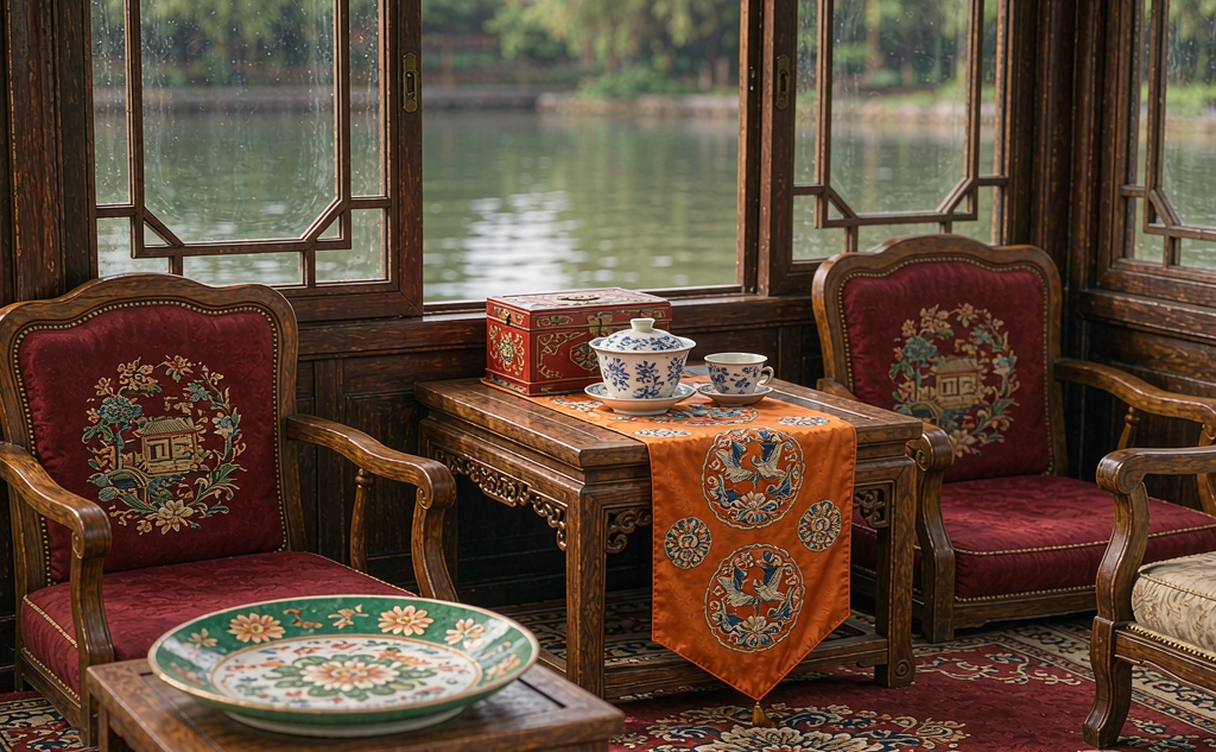
Expect to pay RMB 150 to 300 for a basic fishing boat, RMB 400 to 900 for a comfortable barge or canal suite, and RMB 1,200 to 2,500 for a luxury river boat. Spring (April to May) and autumn (September to October) are best: calm water, fewer storms, and night temperatures you can sleep through with one blanket. Summer brings typhoon risk on the coast and muggy cabins inland; winter is cheap and empty but you will need the heated cabins that not every boat has. A China water stay in January near Qiandao Lake ran me RMB 380 because almost nobody books, but the boat’s heater was weak and I wore two layers to bed. Pack a small flashlight, offline maps, and a warm layer even in warm months, because the dock lights go out early and signal on the water is worse than you expect.
Booking and safety notes
Book through your lakeside hotel, a verified platform listing, or a tourism-center desk rather than a stranger at the dock. Ask three things: is the boat licensed, where does it moor, and is there a toilet on board. I once skipped the toilet question and regretted it by 11 p.m. Our China honeymoon destinations guide flags the most romantic boat options if you are traveling as a couple, and a private barge with a bottle of wine is hard to beat. Always confirm the refund policy before you pay, since weather cancellations are common and a dock-side argument in translation is no fun.
Food on the water
Most overnight boats include at least one meal, and the good ones cook what they catch. On Qiandao Lake my RMB 520 night came with a whole steamed lake fish (about 1.5 kg) for RMB 88 on its own, plus pickled vegetables and rice. On the Li River the breakfast was river shrimp and congee. If your boat does not feed you, eat before you board; the cove moorings are far from late-night snacks. Our China hot springs resorts guide pairs well with a lake trip if you want to warm up after a cold night on the water, and several Taihu lakeside resorts sit within a short DiDi of the fishing lodges.
Is a houseboat night worth it
For me, yes, but only as a deliberate treat rather than a default. A China houseboat stays night costs more than a hostel and less than a resort, yet it gives you something neither offers: the lake or river as your only neighbor. If you travel slowly and like mornings with no traffic, put one floating night on your route and let the water do the rest. Start with the easiest, best-run option — a licensed Qiandao Lake barge — and you will quickly learn whether the rocking and the quiet are your kind of luxury.