

I have slept in a bamboo cabin on stilts in Moganshan and a raised wooden loft above a Xishuangbanna stream, and both nights taught me the same thing: China’s forest stays are better than their reputation, and the best of them put you in the canopy rather than under it. This China treehouse stays guide is a curated pick of six forest regions where you can book an elevated room among the trees, drawn from trips in 2024 and 2025 and the RMB I paid at the desk. It stays strictly on treehouse and elevated forest lodging so it does not clash with our glamping, farm-stay, or city-hotel round-ups, and it is written for travelers who want a quiet night with leaves at the window.
Why sleep in the trees
An elevated forest room cools better than a ground cabin, opens to bird song instead of traffic, and turns a normal hike into an overnight. The treehouse hotels China has built in the last decade range from rustic stilt huts to glass-walled canopy suites, and I have found honest options at every budget. China forest lodging is at its best in the humid south and the cool northeast, where the woods are thick and the air is clean. If you want a tent instead of a roof, our China glamping and camping guide covers the canvas side of the same forests.
For the foreign-passport and card steps, the China hotel booking guide for foreigners is the page I open before every booking, because some forest lodges still prefer a Chinese ID at checkout and the workaround is simple once you know it.
1. Moganshan (Zhejiang)
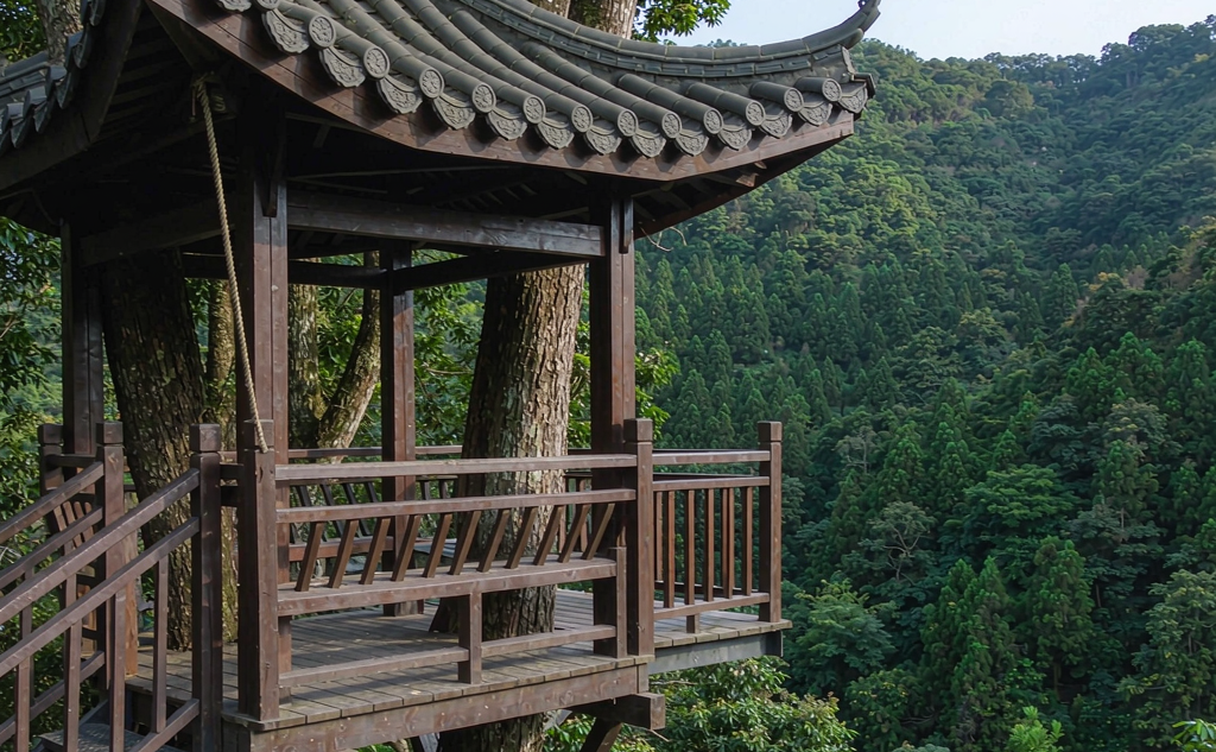
The birthplace of China’s design-cabin boom. Two hours by train from Hangzhou, Moganshan’s bamboo hills are dotted with elevated villas where I paid RMB 800 to 2,000 a night for a stilt room with a valley view. Reach it via Deqing station then a 30-minute DiDi. The vibe is slow and stylish, with infinity pools and good coffee; it suits couples and remote workers. Mornos and the old missionary cottages make a fine walk. I treated it as a two-night Beijing-or-Shanghai escape and left restored.
2. Anji bamboo country (Zhejiang)
Anji, one valley north of Moganshan, leans family and bigger treehouse resorts inside working bamboo. I paid RMB 500 to 1,100 a night for a raised cabin with a slide for kids and a stream below. The high-speed line to Anji station plus a short transfer gets you there; the China summer destinations guide lists it as a cool green break in July. It suits families and hikers, and the bamboo raft ride (RMB 60) was a hit. Book the forest-side wing, not the lobby block, for the canopy feel.
3. Wuyi Mountain (Fujian)
A UNESCO forest reserve with lodges tucked at the edge of the tea hills and river gorge. I stayed in an elevated timber room at RMB 600 to 1,300 a night, reached by high-speed train to Wuyishan North then a 20-minute ride. The Wuyi Mountains are protected for good reason, and the morning bamboo-raft float (RMB 130) downstream from the lodge was the calmest hour of the trip. It suits older travelers and tea lovers; the nine-bend river at dawn is the draw.
4. Xishuangbanna rainforest (Yunnan)
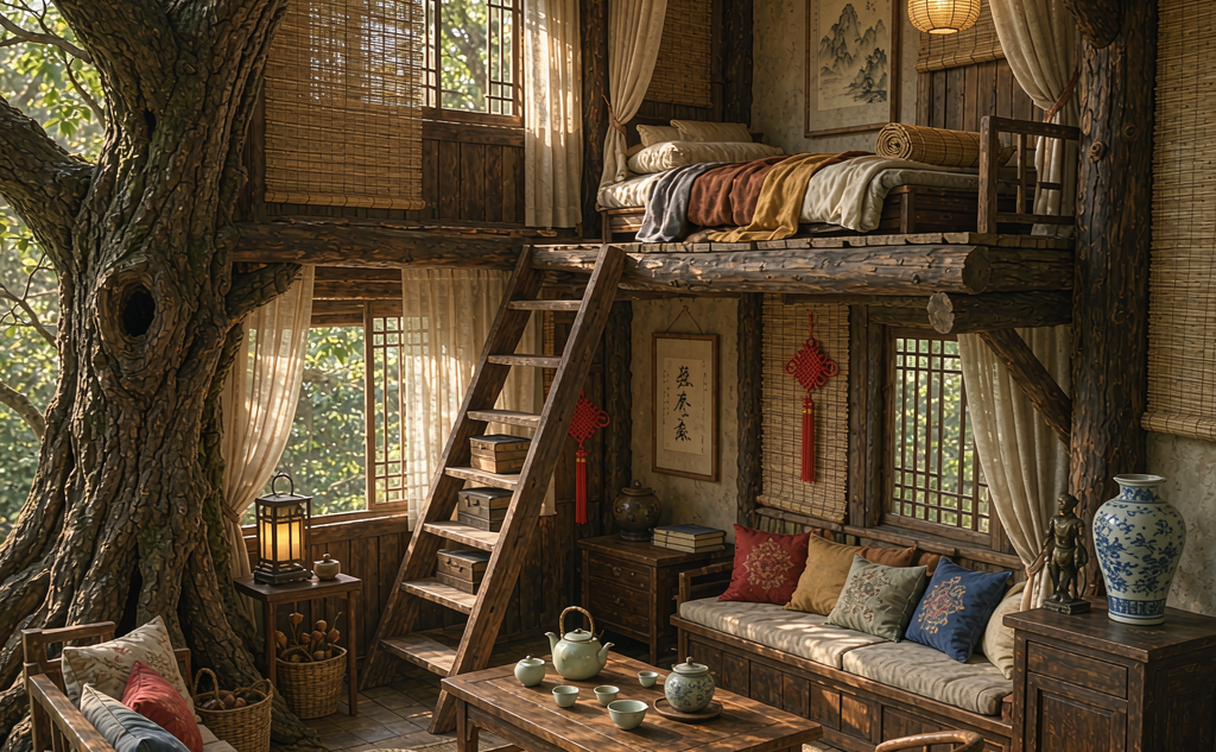
The wild one. Around Jinghong, Dai-style stilt houses and raised rainforest lodges put you above the stream and the frogs. I paid RMB 400 to 900 a night in April 2025, flew to Xishuangbanna and drove 40 minutes to the Manting or Menglun forests. This is the heart of China eco lodge travel, with canopy walkways and Dai feasts of grilled fish and sticky rice (RMB 50 a head). It suits nature seekers and culture fans; the China ethnic minorities travel guide explains the Dai and Bulang customs you will meet at the lodge. Go in dry season, November to April.
5. Changbaishan forest (Jilin)
Cool, pine, and a touch of alpine. Near the Tianchi reserve, timber cabins on stilts run RMB 700 to 1,500 a night in summer, reached by train to Baishan or flight to Changbaishan then a transfer. I went in August and the forest was 12°C cooler than Beijing, perfect for the canopy deck at night. It suits hikers and photographers, and the hot-spring hotels nearby make a good combo. The China off-the-beaten-path guide maps the quiet trails I used to dodge the coach crowds.
6. Zhangjiajie Wulingyuan (Hunan)
The dramatic one. The sandstone peaks hide elevated forest lodges where I paid RMB 650 to 1,600 a night for a balcony over the mist. Fly or train to Zhangjiajie then a 40-minute bus into Wulingyuan. This is unique stays China at its most scenic, with the Avatar peaks glowing at dawn from your deck. It suits photographers and first-timers; the Bailong lift and the skywalk are a short shuttle away. Book inside the east gate so you walk to the trails instead of queuing for the bus.
How to choose and book
China nature retreat options split by comfort level. Moganshan and Anji are polished and easy by rail; Banna and Changbaishan need a flight but reward you with real wild; Wuyi and Zhangjiajie wrap the forest around a headline sight. I book through Ctrip or the lodge WeChat page, and the same passport steps from the China hotel booking guide for foreigners apply. Treehouse hotels China wide discount midweek by 20 to 30 percent, and a Tuesday arrival saved me the most on the Moganshan cabin.
For a working read, think of it as: design escape (Moganshan, Anji), river forest (Wuyi), rainforest culture (Banna), cool pine (Changbaishan), peak views (Zhangjiajie). None are rough; even the stilt huts had hot water and a real bed, which is the part that surprises first-timers.
A sample forest loop
I once paired Moganshan (2 nights) with Anji (1 night) on a single Zhejiang rail loop, then flew south to Banna for three nights of rainforest decks. Nine nights of leaves and I never repeated a view. The best China eco lodge nights were the quiet ones where I left the deck light off and listened to the stream, which is the simple test of a good treehouse: if you forget your phone, you booked right.
One practical note from the road: pack a light mosquito net or at least repellent for the southern forests, because the canopy that cools you by day also breeds the evening bite in Banna and Wuyi. I also learned to confirm the stilt room’s stairs before booking if travel with small kids or older parents, since a few of the prettiest bamboo huts reach the deck by a steep ladder that looks great in photos and less great at midnight. A quick message to the lodge on WeChat cleared up every one of these questions faster than the listing page ever did.
China treehouse stays are the country’s quiet luxury, and the six above are the ones I would book again without a second thought. From a Moganshan stilt villa to a Banna rainforest loft, the pattern holds: trees at the window, a stream below, and a calm the cities cannot fake. Pick one, stay two nights, and let the canopy put you to sleep for once.