

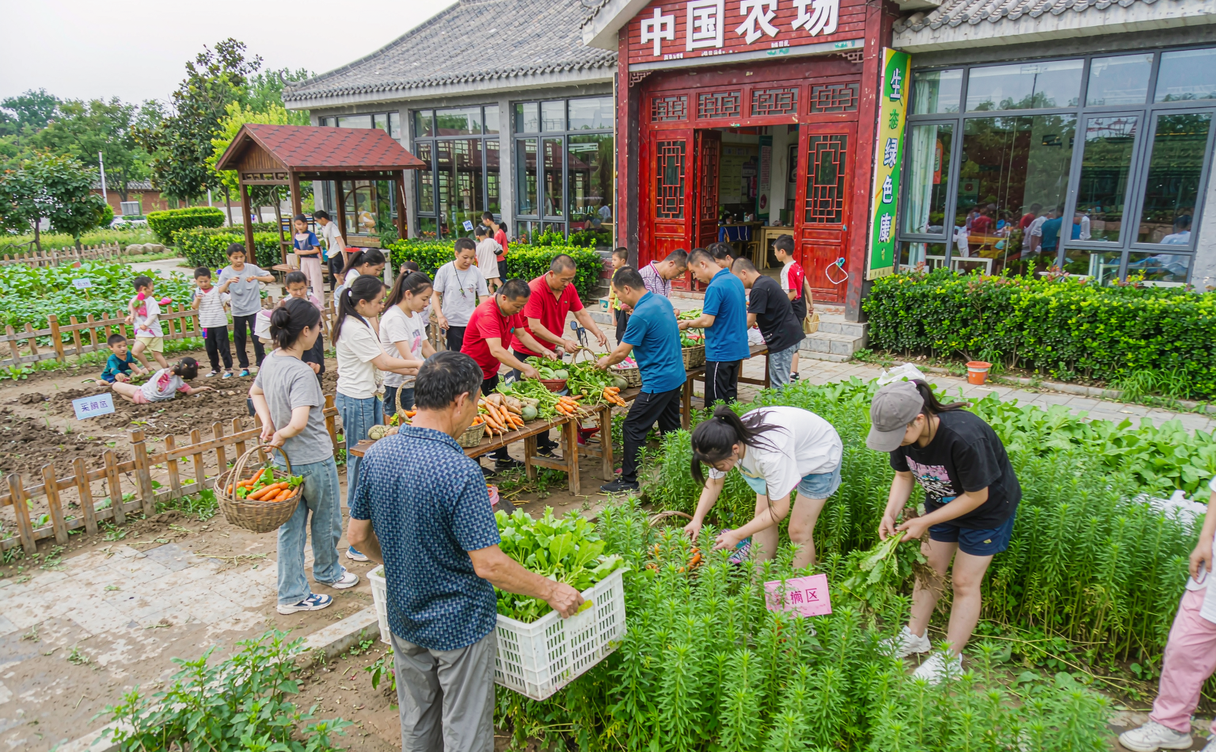
Most first-time visitors to China build their trip around Beijing, Xi’an, and Shanghai and never see the half of the country that actually feeds them. A China farm stay guide is worth reading before you book, because the rural side of the country is where the rhythm of daily life is easiest to feel. After two weeks staying with families in Guizhou and Gansu, I came home convinced that a few nights in a village taught me more about China than any museum.
A farm stay is exactly what it sounds like: you sleep in a working household, eat what the family eats, and wake to roosters instead of traffic. It is not luxury, and that is the point. You trade thread counts for millet porridge, and a scripted tour for a seat at the dinner table.
What a Rural Homestay in China Actually Looks Like
The term rural homestay China covers a wide range of places. At the simple end, you get a clean room above a barn, shared bathroom, and three meals of seasonal vegetables. At the polished end, restored courtyard houses in places like our China homestay guide offer heated floors, private baths, and a host who doubles as your translator and trail guide.
What they share is the host. In a hotel you are a room number; in a farm stay you are a guest at someone’s table. My host in Guizhou, a retired rice farmer named Uncle Wu, walked me through his terraces at dawn, showed me how to judge a chilli by its curl, and refused to let me pay for the extra bowl of cured-pork soup. That generosity is the quiet engine of village tourism here.
Why a Village Stay in China Is Worth the Detour
A village stay China style slows you down in the best way. Without a metro to chase, your day follows the light. Mornings are for the kitchen and the fields; afternoons for napping, walking, or learning a craft; evenings for long meals and louder laughter than you expected.
For travelers from outside China, the cultural access is the real prize. You will see how lunar festivals are actually kept, how pickles are buried for winter, how a single wok feeds eight people. These are things no city hotel can stage. Our glamping and camping guide covers the outdoor side if you want to pair a tent night with a farm night.
Where to Find the Best China Farmhouse B&B Stays
Two regions stood out on my trip. The first is the Miao and Dong belt of southeast Guizhou, where wooden stilt houses climb the hillsides. The standout is Xijiang Miao Village in Guizhou, a sprawling hillside settlement where hundreds of lit windows at night look like a reversed Milky Way. Stay with a family there and you can join a morning market, learn batik dyeing, or just watch grandmothers smoke cigarettes and shell walnuts on the steps.
The second is the Tibetan edge of Gansu, where Zhagana village in Gansu sits in a fold of stone peaks. It is colder, higher, and quieter, and the barley bread alone is worth the altitude. Both places have English-friendly booking through local cooperatives, though a translation app helps.
Practical Notes on Countryside Accommodation in China
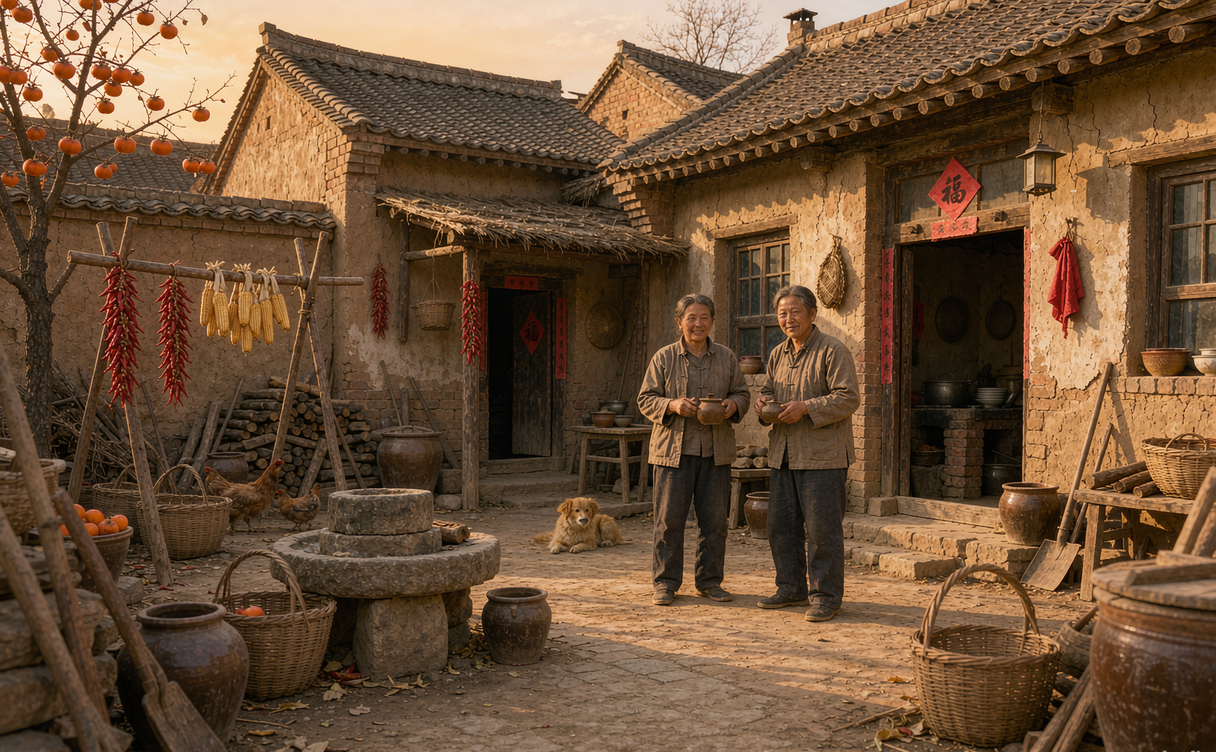
Countryside accommodation China varies wildly in comfort, so set expectations before you go. Ask three questions when booking: is the bathroom private and indoors, is there reliable heating (critical in winter and at altitude), and is Wi-Fi strong enough for a video call home? I learned the hard way that “hot water” in a village listing sometimes means a solar tank that runs cold by 9 p.m. in December.
Food is usually included and almost always a highlight. Tell your host early about allergies or a vegetarian diet; rural kitchens are not used to special requests, and a polite note in Chinese helps enormously. Tipping is not expected and can confuse your host, so a small gift from your hometown travels better than cash.
Getting there is the other hurdle. Many villages have no train station, so you will combine a high-speed line with a bus or a pre-arranged driver. Build buffer time: mountain roads close for weather, and your host would rather you arrive safe than on schedule. Our hotel booking guide for foreigners has a section on rural and homestay reservations that walks through the apps and the etiquette.
How China Agritourism Fits a Wider Trip
China agritourism works best as a counterweight to the cities, not a replacement for them. I strung together Guizhou villages, a Guilin river, and a Chengdu food run, and the rural nights made the urban days land harder. You come back from the fields with stories the big sights cannot give you.
If your taste runs to design, note that many of the best farm stays are run by the same people behind the boutique hotels in China movement, who have poured money into restoring old structures with modern comfort. The result is a stay that feels authentic without asking you to rough it.
A Day in the Life at a Farm Stay
The shape of a farm stay follows the light more than the clock. I usually woke around six to the smell of woodsmoke and the clatter of a wok. Breakfast was simple: congee, a boiled egg, pickles, and the previous night’s leftover greens reheated in the pan. Afterward came the part you cannot get in a hotel: you were expected to help, or at least to watch. My host’s wife taught me to fold dumplings badly, and her mother critiqued my knife work on a cabbage with gentle, wordless pity.
Mornings might mean a walk to the fields, an hour of weeding for the curious, or a trip to the weekly market where the whole valley seems to show up at once. Afternoons were slow by design. I read on a bench, napped through the hottest hour, and let the village’s quiet do its work. Evenings returned to the kitchen, where the best conversations happened over successive rounds of tea.
Language and Etiquette for Village Stays
You do not need fluent Mandarin, but a few phrases change everything. Learn to say hello, thank you, and “this is delicious” in the local tongue, and practice the polite two-handed receive when someone hands you a cup. Rural hosts read respect in small gestures, and they return it tenfold.
Gifts travel better than tips. A bar of chocolate, a postcard from your hometown, or a small tool from your country delights a host far more than loose cash, which can feel like a transaction rather than a thank-you. Offer to help with dishes, and accept the refusal gracefully the first time before insisting the second. That dance is itself a kind of friendship.
One last piece of advice: learn a few kitchen phrases before you go. “This is delicious,” “one more bowl,” and “may I help?” unlocked more warmth than any phrasebook chapter on politics or business. Rural hosts measure politeness in small actions, not fluent Mandarin.
The official China National Tourist Office at China Travel publishes regional introductions to village and heritage tourism that pair well with the on-the-ground tips above, especially if you want to check which provinces are promoting homestay routes in the season you travel.
A farm stay will not be the most comfortable bed you sleep in this year. It will probably be the one you remember. Pack light, eat everything, and let the rooster win the argument about when the day begins.
When you leave, you take more than photos. You take the shape of a life that runs on seasons instead of schedules, and a clearer sense of why this country feeds a fifth of the world from fields not unlike the ones you stood in. That perspective is the real souvenir, and no shop sells it.