

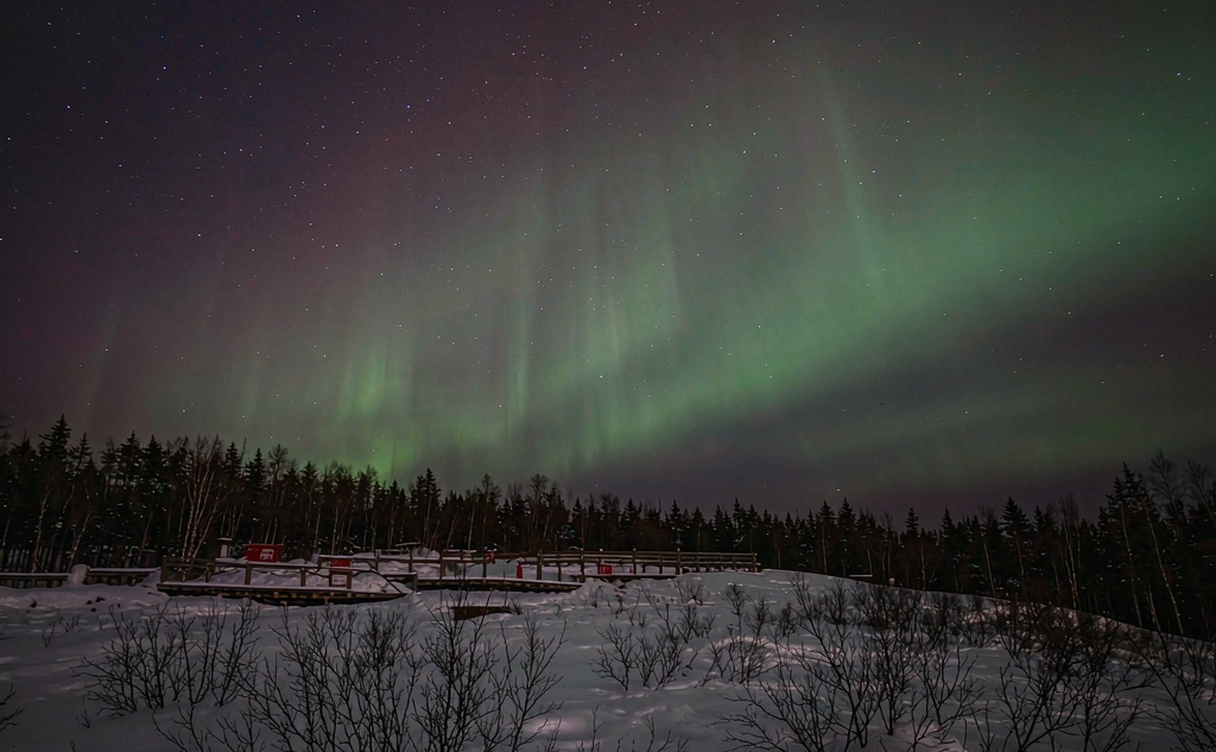
Most travelers picture Iceland or Norway when they dream of the northern lights. Few realize that you can witness the China aurora without leaving Asia. The best place to catch this phenomenon in the country is Mohe, the northernmost town in Heilongjiang Province. Sitting close to the Arctic Circle, Mohe offers a rare chance to see the sky glow green and purple over a snow-covered landscape. This guide explains where and when to go, how to get there, what to do, and how to photograph the lights while staying warm.
Why Mohe Is the Best Place for the China Aurora
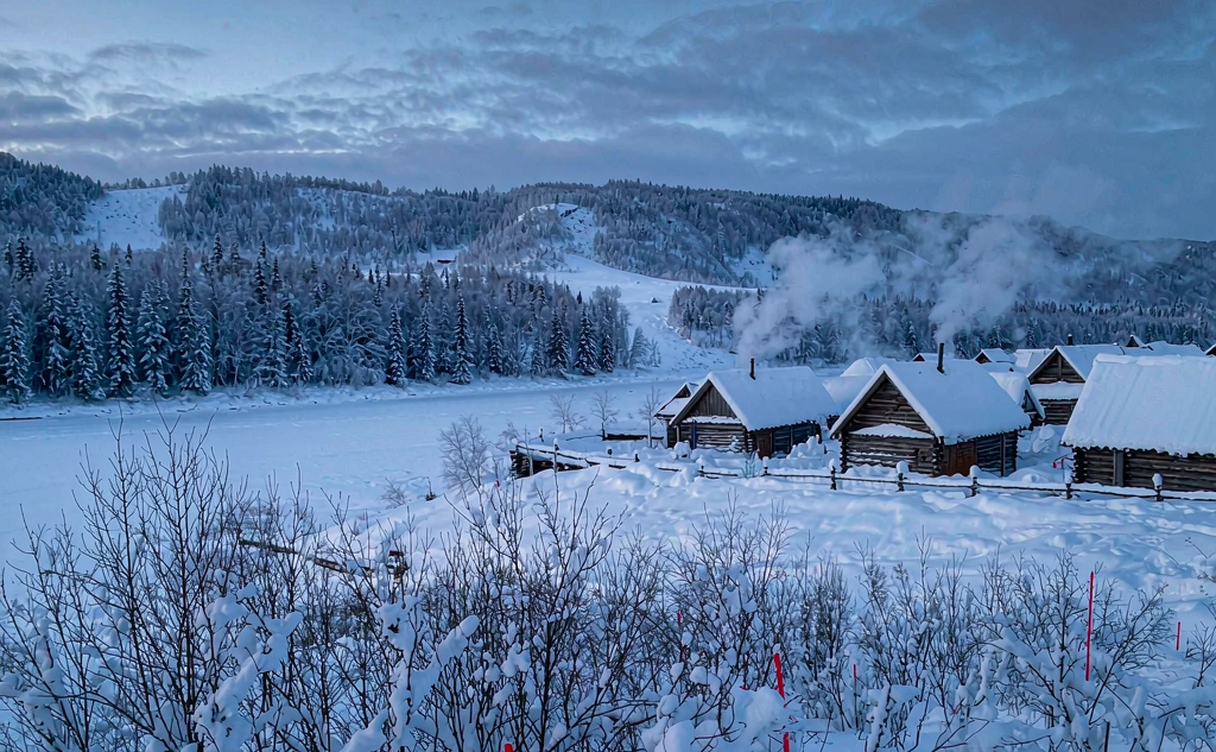
Mohe lies at the very top of China’s map, near the border with Russia. Its latitude and clear winter skies make it the most reliable spot in the country to see the aurora borealis. The small settlement of Arctic Village, also known as Beiji Cun, has become the symbol of aurora chasing here. Locals call it the northernmost point of the nation, and a visit feels like stepping into a winter postcard.
The China aurora is not guaranteed every night. It depends on solar activity, clear skies, and a bit of luck. Still, Mohe records far more sightings than any other Chinese destination. Travelers who spend three or four nights in the area significantly improve their odds. The town even hosts an Arctic tourism festival during the colder months, drawing visitors who come specifically for the lights and the snow.
When to See the China Aurora
The viewing season runs from September through March, with the coldest winter months offering the darkest skies. December, January, and February are the most popular because the nights are long and the snow is deep. Temperatures can drop below minus thirty degrees Celsius, so dressing for extreme cold is not optional.
Aurora activity tends to peak around the equinox months of September and March, but winter gives you the longest windows of darkness. Plan to be outside between ten in the evening and two in the morning, when the sky is darkest. New moon periods are best because ambient light is minimal. Check a solar forecast before you travel so you can time your visit to expected geomagnetic storms.
How to Get to Mohe
Reaching Mohe takes some planning, but the journey is part of the adventure. Most international visitors first fly into a major Chinese hub, then connect to Harbin, the capital of Heilongjiang. From Harbin you have two main options.
The first is a direct flight to Mohe Airport, which operates seasonal services. The second is the famous train ride north. The railway from Harbin to Mohe crosses forests and frozen plains and lets you watch the landscape turn white as you travel. The journey is long, often more than a full day, but many travelers find it unforgettable. Booking early is wise because winter seats fill quickly.
Once in Mohe, local buses and taxis can take you to Arctic Village. Staying inside the village itself is the smart choice, since the lights can appear with little warning and you want to be ready at a moment’s notice.
What to Do Beyond the Lights
Aurora hunting is the headline activity, but Mohe has plenty to fill your days. Visit China’s northernmost post office and send a postcard stamped from the edge of the map. The Santa Claus Village here leans into the polar theme with red cabins, reindeer, and festive decorations that children love. Walk along the frozen Heilongjiang River, which forms a natural border with Russia on the opposite bank.
The snow landscapes themselves are worth the trip. Birch forests coated in frost, wooden villages, and endless white fields create a quiet beauty you will not find in China’s southern cities. If you enjoy tea culture, pairing a warm cup after a cold day outdoors is a small luxury that warms both hands and spirit. A good China tea house guide can help you choose what to brew before you go.
For travelers who want to compare climates and seasons, Kunming shows a completely different side of the country with mild weather all year. And if you are building a wider trip, the Guangxi 7-Day Itinerary offers karst scenery far to the south.
Photography Tips for the China Aurora
Capturing the northern lights takes the right gear and a little patience. Use a camera with manual settings rather than a phone if you want sharp results. A wide-angle lens with a large aperture, around f2.8, works best. Set a high ISO such as 1600 or 3200 and a shutter speed of ten to twenty seconds. A sturdy tripod is essential because any movement blurs the shot.
Bring extra batteries and keep them inside your coat, since cold drains them fast. Shoot raw files so you can adjust color and exposure later. Turn off image stabilization when the camera is on a tripod. Practice during daylight so you are not fumbling with settings in the freezing dark. Light the distance with a faint flashlight to add depth, but keep it subtle.
Cold Weather Preparation
Surviving minus thirty degrees is the real challenge of a Mohe trip. Layer your clothing starting with a moisture-wicking base, then insulation, then a windproof shell. Pack thermal boots, thick socks, gloves you can operate your camera with, and a face mask. Hand warmers are cheap insurance against frostbite.
Drink warm fluids and eat enough calories to keep your body heat up. Limit time outdoors in extreme cold to short bursts, then return to a heated room to recover. Listen to your body, because numbness is a warning sign. Good preparation turns a brutal night into a magical one.
Planning Your Wider China Trip
Mohe is a highlight, but Heilongjiang is far from the rest of the country’s famous sights. Many visitors combine the north with other regions to make the most of a long holiday. If city culture appeals to you, our Shanghai Tianzifang Guide walks you through a charming older district full of shops and cafes. For a calmer escape, the Hangzhou Longjing Tea Village Guide introduces terraced tea hills just outside a historic city.
When your travels take you to Yunnan, trusted hotel picks help you find a comfortable base among the old town’s lanes. Each of these destinations contrasts with Mohe’s icy silence, showing the remarkable range of experiences available across mainland China.
For scientific background on the phenomenon itself, see the detailed explanation of aurora astronomy on Wikipedia). Understanding the physics of charged particles hitting the atmosphere makes the sight even more rewarding when the sky finally lights up.
Final Thoughts
Chasing the China aurora in Mohe is a journey to the country’s frozen edge. It demands warm clothing, patience, and a tolerance for long cold nights. In return it offers one of the rarest sights in Asian travel, a sky alive with color above a world of snow. Time your visit between September and March, base yourself in Arctic Village, and prepare well for the cold. With a little luck, the lights will reward your effort and give you a story few travelers can tell.