

A chinese light festival is one of the most magical experiences you can have while traveling in China. Across the country, streets, parks, and historic districts fill with glowing lanterns in every shape and color. The tradition reaches its peak during the Lantern Festival, also called the Yuanxiao Festival, which marks the final day of the Lunar New Year celebrations. If you are planning a winter trip, this guide will help you understand what the festival is, when it happens, and the best places to see lanterns across mainland China.
The Lantern Festival falls on the fifteenth day of the first lunar month, which usually lands in February or early March. On this night, families step outside to admire lantern displays, solve riddles written on lanterns, and eat sweet rice balls called yuanxiao or tangyuan. In recent years, large-scale winter lantern shows have also become popular, running from December through the Lunar New Year and beyond. These extended exhibitions make it easy to plan a chinese light festival trip even if your dates do not align perfectly with the traditional holiday. The longer season also spreads crowds out, which means a more relaxed visit.
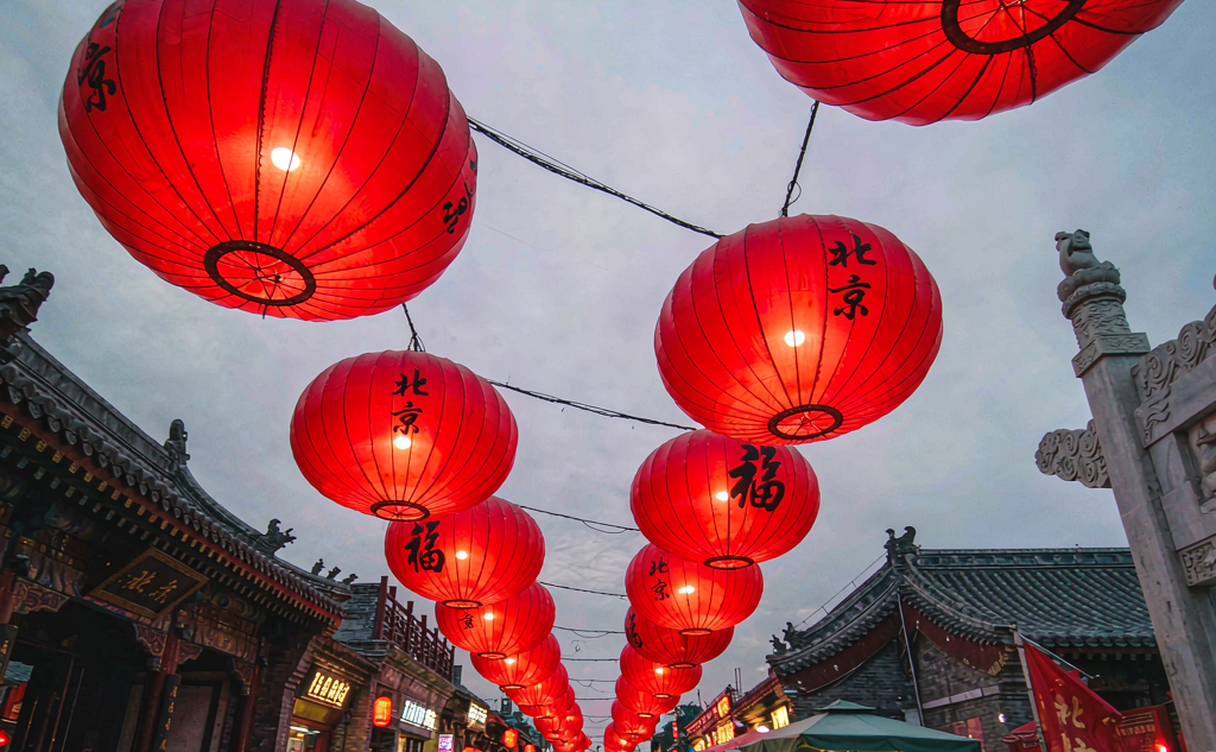
The cultural meaning behind the festival is warm and hopeful. Lanterns symbolize letting go of the old year and welcoming brightness and good fortune. In many cities the displays are not just decorations, they are elaborate artistic installations built by skilled craftspeople. The most famous of these is the Zigong Lantern Festival, held in Zigong, a city in Sichuan province known for more than a thousand years of lantern-making heritage. Zigong is often called the lantern capital of China, and its show draws visitors from across the country and abroad.
The Zigong Lantern Festival, or Zigong Lantern Show, is widely considered the best in China. Every year the city builds enormous themed lantern scenes that combine traditional Chinese motifs with modern light technology. You might see towering dragons, fairy-tale castles, and panoramas of famous landscapes, all made from silk, steel, and LED lighting. The scale is hard to describe, some installations stretch across entire lake surfaces and hillsides. For anyone serious about a chinese light festival experience, Zigong is the place to start. It is also a great addition to a Sichuan travel plan, since the province offers food and history within easy reach, including the nearby city of Chengdu and the giant panda bases.
If you cannot make it to Sichuan, several major cities host outstanding lantern events. Beijing puts on beautiful displays in its temples and parks, and the capital is an excellent base for a first visit to China. Our Beijing First-Time Travel Guide walks you through the essentials, from transport to must-see sights, and helps you slot a lantern evening into your itinerary. The Temple of Heaven and the Summer Palace often host special night openings during the season.
Xi’an, the ancient capital, is another standout. The city’s walls and squares glow during the festival season, and the combination of historic architecture with lantern light is unforgettable. Walking the illuminated city wall at night is a highlight you will not forget. While you are there, the Xian Shaanxi History Museum is a perfect daytime complement, letting you explore the region’s deep cultural roots before the evening lights begin. The museum explains the Silk Road history that helped spread lantern culture across Asia.
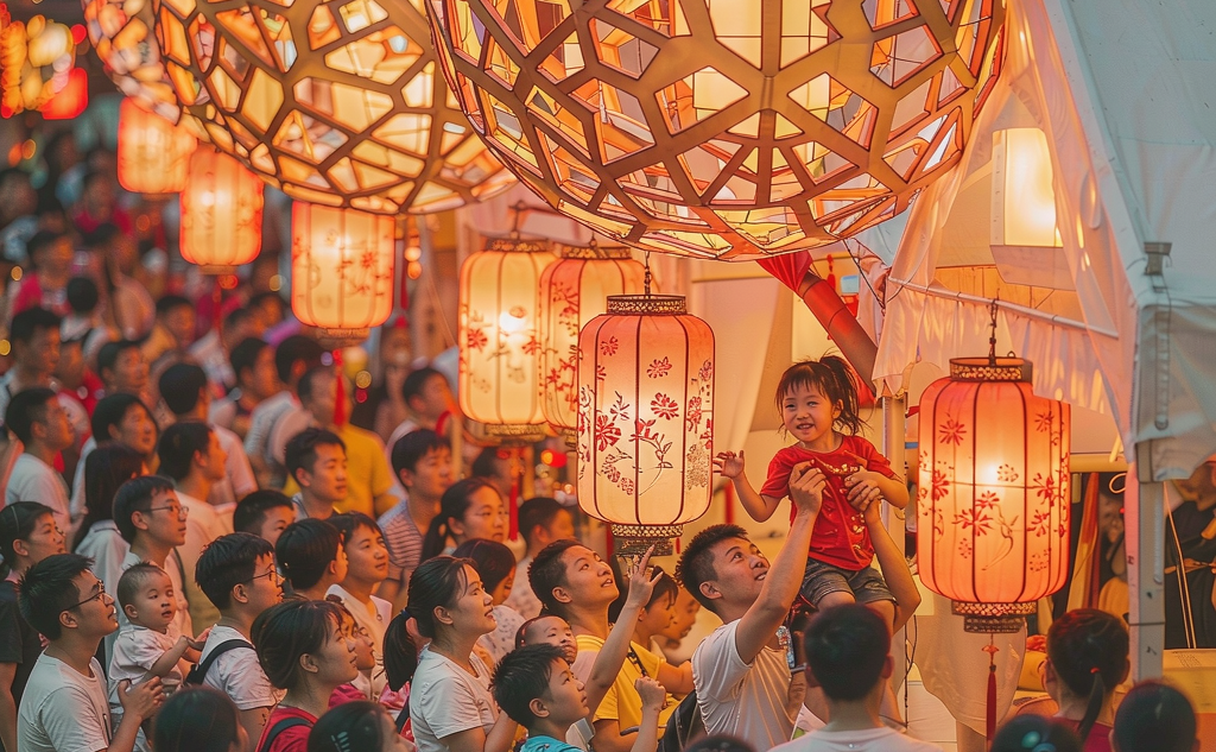
Shanghai offers a more modern take on the tradition. The Yuyuan Garden Lantern Festival in the old town is the city’s signature event, wrapping the classical garden and surrounding streets in themed light scenes. After dark, the area feels like a storybook. If you want to pair your lantern visit with shopping and dining, our Shanghai Xintiandi Guide covers a stylish district where you can enjoy the city’s blend of heritage and contemporary life. Xintiandi pairs nicely with a Yuyuan evening if you have several days in the city.
Beyond the big four, many other cities run winter lantern shows, including Chengdu, Chongqing, and Hangzhou. Most open in late December and run through the Lunar New Year period, with some continuing into early spring. Timings vary by venue, so it is wise to check the official schedule for the year you travel. Smaller cities often offer free or low-cost shows that are just as charming as the headline events.
For a broader understanding of the tradition, you can read the overview of the Lantern Festival on Wikipedia, which explains the holiday’s history and customs in detail. The article traces the festival back more than two thousand years to the Han dynasty and describes how regional variations developed across China.
When you plan your trip, a few practical tips will make the experience smoother. First, book accommodation early, because lantern season overlaps with the busy Lunar New Year travel period. Second, arrive before sunset so you can watch the lights switch on, which is the most atmospheric moment. Third, buy tickets online in advance, since popular shows like Zigong and Yuyuan often sell out on weekends. Fourth, dress warmly, these are outdoor winter events and nights get cold. Fifth, bring a power bank, because you will take many photos. Sixth, try to visit on a weekday for smaller crowds. This chinese light festival guide would not be complete without mentioning that patience pays off, the best photos come after the initial evening rush settles, usually about an hour after the official opening.
Food is a big part of the fun. During the festival, street stalls sell tangyuan, soft glutinous rice balls filled with sesame, peanut, or red bean paste, served in warm sweet soup. In Zigong and across Sichuan, you can also enjoy spicy local dishes that balance the cold night air, such as boiled beef and dan dan noodles. In Beijing, roast duck and warm noodle soups hit the spot, while Shanghai offers sweet and savory snacks around Yuyuan, including steamed buns and candied fruit. Eating your way through the festival is one of the easiest ways to feel part of the celebration, and each region adds its own twist.
If you want to extend your China trip beyond the lights, the south and southwest offer spectacular scenery. Our Guilin Yangshuo Travel Guide shows you karst landscapes and river cruises, while the Lijiang Old Town Travel Guide and Yunnan Lijiang Dali Itinerary help you build a relaxed route through Yunnan’s old towns and mountain views. These destinations pair well with a winter lantern trip if you have two weeks or more, letting you balance busy city nights with calm natural beauty. A common plan is to spend the festival in the north or Sichuan, then fly south for a slower second week.
A few words on etiquette and safety. Lantern crowds can be dense, so keep valuables secure and agree on a meeting point with your group. Follow venue rules about where you can walk and photograph, since some installations are fragile and roped off. Most importantly, simply enjoy the moment, the chinese light festival is about togetherness and hope, and that spirit is easy to feel even as a visitor. Locals are usually happy to help with directions or take a photo for you.
In short, the best way to experience a chinese light festival is to pick one or two destinations, plan around the winter season, and leave room for spontaneous wandering among the lights. Whether you choose the record-breaking displays of Zigong, the imperial backdrop of Beijing and Xi’an, or the garden charm of Shanghai, you will leave with photographs and memories that last long after the lanterns are packed away. Start with one city, learn its rhythm, and you will likely want to return for another province next year.