

Nine days is the sweet spot for a first serious trip to China. It’s long enough to reach three or four regions without the sprint-fatigue of a two-week marathon, yet short enough that you can keep your packing light and your hotel count low. After running this kind of route with first-time visitors, I’ve learned that the winning China 9 day itinerary is less about seeing everything and more about seeing a few places properly — with the trains, the hotels, and the booking windows planned before you land.
Why Nine Days Works
A China 9 days plan gives you roughly seven full touring days plus two half-days eaten by international arrival and departure. That’s enough for one hub city, two or three signature destinations, and the travel buffers that keep a trip calm. The mistake most planners make is cramming five cities into nine days; you’ll spend more time in stations than at sights. My rule of thumb is no more than one long-haul move every two to three days. I also tell people to budget ¥600–¥1,000 per person per day for a comfortable pace — that covers a mid-range hotel, two solid meals, local metro and taxis, and entry tickets, with the intercity legs as the main variable.
The geography helps. China’s high-speed rail network lets you cross 1,000 km in a morning, so a Beijing–Xi’an–Guilin–Shanghai shape is realistic. This China 9 day route below is built for first-timers who want history, landscape, and a modern city without backtracking.
A Sample Relaxed Route
Days 1–3 — Beijing. Arrive, recover from the flight, and spend three nights. Prioritize the Forbidden City, the Great Wall at Mutianyu (less crowded than Badaling), and a hutong walk. Keep one afternoon loose for food and wandering. Book Wall transport and palace tickets online in advance — the Forbidden City caps daily entries and sells out on weekends.
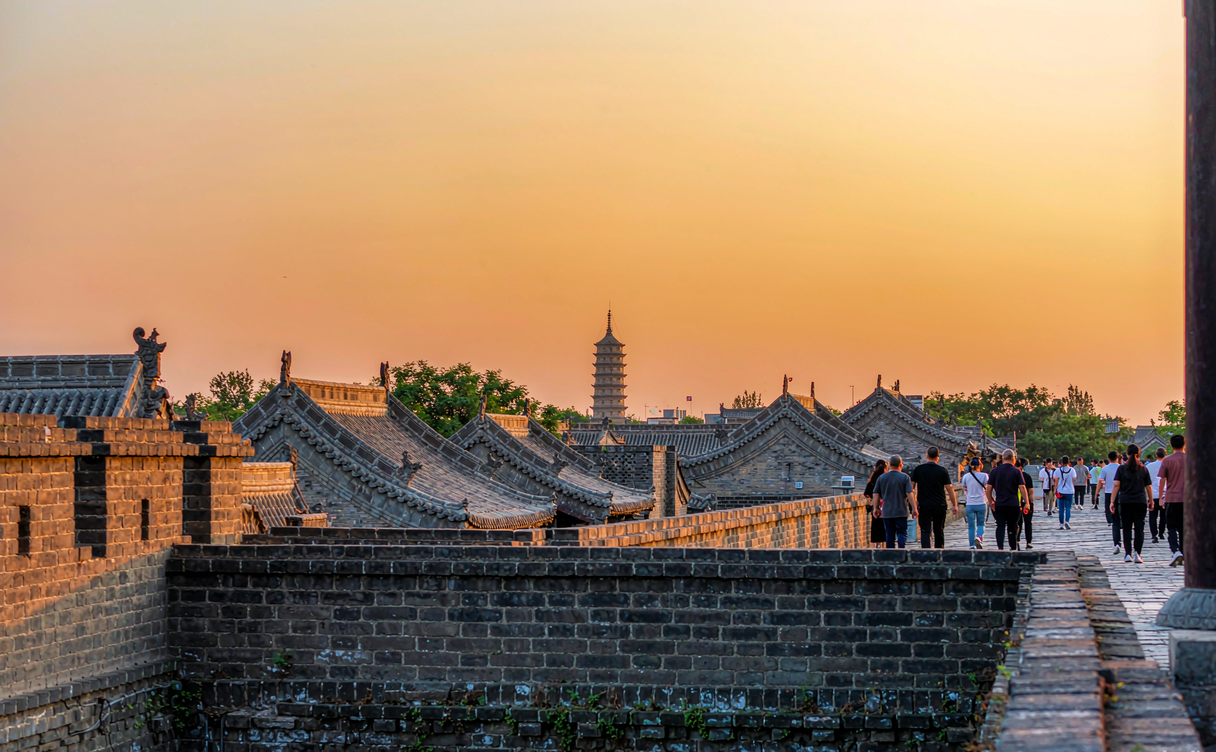
Days 4–5 — Xi’an. A 4.5-hour high-speed train (¥515–¥645 second class) puts you in Shaanxi for two nights. The Terracotta Army needs a half-day; the city wall and the Muslim Quarter evening food crawl fill the rest. This is where a best China 9 day trip earns its keep — the contrast between Beijing’s imperial scale and Xi’an’s Silk Road grit is the trip’s spine.
Days 6–7 — Guilin and Yangshuo. An early train west (roughly 8–10 hours, or a short flight) drops you into karst country. Two nights lets you cruise the Li River and bike the Yangshuo valleys without rushing. This leg is the scenic payoff and the slowest pace of the trip.
Days 8–9 — Shanghai. Fly or take the bullet train east to China’s showcase metropolis for a final night or two: the Bund, a museum, and a proper farewell dinner before your flight home.
How to Spend 9 Days in China Without Burning Out
The real question of how to spend 9 days in China is about rhythm, not checklist. I tell travelers to front-load the big-ticket sights in the first city while jet lag is low, then let the later stops be more passive — scenery you watch from a boat beats a museum you must stand through on day eight. Build in one “empty” half-day per city for laundry, naps, and unplanned finds; those are usually the memories people mention later.
A China 9 day travel plan also lives or dies on logistics. Trains between these hubs run frequently, but the popular departures (mid-morning, Friday evening) sell out 10–14 days ahead in peak season. Book the moment your hotels are fixed. The China high-speed train guide for foreigners walks through app setup, ID requirements, and seat classes so you’re not learning it at the station.
Season, Crowds, and Booking Windows
When you go changes everything. Spring (April–May) and autumn (September–October) are the comfortable shoulders; summer is hot and domestic-tourist-heavy, winter is cold but crowd-free and cheap. The best time to visit China guide breaks the country into regions if your route strays off this skeleton.
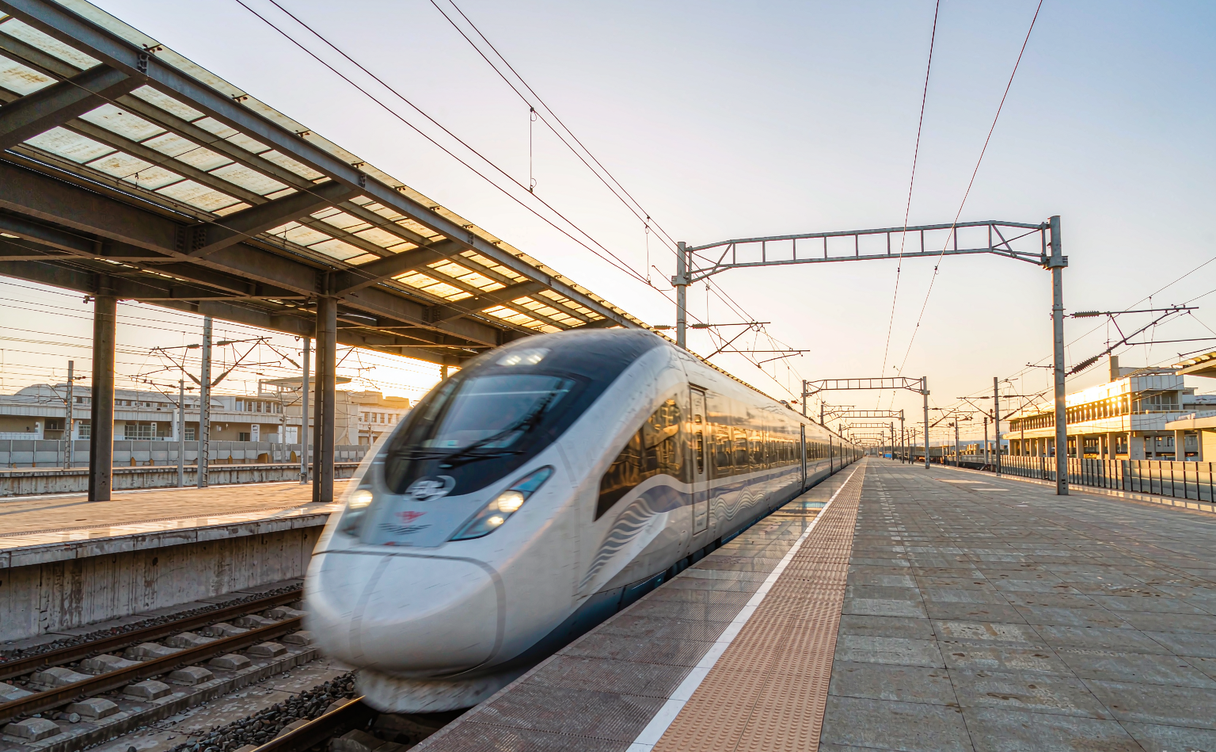
For a first visit, lock the following 4–6 weeks out: international flights, the three or four intercity train legs, the Wall and Forbidden City tickets, and your top-choice hotels near a metro line. Domestic flights are best bought 3–5 weeks ahead. If you’d rather not self-assemble it, the China travel guide for first-timers covers visas, payment apps, and the daily mechanics that trip up newcomers.
A Realistic Daily Budget
Money is where a best China 9 day trip either stays calm or spirals. A mid-range traveler should plan ¥600–¥1,000 per person per day: ¥250–¥450 for a clean hotel room near a metro line, ¥80–¥150 for food (more if you chase a seafood or hotpot banquet), ¥150–¥300 for intercity trains and local transport, and ¥50–¥100 for attraction tickets. Push to luxury and the top end clears ¥2,000; hostels and street-food crawls can hold it under ¥400.
The intercity legs are your biggest fixed cost and your best saving opportunity. Beijing–Xi’an second class is around ¥515–¥645, while a Xi’an–Guilin flight booked late in peak season can hit ¥900–¥1,400. The Forbidden City ticket is ¥60, the Great Wall at Mutianyu about ¥45 plus a shuttle, and a Li River cruise runs ¥210–¥390 depending on boat class. Buying trains and the headline tickets the moment they open is where the savings compound.
Stretching or Trimming the Route
Nine days is elastic. Want more nature? Swap Shanghai for Zhangjiajie or Chengdu (pandas plus Sichuan food). Want less moving? Cut Guilin and add a second night in Xi’an or a day trip from Beijing. If you find yourself wishing for one more region, the China 10 day itinerary adds a logical stop, and the China 2 week itinerary shows how the same spine supports a deeper loop.
For deciding what’s worth the detour in the first place, the best things to do in China list is the filter I use when helping travelers cut their wishlist down to something a China 9 day itinerary can actually hold. According to Wikipedia’s overview of tourism in China, the country’s domestic travel volume means advance planning matters more here than in most destinations.
Practical Packing and Money Notes
Pack for two climates if your route runs north-to-south. A transit-day backpack with charger, tissue, and a refillable bottle covers most train rides. Payment is near-cashless: set up Alipay or WeChat Pay before arrival, and carry one international card as backup. Most foreign cards now work at Alipay-linked merchants, but smaller BBQ stalls and temple shops may still be cash-only, so keep ¥200–¥300 in small notes. A roaming e-SIM from your home provider avoids the firewall’s grip on data and keeps maps and email reachable the moment you land.
None of this is complicated once it’s on paper. The China 9 day travel plan above is deliberately conservative so that delays, a rainy Wall day, or a restaurant you love don’t derail the schedule. Plan the bones, leave the flesh loose, and China rewards you with more than the itinerary promised.
New to the country? Read the China travel guide for first-timers before you book trains and hotels.
Want more stops? Compare with the China 10 day itinerary or the China 2 week itinerary to see how the route scales.
Finalize your window using the best time to visit China guide so the weather matches your plan.