

Labour Day — often called May Day in China — is the first big travel window of the year, and it is enormous. The holiday cluster typically runs five days from May 1, stitched together from the statutory day off plus adjacent weekends and a shifted workday. For domestic tourists this is a prime moment to move, which means Labour Day travel China is synonymous with sold-out trains, packed scenic areas, and prices that jump overnight. If you’re visiting from abroad, treat the week as a planning puzzle rather than a reason to stay home. The 2026 dates follow the same shape, and the travel pattern is so predictable that locals now plan their trips around it months ahead.
What the Holiday Actually Looks Like
The May break is shorter than the October National Day golden week but busier per-day than most other holidays. In recent years, Chinese rail carried well over 100 million trips across the period, and popular destinations like Hangzhou, Chengdu, and Zhangjiajie report capacity crowds. Hotel rates in those headline cities routinely triple: a ¥400 business hotel in April can list at ¥1,200 for May 1–5, and even mid-range rooms near scenic gates sell out weeks early. Domestic flight prices follow the same curve, with the days immediately before and after the holiday the most expensive to fly. If your dates are fixed, the single biggest lever is simply booking the moment the calendar is confirmed rather than waiting for a “deal” that will not appear. China May Day holiday travel therefore rewards anyone who books early and thinks about where the masses won’t be.
The mechanics matter: the government announces the exact dates a few months ahead, and one weekend day before or after is usually a make-up workday. The China public holidays 2026 page lists the confirmed calendar, and the China festivals calendar guide situates Labour Day among the year’s other travel peaks so you can compare crowd levels.
China Labour Day Tips for Beating the Rush
My first China Labour Day tips rule is book transport the instant it opens. High-speed rail tickets in China go on sale 15 days before departure and the best trains vanish within minutes on holiday mornings. Set an alarm, use the official 12306 app or a trusted agent, and have a backup departure time ready. The China high-speed train guide for foreigners explains how to buy without a local phone number.
Second, invert your daily clock. Arrive at marquee sights at opening (often 7–8 a.m.) and eat lunch at 11 or 2 to dodge the wave. Third, anchor yourself in one city and take day trips rather than changing hotels every night — fewer check-ins means fewer queue encounters.
Build a simple booking timeline and you remove most of the stress: at the six-week mark, lock your hotels; at the 15-day mark, buy trains the instant they release; at the seven-day mark, reserve timed-entry tickets for your top two sights. Setting phone alarms for each release window sounds obsessive until you watch a ¥200 room become ¥900 — then it feels like common sense.
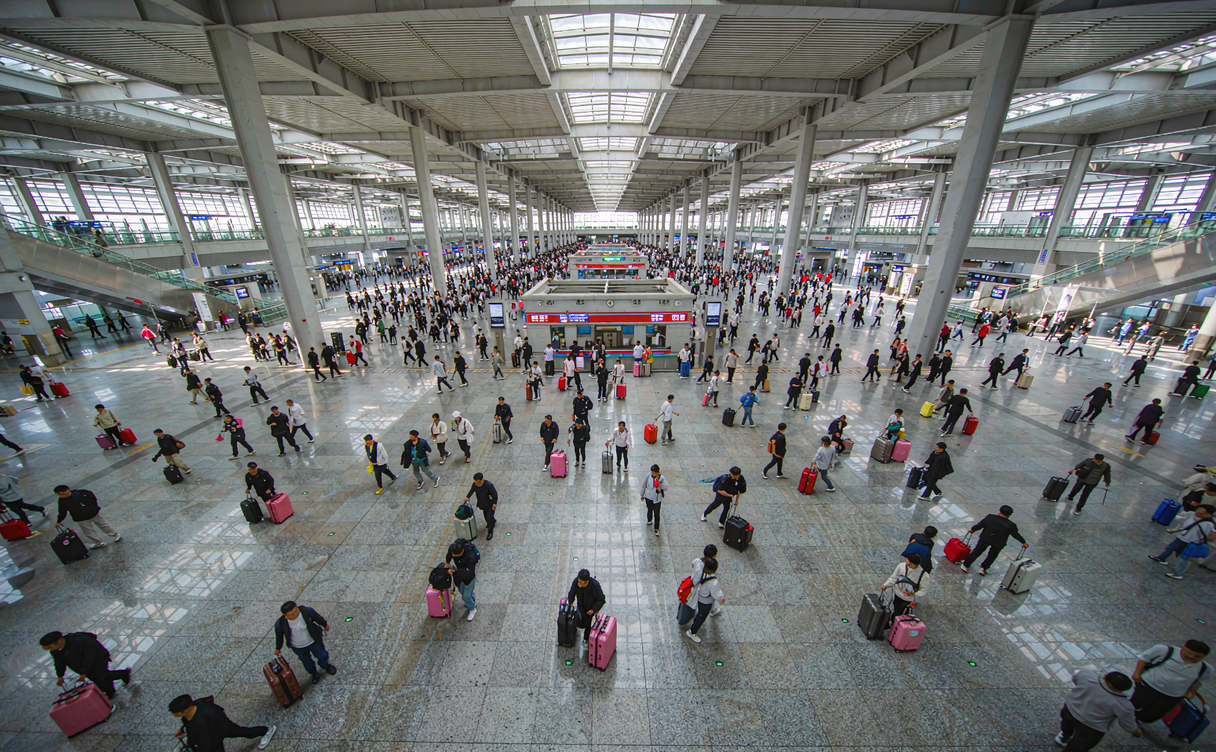
How to Travel During Labour Day
How to travel during Labour Day comfortably is mostly about expectation-setting. Hotels near top sights double or triple in price; booking 6–8 weeks out locks a sane rate. Attractions with timed-entry tickets should be reserved the day they release — many sell out for the entire holiday within days.
Consider secondary cities. While everyone piles into the headline destinations, places one train stop away are often half as crowded and half as pricey. A China travel guide for first-timers helps you identify which famous spots are worth the holiday scramble and which can wait for a quieter month.
A China May Holiday Guide to Smarter Routes
For a China May holiday guide, I suggest either (a) one base city with day trips, or (b) a point-to-point route where each move happens on May 2 or May 4 — the shoulders — not on May 1 itself, when every road and train is slammed. Avoid same-day flight-to-train connections; build a buffer night instead.
Where to Go Instead
A practical China May holiday guide is as much about subtraction as addition. The headline cities — Beijing, Shanghai, Hangzhou, Chengdu, Xi’an — are wonderful but at their most exhausting in early May. The move I recommend is to pick one famous hub, then spend your non-travel days in the smaller cities an hour’s train away: from Hangzhou, drift to Shaoxing or the Wuzhen water town; from Chengdu, slide to Leshan or Ya’an; from Xi’an, duck into the quieter foot-towns of Hua Shan. These satellites keep maybe 40–60% of the crowds and noticeably lower prices, while still delivering the scenery and food that drew you to the region. If you would rather avoid crowds entirely, the far northeast and much of the northwest see far fewer holiday travelers and reward the longer train ride.
Hotel prices make the case plainly. I have watched a ¥350 room near West Lake climb past ¥1,100 for the first two nights of May; the same property, booked in February, stayed under ¥500. The pattern holds at every marquee destination, so the calendar — not the discount app — should drive your booking sequence.
Weather is on your side in early May: most of the country is mild, with the south already humid and the north pleasantly warm. That comfort is exactly why everyone travels, so the best time to visit China guide still ranks May as a strong month — just acknowledge you’ll be sharing it.
Labour Day Crowd Tips and Safety
Crowd management is the heart of any Labour Day crowd tips plan. At major sites, follow staff-directed one-way routes, keep your phone charged and shared with a travel partner, and agree on a meeting point in case you’re separated. Pickpocket risk rises with density, so a front-zip bag worn across the body is worth it. The China travel safety tips guide covers health, scams, and emergency numbers in more detail.
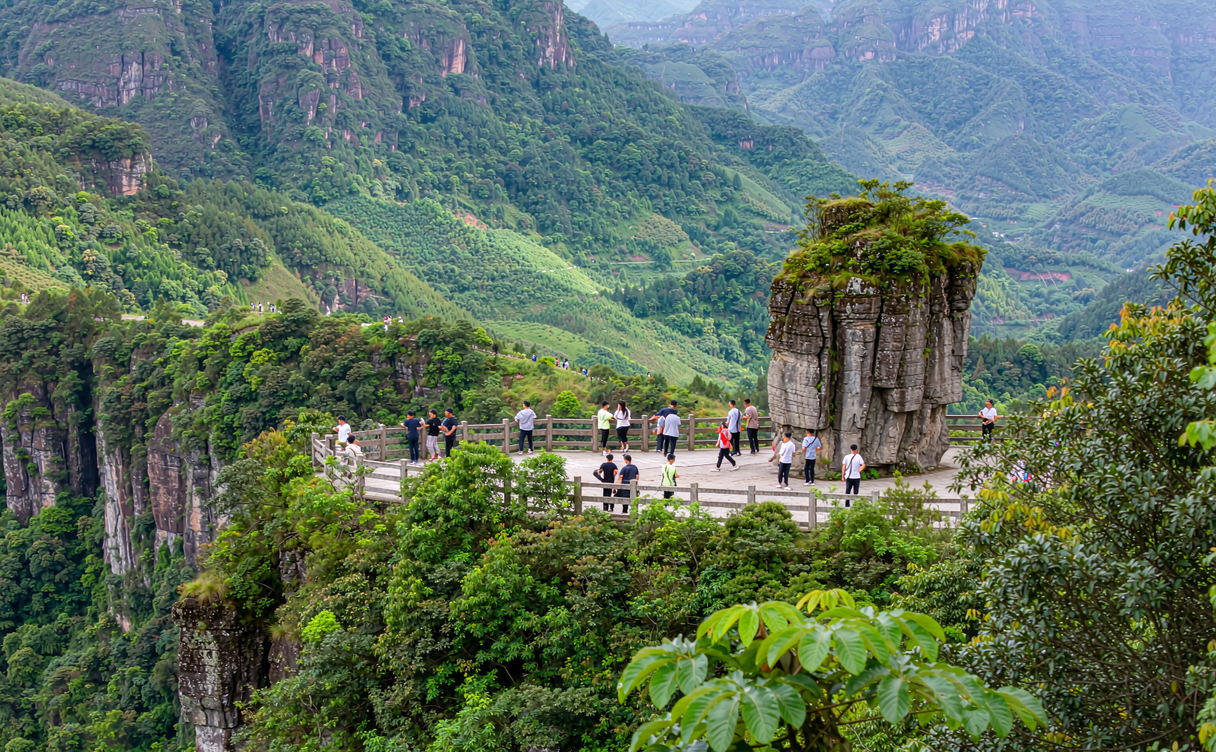
If you’re traveling with children or older relatives, lower your sightseeing quota by half during this week — lines that are 20 minutes in March become 90 minutes in May. A slower plan is a safer, happier one.
Is It Worth Traveling at All?
Absolutely, if you plan. The atmosphere during Labour Day is genuinely festive: night markets run late, parks host flower shows, and the energy is part of the experience. The tourists who suffer are the ones who assumed walk-up tickets and empty hotels exist in early May. Go in with reserves, flexible expectations, and an early alarm, and a Labour Day travel China trip can be a highlight rather than a headache.
Families especially should treat the calendar as the plan. The shoulder days — May 2 and May 4 — are dramatically calmer than May 1 for any timed attraction: cable cars, theme parks, and the popular mountain lifts all see their worst queues on the opening day. One traveler I spoke with waited two and a half hours for the Zhangjiajie Avatar-mountain cable car on May 1; the same ride on May 4 was under 40 minutes. Building your marquee activities around those quieter days is the single most reliable crowd-avoidance tactic of the week.
According to Wikipedia’s overview of public holidays in China, these adjusted holiday clusters are a deliberate policy that reshapes the entire travel calendar each year.
Check the confirmed dates first on the China public holidays 2026 page before you book anything.
New to the rail system? The China high-speed train guide for foreigners shows how to secure holiday tickets on time.
Stay safe in the crush with the China travel safety tips guide, then pick your window with the best time to visit China overview.