

Updated July 2026
Planning around the China public holidays 2026 is the single biggest lever you have for a calm trip. Time your visit wrong and you’ll share every viewpoint with hundreds of millions of domestic travelers; time it right and the same sites feel almost private. This crowd calendar lays out the 2026 statutory holidays, predicts where the crush will land, and gives you concrete ways to dodge it.
Before you build dates, read our China travel guide for first-timers so the logistics underneath the calendar make sense.
China Public Holidays 2026: The Full Calendar
China gets seven statutory holiday periods. The dates below follow the general 2026 arrangement; always confirm against the official State Council notice on english.www.gov.cn before booking, as make-up workdays shift year to year and a wrong assumption can wreck a connection.
| Holiday | 2026 Dates | Length | Crowd Level |
|—|—|—|—|
| New Year’s Day | Jan 1–3 | 3 days | Low–Moderate |
| Spring Festival | Feb 15–22 (around Feb 17) | 8 days | Extreme |
| Qingming (Tomb-Sweeping) | Apr 4–6 | 3 days | Moderate |
| Labour Day | May 1–5 | 5 days | High |
| Dragon Boat Festival | Jun 19–21 | 3 days | Moderate |
| Mid-Autumn Festival | Sep 25–27 | 3 days | Moderate |
| National Day (Golden Week) | Oct 1–7 | 7 days | Extreme |
The two to fear are Spring Festival and the National Day China Golden Week 2026, when intercity trains sell out weeks ahead and scenic areas cap entries or close entirely at capacity. Everything else is manageable with a little timing sense.
Where the Crowds Will Land
Spring Festival is a homecoming holiday, so the first and last days are pure transport chaos as hundreds of millions move at once. The big cities’ transit hubs are unbearable then, but tourist towns briefly empty as locals visit family — then explode as everyone takes short trips mid-break. If you’re already in China during the festival, the calmest days are the first two, before the domestic day-trippers mobilise.
National Day is the opposite pattern: everywhere is packed, especially Zhangjiajie, West Lake in Hangzhou, the popular water towns, and the Forbidden City, which hits its daily cap almost instantly. Labour Day sits between them — busy but survivable if you leave the marquee cities for second-tier ones.
The three-day festivals (Qingming, Dragon Boat, Mid-Autumn) mainly hit nearby gravesites, lakes, and hometowns, so they stay regional. You can travel through them with only mild inconvenience, as long as you’re not bound for one specific famous spot on the exact peak day.
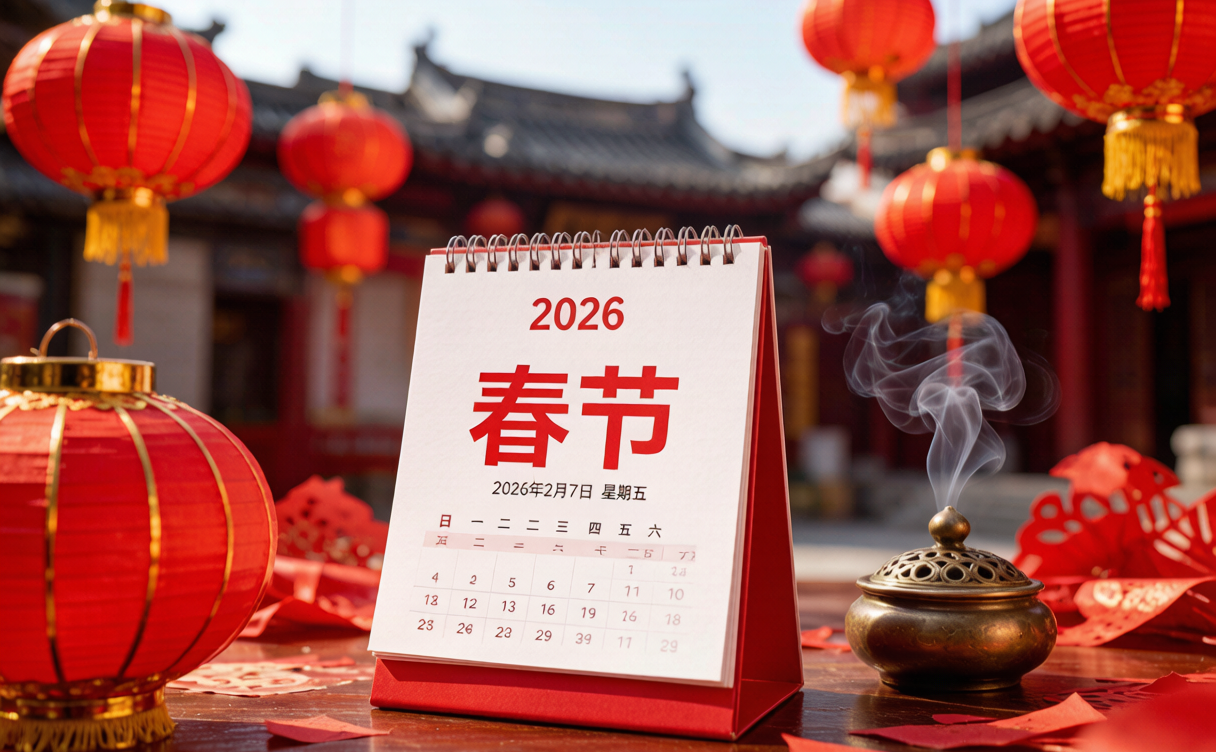
China Holidays 2026: Avoidance Strategy
The simplest rule: if a holiday runs three days or less, travel anyway but skip the single famous sight everyone posts online. If it’s Spring Festival or National Day, either come just before or just after, or embrace the chaos in a city that’s fun regardless of crowds, like Chengdu or Guangzhou, where the street life carries the trip.
Book high-speed trains the moment they open (typically 15 days ahead) — our China high-speed train guide for foreigners covers the booking window and the ID you’ll need at the gate. Hotels near marquee sites triple in price; staying a town over and commuting saves real money and often buys you a better night’s sleep.
One more habit pays off: treat the day after a holiday ends as a free travel day. Prices drop the moment the break closes and trains suddenly have seats, while the weather and the sights are unchanged. This “shoulder-day” trick is the single easiest way to enjoy a Golden Week experience without the Golden Week crowds, and it works for Labour Day and National Day alike. Pair it with the week-by-week outlook above and you’ll almost never fight the peak.
What to Book, and When
Flights during the two extreme weeks should be locked at least two months out, and the most popular train segments (Beijing–Xi’an, Shanghai–Huangshan, Chengdu–Lijiang) vanish within hours of release. Build buffer days so a sold-out train doesn’t sink the plan, and avoid planning a tight China itinerary that depends on a single departure.
For the moderate three-day breaks, you can book a week or two ahead with little risk, and prices barely move. The trick is simply not to arrive at a headline attraction on the holiday’s middle day, when local families do exactly the same thing.
A Week-by-Week Crowd Outlook
If you like precision, think month by month. January is quiet except for New Year. February belongs to Spring Festival — avoid the bookends, enjoy the lull mid-break. March and early April are among the year’s best windows: mild, green, and empty. Qingming in early April is a brief regional bump. May’s Labour Day week needs the same respect as a mini-Golden Week. June’s Dragon Boat is a lakeside local affair. July and August are hot and full of student travelers, but not holiday-driven. September is glorious until the National Day wall arrives; late September is the last calm before the storm. October’s first week is the year’s peak — then it drops off a cliff. November and December are calm and cheap.
Best Time to Visit Around the Holidays
The best time to visit China is the shoulder months — late March, mid-April, late May, September (just before the Golden Week), and November. These dodge both the climate extremes and the holiday spikes. If your only window is a holiday, lean on food, neighborhoods, and smaller museums rather than ticketed mega-attractions.
These China travel tips matter most in peak weeks: carry ID always, keep digital and paper copies of bookings, and expect app-based queue systems at popular sites. The best things to do in China during holidays tend to be the uncrowded, local ones — a night market, a riverside walk, a temple without a tour bus in sight.
FAQ
Are shops and attractions open during Spring Festival? Mostly yes in big cities, but many small restaurants and family businesses close for the first few days as owners travel home. Major sights stay open, often with holiday hours and thinner staffing.
Should I avoid China entirely during National Day? Not necessarily. Prices and queues spike, but if you plan around it — fewer marquee sights, more local wandering — it’s still a great trip. Just book transport early and lower your expectations for famous viewpoints.
Do the make-up workdays affect tourists? Only indirectly. Those weekdays are normal working days for locals, so attractions are calmer then — a good time for you to visit while Chinese travelers are at their desks.
Is the holiday calendar final this far out? The broad dates are set, but exact arrangements and make-up workdays are confirmed in the official annual notice, so verify on english.www.gov.cn before locking flights.
What’s the single best hack? Travel the week right after National Day (Oct 8 onward). The weather is still good in the south, prices collapse, and the crowds vanish overnight.