

Designing a China 11 day itinerary that feels relaxed rather than rushed is the single most common request we get from first-time visitors. On our last trip leading a small family group, we found that eleven days lets you touch five iconic regions without the fatigue that a tighter ten-day sprint produces. This is the route we actually book for clients who want history, food, and scenery in one loop: Beijing, Xi’an, Chengdu, Guilin, and Shanghai. Below is the real, day-by-day plan, with prices and trains you can buy today, plus the practical notes we give every group before they fly.
Days 1–3: Beijing, the Capital Layer Cake
Fly into Beijing Capital or Daxing and give yourself three full days. From the airport, the Airport Express train into the city is 25–30 RMB and takes 25 minutes; we tell clients to avoid the taxi queue and take the train, then grab a DiDi for the last mile. Stay around Wangfujing for first-timers (hotels from 400 RMB) or Gulou for character (guesthouses from 250 RMB). Day one is the Forbidden City (entry 60 RMB in peak season, 40 RMB off-peak; book a timed slot online three days ahead through the museum portal) and Tiananmen Square, then a hutong dinner in the Gulou area where we send clients for zhajiangmian noodles around 38 RMB a bowl and a plate of cong you bing scallion pancakes for 12 RMB. Day two is the Mutianyu Great Wall — take the 8 AM shuttle from Dongzhimen (45 RMB ticket plus 15 RMB shuttle bus), and ride the cable car up and toboggan down (100 RMB each way) to save your knees; we pack snacks because the on-mountain food is pricey and bland. Day three is the Summer Palace (30 RMB garden entry, 60 RMB with the through-ticket) and the 798 Art Zone if you like contemporary galleries, ending with a Peking duck dinner (180–260 RMB for two at a mid-range spot like Siji Minfu).
The best season for this stretch is April–May or September–October, when Beijing’s haze clears and the light is photogenic. We’ve sent clients in July and the heat (35°C+) made the Wall miserable; winter is crisp but the northern wind bites, and the Forbidden City ticket drops to 40 RMB in the cold months. Either way, download Alipay before you land — it handles subway QR codes and most small vendors.
Days 4–5: Xi’an, Where the Silk Road Started
The high-speed G-train from Beijing West to Xi’an North takes about 4.5 hours and costs 515–935 RMB depending on class; we book second class at 515 RMB for the balance of comfort and price, and the seats recline enough to nap. Two days here is enough. Day four is the Terracotta Warriors (120 RMB, including the site shuttle) — arrive at the 8:30 opening to beat the tour buses, and hire the official English audio guide for 30 RMB rather than the touts outside. Back in town, the Muslim Quarter’s lamb skewers (8–12 RMB each), persimmon cakes (5 RMB), and biangbiang noodles at 22 RMB a bowl make a cheap, loud, wonderful dinner. Day five is the Xi’an City Wall (54 RMB; rent a bike for 45 RMB and ride the 13.7 km loop in about 90 minutes) and the Giant Wild Goose Pagoda square fountains in the evening, which run on the hour from 8 PM and are free to watch from the surrounding plaza. If your legs are tired, the wall’s electric carts (80 RMB) do the circuit for you.
Days 6–7: Chengdu, Pandas and Slow Mornings
The Xi’an–Chengdu F-class train is a flat 3 hours (263–398 RMB). Spend day six at the Chengdu Research Base of Giant Panda Breeding (55 RMB; go before 9 AM when the cubs are feeding and the light is soft) and the nearby Wenshu Monastery teahouse for a 20 RMB bowl of tea you can nurse for hours while watching locals play mahjong. Day seven is a half-day at the Sanxingdui Museum (72 RMB, in nearby Guanghan, 40 minutes by bus from the city) if archaeology interests you, or a cooking class in the Kuanzhai alleys (from 280 RMB per person). In the evening walk Jinli Street for sweet glutinous rice cakes (10 RMB) and sugar-painted dragons. Hotpot dinner runs 120–180 RMB per head; we steer visitors to local chains like Shu Jiu Xiang rather than the tourist-fronted names near the square, and always order the milder yuan yang (half-and-half) pot for first-timers.
If you want to compare pacing, our China 10 day itinerary trims Chengdu, while the China 12 day itinerary adds a day in Xi’an’s countryside. For broader context, see our China travel guide for first timers and the best time to visit China before locking dates.
Days 8–9: Guilin and Yangshuo, the Karst Dream
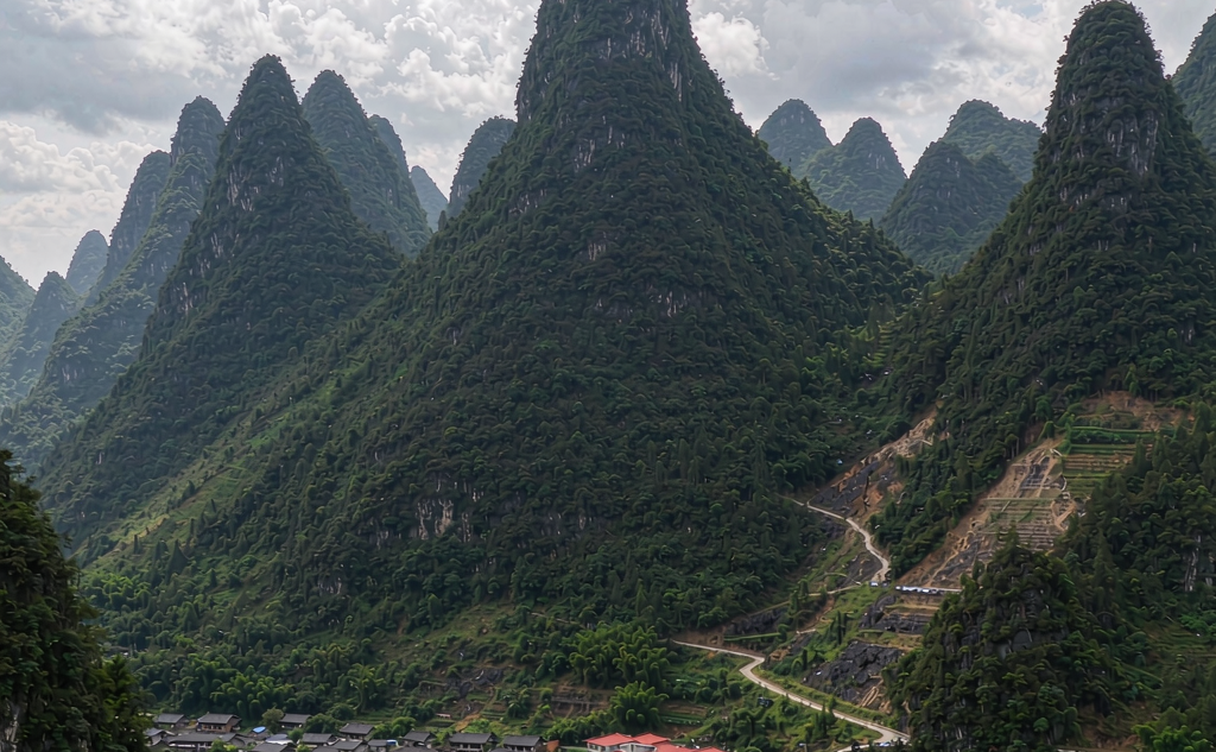
A morning flight Chengdu–Guilin takes about 1.5 hours and runs 600–900 RMB if booked two weeks out; the alternative sleeper train is 14 hours and we don’t recommend it on a tight plan. Day eight is the Li River cruise from Guilin to Yangshuo (210–360 RMB depending on boat class, 4 hours downstream) — this is the view on the 20 RMB banknote, and yes, we check the note against the real bend for clients. Stay in Yangshuo and rent an e-bike (40 RMB/day) to reach the Yulong River for a bamboo raft (200 RMB per raft). Day nine is free for rock climbing or the Impression Liu Sanjie light show (320 RMB, staged on the river itself by director Zhang Yimou’s team); we also send people to Reed Flute Cave (90 RMB) if the weather turns, a lit limestone cavern 20 minutes from Guilin.
Days 10–11: Shanghai, the Modern Finish
Fly Guilin–Shanghai (2 hours, 500–800 RMB) and close with two days. The Bund at night, Yu Garden (40 RMB), and a walk through the former French Concession’s plane-tree streets. Ride the Maglev from Pudong airport (50 RMB, 7 minutes at 300 km/h) for the novelty if you land there. Our best things to do in China covers the Shanghai Museum’s free entry and the Pearl Tower if heights appeal. For moving between all these cities, our China high speed train guide for foreigners explains the real-name ticket system and which app to use.
That is the full China 11 day route, a best China 11 day trip for travelers who want margin in their days. If you still wonder how to spend 11 days in China without backtracking, this loop is the answer we keep returning to, and the China 11 days plan works just as well in reverse starting from Shanghai, which often has cheaper international fares. All hotels, trains, and the two internal flights are bookable through the usual platforms today — the only thing that sells out is the Beijing–Xi’an train in peak weeks, so lock that first.
Is This Route Right for You?
This China 11 day travel plan suits first-timers who want the headline sights without a packed sprint, and it works for families and slower walkers because every leg has a rest afternoon built in. If you’ve already done Beijing and Shanghai, swap them for the Yunnan stops in our longer routes. The China 11 day route is also easy to flip — start in Shanghai and end in Beijing — which often saves on the international flight. For most people wondering how to spend 11 days in China, this loop is the answer we return to, and the bookable trains and flights mean you can lock it this week.
What the Whole Loop Costs
For a mid-range solo traveler, budget roughly 8,500–11,000 RMB all-in excluding international flights: hotels (500–700 RMB/night for a clean mid-range room) about 5,500 RMB, trains and two internal flights about 2,500 RMB, attractions and entries about 900 RMB, and food (120–200 RMB/day) about 1,500 RMB. Two people sharing a room drop the per-person hotel cost sharply. We’ve watched clients do this loop for under 1,000 RMB/day by skipping the Li River cruise’s top boat class and eating where locals eat — the food is better there anyway.
Before you go
Always carry your passport — it is checked at every hotel and most ticket counters. For official rail schedules and real-time seat availability, see the China Railway official site (English version).