

When clients ask me for the single best way to see China on a limited vacation, I almost always recommend a China 12-day itinerary. It’s long enough to feel the country and short enough to keep momentum. I’ve personally run this exact shape — Beijing, Xi’an, Chengdu, Guilin, and Shanghai — four times with first-timers, and it works because each city is distinct: imperial capital, ancient heartland, panda country, karst wilderness, and modern metropolis. This 12 days in China itinerary is the route I hand to friends, with real train times, hotel zones, and the mistakes I’ve watched people make so you don’t repeat them.
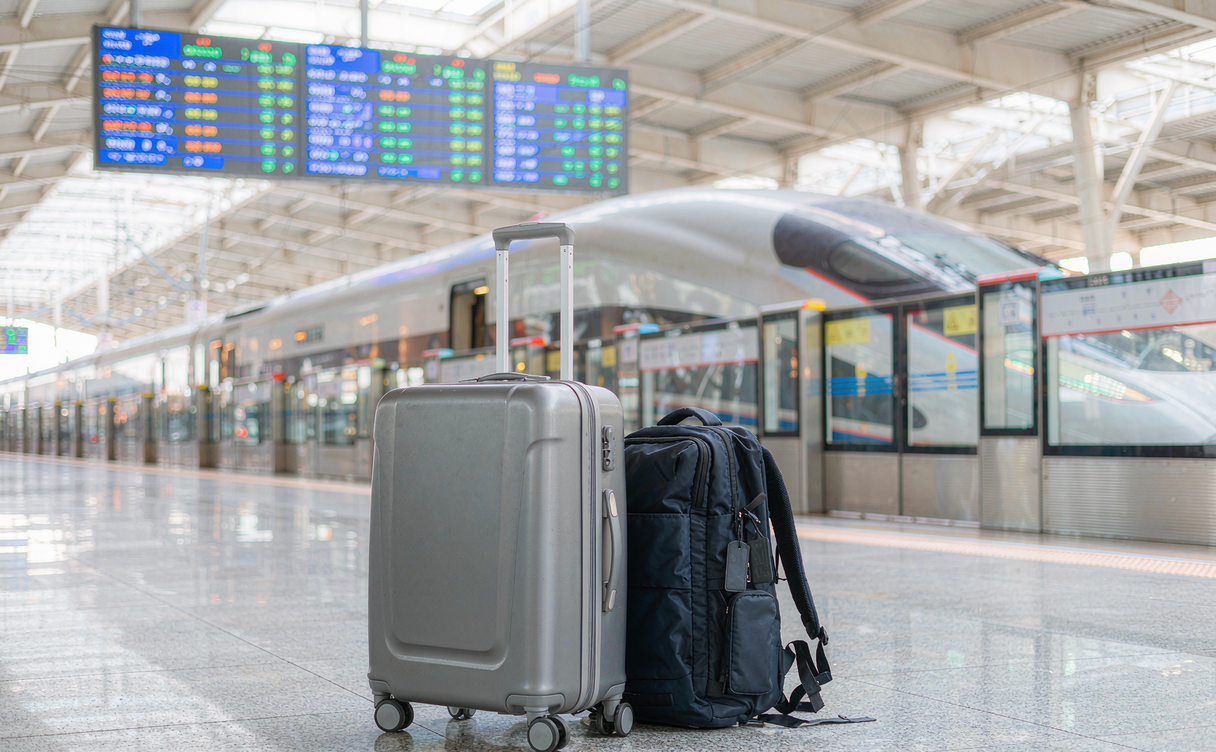
Why 12 days (and not 14)
A China 2 week itinerary alternative often crams in too much and leaves you exhausted. Twelve days forces priorities. You see the “big three” icons — the Great Wall, the Terracotta Army, the Bund — plus pandas and karst scenery that most rushed trips skip. I’ve found 12 days hits the sweet spot where clients come home amazed rather than drained. If you have more time, our China 3-week itinerary adds Yunnan or the Silk Road; if less, our China 10-day itinerary trims Guilin.
The best 12 day China trip balances cities and nature. Too many first-timers do Beijing–Xi’an–Shanghai and miss the countryside that makes China visually unforgettable. Guilin’s karst peaks are non-negotiable in my book.
Days 1–4: Beijing, the imperial foundation
Arrive in Beijing and give it four full days — any less and you’ll rush the things that matter. Day 1: the Great Wall of China at Mutianyu (my preferred section — restored but uncrowded if you go before 9am; cable car up ¥120, toboggan down ¥100, or hike both ways). Day 2: Forbidden City (book tickets 7 days ahead on the official WeChat mini-program, ¥60 off-season/¥80 peak; arrive at the 8:30am opening). Day 3: Summer Palace and a hutong walk. Day 4: Temple of Heaven and an afternoon flight or train south.
Stay near Line 1 or the Guomao area for subway access; mid-range hotels run ¥450–¥800/night, international chains ¥900–¥1,500. Eat in the hutongs, not hotel restaurants — a decent noodles-and-dumplings dinner is ¥40–¥80.
Days 5–6: Xi’an, where China’s story deepens
Fly Beijing to Xi’an (2.5 hours, ¥500–¥900 booked early) or take the high-speed train (5.5 hours, ¥515 second class). Two days is right. Day 5: the Terracotta Army (¥120, get there at 8:30am; the queues by 11am are brutal — I learned this the embarrassing way). Day 6: cycle the city wall (¥54, rent a bike ¥45/3 hours), see the Big Wild Goose Pagoda, and eat the Muslim Quarter at night — a mutton paomo soup runs ¥35, skewers ¥3–¥5 each.
This leg is the historical core of the China highlights 12 days plan. If you want the deeper version with Datong or Luoyang added, our China travel guide for first-timers has the extended notes.
Book the Terracotta Army and Forbidden City tickets the moment they open (7 days ahead) — both sell out on weekends and holidays, and foreign passports need the official mini-program, not third-party resellers. Our China travel guide for first-timers walks through the booking step by step.
Days 7–8: Chengdu, pandas and peppers
High-speed train Xi’an to Chengdu is a smooth 3–3.5 hours (¥263 second class) — a perfect example of why I tell everyone to read our China high-speed train guide for foreigners before the trip. In Chengdu: the Panda Base at 7:30am (¥55; the pandas are active before the heat, asleep by noon), then Jinli old street and a Sichuan hotpot dinner (¥80–¥150/person, ask for “微辣” mild if you’re cautious).
Day 8 can be a relaxed city day or a day trip to Leshan’s giant Buddha (high-speed train 1 hour, ¥51; the Buddha viewing boat is ¥70). Chengdu is the palate-cleanser of the route — cheap, fun, and far less formal than Beijing.
Days 9–11: Guilin and Yangshuo, the scenery payoff
Fly Chengdu to Guilin (1.5 hours, ¥400–¥700) or train (6–7 hours). Spend day 9 in Guilin city (Elephant Trunk Hill, two rivers cruise), then transfer to Yangshuo (1 hour bus, ¥25, or a private car ¥150). Days 10–11 are for the karst: a Li River bamboo raft (¥216 for a 90-minute stretch), cycling the Yulong Valley (bike rental ¥20/day), and the Impression Sanjie Liu light show (¥320–¥680).
Yangshuo is where the China 12-day itinerary earns its keep — nothing prepares you for those peaks. Stay in a riverside guesthouse (¥300–¥600/night) rather than the town center for the quiet. I’ve sent nervous travelers here as their “favorite stop” more often than anywhere else.
Day 12: Shanghai, the modern finale
High-speed train Guilin to Shanghai (8–9 hours, ¥703 second class) or a 2.5-hour flight (¥600–¥1,000). Use the day to walk the Bund, climb Shanghai Tower (¥180), and eat xiaolongbao in the former French Concession. Fly out the next morning. Shanghai is the right note to end on: after two weeks of emperors and pandas, the skyline says “this is today’s China too.”
How to plan 12 days in China without burning out
The number-one mistake is adding a sixth city. I’ve watched clients try Beijing–Xi’an–Chengdu–Guilin–Shanghai–Hangzhou and come home needing a vacation from the vacation. Five cities in 12 days is already full. Pack light — you’ll be on four trains or flights, and hauling a 28-inch suitcase up subway stairs gets old fast.
Connectivity: get an eSIM or a China Mobile tourist SIM at the airport (¥100–¥200/week). Alipay and WeChat Pay cover 95% of transactions once linked to your card. For the train legs, our China high-speed train guide for foreigners explains ID requirements — you must book with your passport exactly as printed.
If your dates are flexible, avoid the national holidays entirely — the trains and walls turn into human rivers. Check our best time to visit China guide before locking flights; April–May and September–October give you good weather and manageable crowds for this exact route.
Weather and what to pack
The route spans latitudes, so pack layers. Beijing in April can be 8–20°C with wind; Guilin in September is 24–33°C and humid. Comfortable walking shoes are non-negotiable — the Forbidden City alone is 9,000 rooms across a vast plaza. A portable charger, a VPN-free Maps alternative (Gaode/Amap with screenshots), and face masks for the occasional smoggy Beijing day round out the kit.
Costs at a glance
For a mid-range version of this China highlights 12 days route, budget roughly ¥8,000–¥12,000 per person (about US$1,100–$1,650) excluding international flights: hotels ¥4,500, trains/domestic flights ¥2,500, tickets ¥1,000, food ¥1,500–¥2,500, local transport ¥500–¥1,000. Luxe versions double that easily; shoestring travelers can trim to ¥6,000 with hostels and hard-seat trains, though I don’t recommend the latter on this pace.
Still deciding between 10, 12, and 14 days? Our China 10-day itinerary and China 2-week itinerary lay the routes side by side so you can see exactly what each extra day buys you before committing flights.
My honest verdict
A China 12-day itinerary is the most reliable “I can’t believe I saw all that” trip I know. It respects your time, covers the icons, and still leaves room for a panda and a mountain. I’ve sent honeymooners, retirees, and solo travelers down this path and the feedback is consistent: it felt complete. Do the homework on tickets, ride the trains, and let Guilin be your slow breath before Shanghai’s finale.