

Tucked into the northern foothills of the Tianshan Mountains, Changji is one of those Chinese destinations that rewards travelers who step just beyond the obvious. Most visitors fly into Urumqi, the regional capital, and rush straight to the postcard scenery of Heavenly Lake. That is a fine plan, but it leaves out a city that makes an ideal base for exploring the wider region. A good Changji travel guide Xinjiang should begin with this simple truth: Changji sits roughly an hour from Urumqi and even closer to Tianchi, giving you calmer streets, lower prices, and a genuine taste of Hui and Uyghur everyday life.
This Changji travel guide is written for independent travelers who want more than a whistle-stop photo. We will cover what the city actually offers, how to get there, when to go, what to eat, and how to build a relaxed day trip to one of the most beautiful alpine lakes in Asia.
Where Is Changji and Why Visit?
Changji Hui Autonomous Prefecture sits in the heart of Xinjiang, China, a short drive northwest of Urumqi. The name “Changji” means something close to “prosperous and auspicious” in Chinese, and the city still carries that easygoing character. While it is not as famous as Kashgar or Turpan, it has quietly become a practical hub for travelers who want to loop through northern Xinjiang, China without the friction of staying in a big, busy capital.
The real draw is location. From Changji you can reach Heavenly Lake (Tianchi) in well under two hours, slip into Urumqi for museums and transport links, and use local markets that feel authentically local rather than staged for tour buses. For photographers, food lovers, and slow travelers, that balance is hard to beat.
Things to Do in Changji China
The headline activity is simply wandering. Changji’s layout is flat and walkable, and its evening streets come alive with food stalls, music, and the smell of roasting lamb. But there is more structure you can add to your days.
The Changji Hui Ethnic Culture Park is a calm, family-friendly spot where you can learn about the Hui people, their mosques, and their distinctive fusion of Chinese and Islamic heritage. It is not a theme park in the commercial sense; think of it as a relaxed open-air museum where locals actually gather.
For history, the Northern Xinjiang, China region has deep Silk Road roots. Within day-trip distance you will find ancient beacon towers, old caravanserai ruins, and small county museums that explain how trade moved between the Central Plains and the west. A Changji travel guide Xinjiang would be incomplete without mentioning these quieter heritage sites, which rarely appear in mainstream itineraries.
Nature lovers should not miss the reed wetlands and reservoirs around the prefecture. In spring and autumn, migratory birds pass through, and the wide horizons make for peaceful cycling or picnics far from crowds.
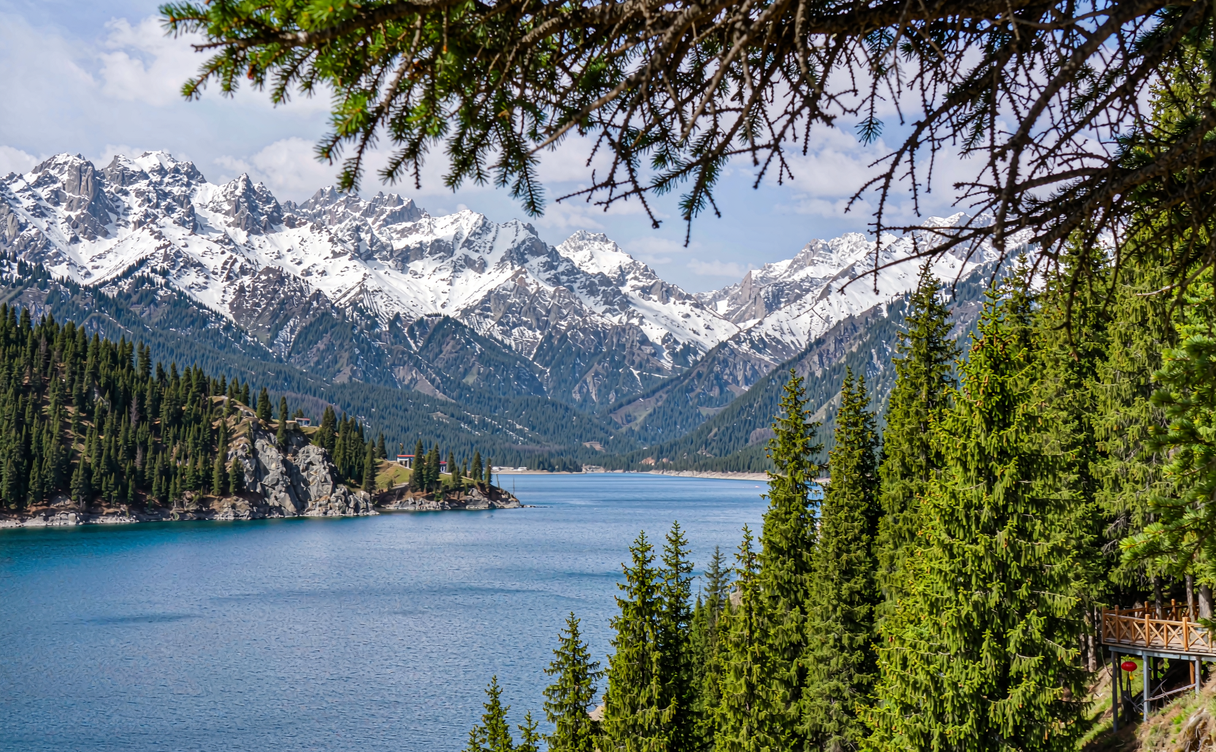
Changji to Heavenly Lake Tianchi Day Trip
The single best excursion from the city is the Changji to Heavenly Lake Tianchi day trip. Tianchi, or “Heavenly Lake,” is a glacial alpine lake set high in the Tianshan range at about 1,900 meters above sea level. Turquoise water mirrors snow-capped peaks and dense pine forest, and a short cable car or lakeside walk delivers views that feel almost theatrical.
To do this trip, leave Changji in the morning. Buses and private drivers can reach the Tianchi scenic area entrance in roughly 90 minutes to two hours depending on traffic. From the entrance, a shuttle climbs the mountain to the lake shore. Budget a half day at the lake itself: walk the eastern shore, take a boat ride if the weather is clear, and climb a little higher for panoramas over the water toward Bogda Peak.
One practical note: the mountain weather changes fast. Mornings are usually clearest, which is another reason to start early from Changji rather than fighting Urumqi’s longer commute. If you want a deeper northern Xinjiang, China loop, pair Tianchi with a later stop in the Ili Valley travel guide for wildflower meadows and Kazakh yurts.
Changji Food and Night Market
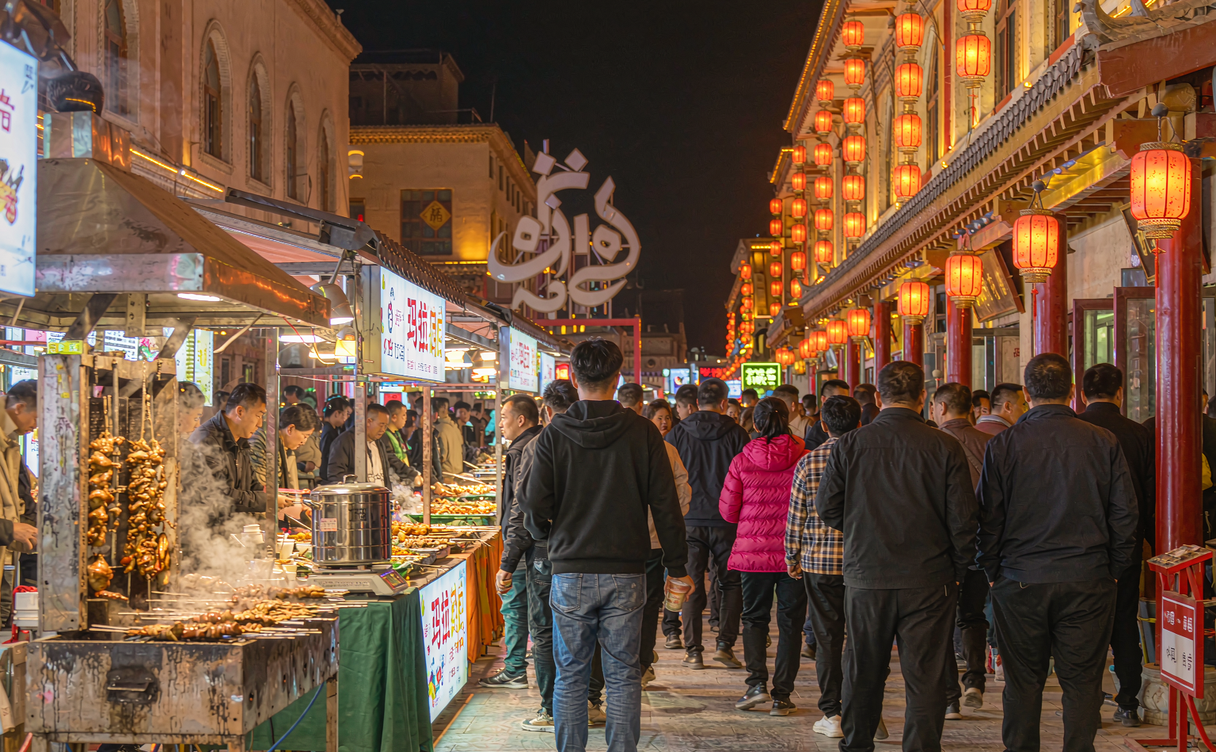
No Changji travel guide would be honest without a long section on food, because eating is the city’s social engine. The standout experience is the Changji food and night market, where smoky grills, steaming noodle pots, and sweet fried pastries line the street after sunset.
Start with chuanr, the skewered lamb that defines northwestern Chinese grilling. Here the cubes are smaller, the fat is rendered just right, and cumin and chili do the talking. Pair it with laghman, a hand-pulled noodle dish tossed with peppers, tomato, and sometimes beef, or try samsa, the baked meat pastry that shows the region’s Central Asian kinship.
For something sweeter, look for fried dough twists and rose-flavored ice treats in summer. Hui-run shops also serve excellent sesame biscuits and milky teas that make a gentle break from the spice. Vegetarians will find cold noodle salads, roasted eggplant, and stuffed peppers widely available.
The night market is also where you feel the city’s blend of cultures most directly. Hui, Han, Uyghur, and Kazakh vendors work side by side, and the music drifting between stalls is part of the show. Come hungry and leave slowly.
Best Time to Visit Changji
The best time to visit Changji is late spring through early autumn, roughly May to October. Summer brings long daylight, green valleys, and the most reliable access to Tianchi, though it is also the busiest window. June and September are sweet spots: warm but not scorching, with thinner crowds and clear mountain air.
Winter is harsh and very cold, but it has a quiet charm for travelers who enjoy snowbound landscapes and near-empty attractions. If you go in winter, pack serious layers and check mountain road status before any Tianchi plan. Spring can bring wind and the occasional sand-laden gust rolling from the deserts, so a light scarf is wise year-round.
Changji to Urumqi Transport
Getting around is easy, and understanding Changji to Urumqi transport helps you design a smooth route. The two cities are connected by frequent long-distance buses and ride-hailing or taxi services, with the trip typically taking about one hour to 90 minutes depending on your start point. Urumqi Diwopu International Airport is the main air gateway, so many travelers land there, sleep in Changji, and explore from a calmer base.
Trains and buses also link Changji to other parts of Xinjiang, China, making it a sensible first or last stop on a regional circuit. If you are building a northern route, consider combining the city with the Urumqi travel guide for capital-city museums, then push west toward the Turpan travel guide for flaming mountains and ancient oasis towns.
Planning a Wider Xinjiang, China Loop
Changji works best as a hinge. From here you can fan out in several directions. West and south, the Kashgar travel guide describes the fabled old city and Sunday bazaar at the edge of the Taklamakan. Northwest, the Bole travel guide opens the door to Sayram Lake and the Kazakh frontier near the border. Each of these pairs naturally with a Changji base if you want to break long drives with a comfortable, affordable overnight.
The advantage of anchoring in Changji is rhythm. Big destinations exhaust you with crowds and prices; Changji lets you recharge, eat well, and set off early. That pattern turns a checklist trip into a real journey through Xinjiang, China.
Practical Tips for Travelers
Carry some cash as well as mobile payment, since smaller stalls may prefer either. Learn a few polite phrases or keep a translation app ready; outside major hotels, English is limited. Respect local customs around mosques and dress modestly when visiting religious sites. Tap water should be boiled or bottled, and the dry climate means you should drink more than feels necessary.
For official background on attractions, opening times, and regional travel advisories, consult the Ministry of Culture and Tourism of China, which publishes authoritative guidance for visitors exploring destinations across the country, including Xinjiang, China.
Final Thoughts
A thorough Changji travel guide Xinjiang should leave you with one clear idea: this is not a city you suffer through to reach somewhere better. It is a place with its own rhythm, its own kitchens, and its own front-row seat to the Tianshan. Spend a night, eat at the night market, wake early for Tianchi, and you will understand why so many repeat travelers to northern Xinjiang, China keep Changji on their map.
Whether you are chasing Silk Road history, alpine lakes, or simply a good plate of lamb skewers, the things to do in Changji China will surprise you with how full a single day can feel. Build your route, pack for changing weather, and let the city be the calm center of a big, beautiful region.
Read our Urumqi travel guide to plan your airport arrival and capital-city museums before heading to Changji.
Explore the Turpan travel guide for flaming mountains, grape valleys, and ancient oasis towns on your Xinjiang, China route.
Discover the Kashgar travel guide to add a fabled Silk Road old city and borderland bazaar to your northern journey.