

Hangzhou is one of those Chinese cities where where you sleep shapes the whole trip. The city’s star attraction, West Lake, is free to walk but priceless to wake up beside, and the difference between a generic tower block and a lakeside room is the difference between a good visit and a memorable one. This guide to the best hotels in Hangzhou walks through the three tiers that actually matter for foreign travelers: splurge-worthy West Lake views, characterful heritage inns, and clean budget stays that keep you close to the action. I have stayed across all three bands here, and the gaps are narrower than the prices suggest. For the broader picture, our Hangzhou travel guide covers what to do once you have booked.
Luxury: West Lake views worth the rate
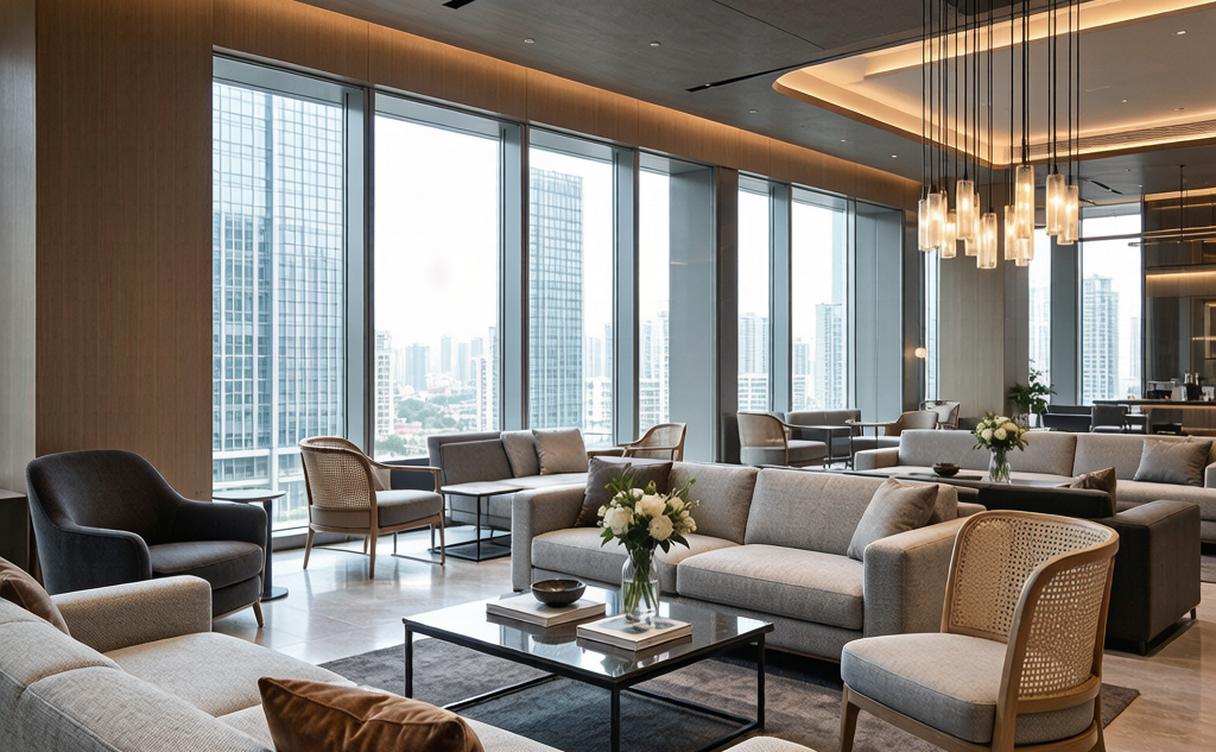
If you are going to spend up anywhere in China, Hangzhou’s lakefront is a reasonable place. The top addresses sit along the north and west shores, where a balcony over the water puts you steps from the Su Causeway and the lotus ponds. The trade-off is price and, in peak season, noise from the promenade below. For a quieter luxury experience, look at the hillside properties behind the lake — same view, fewer crowds, a short shuttle to the water. These hotels lean on refined service and gardens rather than flash, which fits Hangzhou’s temperament. If you want to compare styles nationally, our China luxury travel guide rates the standout city hotels coast to coast.
Heritage inns: the character band
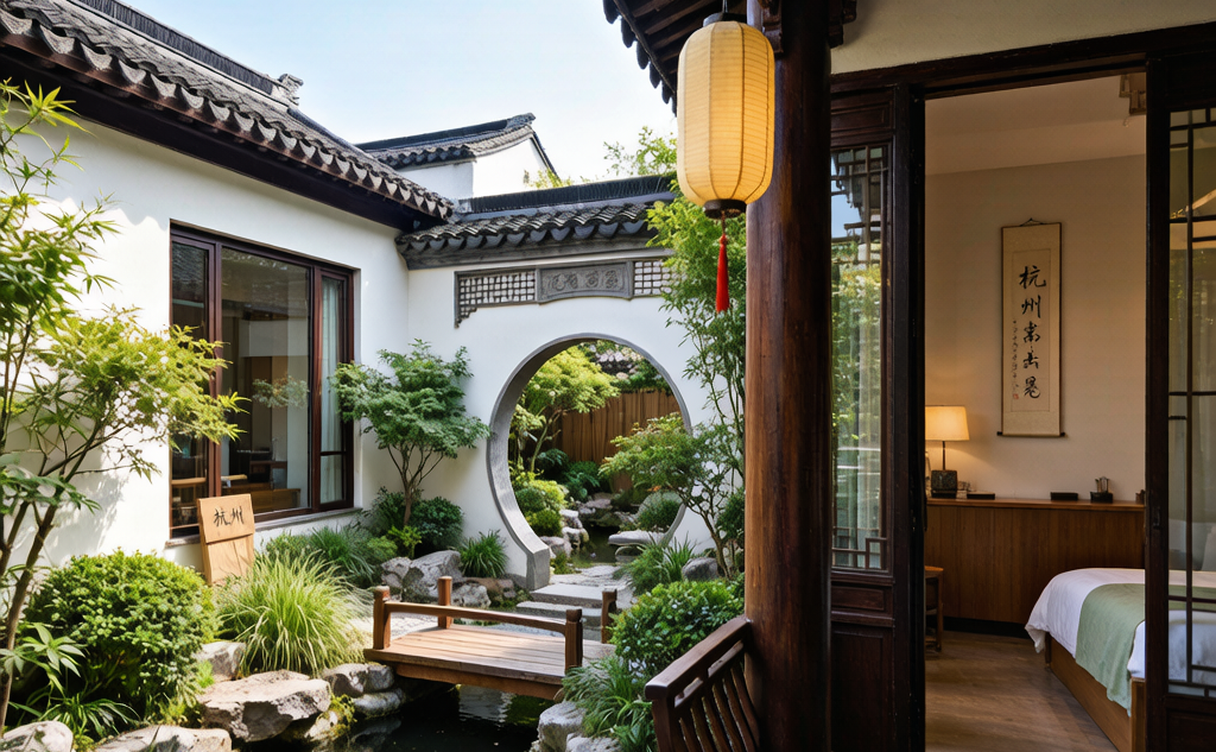
The most distinct places to stay in Hangzhou are not international chains but restored courtyard inns, many tucked into the lanes near the lake or in the older canal districts. A Hangzhou heritage inn typically means timber beams, a small interior garden, and a host who will brew you Longjing tea unprompted. They are pricier than a chain but deliver a sense of place a glass tower cannot. Book early — the good ones have a dozen rooms and fill from domestic travelers on holiday. This is where Hangzhou rewards the traveler who researches, because the best inns rarely appear on the default booking platforms’ front page.
Budget stays: clean, central, sensible
You do not need a lake view to enjoy Hangzhou. The city’s metro reaches most sights, and a well-reviewed budget hotel near a Line 1 or Line 2 station gets you to the lake in twenty minutes for a fraction of the lakeside rate. The trick is choosing a neighborhood: stay near the lake’s east side or the railway-adjacent districts and you trade scenery for convenience and price. For daily spend context, our China travel budget per day guide shows what mid-range and low-end stays cost across cities. A budget room here is usually modern, air-conditioned, and breakfast-included — standards are high even at the low end.
The lake districts: which shore
West Lake is not one view but several, and the shore you pick changes your stay. The north-east strip around Hubin is the most central — walkable to shopping and the metro — but also the busiest. The west and south shores are quieter and more scenic, with the Su and Bai causeways giving you car-free morning walks. The south shore near Leifeng Pagoda suits travelers who want the postcard sunset without the north-side crowds. None of these are far apart; the lake’s loop road is about fifteen kilometers, so a bike or short ride covers any gap. Match the shore to your mood, then book within walking distance of it rather than the city center proper.
Where to stay by trip type
Deciding where to stay in Hangzhou depends on your plan. First-timers who want postcard mornings should commit to the lake, accepting the premium. Food-and-tea travelers might prefer the historic Wulin or Hefang Street areas, walkable to night markets and old shops. Business or transit visitors should default to the east side near the station. If you are comparing cities, our where to stay in Shanghai guide shows how the tier-one neighbor handles the same budget-to-luxury spread, useful if you are stringing the two together by high-speed rail.
Food, tea, and the Longjing hills
Hangzhou’s draw is not only the lake but the table. Longjing (Dragon Well) green tea grows on the hills just west of the water, and a spring visit to a family tea farm beats any café tasting. The city’s cuisine is refined and light — West Lake vinegar fish, beggar’s chicken, and river shrimp done simply. For context on why the landscape is protected, West Lake is a UNESCO World Heritage site (whc.unesco.org/en/list/1334), inscribed for its cultivated scenery and the gardens that set the template for Chinese parks. Knowing that helps explain why new builds near the shore are kept low and why the morning mist is worth waking for. Pair a heritage inn stay with a tea-hill afternoon and you get the real Hangzhou.
Booking tips that save money
Hangzhou’s rates swing hard with holidays — National Day in October and the spring tea season spike prices and occupancy. Shoulder months (April, May, September, November) are calmer and cheaper. Book directly with heritage inns where possible; many waive a fee or throw in a lake transfer. Check whether “lake view” means a sliver between buildings or an open panorama before you pay the upgrade. International cards are accepted at the chains but sometimes bounce at small inns, so carry a backup payment method. Our best boutique hotels in China list includes several Hangzhou entries if you want a curated shortlist.
Getting there and how long to stay
Hangzhou sits 45 minutes from Shanghai by high-speed rail and has an international airport with regional flights, so it slots into almost any east-China route. Two nights is the minimum to see the lake and one outlying site; three or four lets you add the tea hills, the Grand Canal town of Wuzhen nearby, or a day in the mountains west of the city. The metro from the station to the lake is straightforward, and rideshare apps work well for the last mile. If you arrive by air, budget 40 minutes to the lake district in traffic. Most visitors over-plan and under-relax here; Hangzhou rewards a slower calendar more than a longer one.
A note on location realism
West Lake is large, and “near the lake” can mean a forty-minute walk from the scenery you came for. Always check the map distance to the actual shoreline, not the district name. The south shore is quieter and often better value than the famous north-east strip; the east side is most convenient for transit. I have made the mistake of booking “lake area” and ending up a cab ride away — verify the pin, not the label.
Family and business stays
Hangzhou handles groups well. Family travelers will find lakefront hotels with kids’ pools and easy causeway strolls, while business visitors default to the CBD east of the station, a short metro ride from the scenery. The heritage inns are less suited to families — small rooms, stairs, and quiet hours — so weigh character against convenience. For a work trip, a lake-view room is an easy way to host an evening walk for colleagues. If you are combining cities, the same booking logic that works in Shanghai applies here, just at gentler prices. Choose the tier by purpose: celebration, exploration, or transit, not by habit.
Final thoughts
The best hotels in Hangzhou span a wide range, but the city is forgiving: even a budget room on the metro puts you close to one of China’s finest urban landscapes. Spend on the lake if it matters to you, settle into a heritage inn if character counts, or save your yuan for tea and dinners. Whatever you choose, wake early once — the lake before the crowds is the real Hangzhou.