

Datong is having a quiet moment. For years travelers treated it as a whistle-stop between Beijing and Xi’an — a quick look at the Yungang Grottoes and on you go. But the city has rebuilt its Ming-dynasty walls, restored its old streets, and opened a clutch of genuinely good hotels. Now we routinely tell clients to slow down and spend a night or two inside the ancient city. This Datong hotel guide explains exactly where to stay, what it costs, and how to use your base to see the grottoes, the Hanging Temple, and the wall itself without wasting time in traffic or missing the best light.
Stay inside the walls, not at the station
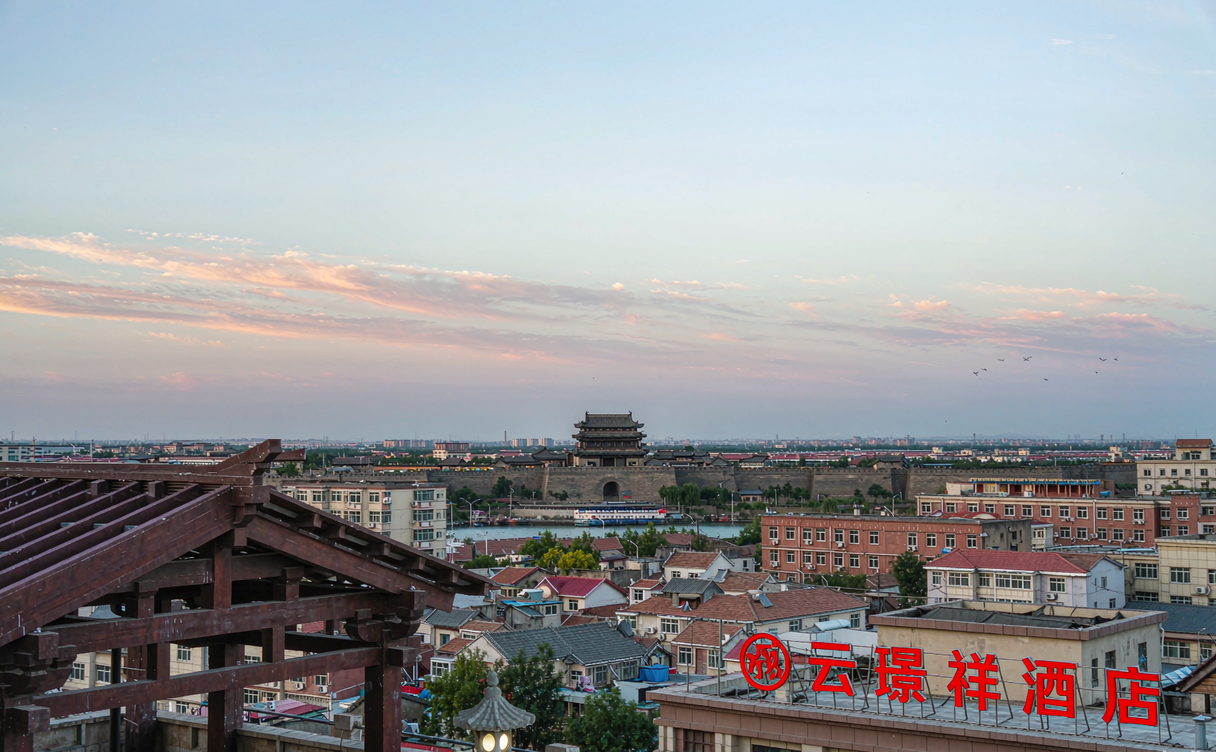
The single most important piece of advice we give: book inside the restored ancient city (古城), not out by Datong South high-speed rail station. The station is fifteen to twenty kilometers south of the old town, and a taxi in from there costs RMB 40 to 60 and eats thirty to forty minutes. Inside the walls, you can walk to the Nine Dragon Wall, the Huayan Temple, and a dozen noodle shops in under ten minutes. When we last visited, we stayed just off the rebuilt west wall and walked the full circuit on the ramparts at dusk — something you simply cannot do from a station hotel, and one of the best free experiences in the city.
Luxury and upscale picks
Datong’s top address is the Yunzhong Traditional Courtyard Hotel (云中传统四合院), a restored courtyard property inside the old city with rooms from about RMB 800 to 1,400 (USD 110–195) a night. It is the kind of place where the lobby smells of wood smoke and the suites open onto private courtyards planted with pomegranate trees. Bookability is tight in peak season, so reserve ahead.
For a more conventional five-star feel, the Hilton Datong sits just outside the south gate and runs RMB 600 to 1,000 (USD 85–140). It is reliable, has a proper gym and pool, and is a short walk to the city center. We steer business travelers and families here, especially those who want consistent heating and an international breakfast.
Boutique and character stays
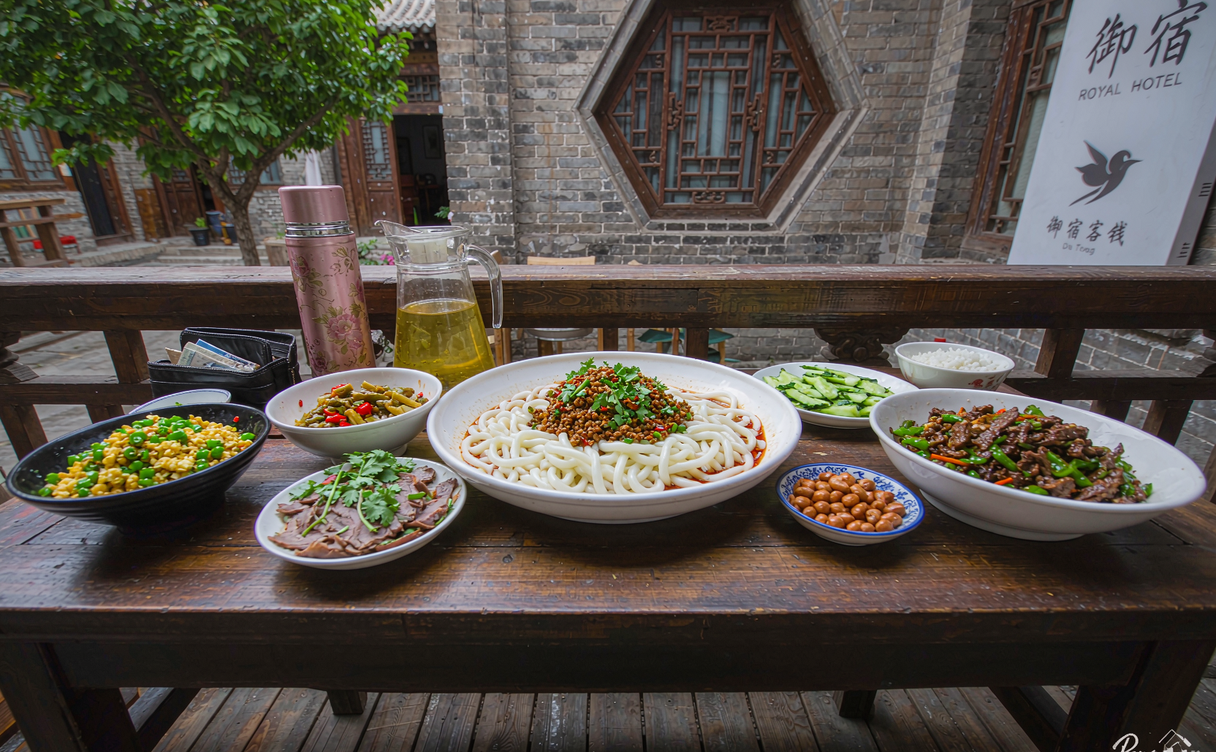
The best value in Datong right now is the wave of small boutique hotels in converted courtyard houses. Expect RMB 350 to 650 (USD 50–90) for a stylish room with kang-style platforms or modern beds, friendly owners, and a location you cannot beat. Wi-Fi can be patchy and soundproofing varies, but the atmosphere more than compensates, and many serve a light homemade breakfast of congee and pickles. Our China heritage hotels guide explains the appeal of sleeping in restored historic buildings, and Datong is one of the easiest places in Shanxi to try it well.
Mid-range and dependable chains
Atour, Vienna, and Orange hotels all have branches inside or just outside the walls, with clean rooms from RMB 250 to 450 (USD 35–65). We have booked the Atour near the south gate repeatedly — new, quiet, and a five-minute walk to the action. For a Yungang-focused trip, a few hotels have opened near the grottoes’ west entrance; they are convenient if the grottoes are your only stop, but you lose the old-city dining scene and the evening wall walk, which we consider the better trade.
Getting to Datong and how long to stay
Most foreign travelers reach Datong by high-speed train from Beijing North or Beijing Chaoyang (about two to two and a half hours, RMB 145–210 / USD 20–30) or from Taiyuan (about two and a half to three hours). A private car from Beijing runs RMB 1,200 to 1,600 (USD 170–225) and lets you stop at the Hanging Temple en route — a smart move, because the temple is roughly halfway and awkward by public transport. Datong Yungang Airport has limited domestic flights, mostly from major hubs.
Plan two nights. Day one for the ancient city and walls; day two for the Yungang Grottoes and the Hanging Temple at Hengshan. Our Datong travel guide has the exact timing, including the early start that beats the bus tours at the grottoes.
Best seasons and what to eat
Spring (May) and autumn (September–October) are ideal: cool, clear, and good for walking the wall. Summer is warm but fine; winter is brutally cold (down to -15°C) yet atmospheric, with ice festivals and nearly empty grottoes — and the lowest hotel rates of the year. Datong’s food is Shanxi noodle country. Try the knife-cut noodles (刀削面), the local fried pork with jelly (过油肉), and the yellow millet porridge. A bowl of knife-cut noodles costs RMB 12 to 20; a sit-down dinner for two runs RMB 100 to 180 (USD 14–25). Many courtyard hotels serve a light homemade breakfast included in the rate. We have also had good luck asking the front desk to arrange a private driver for the Hanging Temple, which typically costs around RMB 300 to 400 round trip and spares you the hassle of the public bus, which is slow and crowded on weekends.
What to see inside the walls
Inside the walls, two sights justify a half-day even if the grottoes are your main goal. The Nine Dragon Wall (九龙壁) is a Ming-dynasty screen of glazed ceramic dragons, smaller than Beijing’s but older and, many say, finer, and it sits a short walk from the central hotels. The Huayan Temple (华严寺) is a working Buddhist monastery with a rare Liao-dynasty hall facing east rather than south, plus a gallery of faintly smiling clay arhats that reward a slow look. We tell clients to visit both in the late afternoon, after the grottoes, when the light slants across the old tiles and the tour groups have gone home. A combined entry for the two runs about RMB 80 to 120 (USD 11–17), and both are walkable from any in-wall hotel, which is the whole point of basing yourself inside the city rather than out at the station.
Booking tips from the field
- Reserve the courtyard hotels early; they have twenty to forty rooms at most and sell out on weekends.
- Ask for a room off the main lane if you are a light sleeper, since the old city comes alive with strolling families after dark.
- Confirm heating in winter — northern Shanxi hotels that skimp are a common complaint from January visitors.
- If the Yungang Grottoes are your priority, our Datong Yungang Grottoes guide notes the best arrival times to dodge coach tours and catch the morning sun on the west caves.
Pairing Datong with nearby bases
If your route continues west, our Taiyuan travel guide covers Shanxi’s capital and the Pingyao loop, a natural extension by high-speed rail. Heading back to the capital instead? The best hotels in Beijing list helps you book the right base, and the Beijing first-time travel guide ties the whole northern route together with train times and transfer advice that save a lot of friction.
Why the grottoes matter
The Yungang Grottoes are a UNESCO World Heritage Site, with 252 caves and more than 51,000 Buddhist statues carved mainly in the fifth century under the Northern Wei dynasty. Staying in Datong puts you there at opening time, before the coach tours — the difference between a contemplative visit and a crowded one, and the reason we push clients to sleep in the city rather than race through.