

Choosing the best hotels in Beijing comes down to one practical question: do you want the marble lobby of a global chain, or the quiet of a renovated courtyard behind a gray hutong wall? We have sent friends, clients, and first-timers to all of the places below, and the right pick depends far more on your daily plan than on star ratings. This article is a concrete shortlist, organized by hotel type and price, so you can match a room to the way you actually travel. For the bigger picture of which district fits your itinerary, our where to stay in Beijing guide maps the neighborhoods by commute and vibe, and if a siheyuan stay is the whole point of the trip, our Beijing courtyard hotels guide goes deeper on that single theme. Here we keep it to the picks.
The international luxury tier concentrates in two spots: Wangfujing, a short walk north of the Forbidden City, and the Chaoyang CBD, where towers and embassies stack up. The Peninsula Beijing sits on Wangfujing and puts you within fifteen minutes on foot of the palace’s east gate; Rosewood Beijing anchors the CBD with oversized rooms and a serious spa; the St. Regis and the Four Seasons are both a taxi hop from the embassy district. For a true splurge, the Aman at Summer Palace tucks rooms inside restored Qing courtiers’ quarters a few steps from the Summer Palace gardens. Expect roughly ¥1,800 to ¥4,500 per night across these, climbing 30 to 60 percent during the October holiday and the Spring Festival peak. We recommend booking directly on the hotel website when paying with a foreign card, because some third-party platforms still stumble on overseas issuers and leave you chasing a confirmation.
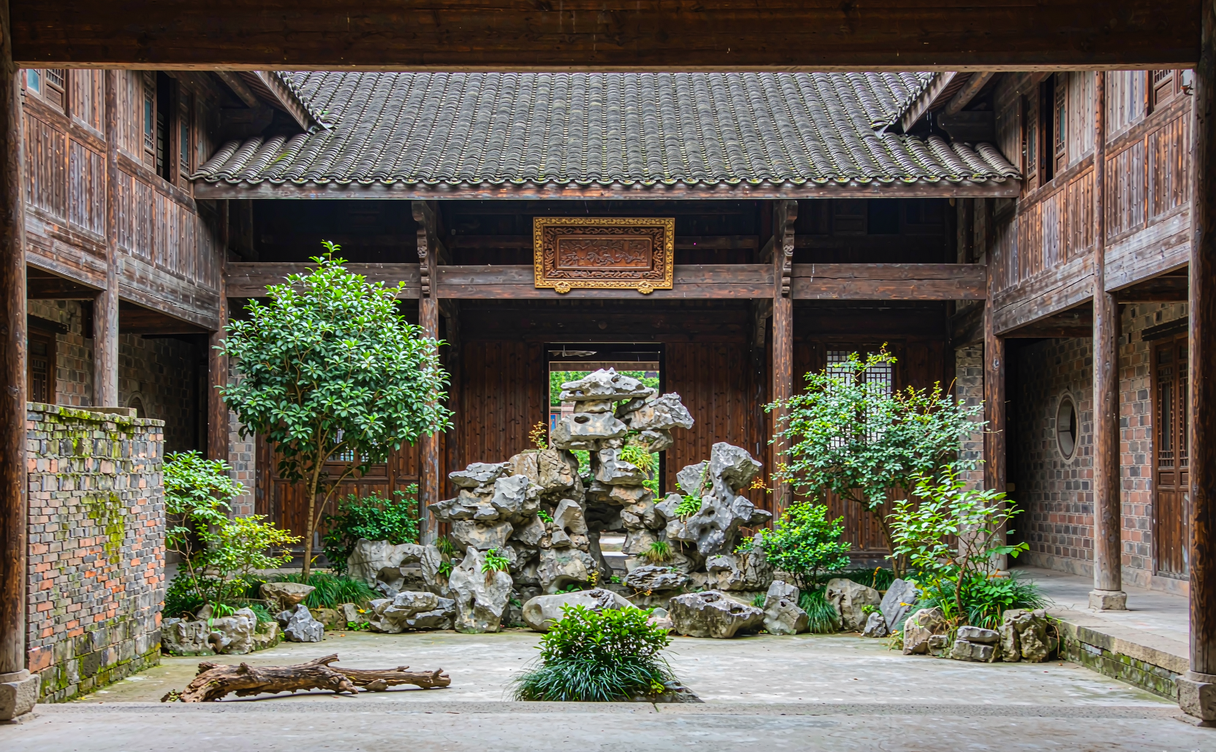
The hutong scene is where Beijing boutique hotels earn their reputation. The Orchid, near the Bell and Drum Towers, folds a pair of courtyard houses into a handful of design rooms with a rooftop you can actually use at sunset. Over in Qianmen and Dashilan, Hotel Côté Cour and a cluster of restored siheyuan guesthouses put you within walking distance of Tiananmen and the old railway district, while Shichahai’s courtyard stays trade lake views for a quieter nightlife. Rates run about ¥900 to ¥2,000 a night. Best courtyard hotels Beijing lists tend to overlap with our courtyard guide, but the useful move is to pick one and stop researching fifty; the experience is similar enough that the neighborhood matters more than the brand.
For travelers watching the budget, the mid-range chains are reliable and foreigner-friendly. Atour and Ji Hotel, two Chinese chains, offer clean modern rooms near subway lines for roughly ¥350 to ¥600; Courtyard by Marriott and Novotel properties around Guomao and the Liangmaqiao embassy area run ¥700 to ¥1,100. All accept a foreign passport at check-in under China’s hotel registration rules, and Beijing hotel neighborhoods in this tier line up along Metro Line 1 and Line 10, which keeps you within twenty to thirty-five minutes of most sights. We have put nervous first-timers in these and watched them relax once they realized the subway signage has English and the front desk handles the paperwork.
Families should look at the Guomao and Chaoyang Park corners, where pools and big breakfast buffets settle restless kids. The Kerry Hotel Beijing, beside Chaoyang Park, has a proper pool and playground access, and the China World Hotel inside the Guomao complex connects to a mall and the subway without stepping outside in winter. Rates sit around ¥1,200 to ¥2,200. We recommend these for a family hotels Beijing shortlist because the indoor connections matter when the wind picks up and a toddler needs a nap that does not require a taxi. The Novotel Beijing Xinqiao, over by Wangfujing, also works for families who want the Forbidden City a short walk away and do not mind a busier street.
If you land late or catch a dawn bullet train, stay near the airport or a major station. The Hilton and Crowne Plaza at Capital Airport put you minutes from Terminal 3 for roughly ¥700 to ¥1,300, and a free shuttle covers the gap. For the high-speed link to Xi’an or Tianjin, a night by Beijing South railway station saves a brutal subway haul; several mid-range chains sit within a five-minute walk. Book these as a buffer, not a base, unless transit is genuinely your whole plan, because the airport corridor is dull and the station area thins out after dark.
Before you book, two rules save real grief. First, every hotel in China must register your passport at check-in, and a few budget guesthouses near the suburbs still fumble foreign names, so carry the passport and read up beforehand. Second, payment: international cards now work at most big hotels, but smaller courtyard inns may want Alipay or WeChat Pay, which you can link to a foreign card in an afternoon. Peak season pushes prices up and sells out the good courtyard rooms, so our separate booking walkthrough is worth a look before you commit; the platforms that accept overseas cards without drama are listed there, and the steps are simpler than they were two years ago.
The Forbidden City anchors most first trips, and our Forbidden City tickets guide explains the north-south routing that spares your legs. Staying in Wangfujing or Qianmen puts the palace a ten to twenty minute walk away; staying in the CBD or Haidian doubles that to thirty to forty-five minutes by subway. If the Summer Palace and the old summer palaces are your focus, the northwest corner (Haidian) cuts the commute, though you trade away nighttime dining. We recommend new visitors pick one hub, Wangfujing for sights or Chaoyang for food and embassies, rather than splitting the stay across two hotels and losing a morning to luggage.
For a first visit, the rhythm we coach is simple. Spend the first two nights in a courtyard to feel the old city, then move to a Chaoyang tower for the rest, which keeps you near different metro lines and breaks the routine. Most travelers we meet regret booking one far-flung hotel for the whole week more than they regret any single hotel choice. The city is large and the traffic is real, so location does more work than thread count.
Beijing boutique hotels outside the hutongs deserve a line of their own. Sanlitun and the Gulou area hold design-forward rooms aimed at longer stays and younger crowds, with roof bars and coffee shops downstairs. Prices run ¥600 to ¥1,400, and the trade-off is street noise in exchange for nightlife you can walk to. We like these for second trips, when the must-see sights are done and the point is to live the city a bit rather than tick boxes. The service is looser than at the chains, but the design and the location are the draw, not the concierge.
Pulling the tiers together helps. Luxury international brands concentrate in Wangfujing and Chaoyang; courtyard gems hide in Qianmen and Shichahai; mid-range chains line the subway; and family and airport needs point to Guomao and the terminals. Beijing hotel neighborhoods each carry a personality, and the trick is matching that personality to your daily plan rather than chasing the highest rating. A ¥500 room in the right spot beats a ¥3,000 room an hour from everything.
Prices shift with the calendar in ways worth knowing. Spring, from April to May, and autumn, from September to October, are the comfortable windows, and that is when both the courtyard rooms and the CBD towers fill. Winter is cheap and cold, with some boutique inns shutting their rooftop spaces; summer is hot and crowded but fine if you pick a hotel with a pool. Whatever the season, confirm the bed type when you book, because many Chinese hotels default to two twins pushed together, and a clear “king bed” note in the comments avoids a surprise at midnight.
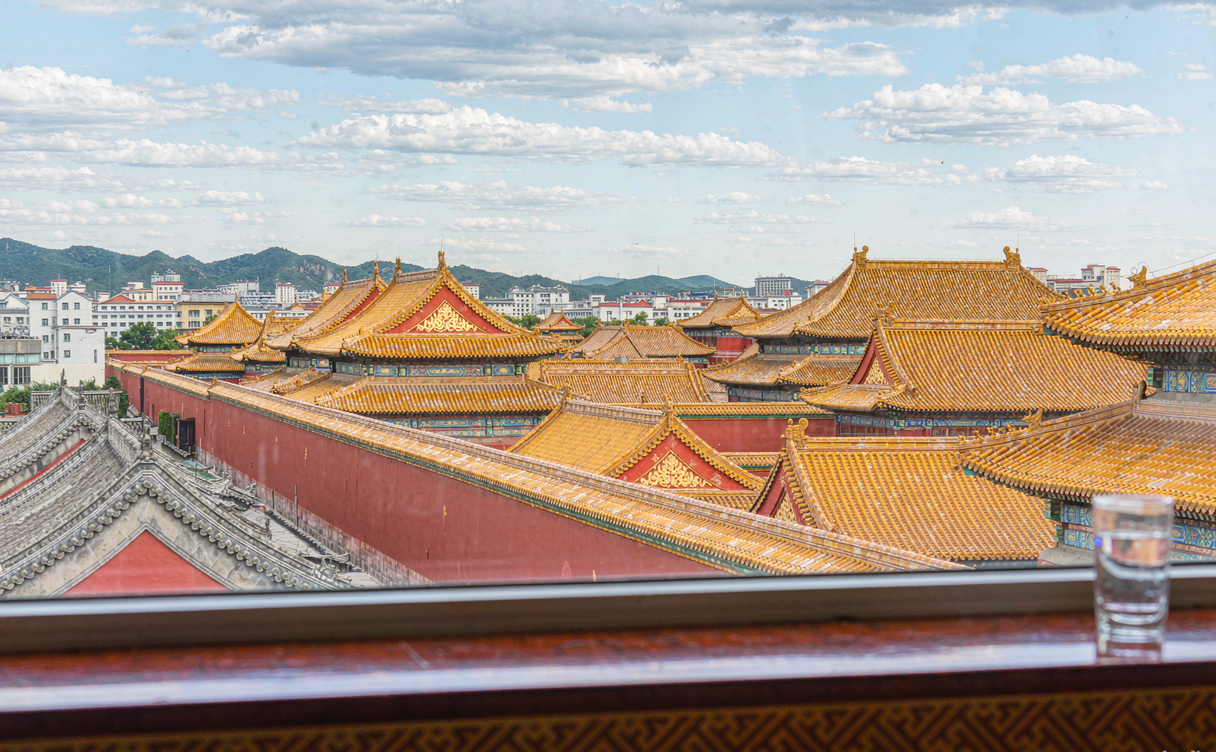
The imperial sites you will likely stay near carry real weight. The Forbidden City and the Summer Palace are both inscribed on the UNESCO World Heritage List, a status worth a read before you go so the architecture means something when you finally stand inside it. Knowing that the wooden halls you are looking at have stood for six centuries changes how you photograph them, and it explains why the hotels near Wangfujing charge what they do.
In the end, the best hotels in Beijing are the ones that fit the rhythm of your days: close to the subway when you are sightseeing hard, quiet in a courtyard when you want the old city’s pace, and forgiving of a late flight when you are leaving. We have seen travelers happy in a ¥400 chain room and grumpy in a ¥4,000 suite simply because of location. Pick by plan, not by price, and the city rewards you.