

Jiayuguan is the kind of stop travelers overlook on a map and remember for years afterward. This is the western terminus of the Great Wall, where the Ming dynasty’s ramparts march into the Gobi and the Jiayuguan Fort — the “First and Greatest Pass Under Heaven” — still guards the desert gate. This best hotels in Jiayuguan guide exists because where you stay here shapes the whole visit: a good base lets you catch the fort at dawn before the tour buses, while a bad one leaves you stranded on the city’s sprawling edge. We have booked rooms here for hundreds of travelers on the Silk Road run, and the gap between the right and wrong hotel is bigger than the price tag suggests.
Jiayuguan, Gansu, China sits at the crossroads of the Hexi Corridor, roughly 770 kilometers west of Xi’an and a natural break between the mainland heartland and the far west. Most visitors arrive by high-speed train or as a flying stop on a Gansu–Xinjiang loop. If you are building the broader trip, our best hotels in Xi’an guide covers the corridor’s eastern anchor, while our best hotels in Chengdu guide covers the gateway most foreign visitors use to enter the west.
Where to stay in Jiayuguan
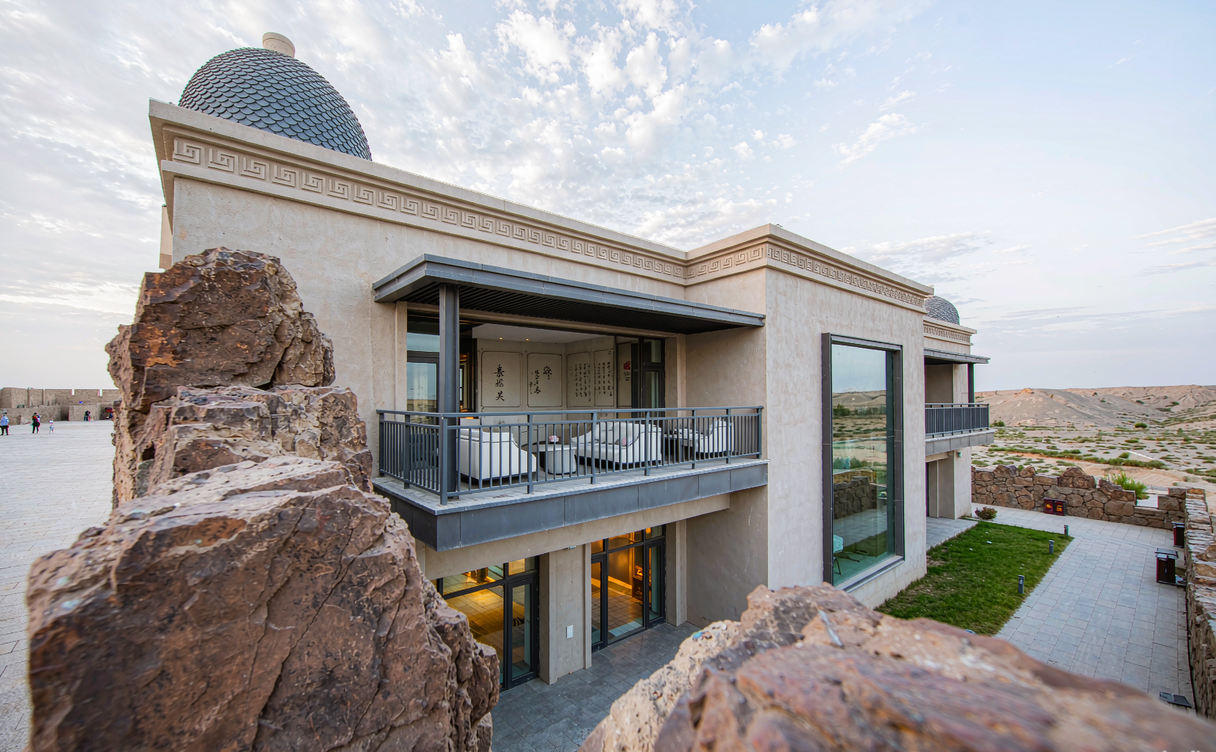
The practical answer to where to stay in Jiayuguan is: pick the downtown district near the train station and the main boulevard, not the isolated resort hotels out by the industrial zone. Downtown puts you within a 15-minute taxi of the fort, the Great Wall Museum, and the best lamb-skewer restaurants in town. The fort itself is 7 kilometers south of the center, so a central base with easy DiDi (ride-hailing) access beats a pretty-but-remote property every time. We have moved travelers out of lonely outskirts hotels more than once; the savings were not worth the lost evening.
Jiayuguan Gansu hotels span a surprisingly wide range for a mid-size city. You can sleep well for RMB 200 a night or go properly plush for RMB 900, and the quality at each tier is decent because the city caters to domestic business and Silk Road tourism rather than mass foreign crowds. The single most important booking factor is heating and air conditioning: Gansu swings from 35°C summers to -15°C winters, and an older property without good climate control will ruin a night.
Luxury hotels Jiayuguan
For luxury hotels Jiayuguan, the clear standouts are the international-brand and top domestic properties near the city center and the high-speed rail station. Expect RMB 600–900 per night for a spacious room, a proper breakfast buffet (with hand-pulled noodles made to order), a gym, and reliable English at the front desk — a rarity this far west. We booked the Crowne Plaza–level options for a family group last autumn and the parents specifically noted how the staff helped arrange a dawn fort taxi and stored their luggage for a Dunhuang onward train.
These upper-tier hotels also tend to have the best soundproofing, which matters: Jiayuguan, Gansu, China is a working transit city, and cheaper places near the freight lines can rumble at night. If you want the fort-view splurge, one or two properties sit within sight of the walls, but honestly the 10-minute drive from downtown is preferable to paying double for a view you will only see at check-in and checkout. For a Silk Road pairing, our Mogao Caves guide explains the next must-see stop at Dunhuang, an hour’s flight or a few hours’ train west.
Budget hotels Jiayuguan
On the other end, budget hotels Jiayuguan deliver real value. Clean, modern chain properties (think Home Inn, Elan, or local equivalents) run RMB 150–300 per night, with hot showers, central heating, and fast Wi-Fi — perfectly fine for travelers who spend their days out at the fort and the Overhanging Great Wall. We put backpackers and rail-pass travelers here constantly, and the only consistent complaint is thin walls, which earplugs solve.
The trick with budget stays in Jiayuguan, Gansu, China is to book a property built after 2015; the older state-run guesthouses can be atmospheric but cold and dim. For the same money-tier traveler heading further west, our Xinjiang, China travel guide covers the next leg of the corridor, where the hotel standards and the landscapes both shift again.
Jiayuguan fort accommodation and the dawn trick
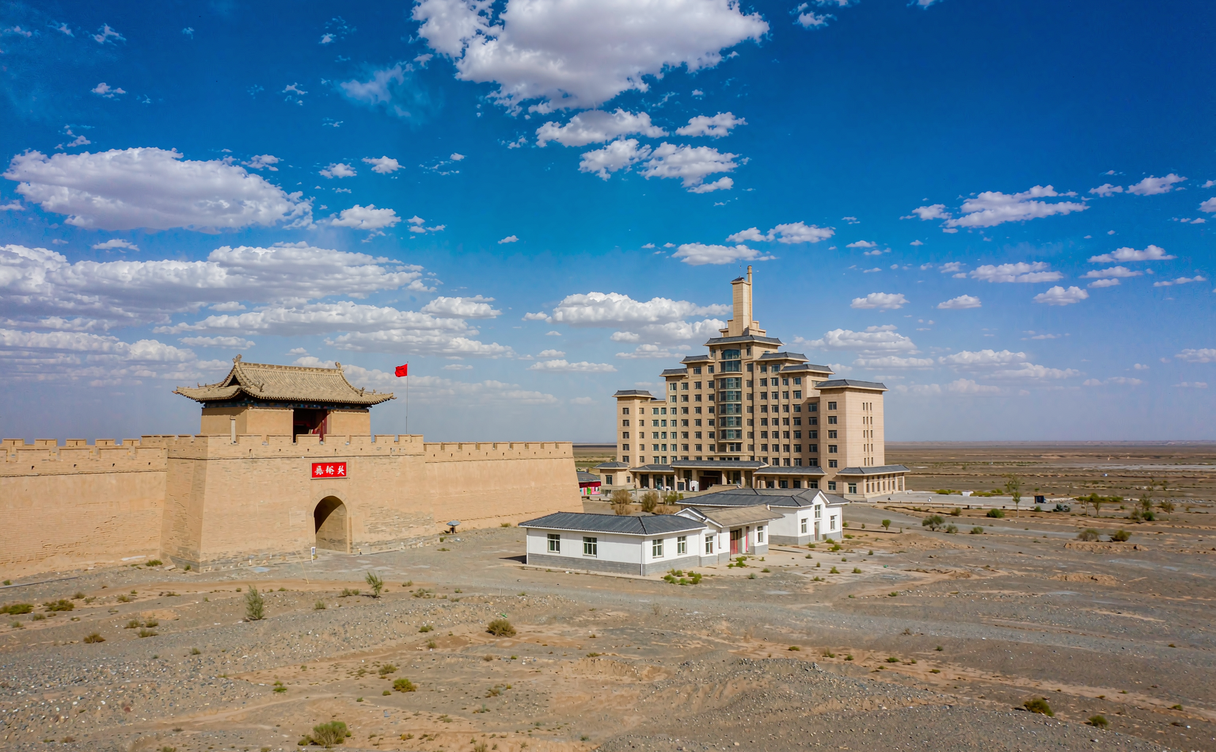
Strictly speaking, there is no Jiayuguan fort accommodation inside the walls — the fort is a daytime heritage site, not a hotel. The smart play is to stay in town and arrive at the fort’s 8:30 a.m. opening, beating the coach tours that roll in after 10. We have had travelers do the entire fort and the adjoining Great Wall museum in two calm hours this way, then retreat to a hotel brunch before the heat. If you want a “fort-side” feel without sleeping in the desert, a couple of boutique courtyard hotels 2 kilometers from the gate offer thick-walled, Gobi-style rooms with courtyard breakfasts — RMB 400–600 and genuinely atmospheric.
Best time to visit and booking season
Timing affects both the weather and the room rates. The best time to visit Jiayuguan is May to June and September to October, with daytime highs of 18–28°C and clear, dry desert air; July–August can hit 35°C and draw domestic summer crowds that nudge prices up 20–30%. Winter is freezing but nearly empty and cheap. For the full national picture, our best time to visit China guide maps the Hexi Corridor against the rest of the country so you can sequence Gansu with milder or warmer regions.
Booking tip from our desk: Jiayuguan, Gansu, China has a limited top-tier room supply, so during the October National Day holiday and the summer peak, the good hotels sell out weeks ahead. Reserve your downtown property at least a month early for those windows; the rest of the year you can safely book a few days out.
What to do beyond the hotel
The fort is the headliner, but the Overhanging Great Wall (15 minutes out) and the First Beacon Tower of the Great Wall are easy half-day add-ons, and the Jiayuguan Great Wall Museum is a genuinely good, air-conditioned primer. For more ideas across the country, our best things to do in China overview pairs Gansu’s desert heritage with lower-key experiences elsewhere. Food is a highlight: Gansu lamb skewers (RMB 3–6 a stick), hand-pulled beef noodles (RMB 15–25), and stuffed flatbreads make every evening cheap and delicious.
For the heritage weight of the place, the Great Wall of China on the UNESCO World Heritage list explains why Jiayuguan’s gate is protected as part of that designation — the western end of a structure that runs thousands of kilometers. Standing on the fort rampart at dusk, with the Gobi going orange and the wall dissolving into the desert, you understand exactly why travelers have called this the edge of the known world for centuries.
Our honest take
This best hotels in Jiayuguan write-up comes down to one rule: stay central, book a post-2015 property, and let the fort’s dawn be your reward. The city is safe, walkable in the center, and far cheaper than the coastal metropolises, so you can trade up a tier here without blowing the budget. We have sent everyone from solo cyclists to multigenerational families through Jiayuguan, Gansu, China, and the happy ones all did the same thing — slept well downtown, rose early, and owned the fort before the crowds.
I remember a retired couple from our group who insisted on the cheapest room and ended up at a frigid guesthouse near the rail yard; we moved them the next morning to a downtown property for RMB 80 more and they called it the best upgrade of the trip. The lesson sticks: in a desert climate city, climate control is not a luxury, it is the stay. Jiayuguan rewards the traveler who plans the bed as carefully as the battlefield.
For those extending west, our Xinjiang, China travel guide is the natural next read, carrying the corridor story into the far west. And if your loop started in the heartland, our best hotels in Xi’an guide remains the bookend that began the journey.
One closing logistics note: Jiayuguan’s high-speed station is a few kilometers from downtown, and most hotels will arrange a pickup or a cheap DiDi. Build an extra night if you are arriving from a long Xinjiang drive, because the city makes a perfect decompression stop before the train east. For seasonal timing and the corridor’s weather, our best time to visit China guide is the prep we hand every Jiayuguan-bound traveler before they book.