

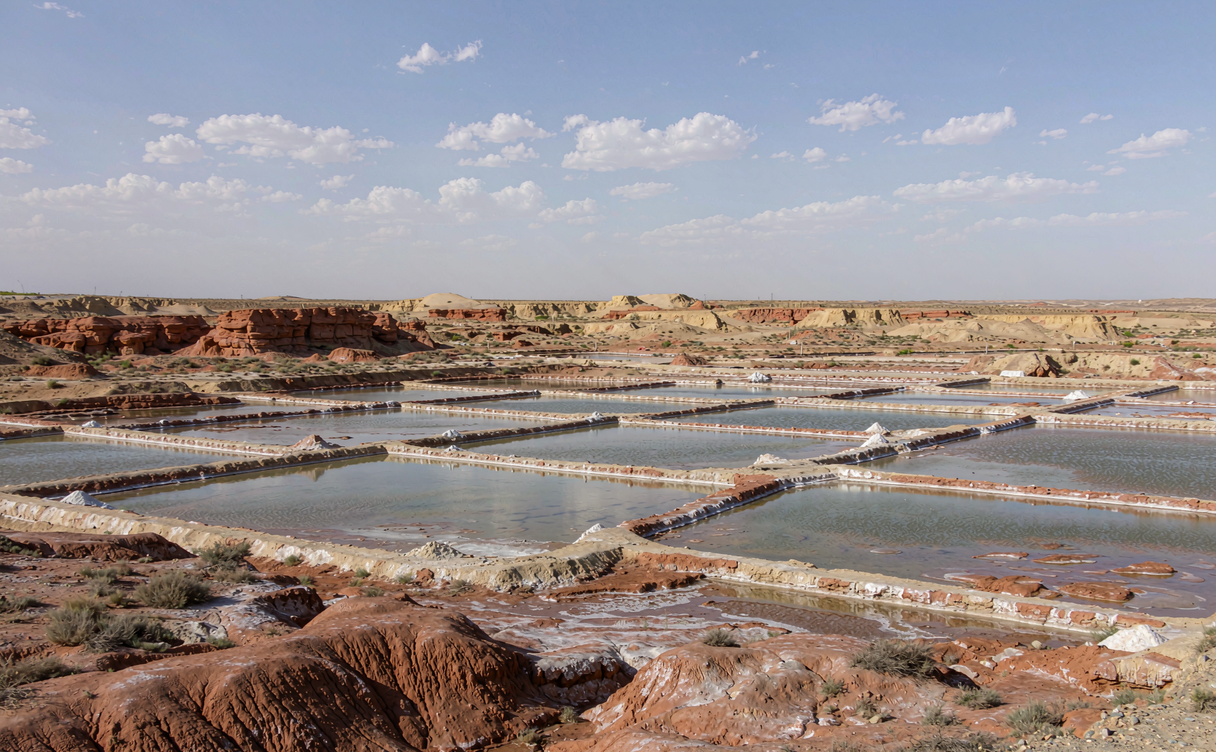
Most foreign visitors to China have never heard of Yanchi, and that is exactly why it rewards the curious traveler. Tucked into the eastern edge of Ningxia Hui Autonomous Region, this small county blends salt lakes, fragments of the Great Wall, windswept desert wetlands, and some of the best lamb in the country. A Yanchi travel guide worth its salt has to cover more than a checklist — it has to explain how a quiet border county became a crossroads of trade, wall-building, and grazing that still defines the place today.
Yanchi sits about 130 kilometers east of Yinchuan, the regional capital, on the gentle plateau where the Loess Highlands meet the Ordos desert. For centuries it was a salt-producing hub: the local salt lakes were valuable enough that dynasties fought over them and built walls to protect the trade routes. Today the tangible result is a landscape dotted with Ming and Sui dynasty wall remnants, open pasture, and the kind of big, clean northern sky that makes sunset a daily event. If you are mapping a broader trip, our best time to visit China guide helps you line up Yanchi’s short pleasant season with the rest of your route.
The headline sight is Haba Lake National Nature Reserve, a protected mosaic of shifting dunes, freshwater springs, and reed beds where you can ride a camel, walk the boardwalks, and watch migratory birds in spring and autumn. It is the easiest place to feel the desert without the crowds of the famous western dunes. Closer to town, the Yanchi section of the Great Wall is remarkable because several dynasties built here — you can stand on a Ming-era earthen wall and look across to older Sui-era traces, a rare chance to read Chinese history in the ground itself. The county also preserves revolutionary-era sites tied to the Shaanxi-Gansu-Ningxia border region, including memorial halls that explain Yanchi’s role in 20th-century China.
Food is the other reason to come. Yanchi lamb — raised on the local saline pasture — is so prized across China that the “Yanchi tan sheep” brand is protected, and a simple hand-grabbed mutton rib here tastes cleaner and sweeter than anything you will find in a big-city hotpot chain. The county is also known for daylily (yellow flower vegetable), dried and cooked into noodle soups. We’ve sent travelers here who planned a half-day stop and stayed two nights just for the eating.
Getting to Yanchi is straightforward by Chinese standards. The county has its own high-speed rail station on the Yinchuan–Xi’an line, so you can reach it from Xi’an in a few hours or from Yinchuan in well under two. Our China high-speed train guide for foreigners walks you through buying tickets, using your passport, and navigating the stations, which removes most of the stress of arriving in a small county with little English signage.
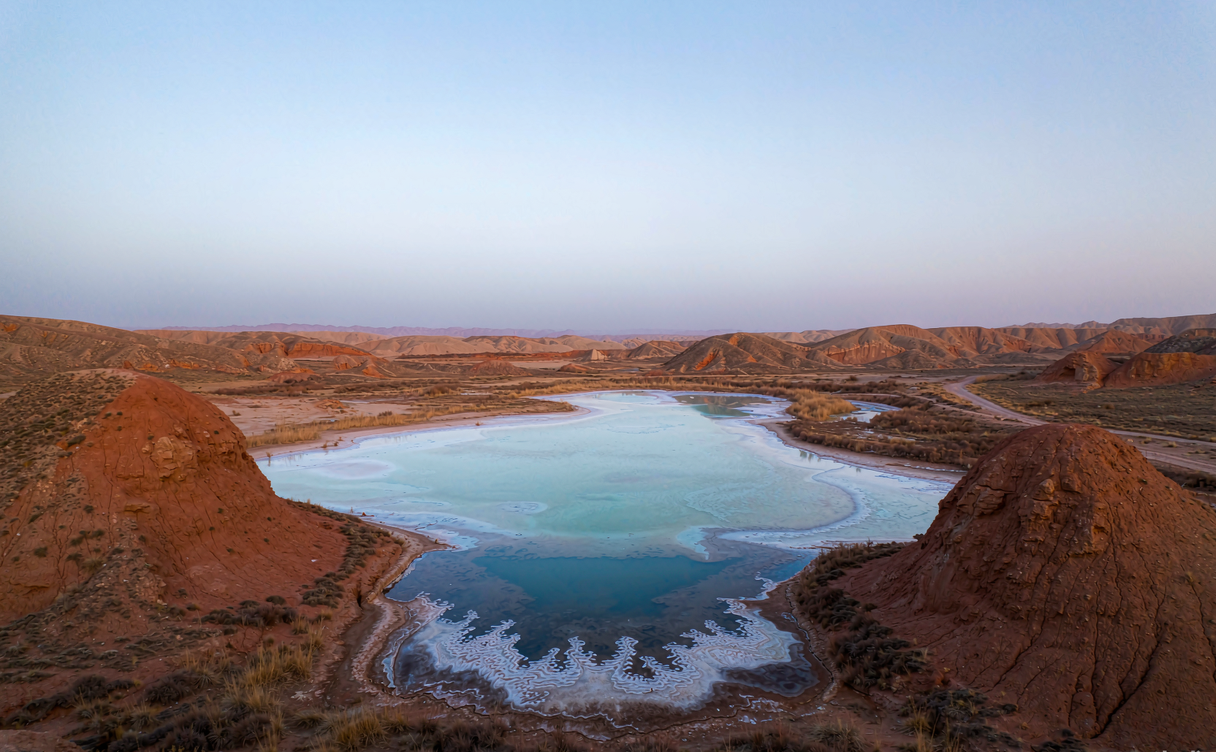
The best time to visit Yanchi is late spring (May–June) and early autumn (September–October), when temperatures sit in a comfortable range and the light over the salt flats is at its most photographic. Summer is hot and bright, fine for early-morning wall walks but harsh by midday; winter is brutally cold and some wetland boardwalks close. Because Yanchi is small, you can see the highlights in a relaxed day and a half, which makes it an easy add-on to a Yinchuan or western-China loop.
Practicalities are simple but worth knowing. Accommodation is limited to a few mid-range hotels in the county seat; book ahead if you are traveling on a Chinese holiday, when domestic tourists fill the rooms. Taxis and the occasional shuttle cover the short hops to Haba Lake, but for the more remote wall sections you will want a private driver arranged through your hotel. Carry cash for small vendors, though mobile payment is spreading; general first-timer guides cover the payment and connectivity basics that make rural counties far less intimidating.
Yanchi also sits on the broader Silk Road cultural belt, and the corridors that passed through Ningxia are part of the UNESCO World Heritage listing for the Silk Roads, which recognizes the routes that linked Chang’an with Central Asia. Standing on a Yanchi wall, it is not hard to imagine the caravans that moved salt and wool across this same ground.
Getting around the county is the main logistical hurdle. The high-speed station sits a few kilometers from the county seat, and a taxi or ride-hailing car from there costs only a few dozen yuan; inside town, rented e-bikes and short walks cover most sights. For Haba Lake and the outer wall sections, arrange a driver through your hotel for the day, because flagged-down rural buses are infrequent and rarely run on a tourist’s schedule. Book accommodation in the county seat rather than near the lake, since the seat has the only real choice of hotels and restaurants, and the lake is an easy morning trip from there.
A sensible Yanchi Ningxia itinerary pairs the county with Yinchuan (two nights), then a day trip out to the salt lakes and wall, and an optional extension west toward the desert. If you are building a longer western China route, our Xinjiang, China travel guide connects naturally from here, since both regions share the Silk Road story and the same big-sky landscapes.
At Haba Lake, plan at least half a day. Wooden boardwalks wind through the reeds where you may spot cranes and geese in season, and short camel rides run along the dune edge for about ¥50–¥80. The visitor center explains the desert-wetland ecology in basic Chinese, but the landscape speaks for itself. Bring water and a sun hat — shade is scarce and the northern wind is relentless even in May, when the rest of the region is mild.
Food is best eaten slowly and locally. Ask for simply steamed tan-sheep ribs with a sprinkle of salt and cumin rather than a heavy hotpot, and try the daylily stir-fried with eggs at a county restaurant for a few dozen yuan. A proper lamb meal for two rarely exceeds ¥150, and the difference from city versions is obvious. Markets near the county seat also sell dried daylily and salt-baked snacks to take home, which make an easy, lightweight souvenir.
For a two-night stay, spend your first afternoon on the town wall remnants and a Revolutionary-era memorial, your second day at Haba Lake and the salt flats, and your evenings eating your way through the county. A private driver for the day costs roughly ¥300–¥500 and removes the headache of sparse buses, which is the single biggest quality-of-trip upgrade in a place like this. Carry some cash for small vendors, though mobile payment is spreading fast.
The salt itself has shaped Yanchi for two thousand years. Imperial dynasties taxed the local lakes and built walls to protect the trade routes that carried salt west, which is why the county wears its history so visibly in low earthen ramparts and old relay stations. Walking a quiet stretch of wall at sunset, with the salt flats glowing pink behind you, is the image most travelers remember longest — and it costs nothing but the short taxi ride out.
Yanchi also makes a calm introduction to the wider region. The salt lakes and walls here echo themes repeated across Ningxia and the western provinces, so it is a gentle place to learn the rhythms of rural China before heading to bigger destinations. The county is small, safe, and genuinely friendly to visitors who arrive with a little patience and an empty stomach.
Getting to a small county is easier than it looks. High-speed rail now reaches Yanchi directly, and a little planning removes the language barrier.
Build Yanchi into a real western loop. The salt lakes, walls, and lamb make a perfect slow counterpoint to China’s megacities.