

There is a particular kind of silence in the second before you step off a platform, and China has built some spectacular places to find it. A China bungee jumping adventure can mean a modest riverside jump to test your nerve or a stomach-flipping drop from one of the tallest bridge decks on the planet. In this guide we cover where to jump, what it costs, when to go, and how to do it safely.
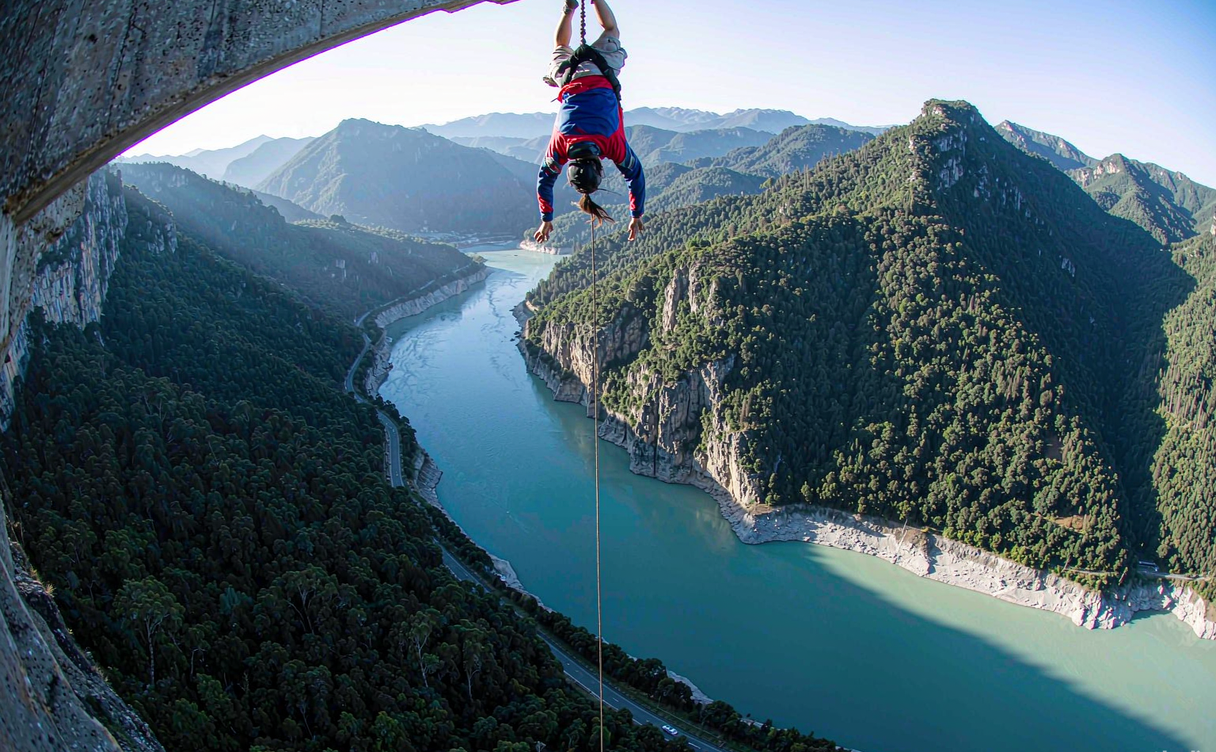
The headline act for height is in Guizhou, where a bridge bungee plunges from a deck hundreds of meters above a river gorge — consistently ranked among the highest such jumps in the country and a bucket-list item for thrill seekers who have already tired of theme parks. In Beijing, the cliffs at Shidu have hosted bungee for more than two decades and remain the easiest high jump to reach for visitors based in the capital, with a friendly, well-rehearsed crew. Zhangjiajie’s glass bridge also offers a jump into the misty canyon below, combining the vertigo of the walkway with the rush of the drop. And for the absolute maximum height, the tower jump in Macau, China — a controlled descent from a platform near the top of a 300-meter tower — is the one travelers cross a border for, with a near-vertical fall that lasts long enough to rethink your life choices.
Prices scale with height and prestige. A standard riverside or cliff jump runs about ¥150–¥400 per person, while the big bridge and tower jumps cost ¥1,500–¥2,800, often including a photo and video package. We’ve sent travelers here and the operators worth using are the ones with visible safety certifications, a measured harness check, and a calm, rehearsed briefing — if the vibe feels like a carnival sideshow, walk away.
If you are already hooked on falling, our China skydiving guide is the natural next step — a skydive trades the elastic for an aircraft and a parachute, and the views over China’s mountains are unforgettable. Many of our readers do both on the same trip, spacing them a few days apart.
Timing matters less for bungee than for ballooning, but it still matters. Spring and autumn give you comfortable queues and clear gorge views; summer is fine but busy, with long weekend lines at the popular bridges; winter closures are common at the outdoor northern sites, so call ahead. Most jumps run from roughly 9 a.m. to 5 p.m., and the first slots of the day usually mean shorter waits and calmer light for the photos.
Most jump sites sit outside the city core, so transport is worth planning. The Guizhou bridge is reached via a long drive from Guiyang, and Zhangjiajie’s bridge is inside a scenic area with its own shuttle buses. Our China cycling routes guide does not reach these platforms, but it is a good way to explore the surrounding countryside once your legs stop shaking. For travelers who want to turn the day into a fuller outing, our China hiking treks guide points to trails near several jump sites where you can walk off the adrenaline.
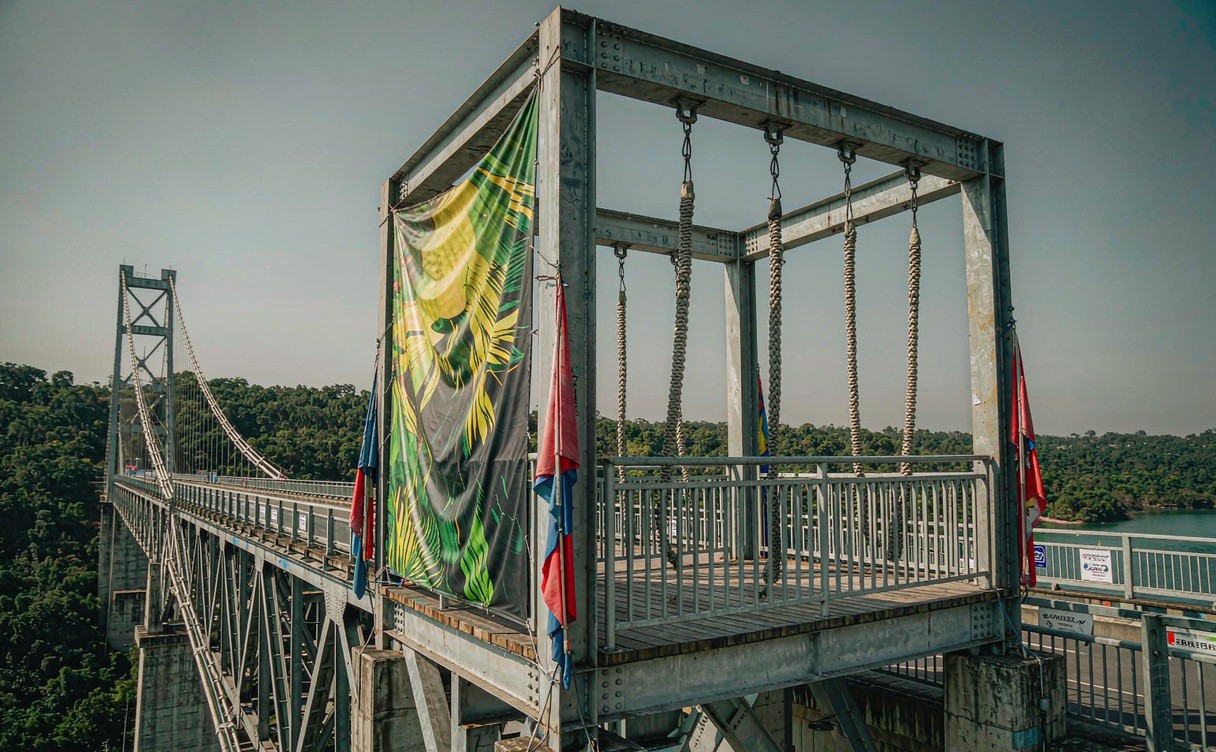
Safety is non-negotiable. Operators should weigh you, check your harness twice, and confirm the cord length matches your body weight — too short and the rebound is brutal, too long and you hit the water. Foreign visitors need no special permit to jump as a passenger, but you should carry ID, declare any heart or back conditions honestly, and read the waiver. The Wikipedia overview of bungee jumping explains the engineering behind the cord and the reasons jumps are rated by height and rebound, which helps you pick a site that matches your nerve.
One practical tip: wear laced shoes you can tighten, empty your pockets completely, and tie back long hair. Cameras are almost always banned on the platform for safety, so budget for the operator’s photo package rather than smuggling your phone. If you wear glasses, ask for a strap — more than one traveler has watched theirs sail into a gorge.
A realistic China adventure sports plan might pair a Beijing or Zhangjiajie jump with a longer western road trip, or combine the Guizhou bridge with a visit to nearby karst towns. Give yourself a clear morning for the jump rather than squeezing it into a packed transit day, because weather or a technical hold can delay things by hours. Local food near these sites is a comfort afterward: hotpot in Chongqing country, sour-spicy Guizhou dishes, and hearty northern noodles all taste better with a racing heart.
The best jumps reward a calm mind. Breathe, look at the horizon rather than the drop, and step — the cord does the rest.
The jump sequence is quicker than you expect. After the weigh-in and harness check, you walk to the platform, the crew counts you down, and you step — or are gently tipped — into open air. The initial free fall lasts only a second or two before the cord stretches and yanks you back; then you bounce in a series of decreasing rebounds, often inverted, until the crew lowers you to a recovery point. First-timers describe the rebound as the most intense part, so relax your limbs rather than fighting it, and keep your eyes open if you want the full memory.
Health rules are strict for good reason. Operators turn away anyone with recent back or neck surgery, pregnancy, heart conditions, or uncontrolled high blood pressure, and they will weigh you to set the cord correctly. If you have a fear of heights, bungee is oddly forgiving because there is no ledge to stand on for long — the step comes fast, and the decision is made for you. Budget extra time on weekends, when popular bridges process hundreds of jumpers and queues stretch past noon, and arrive before the site opens if a morning jump is your goal.
The Guizhou bridge jump and the Zhangjiajie glass-bridge jump both sit inside scenic areas, so your ticket usually covers the walk and the view even if you only watch. Pair either with a day exploring the surrounding karst towns, where older wooden houses and riverside markets make a calm contrast to the adrenaline, and where a bowl of sour-spicy noodles costs little more than ¥20. The Beijing Shidu site, by contrast, is an easy half-day from the capital and a good first jump for visitors who want to test their nerve before committing to a longer western trip.
Photography is handled by the operator for safety reasons — cameras are banned on the platform — so budget ¥80–¥200 for the official photo and video package rather than smuggling your phone. Watch the footage afterward; the expression on your own face is usually the best souvenir, and it answers, definitively, whether you will do it again. Choose your site by height and setting: the tower jump in Macau, China is unmatched for pure vertical drama, while the bridge jumps offer the drama of a gorge opening beneath you. Either way, the cord does the rest.
Season matters less than for other air sports, but it still shapes the day. Spring and autumn bring comfortable queues and clear gorge views; summer is fine but busy, with long weekend lines at the popular bridges; winter closures are common at outdoor northern sites, so call ahead or plan the warmer south. Most jumps run from roughly 9 a.m. to 5 p.m., and the first slots of the day usually mean shorter waits and calmer light for the photos you will actually keep.
If the drop wakes an appetite for more altitude, a skydive is the logical next step, and many travelers do both on one trip with a few rest days between. The two sports could not feel more different — the elastic yank versus the canopy drift — but both share the same quiet truth: the anticipation is worse than the act, and the act is unforgettable.
Plan your transport before the big day. Remote bridge jumps are far from city centers, and a delayed transfer can cost you the last slot.
Choose your site by nerve, not just by price. The highest jumps are unforgettable but unforgiving, so build up if it is your first time.