

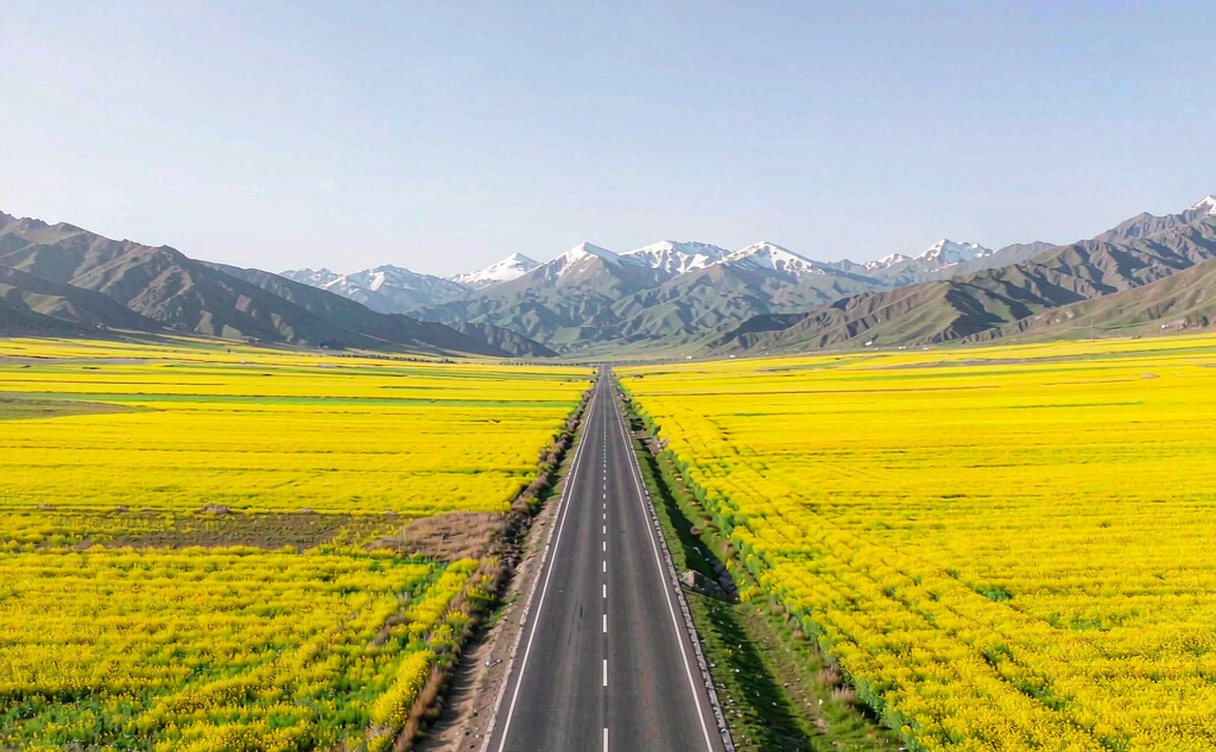
Menyuan (门源), in northern Qinghai Province, is one of the most underrated seasonal spectacles in northwest China. Each summer the county turns into a sea of yellow as tens of thousands of hectares of rape (canola) flowers bloom against the snow-capped Qilian Mountains. On our last visit in early July, we drove the loop from Xining and watched the fields stretch to the horizon while locals set up roadside stalls selling honey, yogurt, and fresh cheese. This guide pulls together practical, first-hand details we have gathered sending clients there—real prices, the best months, how to arrive, and the mistakes worth avoiding.
Why Menyuan deserves a place on your Qinghai itinerary
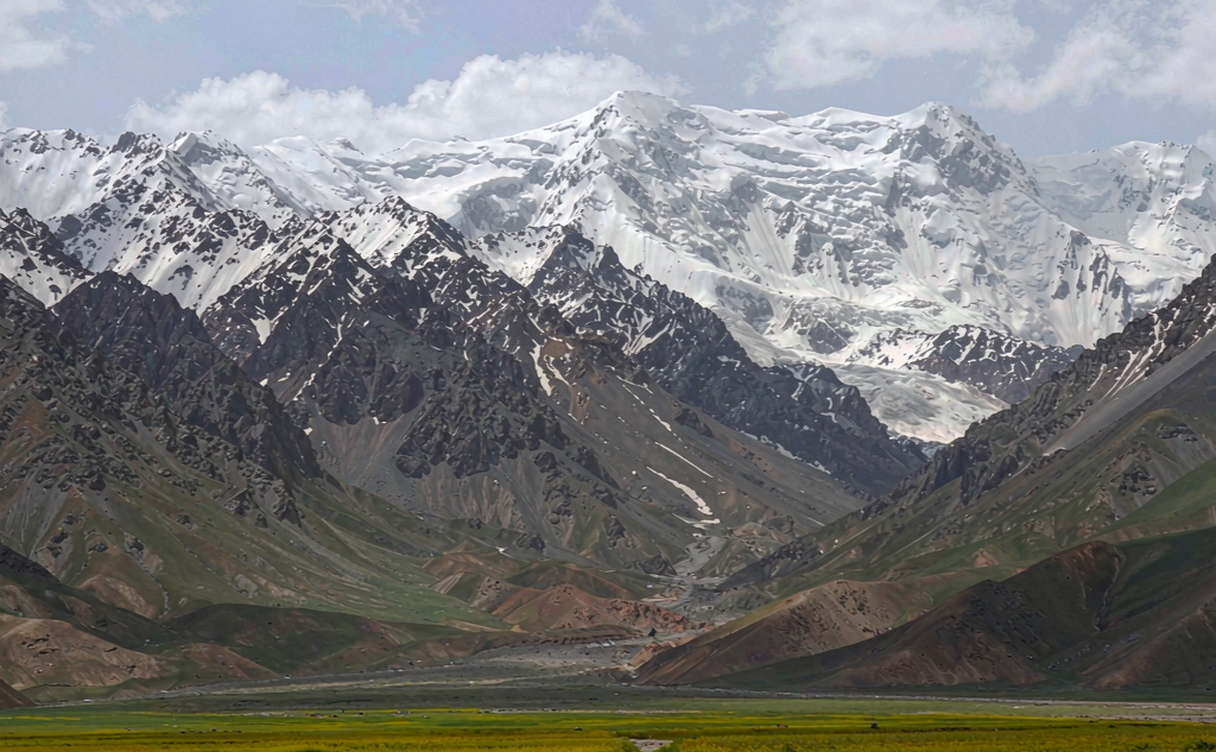
Most travelers rush from Xining straight to Qinghai Lake and never see Menyuan, which is a shame. The county sits in a high basin where the air is thin, the light is crystalline, and the contrast between golden farmland and white peaks is almost theatrical. We have sent photographers, families, and slow-travelers here and the reaction is always the same: a quiet “I didn’t expect this.” The rape flower bloom is the headline, but the surrounding grassland, Tibetan herding camps, and the long straight roads lined with yellow are reasons to linger. If you are building a northwest China route, this stop pairs naturally with the lake and the provincial capital.
Best time to visit Menyuan
The single reason most travelers come is the bloom, and timing it right is everything. The rape flower sea generally opens in early July and peaks between July 5 and July 25, with the exact window swinging a week earlier or later depending on that year’s snowmelt. We recommend aiming for the second and third weeks of July; by early August the petals have usually fallen. Daytime temperatures at this altitude (around 3,000 m / 9,800 ft) sit at a comfortable 15–22°C, but nights drop to 8–10°C, so pack a light jacket even in summer. Winter is harsh and the flower fields are bare, so we don’t send travelers then. If you want a quieter experience, late June offers green terraces before the bloom, and September brings golden wheat instead of yellow flowers—still photogenic and far fewer crowds.
How to get to Menyuan
Most visitors base themselves in Xining, the provincial capital, and make a day or overnight trip north. The fastest option is the high-speed train: direct D-class services from Xining railway station to Menyuan station take about 40–50 minutes and cost ¥32–58 ($5–9) in second class. Trains run roughly every one to two hours through the day, and buying through the 12306 app or a hotel concierge a day ahead is wise in peak July. From Menyuan station you will still need local transport—county buses to the flower fields (Qingshijie and Jiangheyuan viewing areas) leave when full and charge ¥10–20, but on our last visit we found hiring a local car for the day (¥300–450 / $45–65, negotiable) far more flexible for photo stops. Driving yourself is also possible if you have read our China road trip guide, though the mountain passes demand confidence. Long-distance buses from Xining also run but take 2.5–3 hours and are less reliable in July rain.
Things to do in Menyuan
The headline experience is standing in the flower sea itself. The two main viewing platforms—Qingshijie and Jiangheyuan—charge ¥30–60 ($5–9) entry in peak season and give elevated perspectives over the rolling yellow plains. We have found that the best photos come just after 7 a.m., when the light is soft and tour buses have not arrived. Beyond the flowers, the Qinghai Lake travel guide pairs naturally with a Menyuan trip, since the lake lies only two to three hours east and many travelers combine both. The Qilian Mountains themselves offer short hikes and yak-herder camps where you can drink butter tea with local families. Menyuan yellow rapeseed honey (¥30–50 per jar) makes a great souvenir, and fresh yak yogurt (¥10 a bowl) is richer than anything in the cities. For a deeper regional plan, our Xining travel guide covers where to sleep and eat before heading north.
A practical Menyuan travel itinerary
A relaxed two-day version works best. Day one: morning high-speed train from Xining, afternoon at the Qingshijie platform and a drive along the flower-rimmed roads, overnight in Menyuan town (clean guesthouses run ¥150–280 / $22–42; the county also has a few mid-range hotels at ¥350–500). Day two: sunrise at Jiangheyuan, a stop at a Tibetan grassland camp, then continue toward Qinghai Lake or loop back to Xining by evening train. If you are building a longer Qinghai loop, our best spring destinations in China roundup and the Golmud travel guide help extend west toward the salt lakes. Note that July weekends see domestic tour buses crowd the platforms by 10 a.m., so a weekday visit genuinely changes the experience.
Practical tips and honest caveats
Altitude is real here at ~3,000 m; clients who fly straight from sea level sometimes feel light-headed on the first day, so we suggest a night in Xining (2,270 m) to acclimate. Cell coverage is decent near towns but patchy in the fields, so download offline maps before you leave the city. The flower platforms get windy—bring a windbreaker. Critically, the bloom is weather-dependent; a cold, wet July can delay it, and a hot spell can end it early, so treat any fixed-date plan as flexible. Sun protection matters: UV at this altitude burns fast even on cloudy days, and we have had more than one client come back pink despite “it looked overcast.” Carry lip balm and moisturizer too, because the basin air is dry.
Photography and the Qilian backdrop
The Menyuan Qilian mountains rise sharply behind the flower sea and are part of a broader mountain system documented by Wikipedia’s Qilian Mountains entry, which is useful background reading before you go. For photographers, the magic hour is roughly 6:30–8:00 a.m. and again 6:30–8:00 p.m. A drone is tempting, but local rules near the platforms are inconsistent—we have seen fines issued when operators flew too close to the viewing towers, so ask a ranger first. A simple wide-angle lens and a polarizing filter will do most of the work for you, and a short telephoto helps compress the flowers against the peaks.
Where to eat and sleep
Menyuan town has a modest but satisfying food scene: hand-pulled noodles (¥12–20), roasted lamb skewers (¥3–5 each), and warm mutton soup (¥25–35) are staple comfort foods after a cold evening in the fields. For lodging, book ahead in July—the best guesthouses sell out, and we have had clients stranded at ¥600 walk-in rates when they didn’t reserve. Staying inside the county rather than commuting from Xining lets you catch sunrise in the fields without a 5 a.m. train, and the small family-run places often include a huge plateau breakfast of flatbread, eggs, and milk tea.
Extending your trip beyond the flowers
If the bloom has ended or you simply want more, the areas east toward the lake and west toward the Qilian County grasslands are rewarding. The Qinghai Lake guide details the cycling loop around the shore, which many of our clients tack on as a third day. Winery visits and high-mountain passes make good diversions when the weather turns. We generally tell first-timers to budget three full days for the Xining–Menyuan–Qinghai Lake triangle, which keeps the driving sane and leaves room for unplanned stops at a roadside beekeeper or a hillside monastery.
Final thoughts
Menyuan rewards travelers who plan around a single, fragile window of color. Go in mid-July, give yourself two days, and you will see one of China’s most photogenic—and most fleeting—landscapes. Pack for altitude and weather, book the train and room early, and let the yellow sea surprise you.