

The first time we stood in a Lancang tea forest, the old trees were taller than the houses back home, and a Blang woman handed us a leaf to chew that tasted of apricot and smoke. Lancang — full name Lancang Lahu Autonomous County — sits in Pu’er City in southwestern Yunnan, right on the doorstep of one of the most important tea landscapes on Earth. If you care about tea, minority culture, or simply getting off the Yunnan tourist conveyor, this Lancang travel guide is the one we wish we’d had before driving in.
The county’s headline is the Lancang Jingmai tea mountain, part of the Cultural Landscape of Old Tea Forests of Jingmai Mountain, inscribed as a UNESCO World Heritage Site in 2023 — the first World Heritage listing dedicated to tea anywhere. These are not plantations in the modern sense but forests: ancient Camellia sinensis trees growing scattered beneath a canopy of taller trees, tended by the Blang and Dai people for over a thousand years. Walking the mountain, you pass stone altars, old tea-ancestor shrines, and villages where every household still processes its own leaf. We’ve sent serious tea drinkers here and they rate a single morning among these trees above any museum.
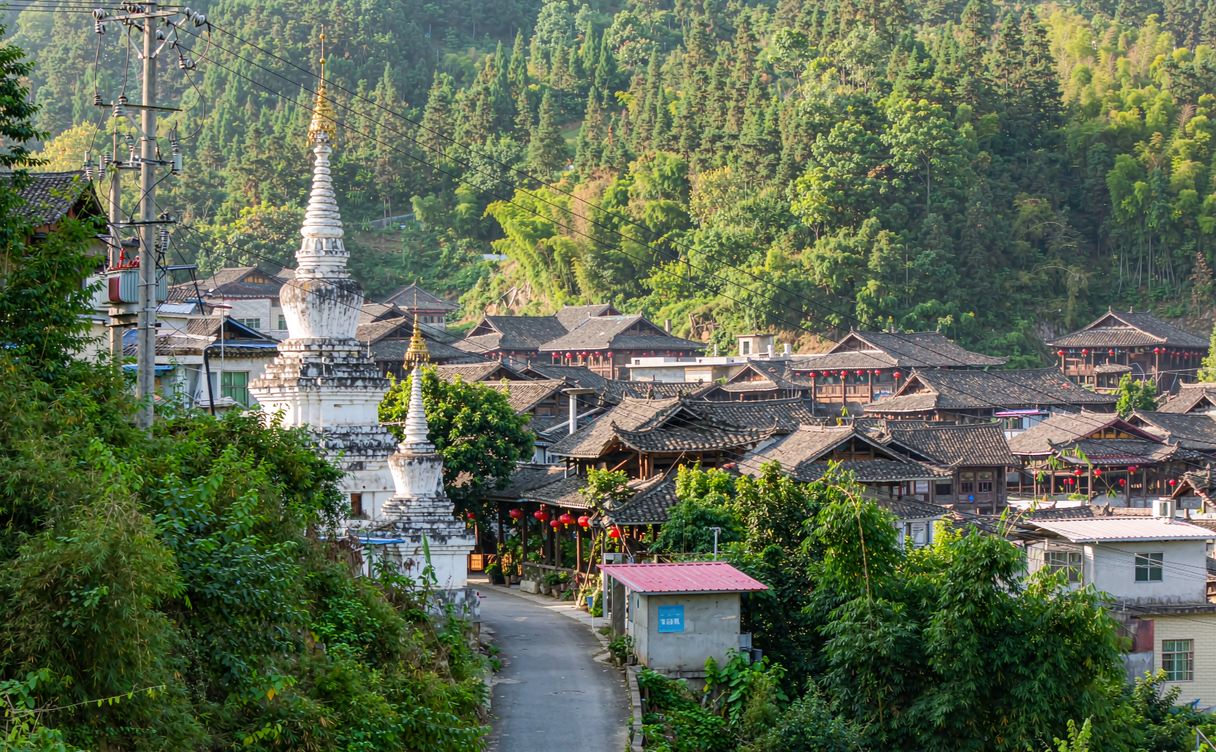
Lancang is also the homeland of the Lahu people (拉祜族), a mountainous ethnic group known across Yunnan for their singing and their gentle, egalitarian villages. The showcase is Lao Dabao (老达保), a Lahu village famous for a resident choir that performs original folk songs — including the well-known “Happy Lahu” — without any formal training, and has even toured abroad. We sat in on a session and the harmonies were effortless; the village earns a real living from music rather than from staged folklore, which is rare. The county also holds the old Nuoju (or Nuofu) church, a French-missionary legacy from the early 1900s, and a string of Dai and Blang hamlets where life still follows the planting calendar.
The best time to visit Lancang is spring (March to May), when the old tea trees put out their fat buds and the mountain is green and fragrant, or autumn (September to November), the harvest season with clear, cool days ideal for walking the forests. We avoid the monsoon, June to August, when mountain roads get slick and leeches appear on the lower trails; even in dry season, a light rain jacket is wise at 1,400–1,600 m. April’s peak bud-set is the prettiest but also the busiest in the tea villages, so come mid-week.
How to get to Lancang has improved enormously. Lancang Jingmai Airport (澜沧景迈机场) opened in 2017 and now links the county with Kunming (about one hour, ¥400–900 by season), Pu’er and Xishuangbanna. On the ground, the drive from Pu’er city takes about 2.5 hours of good mountain road, from Xishuangbanna about the same, and from Lincang roughly three hours. There is no high-speed rail in Lancang, so the realistic options are to fly in or to take the train to Pu’er Station (on the Yuxi–Mohan line) and then hire a car for the final leg. We book the airport pickup plus a local driver because the Jingmai villages are spread along ridgetops and buses are slow. The Pu’er travel guide covers the tea city that serves as Lancang’s rail gateway.
Things to do in Lancang center on the mountain and its villages. On Jingmai itself, the ancient villages of Wengji (翁基) and Nuogang (糯岗) are the must-sees — Wengji has a centuries-old Buddhist temple and a sacred old tree at its heart; Nuogang is a near-intact Blang settlement of timber houses. Entrance to the scenic area runs about ¥60–100 with parking, and some inner villages charge small upkeep fees. Beyond tea, Lao Dabao’s music performances (usually a modest ¥30–50 donation) and a Dai village meal of sticky rice, grilled fish and sour vegetables (under ¥60 a head) round out a rich two or three days. We’ve taken clients to a Blang family who pan-fried fresh buds over a wood fire, and the taste explained the UNESCO listing better than any plaque.
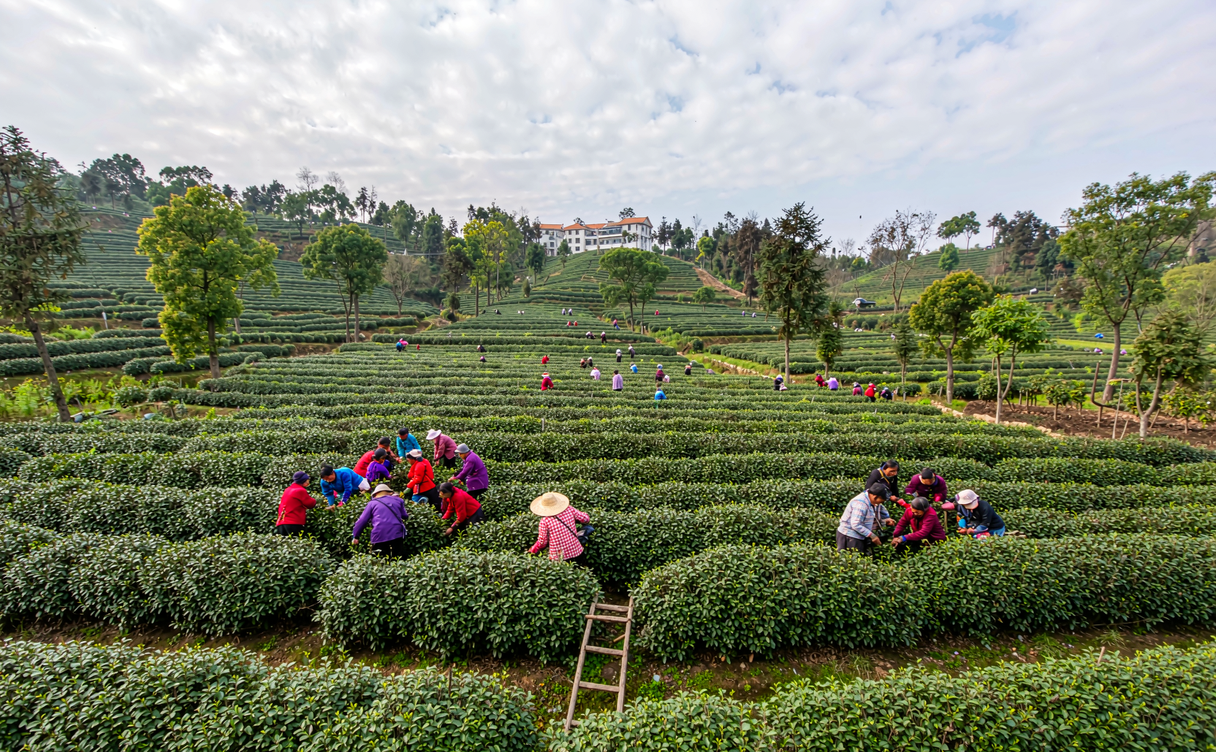
A workable Lancang travel itinerary is three days. Day 1: fly in from Kunming, settle near the Jingmai gate, and walk Wengji village at dusk. Day 2: a full day on the mountain — Nuogang, a tea-ancestor forest walk, and a family tasting — then Lao Dabao for an evening song performance. Day 3: a Dai or Blang village morning and a slow drive back to Pu’er or Xishuangbanna. Daily spend for two runs about ¥300–500 transport, ¥300–600 lodging, ¥200–350 food and tickets.
Where to stay, the China tea tour guide notes, ranges from the county town’s hotels (¥250–450) to hillside guesthouses inside or near the Jingmai villages (¥400–800) where you wake above the canopy. We book the Wengji guesthouse so the morning mist on the old trees is a step from the door, and we reserve it for two nights, because one full day on the mountain still leaves the Blang villages and the evening music unvisited.
For a wider Yunnan loop, the Xishuangbanna travel guide is the tropical Dai counterpart two hours south, the Kunming travel guide is your flight hub, and the Dali Yunnan travel guide anchors the classic northwest if you’re stringing the province together. The Lincang travel guide covers the Wa-region city just north, a natural add-on for travelers chasing minority culture.
Lancang’s kitchens blend Lahu, Dai and Blang flavors into something bright and herbal. Lahu cooks smoke pork and pound chili into the famous dipping paste, Dai households wrap sticky rice and fish in banana leaves, and the mountain’s own young tea buds turn up stir-fried with egg at village tables. A village meal for two is ¥80–140, and the county town’s market adds grilled corn, rice noodles and sour soups for under ¥40 a head. We tell tea visitors to try the bud omelette at least once — it tastes of the forest you just walked.
A few field tips: the Jingmai villages sit at 1,400–1,600 m, so the mornings are cool even in spring — bring a layer. Buy your tea from a family you watch processing it, because the mountain’s fame has spawned plenty of “Jingmai” cakes blended elsewhere and sold at the gate. Mobile coverage is patchy above the ridgetops, so download maps before you leave Pu’er, and carry ¥300–500 in small bills, since the smaller hamlets don’t take cards and the guesthouses often prefer cash. Lodge rooms inside the mountain sell out on spring weekends, so book the Wengji guesthouse two weeks ahead if you are coming for the bud-set.
One honest caution: buy your tea from a village you can see processing it — the mountain’s fame has spawned plenty of “Jingmai” cakes that were blended elsewhere — and carry cash for the smaller villages, where cards and apps don’t always work. The landscape’s global significance is laid out on UNESCO’s Old Tea Forests of Jingmai Mountain listing, the authoritative reference before you visit.
Lancang gives you something few places in China still can: a living tea forest recognized by the world, and a Lahu song that needs no stage. Spend three days and you will leave understanding why UNESCO put this mountain on the world map, and why the Lahu still sing without being asked. Go for the leaf, stay for the music, and you’ll leave with a deeper sense of Yunnan than any city stop provides.