

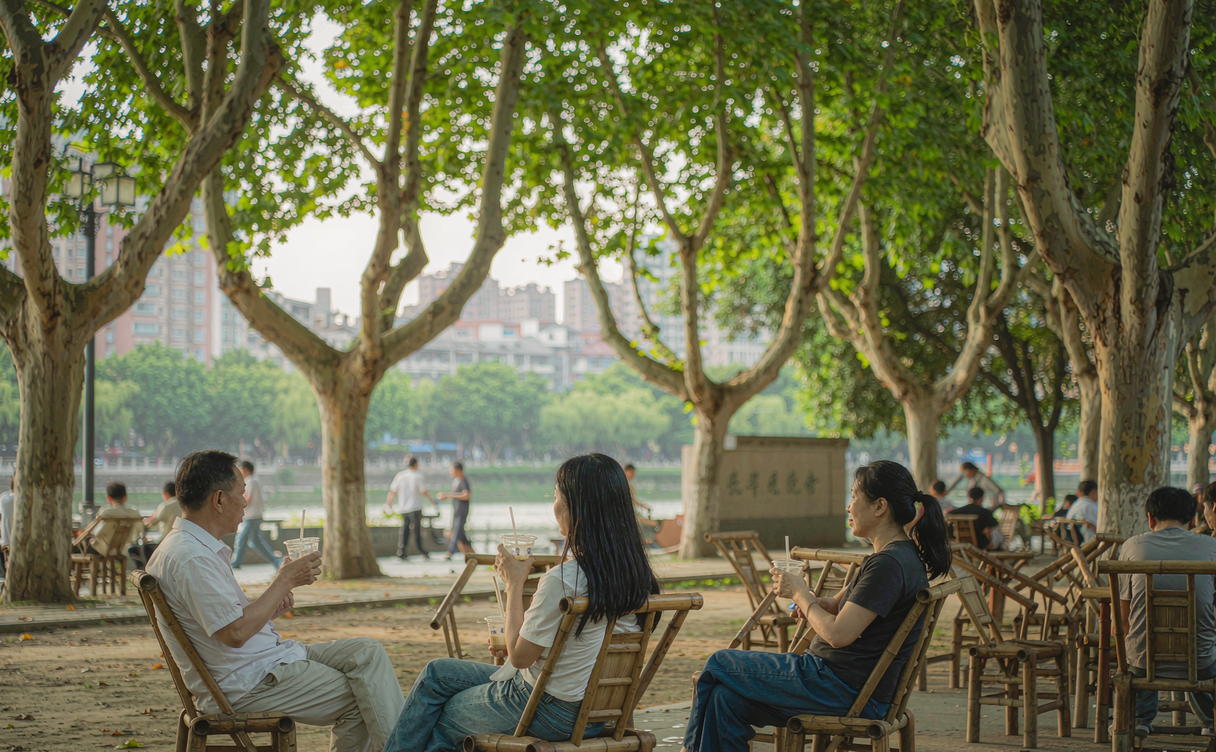
If there’s one thing Chengdu does better than eat chili, it’s sit still with a cup of tea. The teahouse (茶馆, chaguan) is the city’s living room — a place to play mahjong, read the paper, watch the world, or just nap in the heat. We’ve spent slow afternoons in all the spots below, and each offers a different slice of Sichuan life. Bring loose change, lower your expectations of speed, and settle in. Chengdu’s teahouses are not about the tea so much as the time the tea buys you.
The Gaiwan and the Art of Doing Nothing
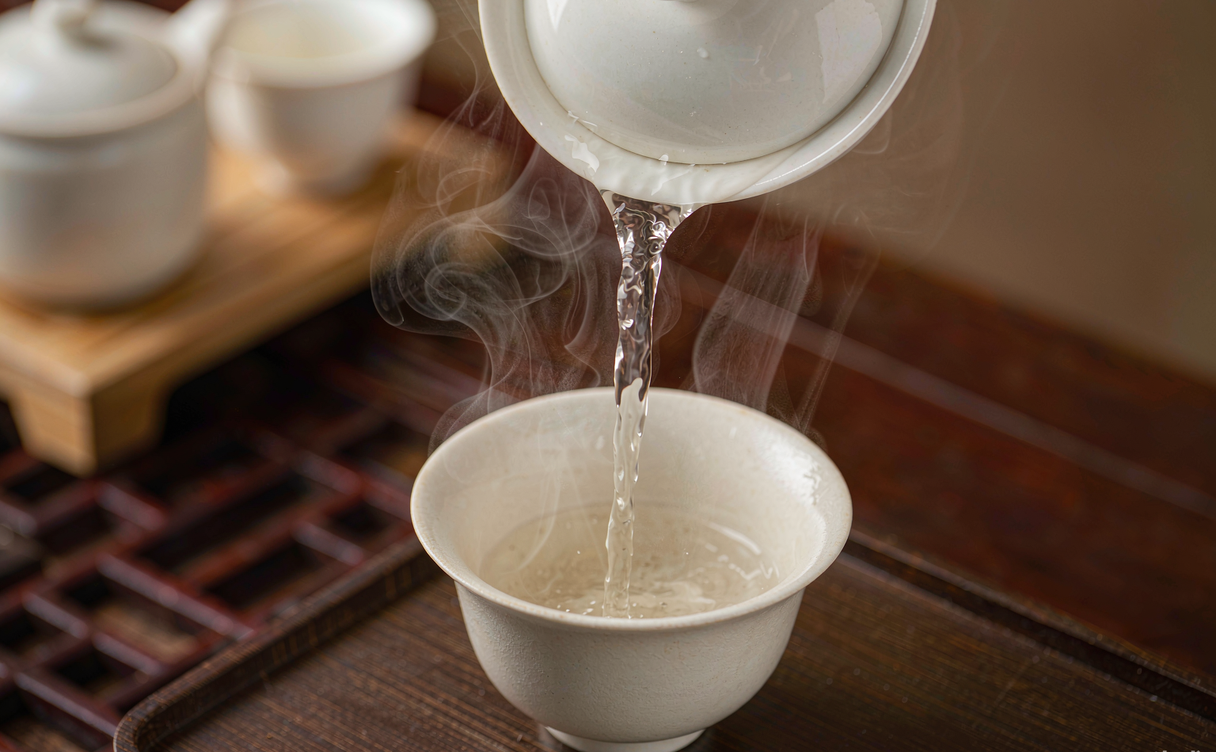
The standard cup is a gaiwan (盖碗) — a lidded bowl with a saucer — and you’ll pay ¥15–30 for a refillable pot of green or jasmine tea. The ritual: lift the lid slightly to signal “top me up,” and the waiter refills from a long-spouted kettle without you moving. The same leaf gets topped all afternoon, which is the whole point. For the wider context of how tea fits into daily life across the country, see Chinese tea. In Chengdu specifically, the teahouse is a social institution older than most of the city’s restaurants, and locals treat a single seat as theirs for the day.
Best season and time
- Spring (March–May) and autumn (September–November) are ideal — not too hot, and the open-air courtyards are pleasant.
- Mid-morning to late afternoon (10am–5pm) is prime teahouse time; evenings fill with mahjong crowds and get loud.
- Avoid the noon summer heat unless the house is shaded or indoor — Chengdu humidity in July and August is no joke.
Teahouses We Actually Like
Heming Teahouse (鹤鸣茶社) — People’s Park institution
Inside People’s Park (人民公园), Heming has been pouring since 1923 and is the most famous cheap seat in the city. A gaiwan of tea is ¥20–30, and for ¥40–60 a “tea master” will perform a pour with the long spout from several feet away. Ear-cleaning (采耳) vendors wander the tables — a ¥30–50 tingle worth trying once, done with feather brushes and tiny scoops. It’s crowded and touristy but authentically so, and the people-watching is unmatched. Go on a weekday morning for a calmer scene.
Kuanzhai Alley (宽窄巷子) — polished courtyard houses
The restored Wide and Narrow Alleys hold a dozen teahouses in Qing-style courtyards, some with stage shows of Sichuan opera (川剧) and face-changing (变脸) in the evening. Prices run ¥35–80 for a seat, more for a performance package. We prefer the quieter side lanes; the main strip is essentially a photo set for influencers. Good for a first visit because everything’s signposted in English and the bathrooms are clean.
Wenshu Monastery (文殊院) — temple calm
At the Wenshu Yuan (文殊院) monastery, the teahouse in the front court is run by the temple, vegetarian-friendly, and serene, with locals quietly reading amid the pines. Tea is ¥25–45, and you can combine it with a walk through the monastery and the surrounding antique streets, which have free-entry side courtyards. This is our pick for a peaceful morning before the city wakes up.
Pengzhen Old Teahouse (彭镇观音阁老茶馆) — the real deal
About 40 minutes southwest in Pengzhen town, the Guanyinge Old Teahouse is a time capsule — weathered wood, tobacco smoke, and old men playing cards for pennies under a sagging roof. Tea is ¥10–20, no frills, and photography is welcome (tip the subjects ¥5–10 if you shoot their portrait). We send serious culture-seekers here; it’s not comfortable, there’s no English, and the single squat toilet is rough, but it’s unforgettable and about as far from a tourist show as Chengdu gets.
Prices, Booking, and Getting There
Tea is cheap; the cost is your time. A half-day of hopping teahouses runs ¥60–150 per person including a snack or two. None require reservations except private rooms at the upscale Kuanzhai houses, which you can book through the venue’s phone number posted at the door.
- Metro: Line 2 to People’s Park for Heming; Line 1 to Wenshu Monastery; a Didi to Pengzhen runs about ¥50–80 each way and takes 40 minutes in traffic.
- Etiquette: don’t flip your lid fully open and leave it — rest it on the saucer so the leaves don’t over-steep. Tipping isn’t expected; just pay the printed price.
- Snacks: most teahouses sell sunflower seeds, peanuts, and sometimes dim sum; the Kuanzhai spots have fuller menus.
- Combine with food: teahouses pair naturally with a Sichuan meal beforehand, since the tea cleanses the chili from your palate.
Teas to Order and What They Cost
The menu is short and cheap, which is the charm. Common picks:
- 茉莉花茶 (molihua cha) — jasmine green, the default; ¥15–25.
- 碧潭飘雪 (bitan piaoxue) — a premium jasmine with visible buds; ¥30–50 at nicer houses.
- 竹叶青 (zhuyeqing) — a clean Sichuan green; ¥25–40.
- 菊花茶 (juhua cha) — chrysanthemum, served solo or in the gaiwan; ¥18–30.
Etiquette: how to signal a refill
Lift the lid and rest it on the saucer at the bowl’s edge — that’s the universal “please top up” sign. Never leave the lid off and walk away; the leaves keep brewing and turn bitter fast. If you’re done, place the lid fully on top so the waiter knows not to refill, and they’ll bring the bill.
What to Eat With Your Tea
Teahouses sell light snacks: 瓜子 (guazi) sunflower seeds (¥5–10 a small dish, the quintessential time-killer), peanuts, and at the bigger houses, 钟水饺 (zhong shuijiao) sweet-spiced dumplings or 龙抄手 (long chaoshou) wontons. In Pengzhen, buy a ¥2–5 stick of smoked tofu from the door vendor. None of it is a meal, but it’s enough to sit three hours without anyone blinking.
A Chengdu Tea Day Plan
Morning: Wenshu Monastery tea (quiet, 10am). Midday: lunch in the Kuanzhai area, then a courtyard tea there (2pm, catch the opera show if timed). Late afternoon: taxi to Pengzhen for the raw old-house experience (4pm, best light). Evening: back in the city for hotpot. This loop covers temple calm, tourist polish, and the real thing in one day, and it’s the route we give first-timers.
How Long to Stay
At Heming, locals settle in for two to three hours minimum; don’t treat it like a coffee grab-and-go. A gaiwan bought once keeps you seated all afternoon, and no one rushes you out. If you only have an hour, pick the Kuanzhai houses near your next stop rather than the sprawling park teahouse.
Beyond the Bowl: Photos in Costume
Some teahouses, especially in Kuanzhai, rent traditional costumes (汉服, ¥50–120/hour) for photos among the courtyards. It’s touristy but fun, and the rental usually includes a spot to park your gaiwan while you pose. We’ve seen skeptical travelers end up loving it — just book the costume before you sit, since the outfit stalls close earlier than the teahouses.
What’s Bookable Right Now
Chengdu is a food town first, and the teahouses make more sense after you’ve eaten. Our Chengdu food guide maps the snacks to fuel a tea crawl, and the Chengdu hotpot guide covers where to take the heat before you cool down with jasmine. If you want a daytime nature break, the China panda tour guide plans a morning with the pandas so you can tea afterward.