

Our Jinhua food guide starts with the obvious icon — Jinhua ham — but the city in central Zhejiang rewards travelers who look past the cured leg. On our last trip with a small group of food clients, we spent three days eating our way from the old town’s night market to village kitchens where hams hang from every rafter. This Jinhua food guide covers what to eat in Jinhua, where to sit down, what it costs in RMB, and how to pair the trip with the nearby Shuanglong Cave and the slower rhythm of Zhejiang countryside cooking.
Jinhua sits on the high-speed rail line roughly 100 minutes from Hangzhou and under two hours from Shanghai by train, which makes it an easy detour on any eastern China route. The climate is humid subtropical: spring (March–May) and autumn (September–November) are the best windows, with the October ham-making season being the most atmospheric time to visit. We’ve sent clients in July too, but the summer heat and humidity push most eating indoors and thin out the street-stall scene.
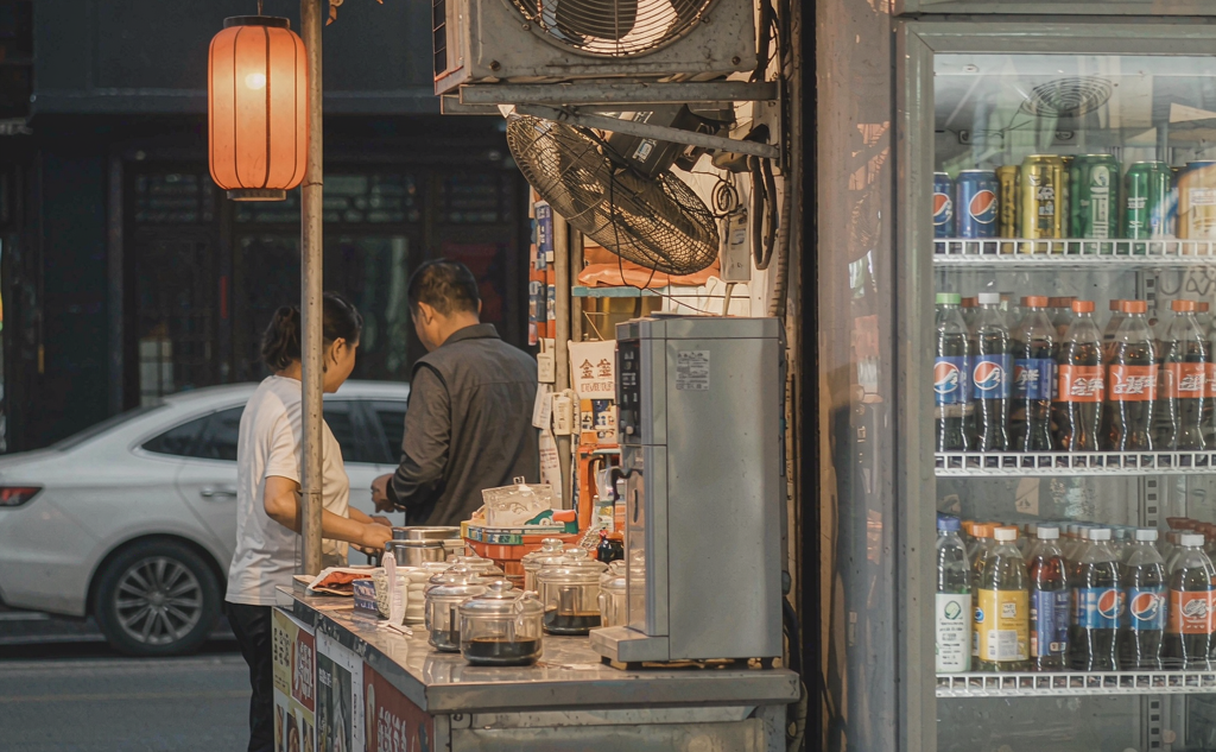
Jinhua ham (金华火腿) is the dish the city is built around. The leg is salted, pressed, and aged for at least eight months; the best are hung for two to three years in well-ventilated rafters. You don’t eat it like a Western prosciutto — locals simmer it into stocks, steam it with winter bamboo shoots, or tuck it into a clear soup with free-range chicken. At the Jinhua Ham Museum and the surrounding shops near Bayong Road, a whole pedigree ham runs RMB 300–800 depending on age and weight, while a vacuum-packed sliced portion for travelers is RMB 40–90. On our last trip we bought a one-year ham for RMB 480 and had the shop vacuum-seal it for the flight home — bookable on the spot, no reservation needed, and the staff wrapped it for checked baggage.
The dish that surprised our clients most was Jinhua’s crisp cake, the 酥饼 (subing). It’s a small round biscuit built from flaky lard pastry and filled with a sweet-savory mash of pork, scallion, and sometimes crushed sesame. A fresh box of ten costs RMB 12–20 at the old-town bakeries and the train-station stalls. We always tell people to buy these the morning they leave, because they go soft within two days in a humid hotel room. The best ones come out of charcoal-fired ovens near the Wuzhou Ancient City gate, where you can watch the baker press each disc into the hot pan.
For a proper sit-down meal, head to the lanes around Wuzhou Ancient City (婺州古城) where small restaurants serve Jinhua cuisine built on river fish, free-range chicken, and mountain vegetables. A typical dinner for two with ham soup, stir-fried greens, and a whole river fish lands around RMB 120–200. Our favorite spot, a family place near the east gate, does a clay-pot chicken with ham and mushrooms for RMB 88 that we order every time. Reservations aren’t needed midweek, but on weekend evenings in autumn you’ll wait 20–30 minutes, so we now book a table by phone for Friday and Saturday groups.
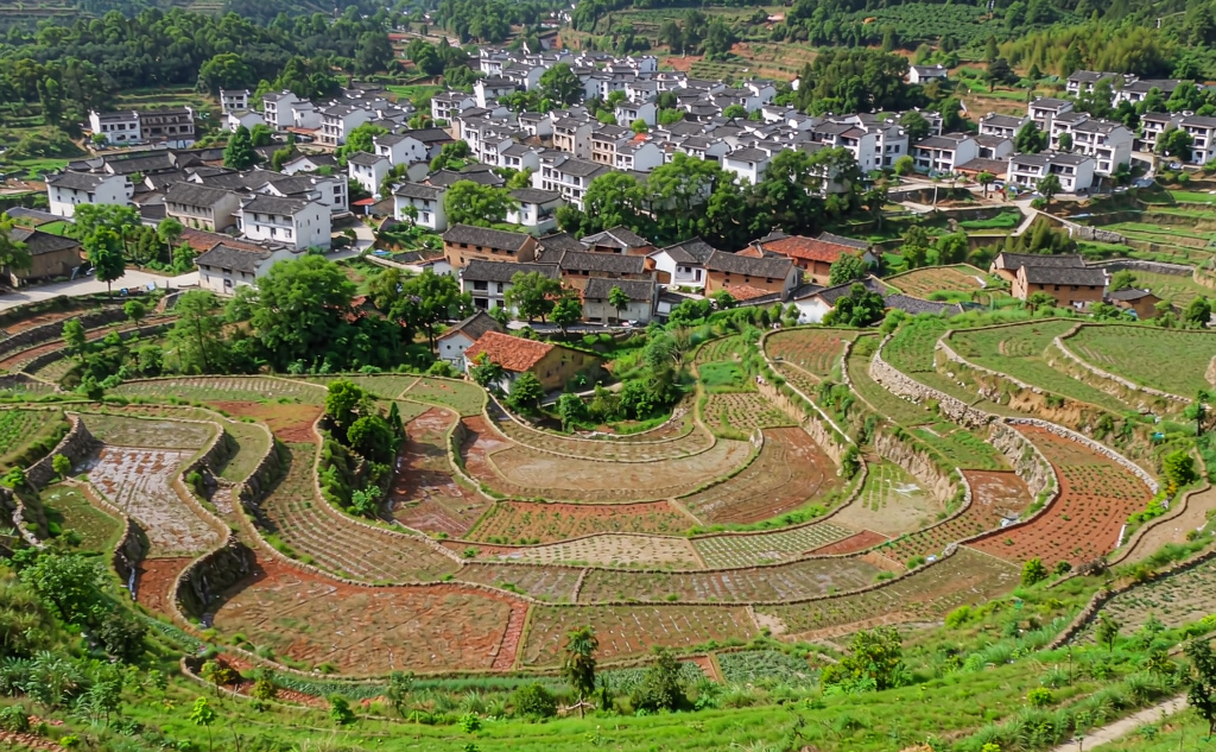
What to eat in Jinhua also means the countryside that rings it. In Dongyang and Lanxi, within 40–60 minutes by bus or hired car, you’ll find 东阳沃面 (Womian, a thick hand-torn noodle stew simmered with scraps of pork and vegetable) and Lanxi chicken braised in local rice wine. Dongyang’s wood-carving town pairs well with a lunch stop at a local 土菜 (rustic cuisine) restaurant where a full spread for four runs RMB 200–300. We’ve sent clients on a half-day hired-car loop — about RMB 400 with driver — that hits a ham workshop, a noodle maker, and a tea stop. It’s bookable through local guesthouses and we can arrange it ahead so the workshops expect you.
If you’re planning a broader China food tour guide, Jinhua slots cleanly between Hangzhou and Wuyi. The Zhejiang cuisine guide we publish covers the regional logic — Zhejiang cooking favors sweetness, fermentation, and the natural taste of ingredients over heavy chili — which helps you read any Jinhua menu without a translator. For transport, the China high-speed train guide for foreigners walks through buying tickets on the 12306 app and using your passport at the gate, which is exactly how we get clients in and out of Jinhua without a hitch.
Best restaurants in Jinhua for a visitor are not the big hotel banquet halls but the mid-size places locals actually fill. Aside from the east-gate clay-pot spot, try the food court under Wanda Plaza for cheap bites (most under RMB 25 a plate) and the riverside row near the Wu River for evening grilled fish. Seafood is limited because Jinhua is inland, but freshwater fish and river shrimp are excellent and cheap — a plate of drunken river shrimp is RMB 38–58, and a whole grilled 草鱼 (grass carp) runs RMB 68–98. We steer groups toward the riverside row after dark, when the charcoal smoke and the lanterns make the best photos.
Timing your visit matters for the food. The best time to visit China broadly is spring and autumn, and Jinhua follows that rule: the October ham harvest and the April tea season both put the freshest product on tables. Winter is quiet and cold but great for hot clay-pots; summer is lush but sticky. We normally recommend a two-night, three-day food-focused stay, which lets you do one city day, one countryside loop, and one cave-plus-ham morning without rushing.
Practical bookings you can make today: high-speed rail tickets (Hangzhou–Jinhua East from RMB 68 second class), the Shuanglong Cave ticket (RMB 90 including the boat ride inside the cave, bookable on the park’s WeChat mini-program), and guesthouses in the old town from RMB 180 a night. The Jinhua Ham Museum is free but closes Mondays, so we schedule museum visits for Tuesday through Sunday. For neighborhood logistics and how to reach the ham villages by bus, our Jinhua travel guide lays out the map. We’ve had clients combine the cave and a ham-tasting lunch in a single morning with time to spare before the afternoon train.
If you want deeper context on the region’s cooking before you go, our Shuanglong Cave Jinhua guide explains the karst landscape that shapes local ingredients, and the Zhejiang cuisine guide maps the flavor families across the province. Jinhua is the savory, cured heart of that map, and understanding the cave system helps explain why the area’s water and bamboo are so good for both hams and soups.
Beyond ham and cakes, look for a few dishes that rarely appear outside the region. Jinhua 汤包 (small soup dumplings, distinct from Shanghainese xiaolongbao) sell for RMB 10–15 a basket at morning markets near the train station. The local 婺江鱼 (Wu River fish) is steamed with pickled mustard greens for RMB 45–65. And in spring, wild 马兰头 (a bitter green) is blanched and dressed with sesame oil for under RMB 20 — a clean counterpoint to the salty ham. On our last trip a client declared the soup dumplings the sleeper hit of the whole Zhejiang leg, which is exactly the kind of find this Jinhua food guide is meant to surface.
One last note for first-timers: English menus are rare outside the big hotels, so we usually hand clients a saved photo of dishes or use a translation app at the table. Card and Alipay/WeChat Pay cover most places; a few village stalls are cash-only, so carry RMB 100–200 in small bills. Vegetarians will find plenty of mountain-vegetable and tofu dishes, but ham shows up in many broths, so tell the kitchen clearly and we’ll flag the safe spots in your plan.
References: For background on the city’s namesake product, see the Jinhua ham overview on Wikipedia.