

Nanji Island lies off Pingyang County in Wenzhou, Zhejiang, a granite dome of grassland and clear water that China protected as a marine nature reserve in 1990 and that UNESCO later admitted to its Man and the Biosphere network. Unlike the busier resort islands, Nanji caps its daily visitor numbers to protect the reefs and the seagrass beds, so the beaches stay uncrowded and the water stays blue. We first brought a snorkeling-minded couple here in 2022, and on our last visit the eastern headland at Sanpanwei was carpeted with wind-bent grass and not another person in sight. This guide explains what makes the Nanji marine reserve special, what it costs, and how to reach an island that limits its own crowds on purpose.
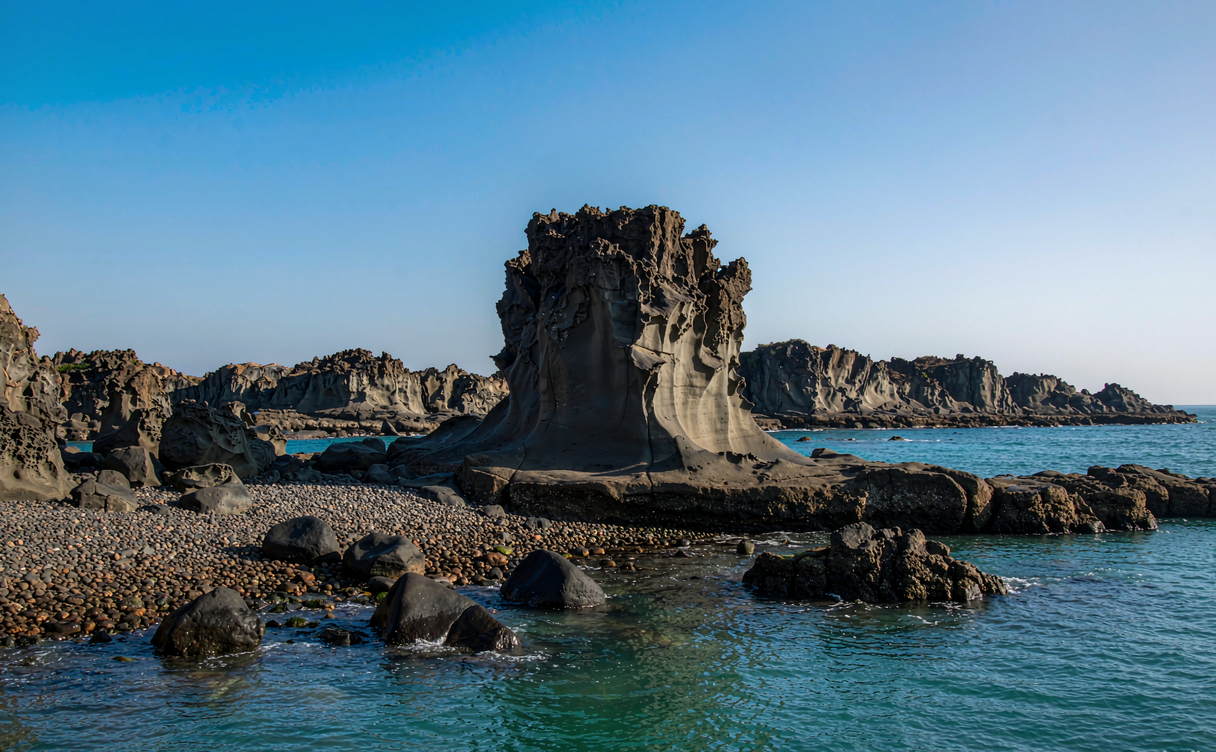
The island is small enough to cross on foot in a day but rich enough to hold two nights. Dasha’ao Beach (大沙岙) is the headline: a sweeping bay of fine pale sand backed by rounded rocks where the water runs clear enough to see your feet. The eastern tip, Sanpanwei (三盘尾), is the surprise — a plateau of volcanic rock and wind-shaped grassland where you can walk for an hour above the open sea, with formations locals have named after turtles, peaches, and sleeping monks. Because the Nanji marine reserve restricts fishing inside its core zone, the snorkeling off the rocky sides of the bay is genuinely good for mainland China, with temperate fish and the occasional nudibranch for the sharp-eyed.
Things to do at Nanji Island
The things to do at Nanji Island split cleanly between sand and headland. Mornings belong on Dasha’ao: swim, rent a mask and fins for ¥30 to 50 ($4 to 7), and drift along the rocky eastern edge where the light is best. By midday walk the trail to Sanpanwei, allowing two to three hours for the loop and plenty of stops at the named rocks; the grass plateau at the far end is the spot for sunset and, on clear nights, for stars, because the reserve’s low light pollution makes the Milky Way visible in late summer. We also send travelers to the small island museum near the pier, which explains the reserve’s ecology in Chinese with useful diagrams, and to the restored fishing lanes of the main village for a cheap bowl of noodles and a look at how islanders actually live.
Best time to visit Nanji Island
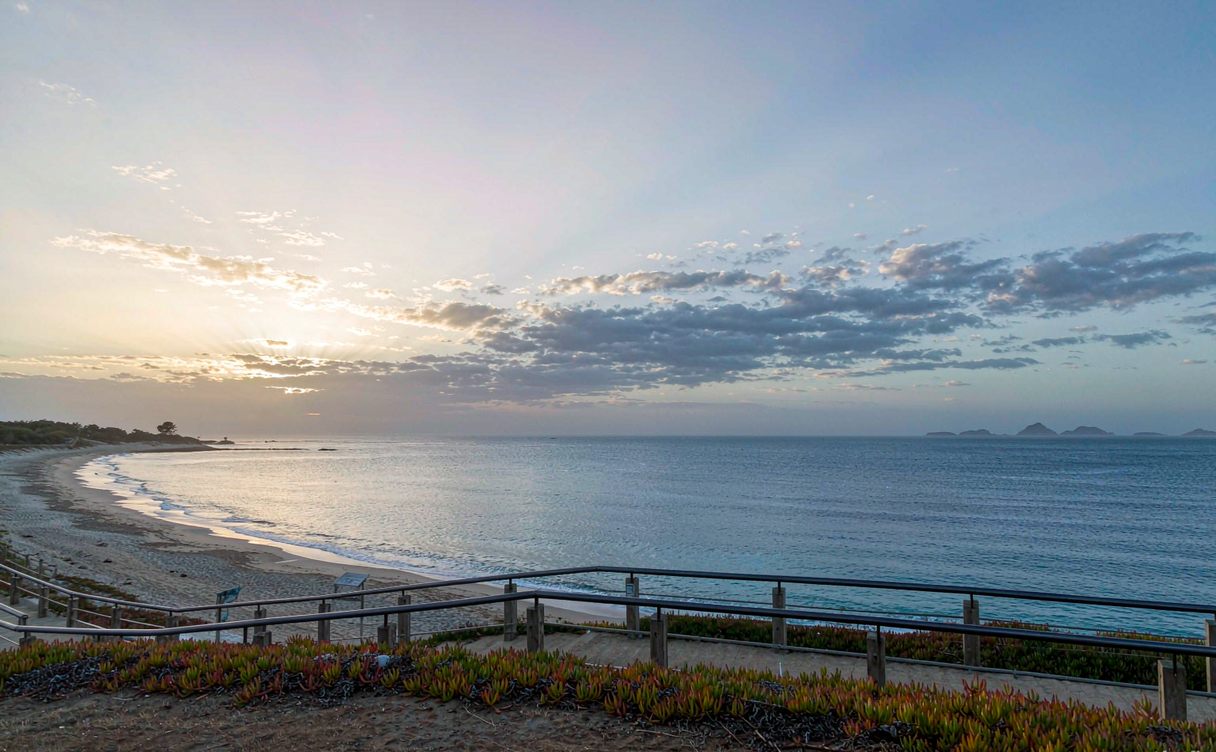
The best time to visit Nanji Island is late May through September, when the sea is warm enough to swim and the grassland is green. Our best time to visit China page lists the southeast coast as a warm-season destination, and Nanji follows that rule; July and August are warmest but also busiest and most prone to typhoon closures. We like early June and mid-September best, when the water is still swimmable, the rooms are cheaper, and the daily cap means you can walk the headland alone. Avoid November through March, when the crossings are cold, the guesthouses thin out, and the grassland browns.
How to get to Nanji Island
Understanding how to get to Nanji Island starts on the rail line. Take the high-speed train to Aojiang (鳌江) station, just south of Wenzhou, or to Wenzhou South, then transfer; from Aojiang port the passenger ferry to Nanji runs about 1.5 to 2 hours, with fares around ¥120 to 160 ($17 to 22) one way. Wenzhou’s own port also sails in season. Because the island caps entries, you must book both the ferry and your guesthouse through the official channel before you travel, especially in July and August. Foreigners should read our China ferry and island hopping guide first, because sailings are weather-dependent and the booking system is mostly in Chinese. Total island entry plus the return ferry runs roughly ¥250 to 350 ($35 to 49) all in, with guesthouses from ¥250 to 500 ($35 to 70) a night.
Eating and staying
The village cooks what the boats land: razor clams, swimming crab, and a local spiny lobster in season, with a harborside dinner for two around ¥100 to 180 ($14 to 25). For the wider regional table, our Zhejiang cuisine guide covers the Wenzhou and Ningbo dishes worth ordering on the mainland before you sail. Stay in the main village for convenience; the better guesthouses sit a short walk from Dasha’ao and include breakfast. Book early in summer, because the cap keeps supply tight and the good rooms vanish first.
Why the reserve matters
The Nanji Island Wenzhou story is really a conservation story. The 1990 reserve and the later UNESCO listing mean the surrounding waters are patrolled against trawling, which is why the bay stays clear and the rock pools stay full of life. On our last visit a ranger explained that the daily cap was set from carrying-capacity studies, not tourism targets, and that the island would rather turn people away than bleach the reef. We’ve sent travelers there who expected a generic beach and left impressed by how a limit on numbers changed the feel of the place; it is the rarest quality on China’s crowded coast.
The island runs on a gentle clock. Ferries arrive mid-morning, so the first real swim is after lunch, and the pier village wakes slowly with a few noodle stalls and a single convenience shop. We tell travelers to use the calm first afternoon for Dasha’ao and to save Sanpanwei for the next morning, when the grass is lit from the east and the wind has not yet picked up. The reserve’s rangers lead a short beach clean and a tide-pool walk on some weekends, and even without a ranger the rock pools on the bay’s eastern rocks hold anemones and small crabs that kids love. Snorkelers should bring their own mask if they can, because the rental stock is limited and the good water is off the rocks, not the swimming zone. The clearest visibility comes after a day or two without wind, usually in the stable windows of early June and mid-September; ask your guesthouse which cove is calm that morning rather than guessing. A dry bag and reef-safe sunscreen are non-negotiable, and a short wetsuit top extends the season into October for the committed.
Practical tips
Book the ferry and room together in advance, because the cap means walk-up travel is often impossible in peak season. Pack reef-safe sunscreen and fins if you snorkel, and a windbreaker for Sanpanwei, where the eastern exposure is exposed and cool even in August. Carry cash for the smallest food stalls, and bring a power bank because the island grid is tidy but the cafes are few.
Getting the most from your visit
A two-night stay is the minimum we recommend, because the morning ferry in and the afternoon ferry out leave a single day too thin for both the bay and the headland. We’ve sent travelers there who caught Sanpanwei at golden hour on night two after a quiet first swim, and that pacing is the trick. Aim for a weekday in June or September, when the cap is rarely tested and the island feels like yours.
For the scientific background of the protected area, see the Wikipedia entry on Nanji Island.