

Rising above the haze of Chongqing’s southern suburbs, Jinfo Mountain, Chongqing, is the city’s only UNESCO World Heritage natural site and one of the best places in western China to combine a dramatic karst peak with a genuinely wild forest. The name means “Golden Buddha Mountain,” and at sunset the highest ridge catches a light that local people say looks like a reclining Buddha gilded in gold. We’ve sent travelers here as a cool-weather escape from Chongqing’s summer furnace, and also as a winter snow trip, and the mountain delivers both. Unlike the crowded river cruises downtown, this is a full-day nature outing that needs an early start but pays off with clean air and views you cannot get inside the city.
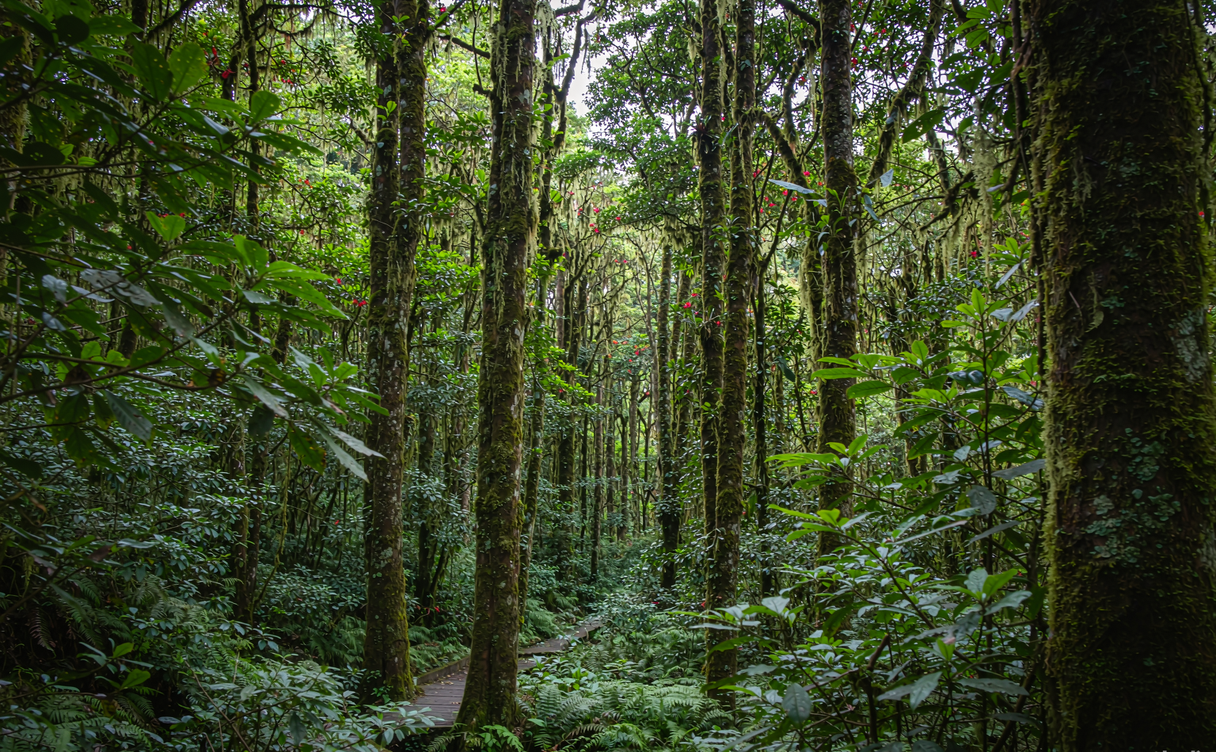
The Jinfo Mountain karst landscape is part of the South China Karst, a UNESCO inscription that recognizes the cone-and-tower limestone shapes formed over millions of years. The massif covers about 1,300 square kilometers, with the main peak, Malingbao, reaching 2,238 meters. Beneath the cliffs lies a primeval forest that still shelters rare “living fossil” trees such as the Cathaya argyrophylla (silver fir) and stands of ancient ginkgo. In spring the slopes explode with more than 300 species of wild azalea, some found almost nowhere else. This mix of geology and intact woodland is why the mountain feels different from the typical Chinese scenic area: you are not just looking at a rock, you are walking through a protected ecosystem.
Things to do at Jinfo Mountain
The core things to do at Jinfo Mountain begin with the cable car from the north gate, a long ride that lifts you from the wooded base to the high cliff band in about twenty minutes. Beyond the cave, the things to do at Jinfo Mountain also include the cliff-edge boardwalk and the silver-fir grove lower on the slope. From the top station, a loop boardwalk runs past the Ancient Buddha Cave (Gufodong), a huge limestone cavern with a year-round temperature around 10°C, and the Eco Stone Forest, where weathering has left slender pillars you can walk between. The cliff-edge path above the “Golden Turtle Facing the Sun” rock is the spot for the classic photo, and on a clear day you can see across to the Guizhou hills.
In summer, hikers follow the forest trails to the azalea meadows; in winter, the same upper slopes open as a ski field with beginner runs and snow tubing, the closest snow play to Chongqing. Our guides like to time the descent for late afternoon so travelers catch the golden light on the north face. On our last visit in late April, the azaleas were at full bloom and a light fog rolled through the stone forest, which made the boardwalk feel like a scene from a painting. We’ve sent families, couples, and solo trekkers here, and the cable car plus boardwalk layout means even travelers with limited fitness can reach the best viewpoints.
Best time to visit Jinfo Mountain
The best time to visit Jinfo Mountain depends on what you want. April to May is prime for azaleas and mild hiking weather in the high teens Celsius. June through August is the local summer escape, when the summit stays 10 to 15 degrees cooler than downtown Chongqing’s 35°C swelter. October and November bring red and gold foliage and the clearest skies. December to February is ski season, with reliable snow above 1,800 meters. Avoid the heavy summer thunderstorms in July if you dislike slick boardwalks. For a national view of timing, our best time to visit China guide lays out the months by region.
How to get to Jinfo Mountain
Figuring out how to get to Jinfo Mountain is straightforward once you know the hub. From central Chongqing, take the intercity train or bus to Nanchuan (about 1 to 1.5 hours), then a scenic-area shuttle the final 30 minutes to the north gate. A growing number of travelers now take the high-speed rail to Nanchuan North station and a taxi from there. If you prefer door-to-door ease, we arrange private cars from Chongqing for about ¥600 to ¥800 (roughly $85 to $110 USD) round trip including waiting time, which our guests find worth it on a tight one-day schedule. Our China high-speed train guide for foreigners covers how to buy those intercity tickets on your phone.
Costs and the wider Chongqing plan
Admission plus the cable car and shuttle runs about ¥180 in low season and ¥260 in peak season (roughly $25 to $36 USD); ski equipment rental in winter is extra, about ¥80 to ¥120 ($11 to $17 USD) for a half day. Children under 1.2 meters ride the cable car free with a paying adult. Jinfo Mountain sits about two hours south of the city, so it pairs well with a downtown Chongqing stay. Our Chongqing travel guide explains where to base yourself and how to split city and mountain days. For travelers collecting China’s protected landscapes, our national parks overview shows how Jinfo fits alongside the country’s other UNESCO natural sites.
Food and a Chongqing angle
After a day on the mountain, nothing beats a bowl of Chongqing hotpot, and the city is the birthplace of the numb-and-hot style. A standard meal for two at a mid-range place runs ¥120 to ¥200 (about $17 to $28 USD). We point every first-timer to Chongqing hotpot houses so they can order the right broth and offal without embarrassment. If your trip continues west into Sichuan, a Chengdu food guide helps tell the Chongqing and Chengdu styles apart.
Beyond the viewpoints, Jinfo Mountain hides real biodiversity. The forest is one of the last spots in the region where the Cathaya argyrophylla, a conifer once thought extinct, grows in the wild, and naturalists have recorded more than 200 bird species on the slopes. If you like plants, ask the gate about the marked botanical trail near the Ancient Buddha Cave, where signs name the rare ferns and orchids by the path. A comfortable one-day rhythm is to ride up at opening, walk the cliff boardwalk before the tour groups, picnic at the mid-station, and take the cave loop in the cooler afternoon. Travelers who want the silver fir should come with our guide, who knows the protected grove and keeps a respectful distance from the roots. In winter the same trail becomes a quiet snowshoe walk, and the silver fir’s dark needles against white snow are a favorite shot for our guests.
Why we keep sending travelers here
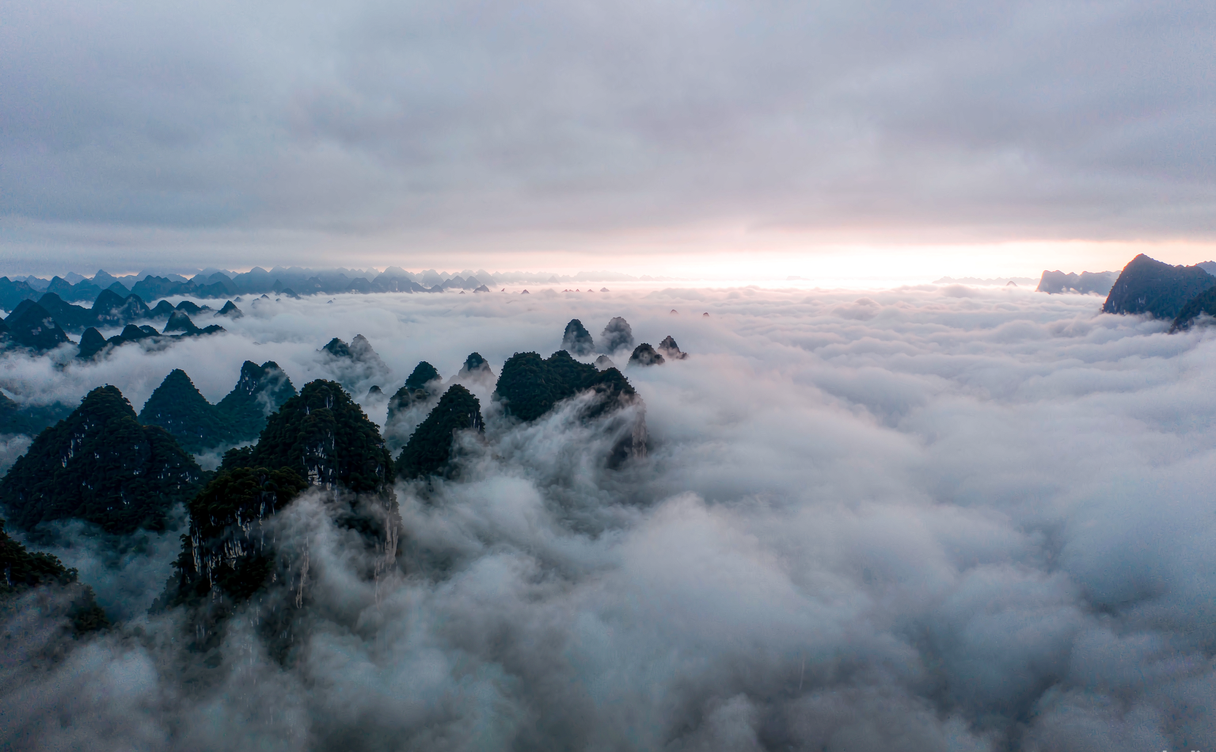
On our last visit the cable car opened into a sea of cloud above the cliffs, and the group fell silent for a full minute, which is rare for any tour. The Jinfo Mountain Chongqing summit changes with the season, and the Jinfo Mountain karst cliffs are the headline sight. The best things to do at Jinfo Mountain are the boardwalk and the cave, and the best time to visit Jinfo Mountain is spring for azaleas. Knowing how to get to Jinfo Mountain by train keeps the day simple. We’ve sent travelers there as a one-day break from Chongqing’s concrete, and it works in every season because the mountain changes character completely between spring flowers, summer cool, autumn color, and winter snow. The Chongqing Jinfo Mountain trip is best started before 8 a.m. from the city, with a return by early evening, leaving the night free for hotpot. It is the kind of outing we recommend to travelers who want nature without leaving the comfort of a major hub nearby.
The mountain’s global value is formally recorded by the UNESCO World Heritage Centre, which lists Jinfo Mountain as part of the South China Karst inscription.