

Most visitors to Hainan never leave the east coast, which is exactly why Ledong is worth the detour. This Li-autonomous county on the island’s southwest, part of Hainan, China, trades Sanya’s resort strip for rainforest, quiet beaches, and the kind of tropical silence you can’t buy at a five-star property. I came for Jianfengling and stayed an extra day for the fruit stalls and the slow coastal road. This Ledong travel guide covers when to come, how to arrive, and what to do once you step off the train.
Why Jianfengling Is the Draw
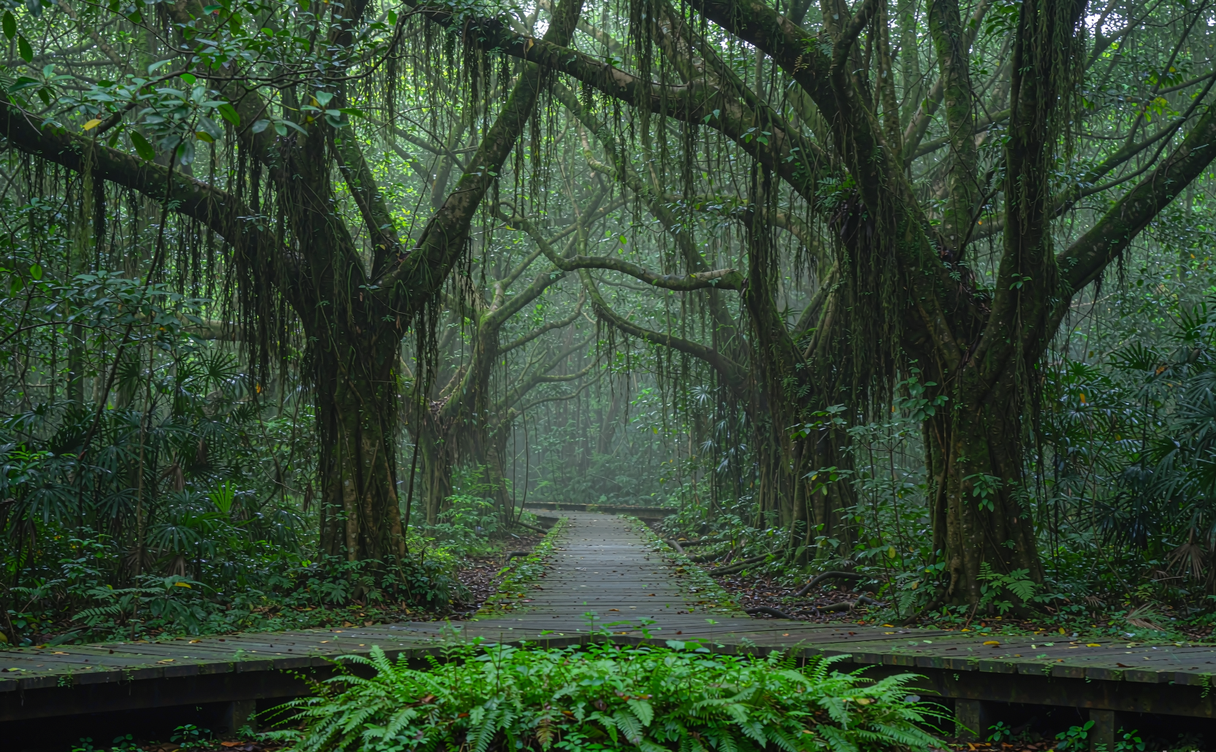
Jianfengling National Forest Park is the best-preserved tropical rainforest on Hainan, a ridge of old-growth forest that climbs toward 1,400 meters. It is one of the last homes of the Hainan black crested gibbon, a critically endangered ape with only a few dozen individuals left in the wild, so the reserve is as much a conservation story as a hiking destination. The background on the park sits at Jianfengling National Forest Park on Wikipedia if you want the ecological context before you go. Even if you never spot a gibbon — they are shy and high in the canopy — the boardwalks through the misted forest and the dawn chorus of birds make the early start worthwhile.
The forest itself rewards a slow eye. On a single morning walk you can pass strangler figs, buttress-rooted hardwoods, and epiphytes dripping with orchids after rain, while the higher ridges open onto montane shrub with views down to the coast. The gibbons are most vocal at dawn and dusk, and the reserve runs a small monitoring station where rangers sometimes explain the recovery effort — worth asking about at the gate, because tours are irregular and not advertised online. I have found the lower boardwalk loop, about 2 km and flat, is the best value for a first visit, while the ridge climb suits fit travelers with a full morning.
Best Time to Visit Ledong
The best time to visit Ledong is November through April, Hainan’s dry season, when humidity drops, temperatures sit at a comfortable 22–28°C, and the trails are firm underfoot. Avoid the wet months of July to September, when afternoon storms soak the slopes and leeches appear on the lower paths. Chinese New Year (late January or February) brings domestic crowds to the coast but barely touches the forest interior. For the island-wide picture, our best time to visit China guide places Hainan’s climate in context against the rest of the country, since the south runs warm while Beijing freezes.
How to Get to Ledong
Planning how to get to Ledong is easier than the remote feel suggests. The Hainan western ring high-speed railway has a Huangliu station, about 30–40 minutes by road from the Jianfengling entrance, with frequent trains from Sanya (40–60 minutes, ¥40–70) and Haikou (2.5–3 hours, ¥110–160). From Huangliu you will need a taxi or a pre-arranged driver for the final leg, costing roughly ¥80–120. Driving is equally straightforward: the island’s expressway loops the coast, and a rental from Sanya takes about 1.5 hours west. I recommend having a car for at least one day, because the rainforest, the coast, and the fruit towns are spread along roads with thin public transport. The route pairs naturally with our Hainan 7-day itinerary, which balances the busy east with the quiet west.
Things to Do in Ledong
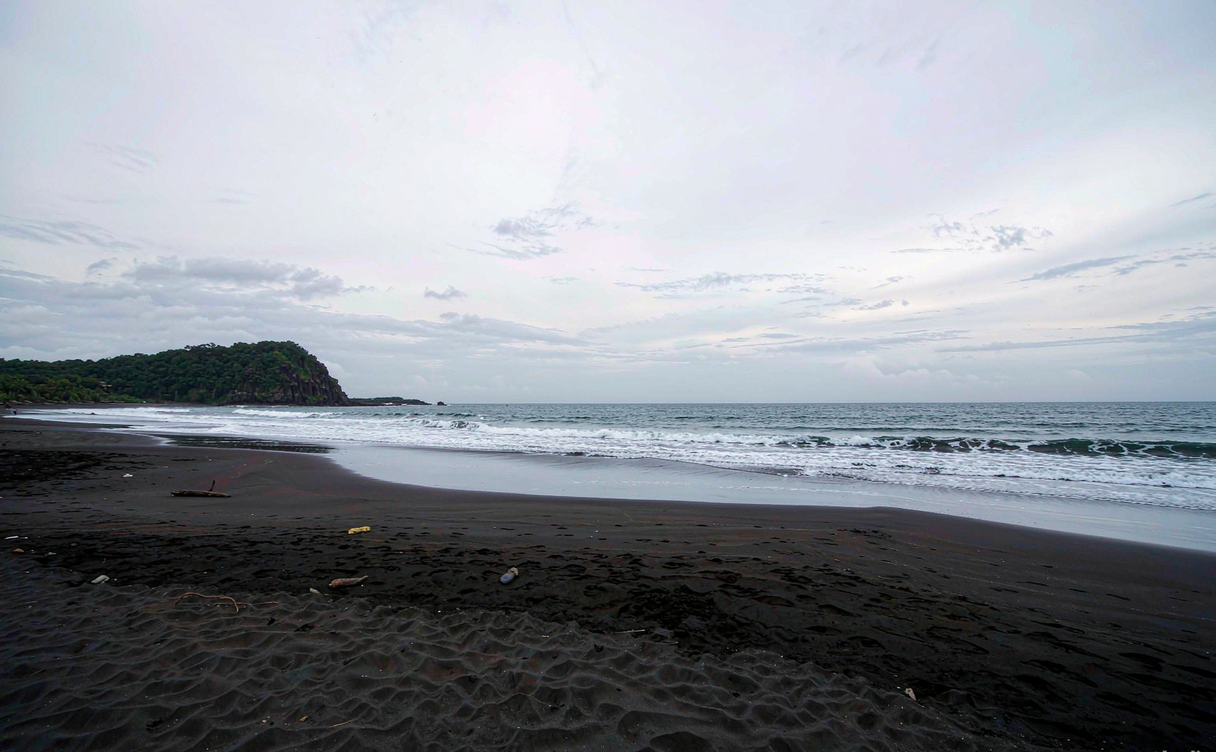
The things to do in Ledong center on the forest but extend to the shore. Inside Jianfengling, the main visitor area has a shuttle (¥50–80 including entry) up to the trailheads, and marked loops range from a 40-minute stroll to a half-day climb toward the ridge. Birdwatchers should arrive at first light; the park lists over 300 species. Down on the coast, Jianfeng Harbour and the nearby black-sand beaches are uncrowded and free, a world away from Sanya’s sands — our China beaches guide compares them with the island’s better-known shores. Back in the valleys, the hot-spring towns around the forest offer outdoor pools (¥60–120 a session) where you soak under the trees. The Li communities in the hills keep weaving and batik traditions alive, and a visit to a village workshop is a grounding counterpoint to the nature.
The Li, one of Hainan’s indigenous groups, weave a distinctive brocade and dye cloth with indigo using techniques passed down through families; a workshop visit typically costs ¥30–50 including a small demo, and the textiles make better souvenirs than airport trinkets. I would budget a half-day for the hills rather than squeezing it between forest and coast, because the drive alone is scenic and the villages close early.
A Ledong Itinerary
A sensible Ledong itinerary is two days and one night, three if you want both forest and coast at a relaxed pace. Day one: arrive via Huangliu, drive to the Jianfengling entrance, and take the afternoon shuttle loop before checking into a forest guesthouse. Day two: dawn walk on the ridge trail, late-morning drive down to the coast for a swim, and an afternoon fruit stop before heading back east. If you are building a bigger island loop, this slots between Sanya and the west, and our Hainan cuisine guide points you to the seafood and coconut dishes to chase along the way. For the fruit angle specifically, our China tropical fruits guide explains what’s in season when you visit the roadside stalls here.
Where to Stay and Eat
Accommodation ranges from basic forest lodges at the Jianfengling gate (¥180–350 a night) to small county-town hotels in Ledong proper (¥150–300). The forest guesthouses let you hear the insects at night, which is the point. Food is the quiet highlight: roadside stalls sell mango, papaya, and the island’s small sweet pineapples by the kilo for ¥4–10, and the coastal villages grill the day’s catch — snapper, grouper, and squid — for ¥40–80 a plate. A bowl of Hainanese chicken rice runs ¥15–25. The Ledong Jianfengling rainforest experience is best fueled by these simple, cheap meals rather than resort dining.
The fruit is a reason to visit in itself. Ledong and the nearby towns grow bananas, jackfruit, and the small sweet pineapples that Hainan is quietly famous for, and the morning markets near the county seat are where locals trade the day’s pick. A kilo of ripe mango costs ¥3–6 in season, and the red-heart dragon fruit grown inland here is sweeter than the coastal varieties. If you want to know what’s at peak when you arrive, our China tropical fruits guide lists the island’s harvest calendar by month — I plan my own trips around the pineapple and jackfruit windows.
Planning Notes
Bring proper hiking shoes; the upper trails are rocky and slick after rain. Insect repellent and a light rain shell are essential year-round, and leech socks help in the wet season. The forest gate opens around 7:30 a.m. and the last shuttle down leaves mid-afternoon, so start early. Mobile data is decent at the gate but fades on the ridge, so download maps beforehand. Carry water and a snack, because there is nothing to buy once you are past the visitor center, and the humidity makes a small bottle disappear faster than you expect.
One practical note on transport: the Huangliu station is shared with the larger town of Huangliu, not Ledong county seat, so confirm your driver knows the Jianfengling entrance specifically — the forest gate is a 40-minute drive inland from the rail stop, not in town. Taxis at the station are scarce off the train, so arrange a pickup in advance through your guesthouse. For a wider frame on the island’s protected areas, our China national parks guide places Jianfengling among the country’s other standout reserves.
Building a full island loop? Open our Hainan 7-day itinerary to balance Ledong’s west against Sanya’s east.
Hungry along the way? Our Hainan cuisine guide maps the seafood and coconut dishes worth the detour.
Want more protected reserves like this? Read our China national parks guide for the standout picks beyond Hainan.