

Changjiang is the Hainan most tourists skip, and that is precisely the appeal. This Li-autonomous county on the island’s northwest coast, part of Hainan, China, pairs a genuine lowland rainforest with one of the most unspoiled stretches of shoreline on the island. I drove in expecting a quick stop and left wishing I had booked an extra night. This Changjiang travel guide covers when to visit, how to arrive, and what to do between the forest and the bay.
Why Bawangling Matters
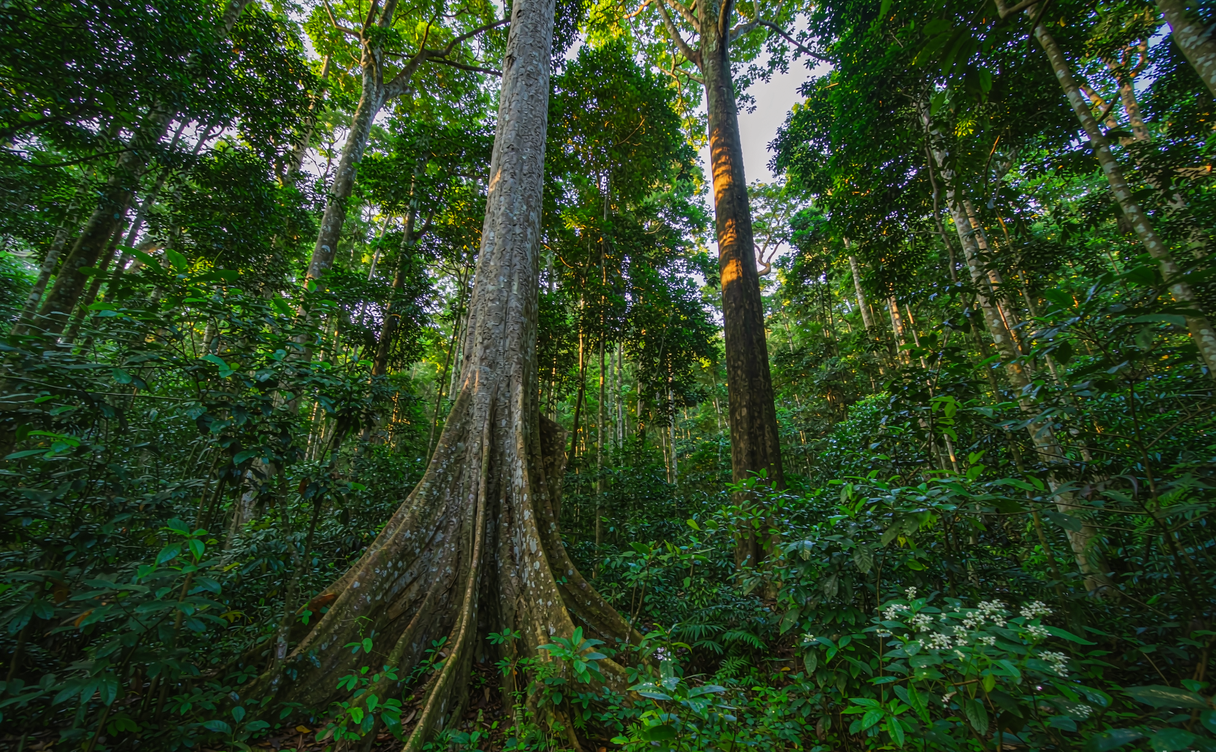
The Changjiang Bawangling reserve — Bawangling National Nature Reserve — protects the last viable habitat of the Hainan black crested gibbon, the world’s most endangered ape, with only a few dozen individuals left. That makes the forest more than a pretty walk; it is a frontline conservation site. The ecological background sits at Bawangling National Nature Reserve on Wikipedia if you want the species detail before you go. Even without a gibbon sighting — they are elusive and high in the canopy — the reserve’s primary forest, limestone hills, and dawn birdlife justify the trip, and the ranger stations sometimes run short talks on the recovery effort.
What makes Bawangling special is that it is primary, not replanted, forest — the kind of intact lowland rainforest that has all but vanished across tropical Asia. On a single morning you can pass strangler figs, buttress-rooted hardwoods, and limestone cliffs draped in ferns, with the chance of macaques, civets, and a hundred-odd bird species. The gibbons are most vocal at dawn and dusk, and while a sighting is rare, hearing the males’ whooping call echo through the trees is its own reward. I would treat the forest as a half-day outing at minimum, because the best loop is a steady 3–4 km and the humidity makes dawdling worthwhile rather than rushed.
Best Time to Visit Changjiang
The best time to visit Changjiang is November through April, during Hainan’s dry season, when temperatures sit at a comfortable 22–28°C and the forest trails are dry. The wet months of July to September bring afternoon storms and a real leech risk on the lower paths, so I would avoid them for a first visit. Chinese New Year brings domestic crowds to the coast but leaves the interior quiet. If you can, target late March or early April, when the heat has not yet built and the fruit harvest is peaking. For the island-wide climate picture, our best time to visit China guide sets Hainan’s warm south against the frozen north, useful if you are combining regions.
How to Get to Changjiang
Figuring out how to get to Changjiang is straightforward thanks to the Hainan western ring railway. Changjiang station sits on the line linking Haikou and Sanya, with trains from Haikou (about 1.5–2 hours, ¥60–90) and Sanya (about 2–2.5 hours, ¥80–120). From the station, the Bawangling entrance is roughly 40–60 minutes inland by car (¥100–150), and Queen Bay (Qizi Bay) is about 40 minutes toward the coast, so a rental or a pre-arranged driver is the practical choice. Driving the island expressway from Sanya takes around 2.5 hours west. The county slots neatly into our Hainan 7-day itinerary, where it balances the busier east coast with a quiet west.
Things to Do in Changjiang
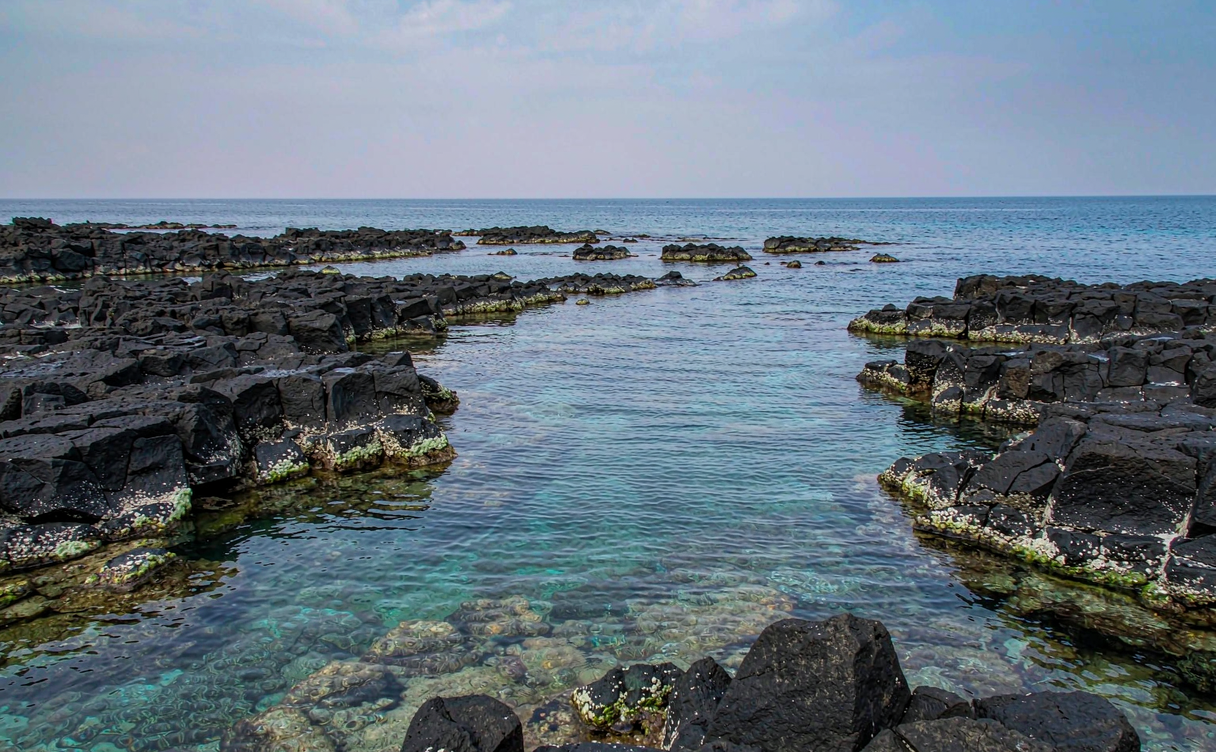
The things to do in Changjiang split cleanly between forest and shore. In Bawangling, a ranger-led or self-guided trail from the visitor area (entry around ¥50–80 with shuttle) winds through primary forest and limestone outcrops; the early-morning walk is best for birds and any chance of hearing gibbons. On the coast, Qizi Bay — “Checkerboard Bay,” named for its flat black rocks — offers wind-sculpted shoreline, tide pools, and a near-total absence of development; it is a stark contrast to Sanya’s beaches, covered in our China beaches guide. Inland, the Huangdi (Emperor) Cave and the nearby hot-spring pools (¥60–120 a session) round out a slow day, and the Li villages keep brocade-weaving and batik traditions alive. For the cultural side, our China ethnic minorities travel guide explains how to visit these communities respectfully.
Qizi Bay rewards a low tide more than a swim — the flat black rocks form shallow pools where kids net small fish and families picnic on the concrete-free shore. There is almost no development here, which means no loungers, no bars, and no shade, so bring water and a hat and aim for the cooler hours. The Huangdi Cave, a short drive inland, is a vast limestone cavern with stalactites and a spring-fed pool; entry is modest (around ¥30–50) and the walk in passes small farms where you can buy fruit off the tree. The Li village workshops, where women weave indigo-dyed brocade on foot looms, charge ¥30–50 for a demo and sell textiles that beat any airport souvenir.
A Changjiang Itinerary
A realistic Changjiang itinerary is two days and one night, three if you want both forest and a relaxed coast. Day one: arrive via Changjiang station, drive to Bawangling for an afternoon trail, overnight near the reserve or in the county seat. Day two: dawn walk in the forest, late-morning drive to Qizi Bay for the low tide and rocks, afternoon hot springs before heading east. The county is compact enough that this pace feels leisurely rather than rushed. If you have the third day, swap the hot springs for a slow morning at a Li weaving workshop and a long lunch at the coastal fish grills. If you are building a full island route, our Hainan cuisine guide points you to the seafood and coconut dishes worth chasing along the west.
Where to Stay and Eat
Lodging is modest: county-town hotels run ¥150–300 a night, and a few forest guesthouses near Bawangling reach ¥250–400. Book ahead on weekends, when Haikou locals drive over. Food is the easy highlight — the coastal villages grill the day’s catch (snapper, grouper, squid) for ¥40–80 a plate, and a bowl of Hainanese chicken rice is ¥15–25. Roadside fruit stalls sell the island’s small sweet pineapples and jackfruit by the kilo for ¥4–10. The Changjiang Bawangling reserve days are best fueled by these cheap, fresh meals rather than resort dining.
The county’s morning market, near the seat, is where I would spend any spare hour: piles of mango, dragon fruit, and the red-heart variety grown inland, plus vendors frying sesame balls and steaming banana leaf parcels of sticky rice. A kilo of ripe pineapple costs ¥3–6 in season, and the jackfruit here is denser and sweeter than the coastal sort. If you want to know what’s at peak when you arrive, time your visit around the dry-season harvest and skip the resort buffets entirely — the street food is cheaper, fresher, and far more memorable.
Planning Notes
Wear proper hiking shoes; the limestone trails are rocky and slick after rain, and leech socks help in the wet season. Insect repellent, a rain shell, and water are essential, because there is nothing to buy past the visitor center. The forest gate opens around 7:30 a.m. and the last shuttle down leaves mid-afternoon, so start early. Mobile data holds up in town but fades in the reserve, so download maps in Haikou or Sanya first.
One transport caveat worth flagging: Changjiang station is on the western ring line but not every express stops there, so check the schedule when booking and allow buffer time for the 40–60 minute transfer to Bawangling. Taxis at the station are thin off-peak, so arrange a pickup through your guesthouse in advance rather than hoping to flag one. For a wider frame on the island’s protected areas, our China national parks guide places Bawangling among the country’s other standout reserves.
Pairing east and west? Open our Hainan 7-day itinerary to fit Changjiang into a full island loop.
Hungry on the road? Our Hainan cuisine guide maps the west-coast seafood and coconut dishes to chase.
Want more reserves like this? Read our China national parks guide for the country’s other standout protected areas.