

This Baisha travel guide is built from routes we’ve actually run for readers who want the green, mountainous heart of Hainan rather than the resort coast. Baisha Li and Miao Autonomous County sits inland at the centre of the island, where the climate is cooler, the forest is thicker, and the Li people’s textile traditions are still woven by hand. On our last visit we based ourselves in Baisha town and made day loops into the surrounding nature reserves, and the contrast with Sanya’s beaches was exactly what our travelers came for. If you want depth over a beach lounger, the Baisha travel guide below covers when to go, how to arrive, what to do, and where the Li culture is most alive.
Where Baisha sits and why it feels different
Most foreign visitors fly into Hainan for Sanya or Haikou and never see the interior. Baisha is roughly 250 km from Haikou and about 180 km from Sanya, tucked into the limestone and basalt hills that form Hainan’s spine. The county town sits at around 200 metres above sea level, but the surrounding reserves climb past 1,400 metres. That altitude is the whole point: while the coast swelters at 33°C in summer, Baisha often stays in the high twenties, and the air is genuinely clean.
We’ve sent travelers here as a two- or three-night add-on after a few days on the hainan-7-day-itinerary, and it works best as the “real island” counterweight to the resorts. The population is dominated by the Li, Hainan’s largest indigenous group, and the Miao, who moved into these hills centuries ago. Unlike the coastal cities, daily life here still runs on rice terraces, betel-nut groves, and village markets where elders wear indigo-dyed cloth.
Best time to visit Baisha
The best time to visit Baisha is November through April, during Hainan’s dry season. Daytime temperatures run a comfortable 22–28°C, humidity drops, and the forest trails are passable. We made the mistake once of sending a couple in early September; they hit daily downpours and a typhoon warning, and the mountain roads to Yinggeling were temporarily closed. From May to October the rainforest is at its most lush, but you should expect afternoon thunderstorms and the occasional transport disruption.
One note for planners: the Hainan gibbon viewing season inside Bawangling is most reliable in the dry months, because rangers run the early-morning listening walks only when the paths are safe. If seeing the gibbons is your priority, book the dry season and confirm with the reserve 48 hours ahead.
Things to do in Baisha
The headline sight is Bawangling National Nature Reserve (also written Bawangling), the last stronghold of the Hainan gibbon — the world’s rarest primate, with fewer than 40 individuals left in the wild. You will not casually wander in and spot one; the reserve runs guided dawn listening hikes where you hear the males’ soaring duet from the canopy. Entrance and the guided walk together run about 80–120 RMB per person, and you must register at the visitor centre the day before. We’ve had travelers describe the experience as “the quietest, most moving wildlife morning of our lives,” which is about right.
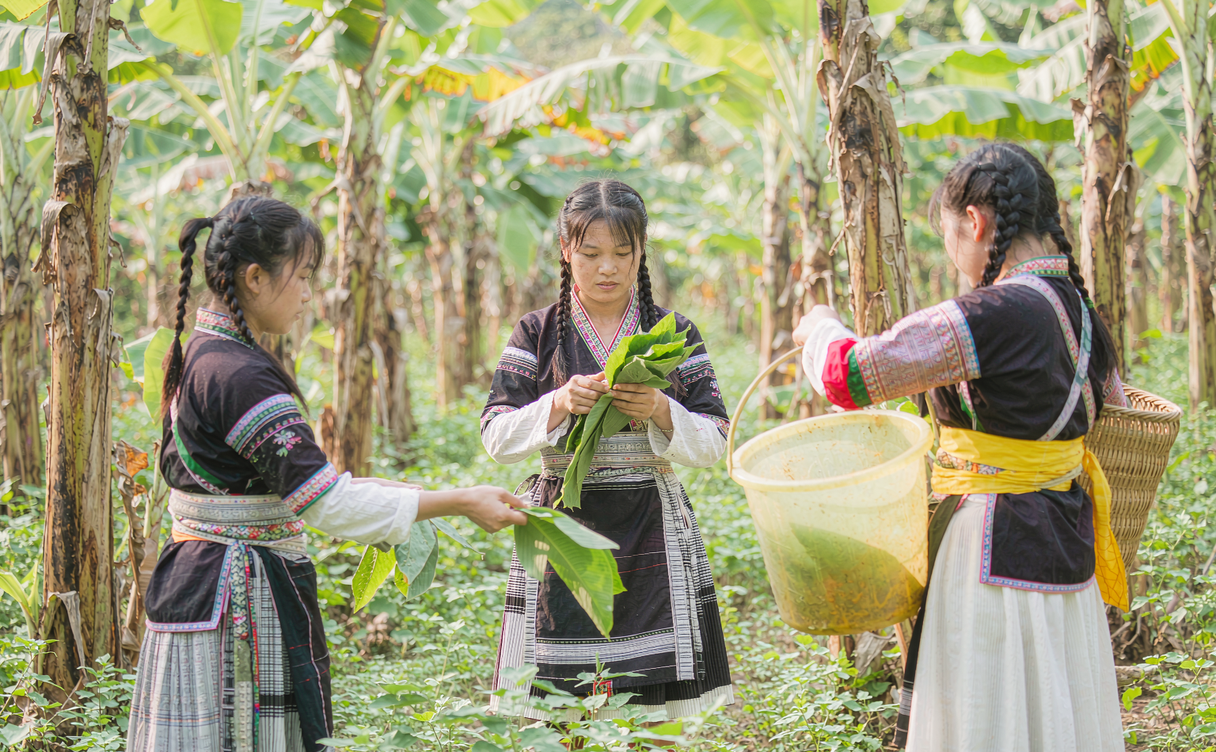
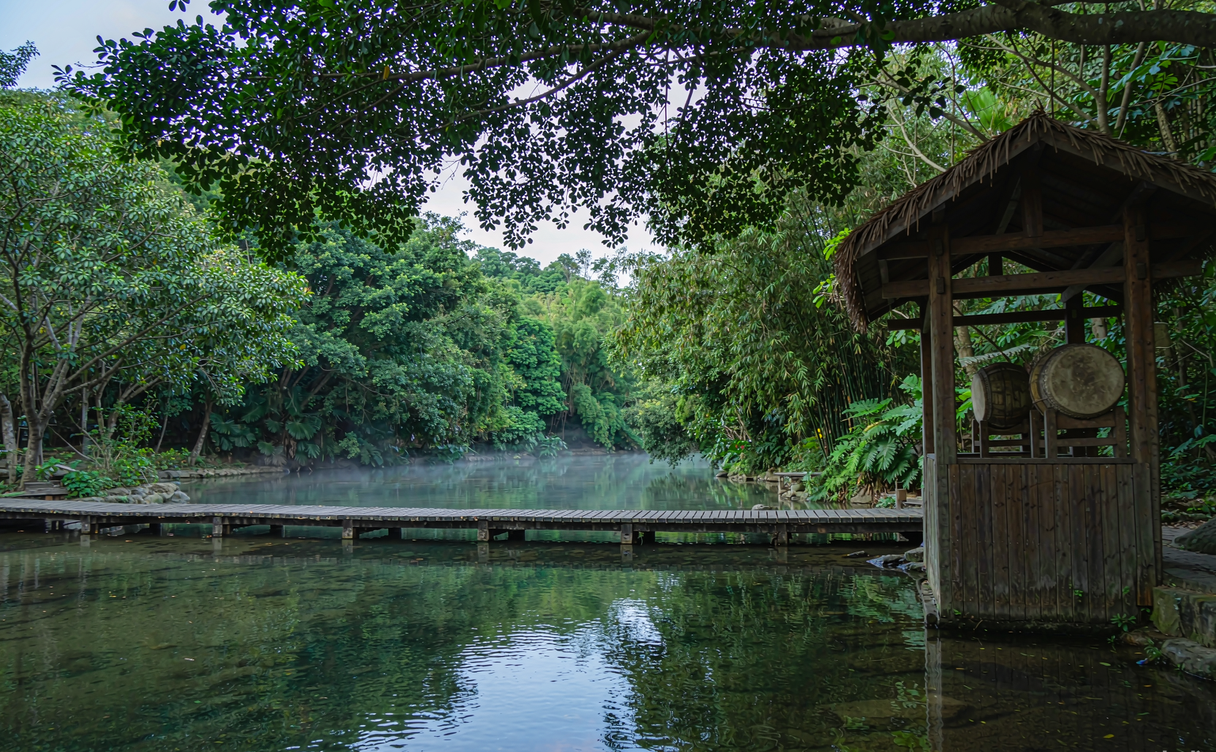
Yinggeling (Yingge Ridge) is the other major reserve, a vast protected watershed of primary forest, waterfalls, and the island’s cleanest rivers. Independent hiking is restricted, but village-supported ecotourism walks from Nankai and Yuanmen townships let you wade the streams and photograph the terraced paddies. A local guide costs roughly 150–200 RMB for a half day.
For Baisha Li culture Hainan, the place to go is the county’s heritage workshops and the smaller villages around Coconut Valley (Yiezhan). The Li are famous for their back-strap loom brocade, a technique inscribed on the UNESCO Intangible Cultural Heritage list in 2009. You can watch women spin, dye with plant roots, and weave waist-tension looms, then buy a small panel for 100–400 RMB depending on complexity. Our travelers consistently rate a hands-on weaving demo, booked through the county cultural centre for about 50 RMB per person, as the best two hours of their trip.
The Baisha fossils and the small County Museum (free entry, closed Mondays) round out a rainy-afternoon plan, with exhibits on the Li-Miao migrations and the 1970s paleontological finds.
How to get to Baisha
There is no train station or airport in Baisha, so the how to get to Baisha question always starts from Haikou or Sanya. From Haikou, long-distance buses leave the West Station (Haikou Qiche Xizhan) for Baisha roughly every hour from 07:30 to 17:30; the ride is 3.5–4 hours and costs 70–90 RMB. From Sanya, buses depart the Sanya terminal for Baisha about every two hours, around 2.5–3 hours, for 50–70 RMB. On our last visit we hired a driver from Sanya for 600 RMB round trip, which was worth it for the flexibility to stop at roadside Li villages.
Inside the county, public transport is limited to slow village minibuses. For the reserves, your realistic options are a rented car (a few agencies operate out of Baisha town at 200–300 RMB/day for a basic sedan) or a local driver arranged through your guesthouse. We do not recommend relying on Didi here — coverage thins out fast once you leave the county seat.
A practical Baisha itinerary
A solid Baisha itinerary is three days, two nights:
- Day 1 — Arrive from Sanya or Haikou by early bus, settle in Baisha town, walk the evening market, dinner of Li-style five-colored rice and wild herb soup (40–70 RMB per head).
- Day 2 — Dawn gibbon listening walk at Bawangling (reserve the day before), late-morning waterfall swim, afternoon Li brocade workshop.
- Day 3 — Half-day Yinggeling village walk or Coconut Valley terraces, lunch, then bus back to the coast.
Budget travelers can do this for about 600–900 RMB per person excluding transport to Hainan; those who add a private driver and a comfortable hotel should plan 1,200–1,800 RMB.
The food alone is a reason to come. The hainan-cuisine-guide covers the island’s staples, but Baisha adds its own: sour bamboo shoot hotpot, mountain snail, and the fragrant “Wuzhishan” red rice. A filling bowl of rice-noodle soup at a town stall is 12–18 RMB; a proper Li banquet runs 80–150 RMB per person.
If you are keen on minority cultures beyond Hainan, our broader china-ethnic-minorities-travel-guide maps where the Li, Miao, Dong, and Yi live and how to visit respectfully. For comparison with other protected forests, the china-national-parks-guide is a useful planning companion.
Where to stay and what it costs
Baisha town has a handful of mid-range hotels and guesthouses. A clean double with air-con runs 150–300 RMB per night; the county’s “longevity” hot-spring hotels on the edge of town start around 350 RMB. Book ahead for the Chinese New Year and National Day weeks, when rooms fill and prices jump 30–50%. Outside peak season you can usually walk in. We’ve found the family-run guesthouses near the bus station the most helpful for arranging drivers and guides.
Staying safe and respectful
The reserves are real wilderness: leeches after rain, steep boardwalks, and no mobile signal in places. Carry water, wear closed shoes, and tell your guesthouse your return time. When visiting Li villages, ask before photographing people, and buy crafts directly from the weavers rather than the resellers in town — it keeps the money where the skill lives.
For timing your whole Hainan loop, cross-check the best-time-to-visit-china overview, and if you like places like this that most tour buses skip, the china-off-beaten-path-guide lists more.
Ready to plan your trip? Tell us your dates and we’ll stitch Baisha into your Hainan route with a private driver and a Li brocade workshop booked in advance.
A note on the gibbons and the forest
We keep coming back to Bawangling because the story is still being written. The Hainan gibbon was down to fewer than ten animals in the 1980s; patient protection has pulled the number up, but every birth matters. Travelers who join the listening walk are quietly contributing — your permit fee funds the rangers. It is a rare case where showing up, quietly, helps.
Baisha is not a place with a checklist of medal attractions. It is a place to slow down, walk a forest, and watch cloth being made the way it has been for a thousand years. That, more than any single sight, is what our travelers remember.
Thinking of pairing Baisha with the coast? We can build a Sanya-to-interior loop that swaps resort pools for rainforest mornings and Li village dinners.
Final practical pointers
Bring cash for the village workshops and small stalls; the ATMs in Baisha town work but rural ones sometimes don’t. Download offline maps before you leave the coast. And give yourself one unscheduled morning — the best thing that happened to us here was a spontaneous invitation to a village wedding feast we stumbled onto near Yuanmen, which no itinerary could have planned.
Baisha rewards the curious and the patient. Come in the dry season, leave the resort mindset at the airport, and you’ll see a Hainan most visitors never know existed.
Want the full Baisha route mapped, reserved, and ready? Reach out and we’ll send a day-by-day plan with current 2026 prices and a driver on standby.